How Does a Supply Chain Firm Plan for High Demand?
With the right approach, supply chain planning can lower costs…
With the right approach, supply chain planning can lower costs…
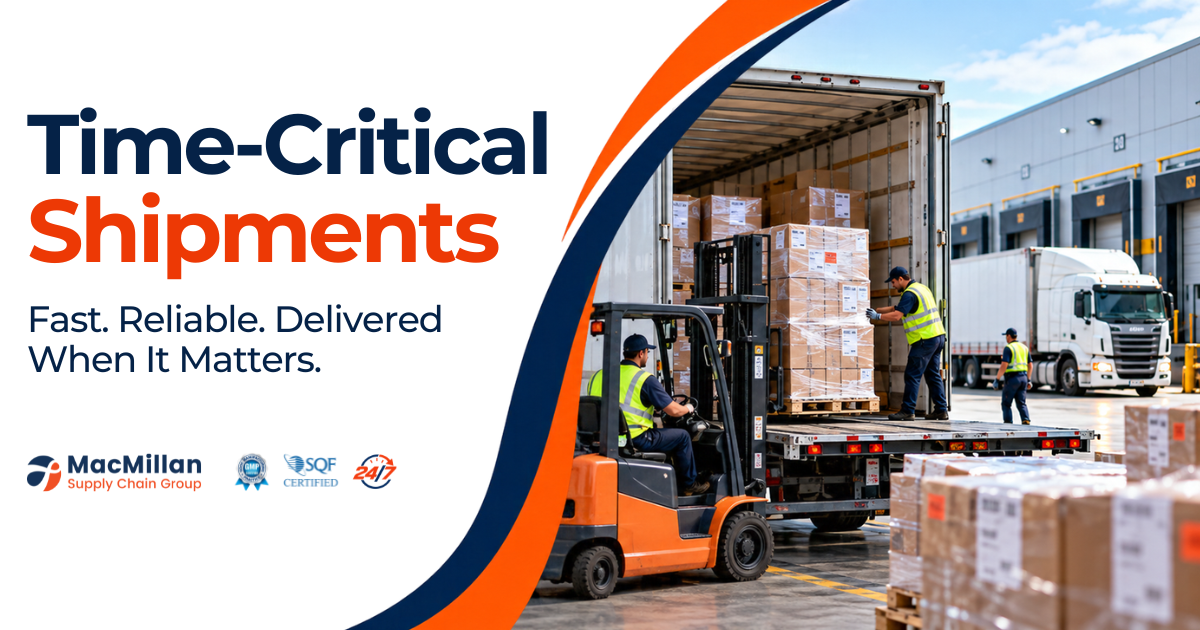
Time-critical shipments can be defined in many ways. Critical shipping…
A shopper asks an AI assistant to find a fragrance-free…
As an online store business owner, offering the best customer…
As the busiest time of the year draws near, the effectiveness of your e-commerce fulfillment in peak season strategies comes into sharp focus. This crucial period, characterized by a significant increase in sales, tests the resilience and efficiency of your e-commerce operations.
During peak season in e-commerce, your business transforms into more than just a retail outlet; it becomes a dynamic center of operations.
The influx of orders is not just a revenue booster but a critical test of your ability to deliver satisfaction with each package.
The hurdles in e-commerce fulfillment in peak season, such as inventory management and meeting accelerated shipping requirements, are always challenging. This blog aims to equip you with 15 essential strategies for e-commerce fulfillment in peak season, ensuring your business survives and flourishes during these high-demand times.
Achieving peak performance in e-commerce fulfillment in peak season is crucial for sustained growth and customer satisfaction.
It’s not merely about surviving the high-demand periods; it’s about leveraging these challenges as opportunities for significant improvement and growth.
Think about these important questions as you customize strategies to fit your specific business requirements:
Today’s technological advancements offer many tools and systems designed to optimize operations. The right technology can be a game-changer, from inventory management software to automated shipping solutions.
Solid partnerships are the backbone of successful fulfillment. Open communication, mutual understanding of expectations, and flexibility can help build a resilient supply chain ready to adapt to the dynamic demands of peak seasons.
Historical data is a goldmine of insights. Analyzing past performance, customer feedback, and logistical challenges can guide your planning, helping you anticipate and mitigate potential issues before they arise.
Engaging with these considerations for e-commerce fulfillment in peak season can transform challenges into stepping stones for success. This approach sets a solid foundation for your business to survive and excel during the busiest times of the year.

During peak seasons, e-commerce businesses encounter specific challenges in e-commerce fulfillment. Recognizing and tackling these obstacles is crucial for preserving efficiency and ensuring customer satisfaction.
Below is an analysis of the main challenges in e-commerce fulfillment in peak season and strategies for their effective management:
Peak seasons often bring an overwhelming increase in product demand. This surge tests the limits of inventory management and shipping logistics.
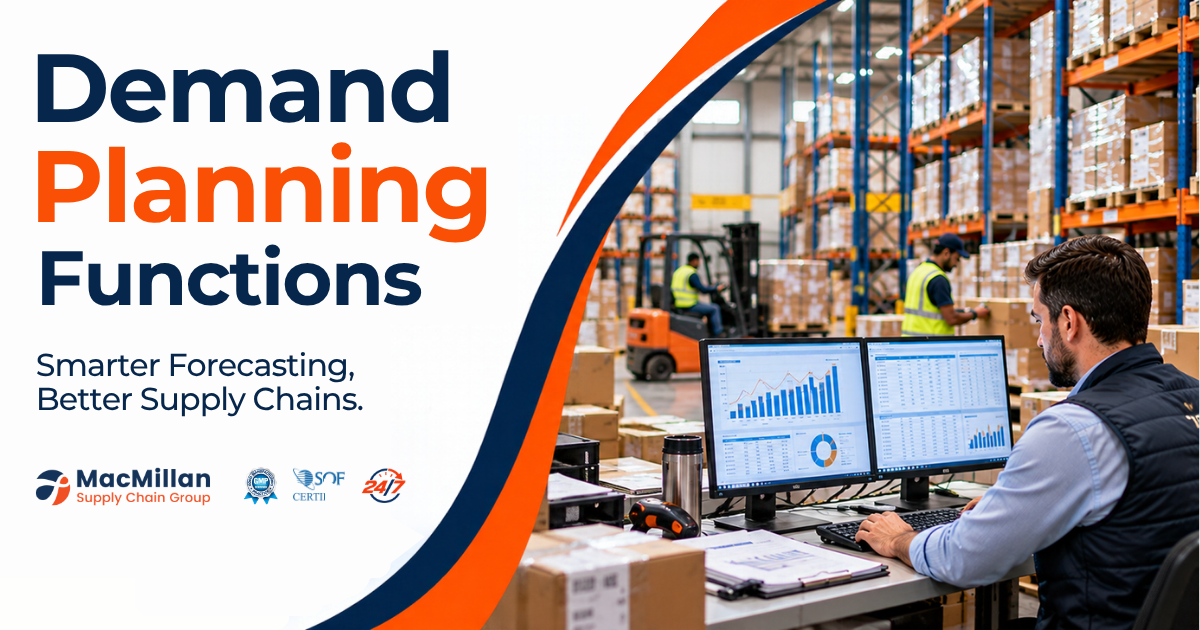
To tackle this, businesses need to ensure robust stock levels. Effective demand forecasting becomes crucial here.
Though high demand is a positive sign, it requires strategic planning and resource allocation to ensure seamless fulfillment.
Shipping costs typically rise during peak periods due to increased demand. To mitigate this, businesses can negotiate with carriers for better rates, explore diverse shipping options, optimize packaging for cost-efficiency, and consider using shipping software or fulfillment centers.
Additionally, passing some shipping costs to customers while maintaining transparency can be a viable strategy.
During peak seasons, the expectation for swift deliveries intensifies, making e-commerce fulfillment in peak season a critical focus.
Challenges such as shipping delays caused by weather or logistical issues, particularly in areas with evolving infrastructure, necessitate a robust delivery system and thorough contingency planning.
A common challenge in e-commerce fulfillment in peak season is the requirement for extra staff to manage the surge in orders. Efficiently recruiting and training temporary staff is vital.
Having a streamlined process to rapidly onboard new employees is essential to maintain operational efficiency during these peak periods.
Peak seasons can also see an uptick in returns and exchanges. Having a clear, efficient returns policy is imperative.
This helps manage the increased volume and maintain customer satisfaction and trust.
Anticipating and preparing for these hurdles allows for smoother operations and a more positive customer experience.

Navigating e-commerce fulfillment in peak season requires more than just hard work; it calls for a meticulously crafted strategy.
The challenges during these high-demand periods are numerous, yet with the appropriate approach, they offer substantial opportunities for business growth and improving customer satisfaction.
Let’s delve deeper into each strategy to ensure your e-commerce business thrives during these critical times:
Well ahead of the busy times, it’s crucial to prepare the foundation for e-commerce fulfillment in peak season. This preparation includes securing a strong inventory level and working closely with your shipping partners.
Focus on strategies for handling order surges, emphasizing flexibility and scalability in your operations.
Utilize historical sales data to pinpoint products that historically see a surge in demand. Proactively stocking these items helps avoid stock shortages, ensuring you’re well-equipped to meet customer needs without interruption.
Streamline your inventory management for more frequent restocking, particularly for your best-selling items. Prepare your team and suppliers for swift reordering processes.
Employing advanced technology can greatly aid in making this process more efficient and less prone to errors.
Proactively adjust the reorder levels for your high-demand products. By doing so, you maintain a healthier stock level, significantly reducing the likelihood of facing stockouts during peak demand.
It’s important to solidify your relationships with suppliers as part of your e-commerce fulfillment in peak season strategy. Being proactive in this way guarantees they are prepared for quick and larger orders, a key factor in maintaining a fluid and responsive supply chain.
Diversify your shipping options to meet customer delivery expectations better. This includes forming new partnerships and exploring various shipping methods to manage the increased volume of deliveries effectively.
Undertake a comprehensive review and preparation of your supply chain and logistics. Consider enlisting the expertise of third-party logistics providers to bolster your capacity for handling peak season demands.
Establish a system for instant inventory updates, which is particularly crucial when operating across multiple sales channels. This helps prevent the issue of overselling and keeps your inventory data accurate and reliable.
Assess and plan for your warehouse space and staffing needs in anticipation of increased order volumes. This may involve expanding your warehouse space or seeking additional manpower, possibly through partnerships with logistics providers.
Utilize your past sales data to make more precise inventory forecasts. This balanced approach helps avoid excess inventory and stockouts, ensuring smoother operation during peak seasons.
Calculate your inventory turnover rate, set standard inventory levels, and reorder points, considering the longer lead times often seen during peak seasons.
Enhance your order processing methods, especially if your business spans multiple marketplaces. Incorporating automation and refining existing procedures can significantly reduce processing time.
Analyze your customer demographic data to optimize inventory placement across various fulfillment centers. Building strong relationships with various courier services can provide more delivery options and help meet customers’ expected quick delivery standards.
Prioritize order accuracy, invest in quality packaging, and streamline your processing to ensure each customer interaction is positive, especially during high order volume periods.
Develop a customer-friendly return policy, streamline the refund and exchange processes, and efficiently manage restocking returned items to maintain profitability and customer loyalty.
Your e-commerce business is not just prepared to face the challenges of peak seasons by implementing these expanded strategies.
Still, it is also positioned to capitalize on these high-demand periods for enhanced customer satisfaction and operational excellence.

Navigating the surge of sales during peak seasons in e-commerce can be daunting, yet with Macmillan, a top third-party logistics (3PL) provider, your e-commerce fulfillment in peak season becomes more streamlined and efficient.
Let’s explore how Macmillan can revolutionize your experience in managing peak season demands:
With Macmillan’s expertise and resources, you can focus more on growing your business while they handle the logistics intricacies of peak

E-commerce fulfillment is a critical component of your online business, necessitating precise execution to guarantee a satisfactory delivery experience for your customers.
MacMillan stands out for its comprehensive supply chain management and advanced reverse logistics, enhancing customer trust and satisfaction through expert handling of products from arrival to delivery.
Understanding the uniqueness of each e-commerce business, we offer customized solutions tailored to specific challenges and market dynamics.
With a focus on sustainability and trust, MacMillan has established a reliable network, positioning itself as a dependable partner in the ecommerce industry.
Elevate your e-commerce fulfillment with MacMillan, where efficient logistics meet a commitment to trust, reliability, and customer satisfaction.