Shipping logistics can be defined as the management and supervision of the movement of goods, products, or raw materials. It encompasses all inbound and outbound logistics involved in moving goods through a supply chain, from first-mile delivery to end-customer shipments.
Why care about shipping logistics? With the fast advancements in technology, customer expectations are higher than ever.
A big part of maintaining high customer satisfaction is dependent on the shipping process. A high percentage of customers say that the shipping and delivery experience influences their decision to buy from the brand again. Furthermore, one in every three customers leave a negative review on social media if their delivery experience is poor.
- What’s the Difference Between Shipping and Logistics?
- What Are the Different Types of Shipping Logistics?
- How to Optimize The Shipping Logistics Process Efficiency
- Master Shipping Logistics and Your Business Will Thrive
What is the Difference Between Shipping and Logistics?
Shipping is the physical transport of goods from a warehouse to the customers. It refers to the processes that occur in the shipping industry as goods move throughout the supply chain, including documentation, working with carriers, tracking, and handling, as well as delivery times and transportation. Logistics refers to the the system that governs this entire process. It starts with the creation of a product and ends when the product is in the hands of the customer. It refers to all the coordinated operations that manage how goods are acquired, stored, and transported to their destination.
What Are the Different Types of Shipping Logistics?
Shipping logistics can be divided into three major categories:
1. Inbound Logistics
Inbound logistics refers to the processes of transporting products from the point of origin, fulfillment centre, or to a warehouse. Everything a company needs to move goods, store, and deliver goods should be included in the inbound logistics network:
- Product sourcing
- Lead times for production
- Receiving in the warehouse
2. Outbound Logistics
Outbound logistics, on the other hand, encompasses all operations required to transport products from a fulfillment centre or warehouse to the consumers:
- Order fulfillment
- Choosing and packing
- Shipping and Carrier Partnerships
- Shipping Services
3. Reverse Logistics
By the time reverse logistics may come into play, the customer should already have the products in their hands. It refers to the
processing of customer returns and exchanges and includes both inbound and outbound processes, such as creating return labels, inspecting the returns, issuing refunds, and shipping replacement items.
How to Optimize The Shipping Logistics Process Efficiency
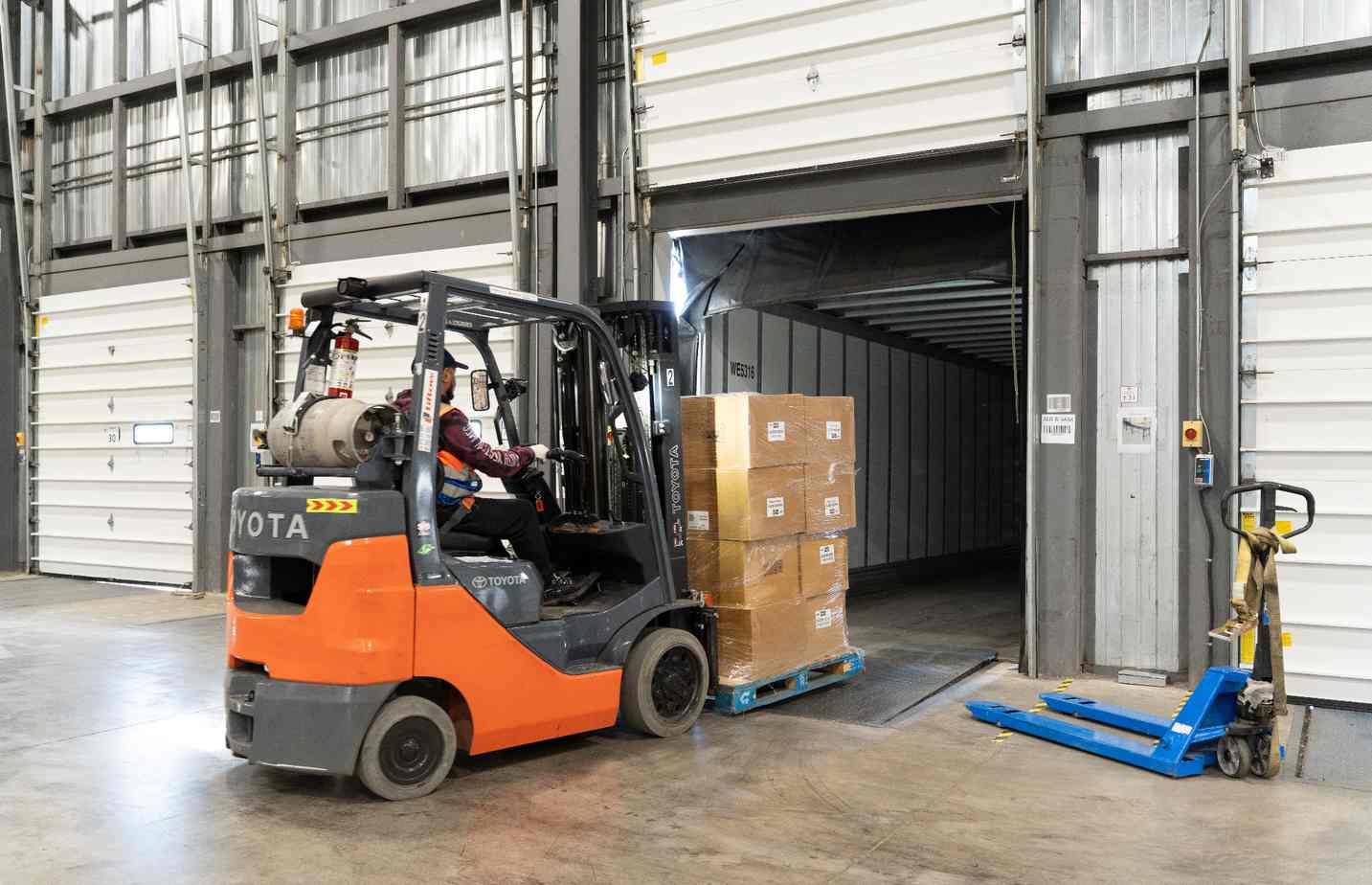
There are many ways to improve the efficiency of a shipping logistics process, some of which are included below.
1. Hold Stock in Strategic Locations
The way that you distribute inventory has an impact on shipping logistics. A distributed inventory model reduces shipping costs and delivery times by storing goods in
multiple fulfillment centres closer to the customers. When you hold stock in strategic locations, ground shipping allows for quick shipments to the final destination. shipping goods to their final destinations. By ensuring that products are close to the people who buy them, you reduce shipping times and increase customer satisfaction.
2. Select the Appropriate Carrier
The shipping carriers are responsible for supplying products from a warehouse to the client. They are responsible for getting the product to the customer in a timely and safe manner. Because different businesses require different shipping capabilities, many businesses find it difficult to
select a good carrier for their business. A number of factors influence which carrier is best suited for the job:
- Location: Depending on whether you ship locally, nationally, or internationally, different carriers provide different services, benefits, and rates. Check out the rates from different providers and choose the best one. When shipping products nation-wide, consider a carrier that can pick up products locally from distributed fulfillment centres as it allows for quicker deliveries.
- Quick Deliveries: Some carriers have the options to ship within the next two days or even promise a next-day delivery. Transit times are one of the most important factors to consider when selecting a carrier. If you need orders to get into the hands of customers quickly, consider working with a carrier that can accommodate you.
3. Automating Order Management
When online stores grow, an automatized order management system can assist you. That is, when scaling your business, it’s critical to streamline order management and inventory control processes. An inventory management software allows you to track inventory levels, orders, sales, and shipments. It can also assist in automating
real-time inventory tracking and in preventing common problems such as overstocking, shipment splitting, and backorders.
4. Access Real-Time Data
If you are automating your shipment process, you can’t rely on artificial intelligence and participating logistics providers to do a good job. Therefore, ensure that you have access to real-time data on the whereabouts of your products. A good system will help you to gather important data that you can use in the future to further optimize your logistics services.
Related: What’s the Difference Between a Storage Facility and a Warehouse?
Master Shipping Logistics and Your Business Will Thrive
Whether you own a small or large business, it’s important to optimize your shipping logistics to keep customers satisfied. When optimizing shipment logistics, consider inbound, outbound, and reverse shipment logistics so that you can be confident in your overall system. The best practice in shipping logistics is simple: Distribute your stock in more strategic locations, select an appropriate carrier, automize order management, and gain access to real-time data. This is how the logistics industry has been able to satisfy clients, and how you can as well.