Section 321 Changes: Navigating New Import Regulations for E-commerce Success

A Quick Summary and Overview

The U.S. government is proposing significant changes to Section 321 of the Tariff Act of 1930, which will impact e-commerce businesses and import regulations. These modifications aim to address national security concerns and protect domestic industries. Key changes include new restrictions on certain goods, additional documentation requirements, and consumer product safety mandates. As a result, e-commerce fulfillment centers and supply chains will need to adapt quickly. MacMillan Supply Chain Group offers expert solutions to navigate these changes, ensuring compliance and maintaining efficient operations for businesses of all sizes.


An Introduction

Section 321 of the Tariff Act of 1930 has long been a boon for e-commerce businesses, allowing duty-free imports for goods valued under $800. However, recent concerns over exploitation by foreign entities, particularly Chinese e-commerce platforms, have prompted the Biden Administration to propose significant amendments. These changes aim to tighten import regulations, address national security worries, and protect domestic industries. As these new rules loom on the horizon, businesses must prepare for a shift in their import strategies and supply chain management. This article will explore the proposed changes to Section 321, their potential impact on e-commerce and fulfillment operations, and how MacMillan Supply Chain Group can help your business navigate these challenging waters while maintaining compliance and efficiency.


Overview of Proposed Changes to Section 321

The proposed amendments to Section 321 introduce several key changes that will significantly impact e-commerce and import regulations:

Key Proposed Changes

  • Prohibitions on Certain Goods: Items subject to Section 201, 301, and 232 safeguard and national security tariffs will no longer be eligible for Section 321 exemptions. This particularly affects textiles and apparel from China, aiming to prevent unfair market advantages and protect domestic industries.
  • Additional Documentation Requirements: Importers will need to provide comprehensive 10-digit tariff classification codes and personal information of the claimant. This measure enhances customs accountability and traceability, reducing potential loophole exploitations.
  • Consumer Product Safety Mandates: The Consumer Product Safety Commission will require Certificates of Compliance for specific products entering the U.S., ensuring imported goods meet domestic safety standards before reaching consumers.
  • Addressing the ‘321 Loophole’: Proposed legislation targets the closing of the so-called ‘321 loophole,’ which involves routing shipments through Mexico or Canada to evade U.S. tariffs. This ensures that only genuinely qualified goods benefit from de minimis exemptions and preserves U.S. revenue streams.


These changes aim to create a more transparent and secure import process, but they also present significant challenges for businesses relying on low-value imports and e-commerce fulfillment strategies.


Impact on E-commerce and Fulfillment Operations

The proposed changes to Section 321 will have far-reaching consequences for e-commerce businesses and fulfillment operations:

Major Business Impacts

  • Increased Costs: With certain goods no longer eligible for duty-free import, businesses may face higher tariff costs, potentially leading to increased prices for consumers or reduced profit margins.
  • Supply Chain Disruptions: Companies relying heavily on low-value imports may need to restructure their supply chains, potentially leading to longer lead times and inventory management challenges.
  • Compliance Burden: The new documentation requirements will increase the administrative workload for importers, potentially slowing down the import process and requiring additional resources for compliance management.
  • Fulfillment Center Adaptations: E-commerce fulfillment centers will need to adjust their operations to accommodate new shipping timelines, increased documentation, and potential changes in inventory management strategies.
  • Product Safety Considerations: The new consumer safety mandates may require businesses to implement additional quality control measures and leverage value-added logistics services to support product labeling, packaging, and compliance before obtaining necessary certifications, potentially delaying product launches and increasing costs.
  • Routing Strategy Changes: Companies utilizing the ‘321 loophole’ will need to reassess their import strategies and find alternative methods to maintain competitive pricing.


These impacts underscore the need for businesses to adapt quickly and efficiently to the new regulatory landscape, highlighting the importance of partnering with experienced supply chain management experts like MacMillan Supply Chain Group.

Challenges in Adapting to New Regulations

As businesses prepare to navigate the changing landscape of Section 321, they face several challenges:

Key Challenges Businesses May Face

  • Regulatory Uncertainty: With the proposed changes still under review, businesses must prepare for multiple scenarios, making long-term planning difficult.
  • Technological Adaptation: Implementing new systems to handle increased documentation requirements and ensure compliance may require significant investments in technology and training.
  • Supply Chain Reconfiguration: Companies may need to reassess their sourcing strategies, potentially diversifying suppliers or relocating production to maintain cost-effectiveness.
  • Customs Clearance Delays: The additional documentation and compliance requirements may lead to longer processing times at customs, potentially causing delays in product deliveries.
  • Cost Management: Balancing the increased costs associated with compliance and potential tariffs while maintaining competitive pricing will be a significant challenge for many businesses.
  • Consumer Education: Companies may need to communicate changes in pricing or delivery times to their customers, potentially impacting customer satisfaction and loyalty.
  • Inventory Management: With potential delays and increased costs, businesses may need to adjust their inventory strategies to ensure product availability while minimizing holding costs.
  • Legal Compliance: Ensuring adherence to new regulations while maintaining efficient operations will require ongoing legal guidance and potentially new internal compliance processes.


Addressing these challenges requires a comprehensive approach to supply chain management and a deep understanding of the evolving regulatory landscape.

Preparing for the Future of E-commerce Imports

As the e-commerce landscape evolves in response to Section 321 changes, businesses must take proactive steps to prepare for the future:

Steps to Prepare for Future Import Changes

  • Stay Informed: Regularly monitor updates on Section 321 changes and related import regulations to ensure your business remains compliant.
  • Conduct a Supply Chain Audit: Assess your current import strategies and identify areas that may be impacted by the new regulations.
  • Diversify Sourcing: Consider expanding your supplier base to reduce reliance on any single country or region affected by the changes.
  • Invest in Technology: Implement advanced supply chain management systems that can adapt to new documentation requirements and compliance needs.
  • Enhance Data Management: Improve your data collection and management processes to meet new documentation requirements efficiently.
  • Train Your Team: Ensure your staff is well-versed in the new regulations and compliance procedures to minimize errors and delays.
  • Explore Alternative Fulfillment Models: Consider domestic fulfillment options or partnering with experienced 3PLs to navigate the changing landscape.
  • Optimize Product Pricing: Reassess your pricing strategy to account for potential increases in import costs while maintaining competitiveness.
  • Strengthen Customer Communication: Develop a strategy to transparently communicate any changes in pricing or delivery times to your customers.
  • Build Flexibility into Your Supply Chain: Create contingency plans and flexible processes to adapt quickly to future regulatory changes.


By taking these steps, businesses can position themselves to thrive in the evolving e-commerce import landscape.

Common Problems with the Topic

Our Solutions

Common Problems

  • Compliance Complexity: Many businesses struggle to understand and implement the new documentation and compliance requirements.
  • Supply Chain Disruptions: Changes in eligibility for certain goods can lead to significant disruptions in established supply chains.
  • Cost Management: Increased tariffs and compliance costs can squeeze profit margins and challenge pricing strategies.
  • Delays in Customs Clearance: New documentation requirements may lead to longer processing times at customs, causing delivery delays.
  • Inventory Management Challenges: Uncertainty around import timelines can complicate inventory forecasting and management.
  • Technology Integration: Implementing new systems to handle increased documentation and compliance needs can be costly and time-consuming.
  • Supplier Relationship Management: Businesses may need to renegotiate terms with suppliers or find new ones to adapt to the changing regulations.

MacMillan Supply Chain Group Solutions

Comprehensive Compliance Assistance

Our team of experts stays up-to-date with the latest regulatory changes and provides tailored guidance to ensure your business remains compliant. We offer:

  • Regular regulatory updates and interpretations
  • Customized compliance strategies
  • Assistance with documentation preparation and submission

Strategic Supply Chain Restructuring

We help businesses optimize their supply chains to minimize disruptions and costs:

  • Supply chain audits and risk assessments
  • Supplier diversification strategies
  • Alternative sourcing recommendations

Cost Optimization Services

Our financial experts work with you to manage increased costs effectively:

  • Tariff impact analysis
  • Pricing strategy consultation
  • Cost-saving opportunities identification

Streamlined Customs Clearance

We leverage our expertise and relationships to expedite customs processes:

  • Pre-clearance documentation preparation
  • Customs broker partnerships
  • Real-time shipment tracking and issue resolution

Advanced Inventory Management

Our state-of-the-art systems help you maintain optimal inventory levels:

  • Demand forecasting and planning
  • Just-in-time inventory strategies
  • Multi-location inventory optimization

Technology Integration Support

We assist in implementing and optimizing supply chain management technologies:

  • System selection and implementation guidance
  • Integration with existing ERP systems
  • Staff training and ongoing support

Supplier Relationship Management

Our team helps you navigate supplier negotiations and transitions:

  • Supplier performance assessments
  • Contract negotiation support
  • New supplier vetting and onboarding

By partnering with MacMillan Supply Chain Group, businesses can turn these challenges into opportunities for growth and efficiency. Our comprehensive solutions ensure that your e-commerce operations not only comply with new regulations but thrive in the changing landscape.

How can reader avoid problem or implement solution

To navigate the complex changes to Section 321 and optimize your e-commerce supply chain, consider the following steps:

  • Conduct a thorough assessment of your current import strategies and identify potential vulnerabilities.
  • Stay informed about regulatory updates and their potential impact on your business.
  • Invest in robust supply chain management technologies that can adapt to new requirements.
  • Develop a compliance strategy that addresses new documentation and safety mandates.
  • Explore alternative sourcing options to diversify your supply chain and mitigate risks.
  • Train your team on new procedures and best practices for import compliance.
  • Regularly review and optimize your inventory management processes.
  • Establish clear communication channels with suppliers, customs brokers, and logistics partners.

While these steps are crucial, implementing them effectively can be challenging without expert guidance. This is where MacMillan Supply Chain Group can make a significant difference.

Don’t let the changing regulations hinder your e-commerce success. Partner with MacMillan Supply Chain Group to turn these challenges into opportunities for growth and efficiency. Our team of experts will work closely with you to develop tailored solutions that ensure compliance, optimize costs, and streamline your operations.

Take the first step towards a future-proof supply chain. Contact MacMillan Supply Chain Group today for a comprehensive consultation and discover how we can help your business thrive in the new regulatory landscape.

FAQS

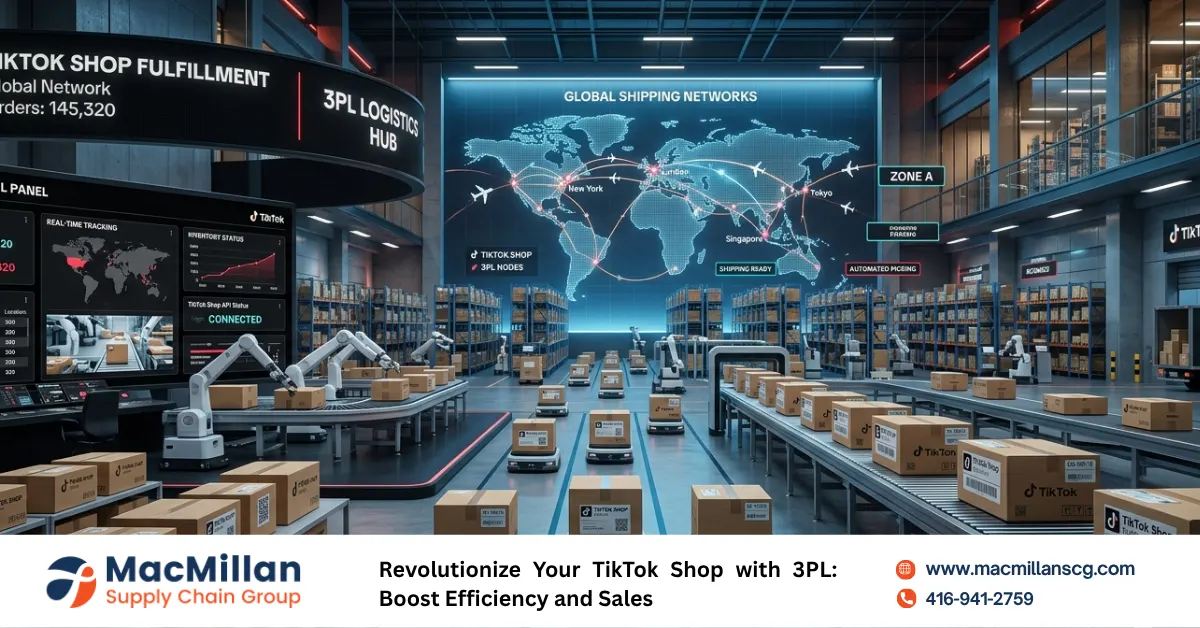
Our streamlined integration process typically takes 2-4 weeks, depending on the complexity of your shop. We'll work closely with you to ensure a smooth transition without disrupting your operations.

Yes. MacMillan is built for scalability and can efficiently handle seasonal spikes such as Black Friday, holiday sales, or viral TikTok product surges. Our automated fulfillment systems, flexible warehouse capacity, and trained workforce ensure that high order volumes are processed quickly without delays or errors.

MacMillan uses a real-time inventory management system integrated directly with your TikTok shop through API connectivity. This ensures that stock levels are automatically updated after every sale, return, or restock, reducing overselling, stockouts, and manual errors.

We provide a streamlined returns management process that includes product inspection, restocking, and inventory updates. Returned items are quickly processed and synced back into your TikTok shop system, ensuring a smooth customer experience and efficient reverse logistics.

Yes. MacMillan offers flexible custom packaging solutions including branded boxes, inserts, kitting, and unboxing experiences. This helps TikTok shop owners improve brand identity and customer satisfaction while maintaining efficient fulfillment operations.

Absolutely. MacMillan supports cross-border logistics with end-to-end international shipping solutions, including customs documentation, duties handling, and global carrier coordination. This allows TikTok shop owners to expand into international markets smoothly.


Leave a Reply

Your email address will not be published. Required fields are marked *