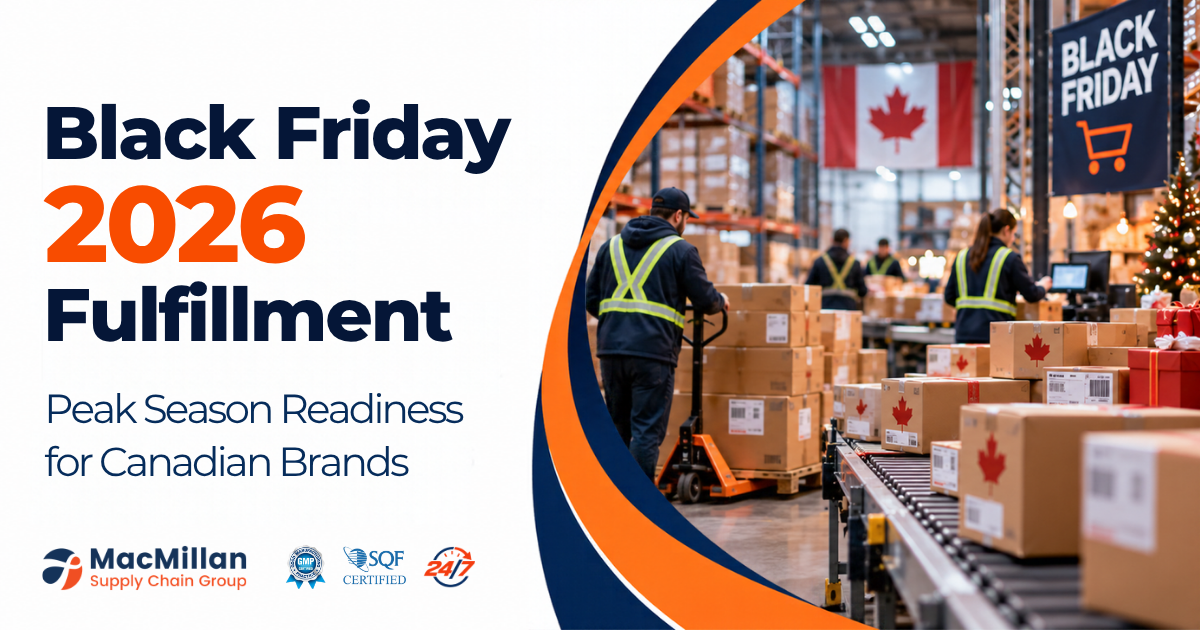
Black Friday Fulfillment Canada: 2026 Peak Season Guide
Black Friday Fulfillment Canada: How E-commerce Brands Can Prepare for…
Black Friday Fulfillment Canada: How E-commerce Brands Can Prepare for…
When discussing e-commerce, what typically springs to mind? Most likely,…
As the busiest time of the year draws near, the…
As the busiest time of the year draws near, the…
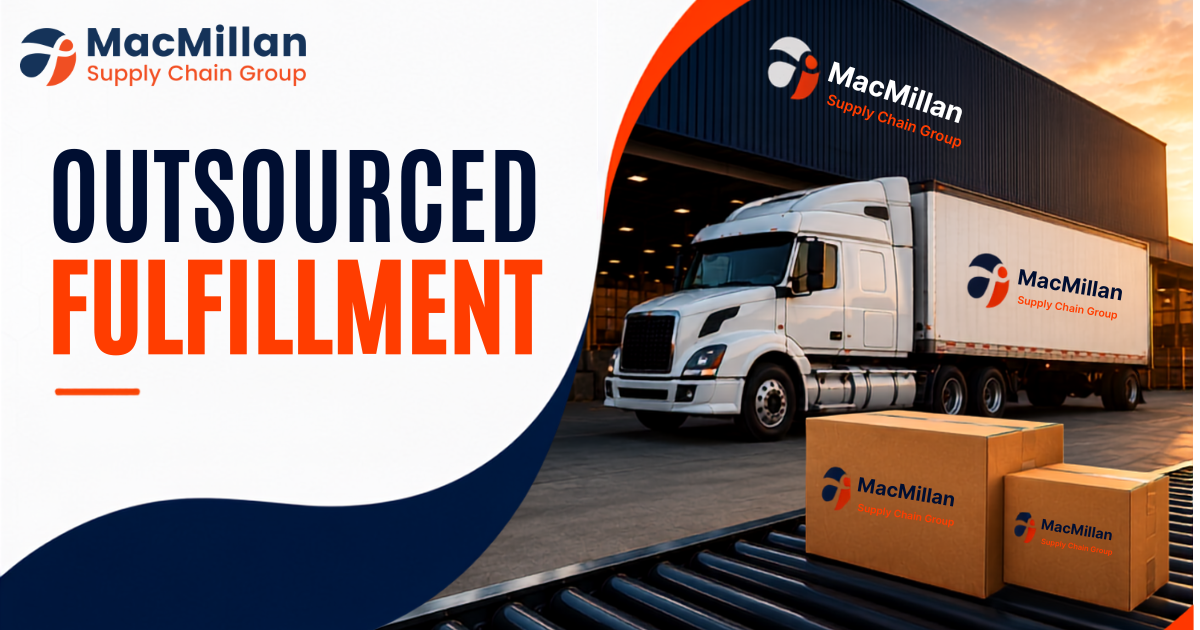
Outsourced fulfillment involves hiring a third-party logistics provider to manage inventory, order processing, packaging, and shipping, allowing businesses to focus on their core activities. This approach streamlines the supply chain and supports scalability, particularly beneficial for small and medium-sized businesses facing demand spikes.
Partnering with a 3PL offers several advantages, including access to specialized expertise, advanced technology, and established supply chain relationships, all contributing to cost savings and improved customer service. Businesses can customize fulfillment services to their needs, reducing investment in infrastructure and technology. Overall, outsourced fulfillment helps companies optimize logistics, cut costs, and concentrate on growth and customer satisfaction.
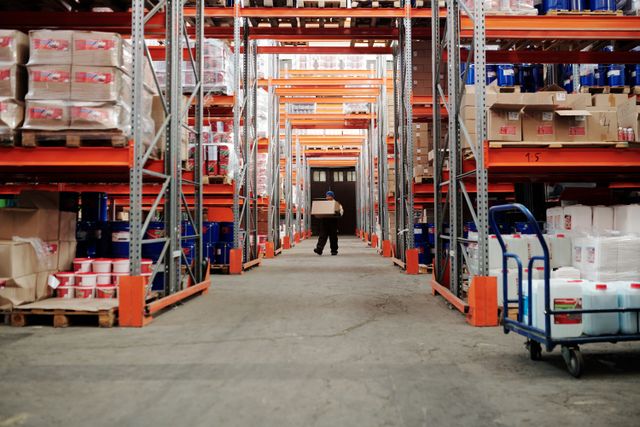
Outsourced fulfillment involves several key components that ensure efficient order processing:
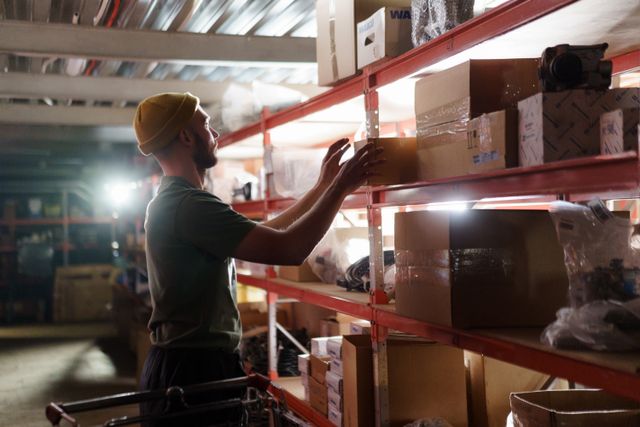
Outsourcing fulfillment to a skilled 3PL allows businesses to focus on their core functions while benefiting from expert management of these crucial components, leading to improved efficiency and customer satisfaction.
Outsourcing fulfillment to a 3PL offers several key advantages
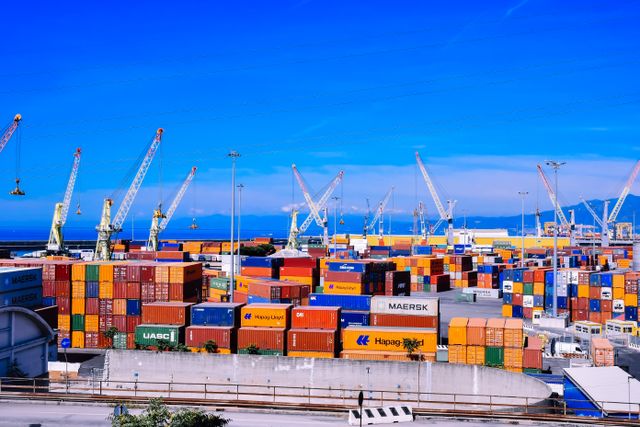
While outsourcing fulfillment offers many advantages, businesses should be mindful of potential challenges. One key concern is the loss of direct control over fulfillment processes, making it crucial to select a reliable and transparent 3PL. Data security is another significant consideration; sharing sensitive customer and inventory information requires partnering with a 3PL that implements robust security measures. Additionally, effective communication and coordination are essential for successful outsourcing, necessitating regular updates and clear communication channels to ensure smooth operations.
When choosing between in-house fulfillment and outsourcing to a 3PL, several key factors should be evaluated:
For a successful outsourcing experience, businesses should adhere to the following best practices:
Outsourced fulfillment offers significant advantages, including specialized expertise, cost savings, scalability, and the ability to concentrate on core business activities. However, businesses must also address potential challenges, such as diminished control, data security concerns, and the need for effective communication.
When deciding between in-house fulfillment and outsourcing, it’s important to consider factors like order volume, product specifics, and market reach. Adhering to best practices, such as conducting comprehensive research, setting clear expectations, and maintaining transparency, will help businesses effectively manage their outsourced fulfillment operations and enhance their overall logistics efficiency.