
Black Friday Fulfillment Canada: 2026 Peak Season Guide
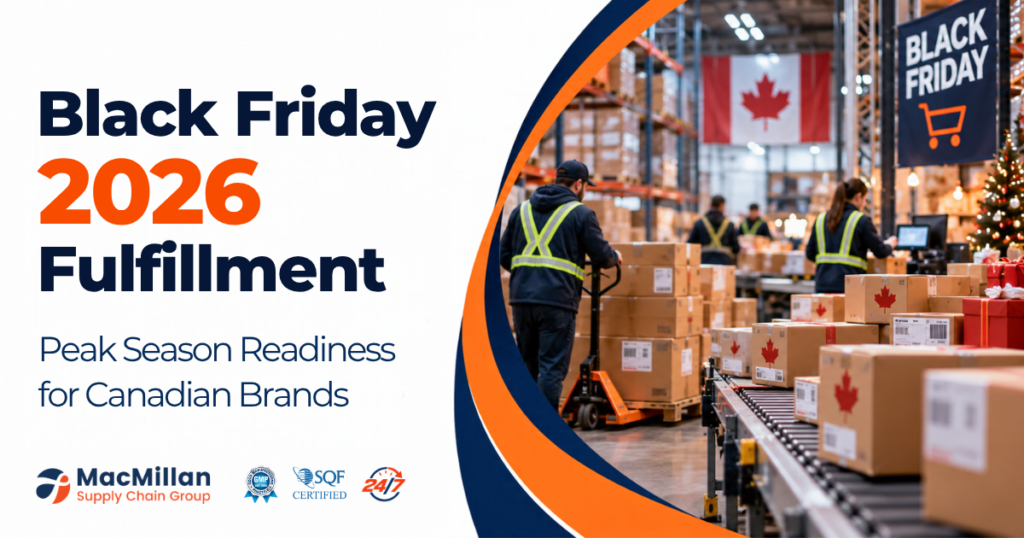
Black Friday Fulfillment Canada: How E-commerce Brands Can Prepare for…
Black Friday Fulfillment Canada: How E-commerce Brands Can Prepare for…
When discussing e-commerce, what typically springs to mind? Most likely,…
As the busiest time of the year draws near, the…
As the busiest time of the year draws near, the…
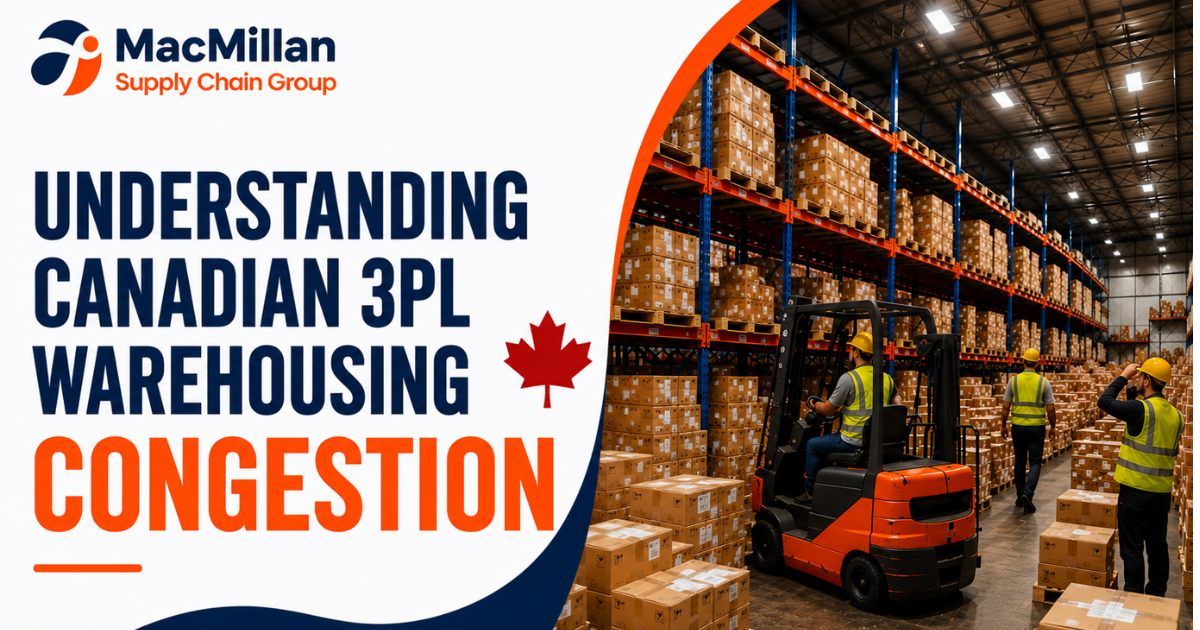
Navigating a crowded space is challenging, and this holds true for a cluttered Canadian 3PL warehousing where inventory management becomes a struggle. For a 3PL Warehouse, congestion can cause inefficiencies, safety issues, and fulfillment mistakes.
To ensure a safe and efficient operation, it’s crucial to prevent warehouse congestion. This article explores the causes of Canadian 3pl warehouse congestion, its impact on brands, and strategies for effective warehouse and inventory planning to reduce it.
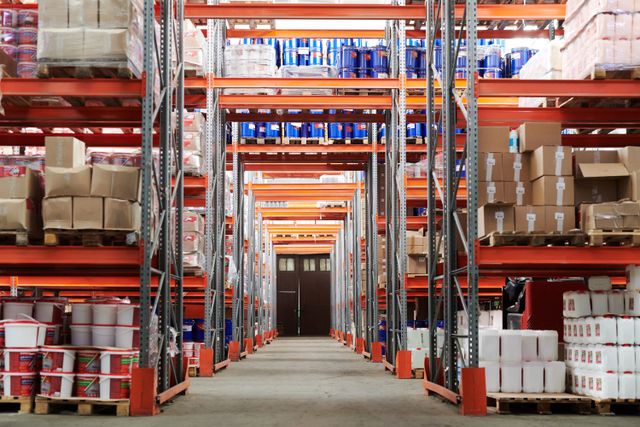
Warehouse congestion occurs when overcrowding, clutter, or excessive traffic obstructs movement and disrupts normal warehousing operations.
When navigating a congested warehouse becomes difficult, it impacts workers’ efficiency and can lead to:
Several factors can lead to a Canadian 3PL warehouse congestion, particularly for e-commerce brands. Here are some frequent causes:
What is the Impact on Businesses and the Logistics Market?
Warehouse congestion goes beyond being a mere inconvenience, it can be detrimental to business operations. Here are some key ways it affects e-commerce:
To tackle a Canadian 3PL warehouse congestion in today’s logistics market effectively, it’s crucial to implement strategies that enhance both layout and processes. Here’s how you can manage and reduce congestion in your warehouse:
Consider employing a slotting strategy that aligns with your business needs. Organize inventory by size, weight, or other relevant criteria, or use dynamic slotting for high-turnover products. Enhance space utilization with advanced storage solutions like vertical carousels, which capitalize on vertical space.

By optimizing layout, refining processes, and harnessing technology, you can effectively manage and reduce warehouse congestion, leading to smoother operations and better overall efficiency.
Technological tools such as RFID tags and barcode scanners are essential for effective inventory management. Scanning SKU barcodes and storage location tags during picking and packing helps update stock counts in real-time, keeping your inventory and storage well-organized.
Warehouse management systems are crucial for mitigating warehouse congestion. A robust WMS enhances visibility and control over warehouse operations. For example, MacMillan SCG WMS offers several key benefits:

These features enable you to identify and address inefficiencies proactively, preventing them from escalating into significant congestion issues.
Addressing congestion in Canadian 3PL warehouses is essential for maintaining operational efficiency, safety, and customer satisfaction. Overcrowded spaces not only impede workflow but also increase the risk of errors and safety hazards, which can lead to delayed shipments and elevated costs. By implementing effective strategies such as optimizing warehouse layouts, streamlining processes, and leveraging advanced technology, businesses can significantly reduce congestion.
Solutions like real-time inventory management, efficient picking methods, and robust warehouse management systems play a critical role in enhancing operational efficiency and mitigating the adverse impacts of congestion. As the logistics landscape continues to evolve, proactive management of warehouse congestion will be key to ensuring seamless operations and sustaining customer trust in an increasingly competitive market.