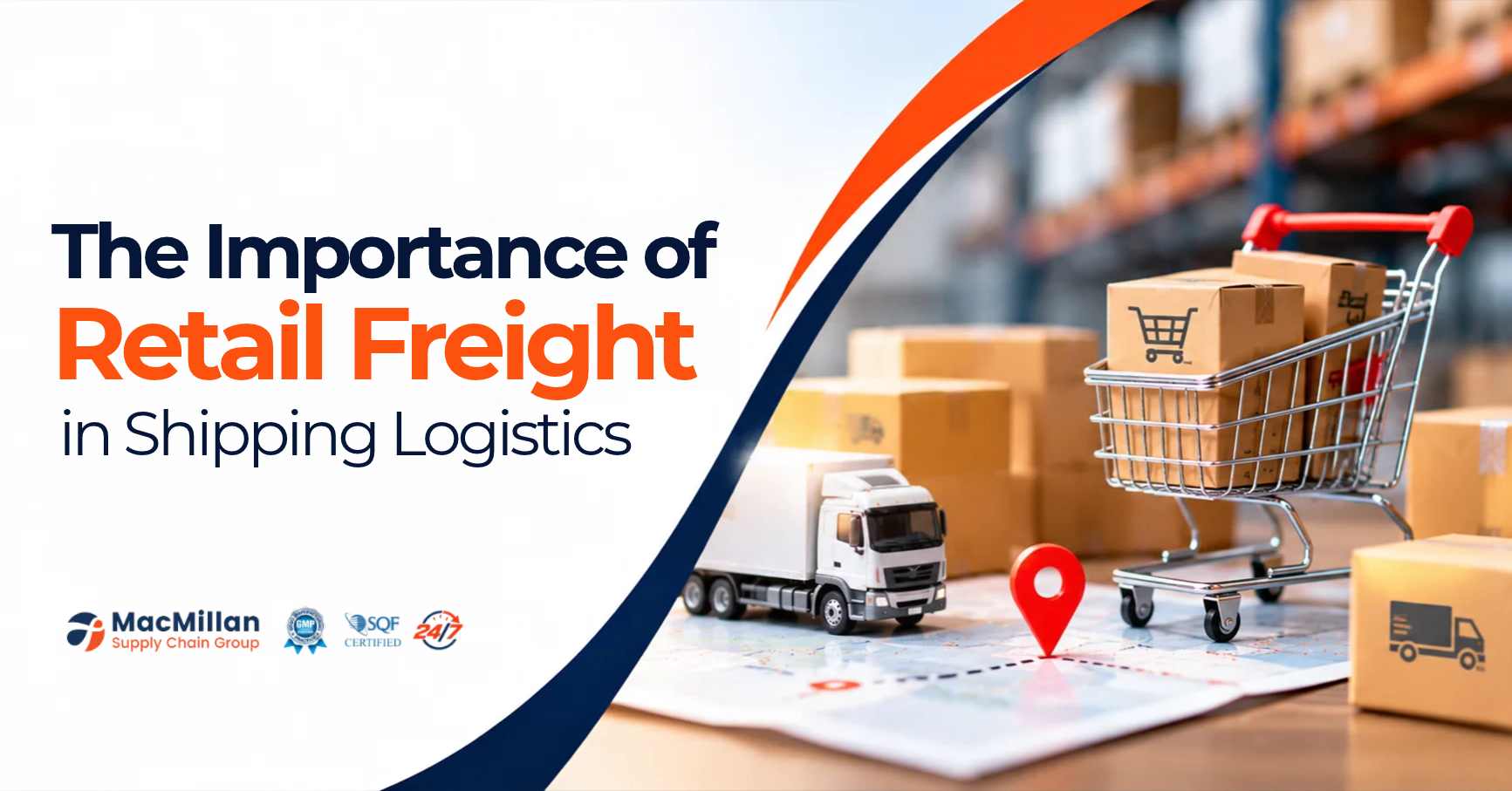
The Importance of Retail Freight in Shipping Logistics
Global supply chains have been affected by the pandemic in…
Global supply chains have been affected by the pandemic in…
Gaining a competitive advantage among other businesses takes time and…
Toronto is a business hub where many industry leaders and…
Toronto is a gateway for e-commerce businesses to emerge into…
Global supply chains have been affected by the pandemic in recent years, causing retail shipping to take a hit. Efficiently transporting goods within a short delivery windows and at lower prices has become one of the biggest challenges that online retailers face. Still, retail freight is an important part of every business, and effective logistics management can help business owner lower their transportation costs.
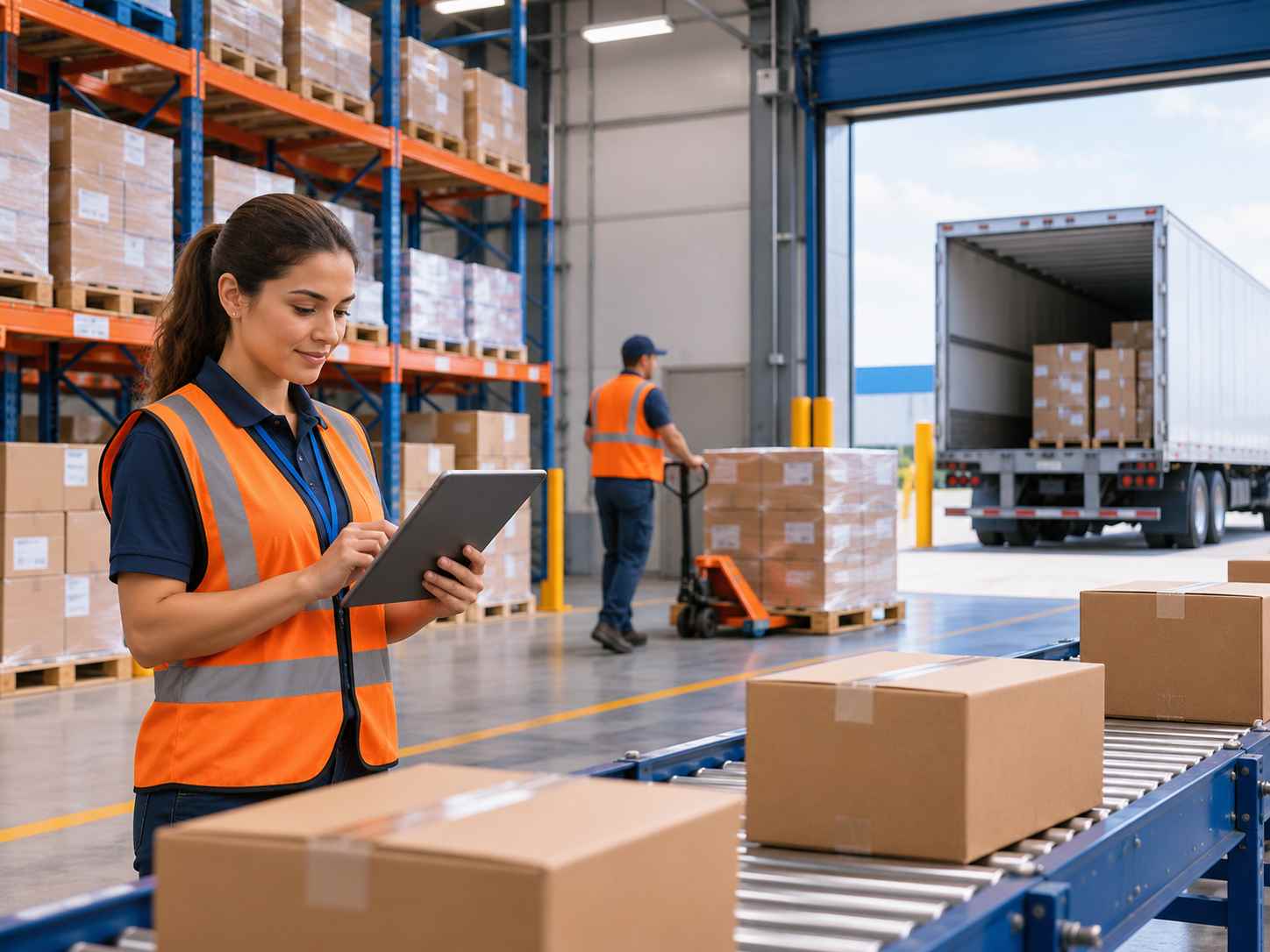
There are several advantages that retail freight and shipping logistics can have on a business.
The efficiency of a supply chain can make or break a business. Focusing on logistics allows business owners to oversee the supply chain, from production and storage at the distribution centres to delivery of the orders to the end customer.
A smooth supply chain is important especially during the holiday season. Retail sales tend to increase, making an efficient logistics and freight management system a crucial component.
When the shipment and delivery of products is carefully planned, such as when best routes and carriers are narrowed down, retailers can reduce transportation time and deliver products faster. Having a retail freight strategy in place is good for customer satisfaction and retention.
Most of the time, consumers abandon their online shopping cart if delivery times are too long. This is why having efficient retail logistics and freight management can be beneficial for you. It’s also essential to get products delivered at retail locations at the right time.
A proper logistics system isn’t just important for business growth but also for lowering costs. A well-managed supply chain should be efficient and focused on cost-savings. Working with a 3PL professional is better for retail fulfillment because you will get all the benefits of transportation in supply chain management without worrying about handling logistics.
A 3PL will save you the money you could have spent on extra warehousing space, staff, and carriers. You’ll also be able to track your inventory and have real-time data as logistics service providers make use of innovative technology to manage every step of the supply chain. If you are looking for logistics companies in Ontario, the MacMillan Supply Chain Group is here for you. We provide complete shipping solutions and can help improve your bottom line.
Air freight is the shipment of cargo via air. This mode of transporting goods has several benefits. It is ideal for perishable or sensitive goods that require fast delivery.
However, air freight is more costly compared to other modes of transportation. You also have to be careful with the size, type, and weight of the items you want to ship because if your goods don’t fall within the air cargo criteria, you may not be able to ship them.
Truck freight is one of the most widely used methods of cargo transportation. The retail industry uses different types and sizes of trucks to carry items with different requirements. There are refrigerated trucks available for perishable goods and frozen items. Similarly, different trucks are designed to carry items such as construction goods and automobiles.
You can choose between truck-load services or less-than-truckload services. The benefit of less-than-truckload over the former option is that you don’t have to pay for an entire truckload to carry items that don’t reach the maximum capacity. Instead, your products, along with goods from other businesses, will combine to form a truckload. This is a cost-effective option for you and your carrier.
Marine transportation is a good option for businesses that ship their goods internationally. From a cost standpoint, it is better than air freight since it is relatively inexpensive.
The downside is that this mode can take longer than air freight since ships move slower. You may also have to pay more if your warehouse isn’t close to the port. The costs of transporting cargo from the distribution centre to the port is typicallly high.
Research in the Communications in Computer and Information Science explains intermodal transportation as a mode of transportation that consists of two or more modes of transportation to get cargo to its destination. It is best for goods that aren’t perishable and can stay in optimal condition for a long time. It is a safe method since the cargo is scanned every time it’s loaded, which also gives the retailer better end visibility.
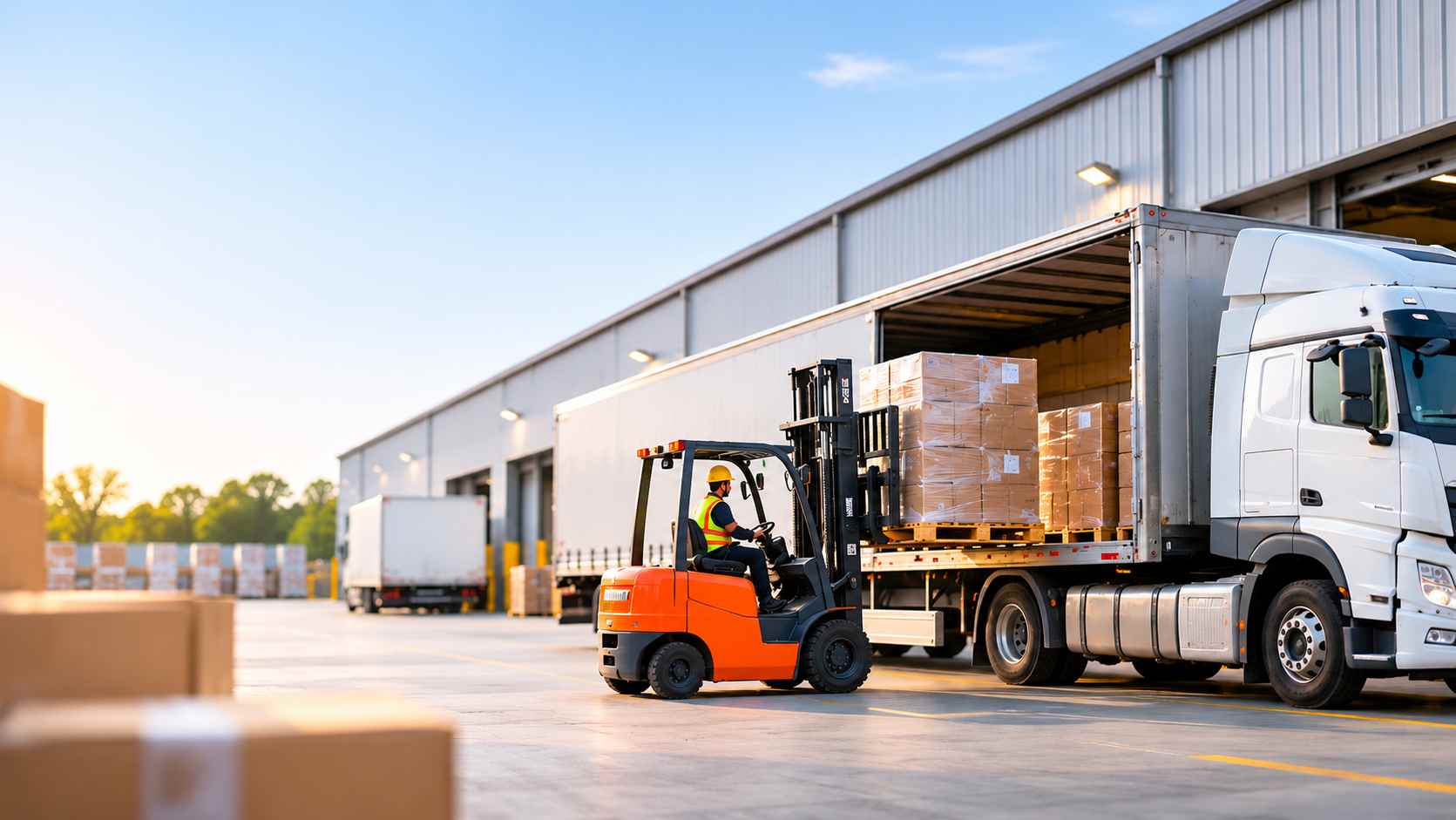
Are you looking for logistics services in the Greater Toronto Area? At the MacMillan Supply Chain Group we have expert teams that can provide innovative supply chain solutions and fulfill all your shipping needs. Whether you want to ship across Canada, or to North America, our services will improve your supply chain efficiency and deliver your goods to the final destination so you can keep your customers satisfied.