
Emerging Growth of A.I In Supply Chain Management
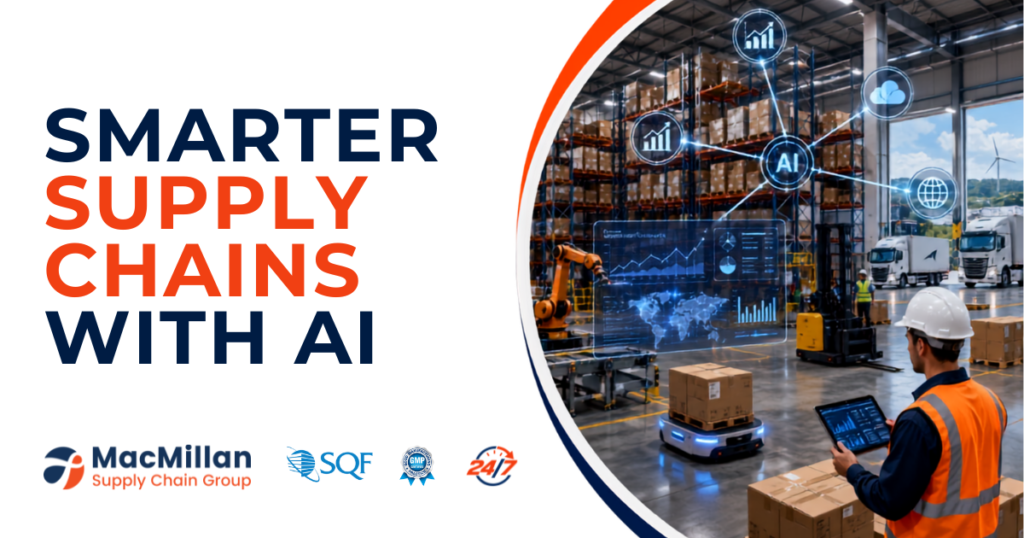
In recent years, supply chains have become more complex and demanding to manage. This is prompted by factors such as the ever changing and fast paced global market, longer and more interconnected physical flows, and recent focus on incorporating sustainability. These factors highlight the need for agility, flexibility, and resilience in supply chain management. As a result, artificial intelligence (AI) has come up as a formidable tool to revolutionize supply chain operations. Thus, the use of AI promises to transform the industry. The Role of AI in Modern Supply Chains AI’s main function is its ability to analyze vast amounts of data, recognize patterns, and provide actionable insights. Since supply chain management needs to have timely and accurate information for decision-making, AI is a very compatible tool to adopt. MacMillan SCG uses AI-based solutions which are revolutionizing several facets in its logistics operations such as demand forecasting, integrated inventory management systems and warehouse management systems (WMS), route optimization and risk mitigation. Demand Forecasting and Inventory Management Precise demand forecasting is crucial for enhancing inventory levels and minimizing stockouts or overstock situations. AI algorithms can analyze historical sales data, market trends, and other variables to generate accurate demand forecasts. As an example, retailers like Walmart and Amazon employ AI to estimate and predict product demand and use that information to guarantee optimal inventory levels which in turn keeps customer satisfaction high. AI-driven inventory management systems can also generate optimized replenishment plan based on real-time demand signals, supplier lead times and inventory levels, decreasing carrying costs and refining fulfillment accuracy. Route Optimization and Transportation Management The usage of AI can decrease transportation costs and improve delivery efficiency, as AI can rapidly optimize transportation routes based on traffic conditions, weather forecasts and delivery deadlines. Generate AI algorithms are one step further as they can autonomously offer alternatives for complex routing problems, prioritizing timely and cost-effective deliveries. MacMillan caters for efficient on time delivery by using automated routes with order tracking options for its customers. Enhancing Supply Chain Resilience with AI In a post-pandemic world, the vulnerabilities in the global supply chain are increasingly obvious. Therefore, companies have opted to prioritize resilience. AI plays a vital role in this as it increases visibility into supply chain operation and aids proactive risk management. Predictive Analytics: AI can analyze historical data to predict demand fluctuations and potential disruptions. Real-Time Monitoring: AI-driven systems provide real-time visibility into supply chain operations, helping to identify and address issues promptly. Inventory Optimization: AI algorithms optimize inventory levels, reducing the risk of stockouts and overstocking. Automated Decision-Making: AI supports automated decision-making, improving response times and operational efficiency. Supplier Risk Management: AI assesses supplier risks by analyzing data from various sources, enabling proactive risk mitigation. Demand Forecasting: AI enhances the accuracy of demand forecasts, leading to better planning and resource allocation. Supply Chain Mapping: AI maps complex supply chains, identifying critical nodes and potential vulnerabilities. Cost Reduction: By optimizing routes and processes, AI helps in reducing transportation and operational costs. Sustainability: AI promotes sustainable practices by optimizing resource usage and reducing waste. These points highlight how AI can be leveraged to enhance the resilience and efficiency of supply chains. Supply Chain Visibility and Risk Management With the use of AI tools, firms such as MacMillan can achieve end-to-end visibility. This facilitates easier monitoring of inventory levels, shipment tracking, and a faster response time to disruptions. For example, AI algorithms can analyze supplier performance data and market conditions to pinpoint possible risks and suggest alternative suppliers or contingency plans. This ability is critical for reducing the impact of disruptions such as natural disasters, geopolitical events, or pandemics. Sustainability and Ethical Sourcing Recently, more and more companies are beginning to take sustainability as a priority and AI can aid supply chains to minimize the environmental impact. AI tools such as scenario analysis can identify ways to reduce carbon emissions, minimize waste and encourage ethical sourcing practices. For instance, the combination of AI with blockchain technology helps to increase the transparency of a product’s origins and its supply chain management strategies. This aids compliance with regulations and improves customer loyalty. Read more about the key tips for greener logistics. Real-World Applications and Benefits The real-world applications of AI in supply chain management are vast and substantial. Companies that employ AI solutions report notable improvements in logistics costs, inventory levels and service levels. Challenges and Considerations While the benefits of AI in supply chain management are plenty, some considerations still need to be made. There may be issues such as data availability, technical expertise and the costs associated with AI adoption. Moreover, to successfully integrate AI into operations, organizational changes, process updates and workforce upskilling are required to truly see the estimated return on investment. The Future of AI in Supply Chain Management As AI technologies continue to progress and they become more integrated into everyday life, their impact on supply chain management will also increase. Predictive analysis, machine learning and automation will have more significant roles in shaping supply chain processes. Future advancements may include AI-powered robots for warehousing and logistics, virtual assistant for customer services and autonomous vehicles for transportation. AI showcases a great promise for changing supply chain management, enhancing efficiency, resilience and sustainability, Companies that strategically adopt and integrate AI tools and solutions will be well equipped to deal with the complexities of modern supply chain and gain a competitive edge in the marketplace. Key Takeaways Artificial intelligence (AI) has emerged as a powerful tool, revolutionizing supply chain operations. By leveraging AI, companies like MacMillan SCG are enhancing demand forecasting, inventory management, route optimization, and risk mitigation. AI’s ability to analyze vast amounts of data and provide actionable insights makes it indispensable for modern supply chains. Adopting AI not only ensures efficiency and resilience but also promotes sustainability, giving businesses a competitive edge in today’s dynamic market. Frequently Asked Questions What is AI in supply chain management? AI in supply chain management uses artificial intelligence and machine learning to
Optimizing E-commerce Warehouse Costs: Boost profit
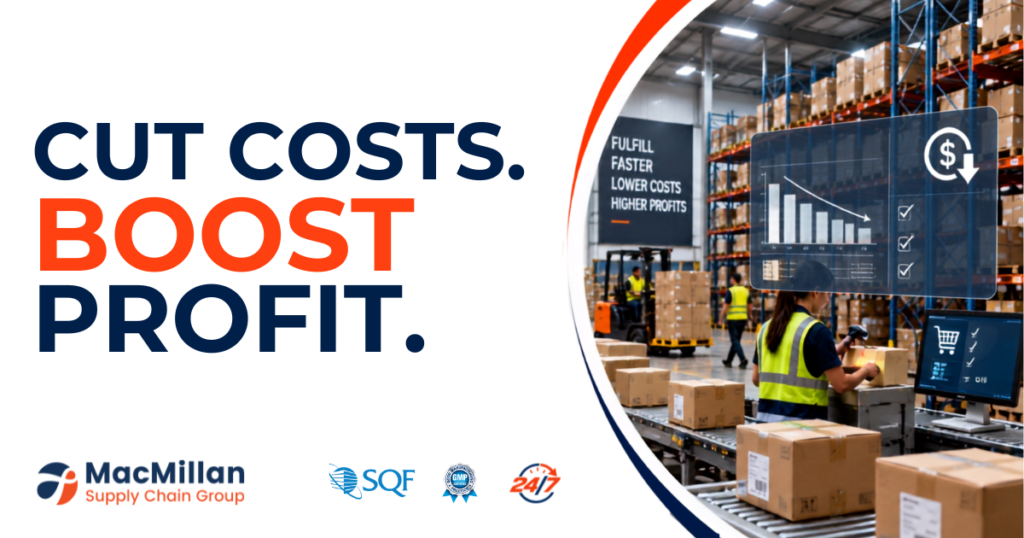
Warehousing is a significant expense. Maintaining a 3pl warehouse constitutes a portion of your overall ecommerce operational costs. Whether you’re renting or purchasing a warehouse, these expenses must be carefully considered. Optimizing your ecommerce warehouse costs is essential for boosting profitability, though it can be a challenging endeavor. To assist you, we’ve created this comprehensive guide to provide an understanding of the various 3pl warehouse costs, the methods used to calculate transparent warehouse pricing, and to help you determine whether buying or renting is the better option for your business. Furthermore, discovering strategies MacMillan uses to optimize your warehouse expenses, so they don’t erode your revenue. What factors contribute to increased 3pl warehouse cost? warehouse costs include a combination of fixed and variable expenses, which fluctuate monthly. A comprehensive understanding of the costs involved is crucial for effective logistics. Let’s delve into the main components of a 3pl warehouse costs: Rent Rent constitutes a significant portion of your warehouse expenses if you’re leasing space. It’s typically calculated based on square footage, meaning costs will vary depending on the total storage area utilized. Some 3pl warehouses also charge based on the number of items stored in the facility. Utilities Utilities such as electricity, heating/cooling, water, internet, and waste disposal are integral to 3pl warehouse operations. These costs are variable, fluctuating based on usage. For instance, heating costs may rise during winter, while electricity expenses might spike during peak seasons like the holidays when the warehouse operates overtime to meet increased demand. Labor Costs A substantial portion of warehouse operational expenses are attributed to labor. This includes wages for staff involved in various processes such as picking, packing, management, and equipment operation. Equipment Costs Equipment costs cover the purchase, rental, and maintenance of warehouse machinery. This includes forklifts, conveyor belts, pallet jacks, Automated Storage and Retrieval Systems, automated guided vehicles, and other essential equipment. Technology pricing Modern warehouses rely on technology like Warehouse Management Systems (WMS) and Inventory Management Systems providing system integration to streamline operations. MacMillan uses the latest tech-driven operations to provide real-time visibility. Order Fulfillment Costs Order fulfillment is another contributor to 3pl warehouse costs. This includes expenses for packaging materials and shipping. If you offer customized unboxing experiences, such as custom packaging, these additional charges fall under fulfillment costs. Insurance and Taxes Insurance is necessary to protect warehouses against damage, injury, or theft, with costs varying based on the types and values of goods stored. How to calculate 3pl warehousing cost? Calculating warehouse pricing involves several factors, including the chosen pricing structure and whether you opt to buy or rent the space. Fixed warehouse pricing structure Fixed variable pricing is the most popular model, where a business rents, leases, or purchases a fixed warehouse space. For rentals, a fixed monthly fee is paid for using the space, regardless of whether the full capacity is utilized. This fee is typically calculated per square foot, based on the total square footage and the cost per square foot. You can use the following formula to calculate this type of warehouse pricing: (Total rental space x Rental cost per square foot) + Operating costs = Monthly warehouse cost Depending on the type of warehouse, you may incur additional expenses for value-added services like kitting, assembly, and fulfillment. Fulfillment providers often offer these services along with distributed 3pl warehousing, allowing you to outsource the entire operation and avoid overhead costs. Another common pricing model in on-demand warehousing is the unit rates model, where charges are based on the number of transactions or units. This model may involve fixed fees per unit, pallet, transaction, or shipment. For instance, at $7 per pallet per month for 1,000 pallets, the total monthly 3pl billing cost would be $7,000. Renting VS Buying Purchasing a warehouse requires a significant initial investment, it can lead to long-term savings on monthly expenses. On the other hand, renting involves a lower initial outlay, making it ideal for smaller operations and businesses with tighter budgets. Factors involved in buying a warehouse Property Cost: (ranges between $625,000 and $750,000 for a 5,000 square foot space) Maintenance Costs: Includes setup, repairs, and ongoing upkeep Applicable Taxes Factors involved in Renting a warehouse Rental Cost: Around $8.84 per square foot in the United States, subject to increases Applicable Taxes Whether you buy or rent, you’ll still need to manage your own 3pl warehouse and fulfillment, which includes accounting for CAM charges, expenses not covered by rent or property cost. How to optimize your 3pl warehouse cost to boost profitability? Warehouse expenses significantly influence your total inventory costs and bottom line, making it crucial to optimize these costs for increased profitability. Optimize Space Utilization Maximize the use of your existing warehouse space to store more inventory with less expenditure. Improve your layout and storage systems, such as replacing racks with AS/AR systems, to better utilize vertical space and fit more inventory. Avoid Overstocking/ Seasonal fluctuation Excess inventory ties up capital and increases holding costs. MacMillan prevents overstocking by accurately forecasting demand and strategically planning procurement to align with these predictions. Improve Inventory Flow Ensure a smooth flow of goods through the warehouse to avoid bottlenecks. Arrange your space logically, placing fast-moving items near shipping docks for quicker access and turnover. Enhance Operational Efficiency Reduce overhead expenses by improving operational efficiency. Invest in automation technology and tools, such as warehouse management software and robotics, to streamline tasks and minimize labor and utility costs. Consider Outsourcing Fulfillment Outsource storage and fulfillment to 3PL warehouse providers to avoid the high costs of buying or renting warehouse space and running operations in-house. Macmillan’s approach to 3pl warehousing? Fortunately, MacMillan offers comprehensive solutions to support these strategies with its world-class warehouse management software and 3pl services. You can also adopt a hybrid approach, while MacMillan alleviates your workload and helps you reduce warehousing expenses. Outsourcing fulfillment and warehousing to MacMillan MacMillan outsourced fulfillment solution relieves you from the burdens of renting and managing your own warehouse. By keeping your inventory
Top 3PL & Logistics Companies in Canada 2026
The top 3PL and logistics companies in Canada in 2026 include providers ranging from specialized Canadian fulfillment partners to large national and global supply chain networks. MacMillan Supply Chain Group, Metro Supply Chain, Canada Cartage, DHL Supply Chain, SHIPHYPE, AMZ Prep, GoBolt and Shipfusion each serve different logistics needs, from FMCG and retail distribution to ecommerce fulfillment and enterprise contract logistics. There is no single “best” 3PL for every Canadian business. A company shipping thousands of retail cases has very different requirements from a Shopify brand processing individual consumer orders. The right provider depends on inventory profile, sales channels, geographic coverage, technology, compliance requirements and the amount of operational flexibility the business needs. This comparison focuses on where each provider may fit rather than treating company size or brand recognition as an automatic measure of service quality. What Does a 3PL Company Do? A third-party logistics provider manages some or all of a company’s logistics operations. Services can include receiving, storage, inventory management, order fulfillment, transportation, returns and value-added work such as kitting or relabelling. Some 3PLs specialize primarily in ecommerce fulfillment. Others manage complex retail distribution, dedicated warehouses, freight transportation and national supply chain programs. Businesses often outsource logistics when internal fulfillment becomes difficult to scale, warehouse costs become too high or customers require faster and more reliable delivery. For companies evaluating outsourcing for the first time, this guide to outsourcing fulfillment to a 3PL explains the operational benefits and questions to consider before making the transition. Top 3PL and Logistics Companies in Canada in 2026 Company Best Fit Key Capabilities MacMillan Supply Chain Group FMCG, retail and omnichannel brands Warehousing, fulfillment, transportation, compliance and value-added services Metro Supply Chain Large national and enterprise operations Warehousing, fulfillment, automation, transportation and last mile Canada Cartage Transportation-led national distribution Dedicated fleet, warehousing, fulfillment and freight DHL Supply Chain Large enterprises and complex contract logistics Dedicated/shared warehousing, fulfillment, automation and supply chain management SHIPHYPE Ecommerce and DTC brands Pick and pack, ecommerce fulfillment and warehousing AMZ Prep Amazon and marketplace sellers FBA preparation, ecommerce fulfillment and marketplace logistics GoBolt Ecommerce brands focused on delivery experience Fulfillment and last-mile logistics Shipfusion Growing ecommerce businesses Warehousing, pick and pack and ecommerce fulfillment 1. MacMillan Supply Chain Group Best suited for: FMCG, consumer goods, retail and omnichannel brands requiring flexible Canadian logistics support. MacMillan Supply Chain Group is a Canadian 3PL providing warehousing, fulfillment, transportation and value-added logistics services. Its operation is particularly relevant to fast-moving consumer goods businesses that need to serve retail, wholesale and ecommerce channels from connected inventory. MacMillan reports more than 300,000 square feet of racked and bulk warehouse space and provides shared and dedicated warehousing options. Its services include inventory management, retail compliance preparation, ecommerce order fulfillment, transportation coordination, container destuffing, kitting and packaging. For FMCG brands, the ability to combine storage with retail preparation can be important. A shipment for a major retailer may require different labels, pallet configurations and documentation from a direct-to-consumer order. Businesses needing these connected services can explore MacMillan’s warehousing and distribution solutions and ecommerce order fulfillment services. MacMillan may be particularly relevant for brands that want a Canadian partner capable of adapting workflows around retailer rules, product categories and promotional programs rather than relying only on standardized fulfillment processes. 2. Metro Supply Chain Best suited for: Enterprise brands requiring large-scale national distribution and sophisticated automation. Metro Supply Chain is one of Canada’s largest supply chain companies. The company reports approximately 22.5 million square feet of warehousing across more than 190 sites spanning multiple countries. Its Canadian operations include facilities serving major markets such as Toronto, Montreal, Vancouver, Calgary, Edmonton and Winnipeg. Services include warehousing, ecommerce fulfillment, B2B distribution, transportation, reverse logistics and value-added operations. Metro also places a strong emphasis on automation, robotics and business intelligence. This scale makes Metro a logical company to evaluate for organizations with complex distribution networks, large inventory volumes or national requirements. Smaller brands should still determine whether the operating model, commercial structure and account requirements are appropriate for their size. 3. Canada Cartage Best suited for: Businesses requiring warehousing alongside a strong transportation network. Canada Cartage has a long-established presence in Canadian transportation and logistics. Its network includes warehouse and fulfillment facilities in markets such as Brampton, Mississauga, Calgary, Edmonton, Vancouver, Winnipeg, Regina and Saskatoon. The company can be attractive to businesses where transportation is a major part of the logistics equation. Rather than treating warehousing and freight as completely separate activities, an integrated provider can coordinate inventory movement with outbound transportation. This can be particularly valuable for manufacturers, retailers and distributors shipping palletized freight or replenishing customers across multiple Canadian regions. When comparing a transportation-focused 3PL, businesses should examine shipment visibility, carrier options, delivery performance and how warehouse orders move into the transportation network. 4. DHL Supply Chain Best suited for: Large enterprises requiring sophisticated contract logistics and global capabilities. DHL Supply Chain operates at a different scale from many regional Canadian fulfillment businesses. Its warehousing solutions include dedicated and shared operations, inventory management, ecommerce fulfillment, cross-docking, packaging and returns management. DHL also invests heavily in automation and digital warehouse technology. Its enterprise model can suit companies operating complex supply chains across several countries or requiring highly structured contract logistics. Large manufacturers, healthcare companies, retailers and multinational consumer brands may benefit from this depth of infrastructure. However, a global enterprise 3PL is not automatically the best choice for a smaller Canadian company. The level of customization, minimum volumes, implementation complexity and account structure should all be evaluated before making a decision. 5. SHIPHYPE Fulfillment Best suited for: Ecommerce, direct-to-consumer and growing online brands. SHIPHYPE is a fulfillment-focused 3PL serving ecommerce businesses in Canada and the United States. It appears prominently in several current Canadian 3PL directories and specializes in warehousing, pick-and-pack fulfillment and shipping for online brands. The company may appeal to Shopify and DTC businesses looking for a fulfillment partner built around parcel orders rather than traditional pallet distribution. When considering an ecommerce-focused provider, brands
How is E-Commerce Transforming Supply Chain Management?
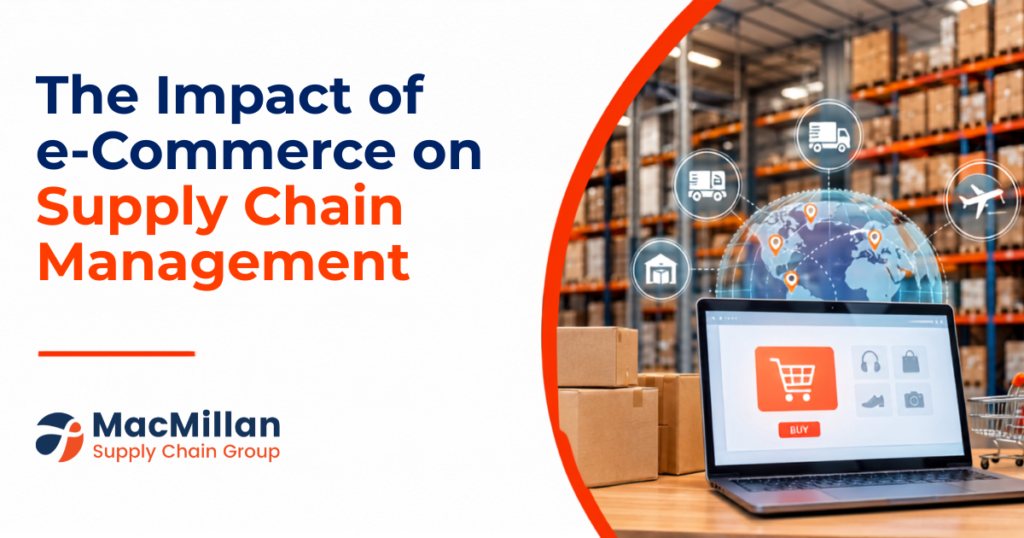
In recent years, the landscape of commerce has experienced a shift with the advent of e-commerce, changing business operations. This transformation is particularly pronounced in supply chain management. As online shopping demand continues to grow, supply chains have been forced to adapt and evolve to meet the demands of this new era. In this article, we will explore the significant impact of e-commerce on supply chain management, highlighting the key changes and strategies that have emerged in response. The Evolution of Supply Chains Traditionally, supply chains were structured to move goods from manufacturers to physical retail stores on a predictable schedule, with inventory levels managed based on historical sales data. However, the rapid growth of e-commerce has completely disrupted this model. Factors include: Increased Demand for Speed E-commerce customers expect fast delivery, prompting supply chains to become more agile and responsive. This shift has led to the rise of same-day and next-day delivery options, requiring more efficient inventory management and transportation logistics. Shift to Omnichannel Retailing E-commerce has blurred the lines between online and offline retail. Many businesses now operate in an omnichannel environment, where customers can purchase items online, in-store, or through a mobile app. This integration across various channels ensures consistency and accuracy in inventory levels and order fulfillment. Inventory Optimization With the ability to shop online 24/7, customers expect a wide selection of products. Supply chains must efficiently manage inventory to meet this demand without overstocking or understocking. Data analytics and demand forecasting have become essential tools in this process. MacMillan provides real-time visibility and demand forecasting trends to help you optimize operations. Last-Mile Delivery Challenges The last mile of delivery, from the distribution center to the customer’s doorstep, has become one of the most challenging aspects of supply chain management. E-commerce companies are exploring innovative solutions, including drone and autonomous vehicle deliveries, to address this challenge efficiently. Increased Traceability E-commerce has heightened the need for transparency in supply chains. Blockchain technology and other traceability solutions are being employed to provide this information. Sustainability and Environmental Concerns As e-commerce grows, so do concerns about its environmental impact. Supply chain management is increasingly focused on sustainability, with companies exploring greener transportation options and eco-friendly packaging. The Impact of e-Commerce on Logistics Online shopping platforms like Amazon and eBay have provided consumers with unprecedented convenience, allowing them to purchase everything from groceries to high-end electronics from the comfort of their homes. This shift in consumer behavior has demanded a significant transformation in logistics and supply chain operations. So, what exactly is the impact of e-Commerce on logistics? In essence, it triggers a chain reaction of changes across the entire supply chain. Let’s delve deeper into these transformative effects. Supply Chain in the Digital Age Unlike traditional marketing strategies, which relied heavily on physical stores and had limited reach, the digital era has revolutionized marketing approaches. Online advertisements, social media marketing, and personalized recommendations are now integral components of the e-commerce experience. E-commerce companies, driven by data analytics and AI, harness consumer data to offer tailor-made product recommendations and targeted marketing campaigns. This data-driven approach not only boosts sales but also streamlines logistics operations. MacMillan predicts consumer behavior and demand based on historical tracking and analysis to optimize their supply chains, leading to cost savings and increased efficiency. Moreover, e-commerce platforms have become marketing powerhouses, providing a platform for third-party sellers and creating a vast marketplace. Challenges in the Logistics Industry A strong online presence is equally critical to not only survive but to excel in this increasingly competitive digital realm. This is where digital marketing becomes the catalyst for success. Without a robust digital marketing strategy, even the most efficient logistics can fall short in the quest to capture and retain customers in the vast and dynamic world of eCommerce. Here are some challenges in supply chains: Complex Target Audience Identifying and reaching the right audience can be intricate in logistics, as customers may range from individual consumers to global corporations. Tailoring marketing efforts to each segment is demanding and requires a nuanced approach. Data Management The logistics sector generates vast amounts of data. If not efficiently managed, this data can lead to inefficiencies and missed opportunities for personalization and optimization. Effective data management is crucial for leveraging insights and improving operations. Competition and Visibility The digital landscape is saturated, making it challenging for logistics companies to stand out. Achieving online visibility amid fierce competition requires strategic and innovative digital marketing efforts. Trust and Reputation In logistics, trust is paramount. Building and maintaining a stellar online reputation is vital, as negative feedback or public relations issues can significantly impact business. Transparency and consistent performance are key to earning and keeping customer trust. Regulations and Compliance Navigating the complex web of regulations and compliance standards in the logistics industry while maintaining effective digital practices can be a considerable challenge. Companies like MacMillan ensure that their supply chain strategies are aligned with regulatory requirements to avoid legal pitfalls. Supply Chain and Logistics Services in the e-Commerce Era E-Commerce has not only transformed the retail landscape but also revolutionized supply chain and logistics services. Here’s how logistics has adapted to meet the demands of the digital age: Fulfillment Centers Adaptation: E-Commerce companies increasingly rely on third-party fulfillment centers for storage, order processing, and packaging, allowing them to focus on core business activities. Digital Marketing Role: Digital marketing can promote these centers by showcasing their efficiency and success stories through content marketing, blog posts, and case studies. Social media and PPC campaigns can target e-Commerce businesses in need of streamlined fulfillment solutions. Technology Integration: Adaptation: Cutting-edge technology, such as route optimization software and track-and-trace systems, drives efficiency and transparency in logistics. Digital Marketing Role: Highlight a logistics company’s tech integration by showcasing advanced systems through webinars, and SEO-optimized content. MacMillan provides real-time communication via email marketing and keeps clients updated on new technological advancements. Cross-Border Shipping Adaptation: Logistics providers offer efficient cross-border shipping solutions, simplifying international trade. Digital Marketing Role: Emphasize expertise
Top Canadian 3PL providers for small businesses
As a small business owner, you understand the significance of finding dependable partners to optimize your operations. One such essential partner is a third-party logistics provider. In this article, we will delve into the top 3PL providers for small businesses and highlight how they can enhance your operational efficiency. As a small business owner in Canada, you understand the importance of partnering with reliable 3PL providers to streamline your operations. How does a Canadian 3PL operate in today’s market? A Canadian 3PL operates by offering a range of services to manage and optimize various aspects of a small or large company’s supply chain. Here’s a breakdown of how a 3PL provider typically operates in the Canadian market and what services it provides: Warehousing and Storage: 3PL providers manage warehousing solutions, including inventory management, storage, and handling. Transportation and Distribution: 3PL providers handle the transportation of goods across Canada and internationally. They coordinate with carriers, manage shipping schedules, and ensure timely delivery. Order Fulfillment: Canadian 3PL providers manage the order fulfillment process, from receiving orders to picking, packing, and shipping products. Inventory Management: 3PL providers use sophisticated inventory management systems to keep track of stock levels, forecast demand, and optimize inventory turnover. Technology Integration: 3PL providers integrate their systems with their clients’ e-commerce platforms, ERP systems, WMS and other software. MacMillan offers seamless integration, which ensures real-time visibility into inventory levels, order status, and shipment tracking. Value-Added Services: Many 3PL providers offer additional services such as kitting, assembly, packaging, labeling, and returns management. Scalability and Flexibility: 3PL providers offer scalable solutions that can grow with a business. Cost Efficiency: By leveraging the expertise and infrastructure of 3PL providers, businesses can reduce operational costs. Top Canadian 3PL Companies for Small Businesses The best 3PL companies do more than just provide logistics services, they become strategic partners in your business’s growth. If you’re searching for a reliable Canadian 3PL provider, start by exploring these five companies: Ship Hero: Known for its comprehensive fulfillment solutions tailored to e-commerce businesses, Ship Hero offers inventory management, order fulfillment, and shipping services through a user-friendly dashboard. Ship Bob: Specializing in e-commerce fulfillment, Ship Bob boasts a robust network of warehouses and an easy-to-use platform, making it an excellent choice for small businesses aiming to scale. MacMillan: Operating throughout the GTA region and covering 80% of the western regions, MacMillan is ideal for small businesses looking to reach international markets. Their offerings include 3pl warehousing solutions, inventory management, and shipping. Red Stag Fulfillment: Focused on handling heavy, large, or high-value products, Red Stag Fulfillment provides specialized services such as same-day fulfillment, highly accurate order processing, and seamless integration with e-commerce platforms. Flexport: Renowned for its digital-first approach, Flexport offers freight forwarding, customs brokerage, and warehousing services. Their platform provides real-time tracking and analytics, giving small businesses transparency and control over their supply chains. When choosing a Canadian 3PL provider, consider factors like technology integration capabilities, scalability, cost-effectiveness, and expertise in your specific market. For businesses looking to expand their operations into Canada, seeking efficient logistics solutions, partnering with a 3PL that understands the local market is essential. Our overview of the best 3PL companies in Canada highlights providers that excel in offering tailored services to meet the diverse needs of businesses within and outside Canada. Benefits of Using a 3PL Provider for Small Businesses Now that you understand what a 3PL is and have identified some of the top providers, let’s explore how partnering with a 3PL can benefit small businesses: Cost Savings: Outsourcing logistics to a 3PL provider eliminates the need for costly investments in warehouses, transportation vehicles, and technology systems. Instead, small businesses can leverage the existing infrastructure and resources of the 3PL provider, sharing costs with other businesses. Expertise: Canadian 3PL providers are experts in supply chain management, transportation, warehousing, and distribution. By partnering with a 3PL provider like MacMillan, small businesses can tap into this expertise to streamline their logistics operations, optimize processes, and ensure efficient and timely delivery of products to customers. Scalability: Flexibility and scalability are crucial for small businesses, especially those with seasonal or unpredictable demand fluctuations (Read more about seasonal demands). 3PL providers have the resources and infrastructure to handle varying shipment volumes, whether during peak seasons or slow periods. Focus on Core Competencies: Outsourcing logistics to a 3PL provider frees up valuable time and resources, allowing small businesses to redirect their focus toward activities that directly contribute to growth and success. By partnering with the right Canadian 3PL provider, small businesses can achieve significant operational efficiencies, cost savings, and enhance customer satisfaction. What types of businesses use Canadian 3PL’s? 3PL providers cater to a wide range of industries and business types. Here are some examples of businesses that can benefit from using 3PL providers: E-commerce Retailers: Online stores that need efficient order fulfillment and shipping services. Manufacturers: Companies that require raw materials to be transported to their production facilities and finished goods to be distributed. Distributors: Businesses that need to manage the storage and transportation of goods to various locations. Wholesalers: Companies that handle bulk orders and require efficient logistics solutions. Startups: New businesses that lack the resources to invest in their own logistics infrastructure. Cost Considerations When Choosing a 3PL for Small Businesses Cost is a crucial factor when selecting a 3PL provider for your small business. Here are some key considerations: Service Fees: Different 3PL providers have varying fee structures. Compare pricing models to find the most suitable option for your business. Additional Charges: Inquire about any additional charges that may apply, such as storage fees, transportation fees, or fees for extra services. Volume Discounts: Some 3PL providers offer discounts based on the volume of business you bring to them. Explore these possibilities to maximize cost savings. By carefully considering these factors and understanding the services offered, small businesses can choose the right 3PL provider to enhance their logistics operations and support their growth. Steps to Choose the Right 3PL for Your Small Business When selecting a 3PL provider for your small business, consider these key factors: Identify Your Needs: Determine which logistics services are essential for your business. Prioritize these needs to focus on what will most impact your operations
Smart 3PL Warehousing: Technology, Techniques and Best Practices
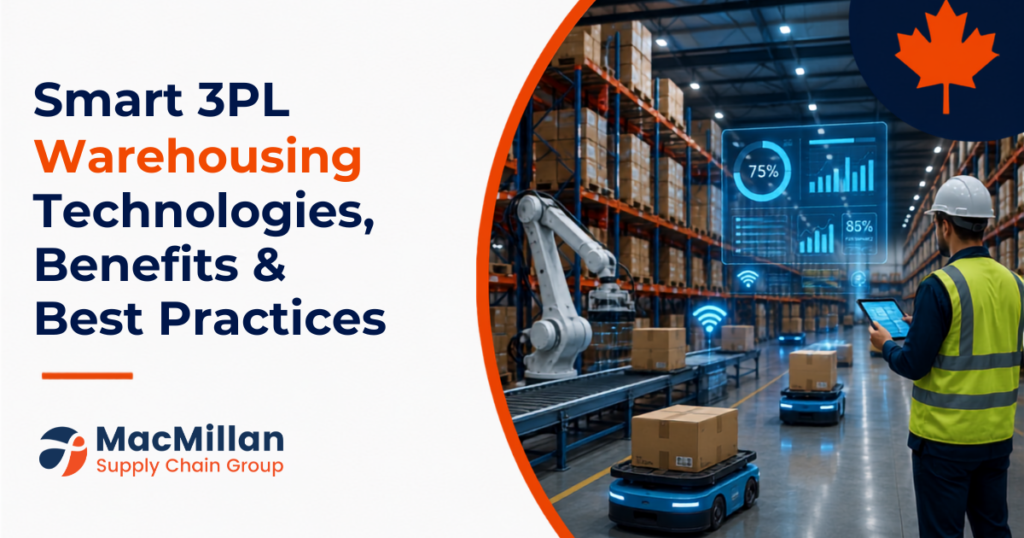
Today’s 3PL warehouses are equipped with cutting-edge tools such as robotics, logistics automation, IoT technology, and real-time inventory management software. This evolution plays a major role in smart 3PL warehousing. Smart warehousing brings substantial value by integrating technology and automation, which enhances efficiency and reduces costs. By automating various internal processes, tracking operations in real-time, and analyzing performance, smart warehousing enables more informed supply chain decisions. If you’re an online retailer seeking to enhance your 3PL warehousing operations, this article will delve into the concept of smart warehousing, its benefits, and best practices in the industry What is Smart 3PL Warehousing? Smart 3PL warehousing refers to a warehouse or fulfillment center that leverages advanced supply chain technology and automation to streamline, accelerate, and enhance logistics operations. By incorporating these technologies and automation, online retailers can expand their businesses, meet customer expectations, and optimize logistics costs. By implementing smart 3PL warehousing, Macmillan’s primary objectives of smart warehousing is to improve speed, accuracy, visibility, and transparency within the warehouse to provide you with real-time responsiveness. How Does Smart 3PL Warehousing Benefit Retailers? Smart warehousing revolutionizes logistics operations, allowing online retailers to expand their businesses while maintaining transparency and control over their warehouses. Here are some key benefits of investing in smart 3PL warehousing to grow your online presence: Improved Operational Efficiency: Automation and advanced technology streamline processes, reducing manual labor and minimizing errors. Enhanced Inventory Management: Real-time tracking and data analytics provide accurate inventory insights, preventing stockouts and overstock situations. Faster Order Fulfillment: Automated systems speed up order processing, ensuring quicker delivery times and higher customer satisfaction. Cost Reduction: Optimized logistics operations lead to lower operational costs and increased profitability. Scalability: Smart warehousing solutions are adaptable, allowing businesses to scale operations seamlessly as they grow. Real-Time Data Reports: automatically collect and aggregate data from across your logistics network. This provides valuable insights into performance and real-time inventory levels. 7 Smart Warehousing Techniques and Technologies to Implement Rapidly expanding online brands managing their own warehouses must be willing to experiment with modern technologies like AI, robotics, and automated guided vehicles to get smart 3PL warehousing rights. In this guide, we delve into essential smart warehousing tips, tricks, and technologies that are shaping the future of the logistics industry. 1. Warehouse Robotics Warehouse robotics are often the first innovation that comes to mind in logistics. They enhance order accuracy, boost productivity, and reduce labor costs, allowing your team to focus on optimizing operations instead of being bogged down by tedious tasks. Warehouse Robotics in Action: Automates Picking: Automated picking tools, such as mobile robots, collaborate with pickers to select orders off the shelves two to three times faster, reducing inaccuracies. Improves Inventory Visibility: Drones, though reminiscent of sci-fi, add significant value by autonomously conducting inventory audits, cycle counts, item searches, and more, enhancing inventory visibility. 2. Artificial Intelligence Artificial intelligence (AI) leverages supply chain data to predict potential crises and enable intelligent decision-making, transforming warehouse operations. Artificial Intelligence in Action: Optimizes Storage: AI-powered systems alert you when storage space is running low, allowing you to plan for increased storage or reduced inventory volumes. Averts Risks: By analyzing historical sales data, real-time market fluctuations, and current inventory levels, AI helps predict potential issues like overstocking, understocking, and shipping delays, enabling you to take preventive measures. 3. Warehouse Management Systems (WMS) A distributed inventory model, which involves storing inventory in multiple locations to reduce shipping costs and speed up transit times, requires a robust warehouse management system. A WMS centralizes logistics operations, enabling seamless tracking of inventory and ensuring that goods are stored, picked, packed, and shipped efficiently. MacMillan uses WMS integration with your systems to manage zero error rates and tracking. 4. Setting Reorder Points Balancing inventory levels is crucial, too much inventory increases carrying costs, while too little can lead to stockouts. To effectively manage restocking amidst fluctuating demand, supplier deliveries, and logistics issues, smart warehousing techniques can be essential. Utilizing an inventory tracking system that allows for automatic reorder point notifications can optimize inventory levels. By analyzing first-mile delivery timelines and inventory turnover rates, you can make informed decisions on when to restock using the reorder point formula. For example, working with a 3PL provider like MacMillan, which has a built-in inventory management system, provides insights into delivery timelines and turnover rates, helping you set and adjust reorder points. Reorder Point Automation in Action: Automatic Alerts: Receive notifications when inventory levels for each SKU are low or hit their threshold, prompting timely reordering from suppliers. Inventory Forecasting: Adjust reorder points based on fluctuating demand, manufacturer lead times, and inventory trends, ensuring timely notifications and optimal stock levels. 5. Automated Guided Vehicles (AGVs) Automated guided vehicles (AGVs), including forklift AGVs, towing AGVs, and unit load handlers, enhance internal processes like storing, lifting, and stocktaking. These autonomous vehicles follow guide paths or sensors, optimizing warehousing operations. AGVs in Action: Automated Inventory Handling: AGVs automate receiving, storage, and shipping processes, allowing a hands-off approach to inventory management. Efficient Pallet Operations: AGVs streamline the loading and unloading of semi-trailers and the picking and stacking of pallets, reducing handling time and improving accuracy. 6. Inventory Management System An inventory management system centralizes control over inventory variations across multiple storage centers, offering real-time tracking of SKU quantities, damage return rates, and performance metrics. Inventory Management in Action: Enhanced Visibility: Gain a comprehensive view of inventory levels across all warehouses and channels, centralizing operations for better management. Improved Efficiency: Efficiently allocate inventory across the distribution network, assign optimized picking routes, and enhance picking and packing processes. Many online retailers’ partner with fulfillment providers like MacMillan to leverage real-time inventory tracking and automation without investing in infrastructure. 7. Internet of Things (IoT) The Internet of Things (IoT) connects various devices and objects within a network, allowing seamless communication and data sharing. Synchronizing smart warehouse technologies (WMS, sensors, conveyors, RFID tags, AGVs) and connecting them to the internet enables deep visibility and prevents data silos. IoT in Action: Item Location Tracking: A network of security devices constantly monitors product locations, preventing errors, theft, and misplacement. Predictive Analytics: Data collected from interconnected devices provides insights into the arrival times
3PL Warehousing Solutions for Canadian Companies
Understanding 3PL Services for Canadian Companies Third-party logistics (3PL) providers offer essential logistics services like warehousing, distribution, transportation, and freight forwarding. By outsourcing these tasks, businesses can concentrate on their core activities such as product development and sales. 3PL companies, like Acumen Logistics as a Canadian 3pl, has strategically located warehouses and distribution center to ensure efficient transportation and reduce delivery times. They provide comprehensive solutions, including logistics consulting, trucking services, and access to third-party warehouse space. 3PLs play a crucial role in helping businesses streamline their operations and improve efficiency. Let’s explore how 3pl warehousing in Canada help your business What type of companies need 3PL warehousing services? 3PL providers play a crucial role in the Canadian 3pl supply chain industry, offering specialized services to optimize logistics operations for various sectors. E-commerce Companies: E-commerce businesses rely on 3PL warehousing, order fulfillment, and last-mile delivery, allowing them to focus on core activities like sales and marketing. Manufacturers: Manufacturers use 3PL providers to streamline transportation and 3pl warehousing, ensuring efficient product distribution to multiple global locations. Healthcare Companies: Healthcare companies need 3PL services for the careful storage and transportation of sensitive items like pharmaceuticals and medical equipment, ensuring safety and compliance. Food and Beverage Companies: Food and beverage companies depend on 3PL providers for cold chain logistics, maintaining the quality and freshness of perishable products and reducing waste. In essence, 3PL services are indispensable for businesses aiming to enhance their logistics efficiency and focus on their primary business functions. Do 3PL’s work with Canadian companies? 3PL warehousing providers collaborate with Canadian companies to optimize their supply chain operations. These providers offer a range of services, including transportation management, 3pl warehousing, distribution, freight forwarding, and customs brokerage. By partnering with a 3PL, like MacMillan, Canadian companies can leverage advanced technology, benefit from economies of scale, and tap into expertise in managing complex logistics. This partnership can enhance efficiency, reduce costs, and improve customer service. Determining if a 3PL is Right for Your Business Outsourcing your supply chain management to a Canadian 3PL can be highly beneficial, but it’s essential to ensure the provider aligns with your needs. Here are key factors to consider: Service OfferingsEnsure the 3PL provider offers the specific services you need, such as transportation, warehousing, or comprehensive supply chain management solutions. Industry ExperienceChoose a provider with relevant experience in your industry. Specialized knowledge can lead to better understanding of your logistics challenges and more effective, tailored solutions. Technology and IntegrationAdvanced technology is crucial for efficiency and accuracy. Look for providers offering real-time tracking, WMS Integration, advanced inventory management, and automated order processing. ReliabilityAssess the provider’s reliability and consistency. Check references, online reviews, and industry rankings to evaluate their track record and ensure they can meet your service requirements. Selecting the right 3PL provider can significantly enhance your supply chain management, leading to improved operational efficiency and customer satisfaction. Why Canadian Companies Choose MacMillan for 3PL warehousing? For Canadian companies seeking a reliable fulfillment partner, MacMillan stands out with a range of benefits real-time services. Here’s why MacMillan is an excellent choice: 3PL warehousing ExpertiseWe specializes in warehousing and fulfillment as a top tier Canadian 3PL provider, catering to the specific needs of retailers. Their experienced team works with companies of all sizes to ensure seamless operations. Faster ShippingWith strategically located warehouses across Canada, MacMillan ensures quick and efficient order fulfillment. This results in faster delivery times, enhancing customer satisfaction with zero error rate and real-time tracking. Cost-Effective SolutionsMacMillan offers cost-saving options such as discounted shipping rates, volume discounts, and customized pricing packages with no hidden fees and transparency. Partnering with us for your 3PL warehousing needs helps reduce costs. Scalable ServicesAs your business expands, MacMillan scales its services to match your growing needs. Whether you handle a few orders daily or thousands monthly, we adapt to support your business growth without compromising on efficiency. Key Take Aways In conclusion, third-party logistics (3PL) providers like MacMillan SCG are essential for Canadian companies looking to enhance their logistics operations. By offering comprehensive services such as warehousing, distribution, transportation, and freight forwarding, 3PLs enable businesses to focus on their core activities, improve efficiency, and reduce costs. Whether it’s e-commerce, manufacturing, healthcare, or food and beverage, 3PL warehousing services play a crucial role in streamlining supply chains and ensuring timely deliveries. Choosing the right 3PL partner, like MacMillan, can significantly elevate a company’s logistics performance, driving growth and customer satisfaction.
3PL Warehousing Solutions for Canadian Companies
Understanding 3PL Services for Canadian Companies Third-party logistics (3PL) providers offer essential logistics services like warehousing, distribution, transportation, and freight forwarding. By outsourcing these tasks, businesses can concentrate on their core activities such as product development and sales. 3PL companies, like Acumen Logistics as a Canadian 3pl, has strategically located warehouses and distribution center to ensure efficient transportation and reduce delivery times. They provide comprehensive solutions, including logistics consulting, trucking services, and access to third-party warehouse space. 3PLs play a crucial role in helping businesses streamline their operations and improve efficiency. Let’s explore how 3pl warehousing in Canada help your business. What type of companies need 3PL warehousing services? 3PL providers play a crucial role in the Canadian 3pl supply chain industry, offering specialized services to optimize logistics operations for various sectors. E-commerce Companies: E-commerce businesses rely on 3PL warehousing, order fulfillment, and last-mile delivery, allowing them to focus on core activities like sales and marketing. Manufacturers: Manufacturers use 3PL providers to streamline transportation and 3pl warehousing, ensuring efficient product distribution to multiple global locations. Healthcare Companies: Healthcare companies need 3PL services for the careful storage and transportation of sensitive items like pharmaceuticals and medical equipment, ensuring safety and compliance. Food and Beverage Companies: Food and beverage companies depend on 3PL providers for cold chain logistics, maintaining the quality and freshness of perishable products and reducing waste. In essence, 3PL services are indispensable for businesses aiming to enhance their logistics efficiency and focus on their primary business functions. Do 3PL’s work with Canadian companies? 3PL warehousing providers collaborate with Canadian companies to optimize their supply chain operations. These providers offer a range of services, including transportation management, 3pl warehousing, distribution, freight forwarding, and customs brokerage. By partnering with a 3PL, like MacMillan, Canadian companies can leverage advanced technology, benefit from economies of scale, and tap into expertise in managing complex logistics. This partnership can enhance efficiency, reduce costs, and improve customer service. Determining if a 3PL is Right for Your Business Outsourcing your supply chain management to a Canadian 3PL can be highly beneficial, but it’s essential to ensure the provider aligns with your needs. Here are key factors to consider: Service OfferingsEnsure the 3PL provider offers the specific services you need, such as transportation, warehousing, or comprehensive supply chain management solutions. Industry ExperienceChoose a provider with relevant experience in your industry. Specialized knowledge can lead to better understanding of your logistics challenges and more effective, tailored solutions. Technology and IntegrationAdvanced technology is crucial for efficiency and accuracy. Look for providers offering real-time tracking, WMS Integration, advanced inventory management, and automated order processing. ReliabilityAssess the provider’s reliability and consistency. Check references, online reviews, and industry rankings to evaluate their track record and ensure they can meet your service requirements. Selecting the right 3PL provider can significantly enhance your supply chain management, leading to improved operational efficiency and customer satisfaction. Why Canadian Companies Choose MacMillan for 3PL warehousing? For Canadian companies seeking a reliable fulfillment partner, MacMillan stands out with a range of benefits real-time services. Here’s why MacMillan is an excellent choice: 3PL warehousing ExpertiseWe specializes in warehousing and fulfillment as a top tier Canadian 3PL provider, catering to the specific needs of retailers. Their experienced team works with companies of all sizes to ensure seamless operations. Faster ShippingWith strategically located warehouses across Canada, MacMillan ensures quick and efficient order fulfillment. This results in faster delivery times, enhancing customer satisfaction with zero error rate and real-time tracking. Cost-Effective SolutionsMacMillan offers cost-saving options such as discounted shipping rates, volume discounts, and customized pricing packages with no hidden fees and transparency. Partnering with us for your 3PL warehousing needs helps reduce costs. Scalable ServicesAs your business expands, MacMillan scales its services to match your growing needs. Whether you handle a few orders daily or thousands monthly, we adapt to support your business growth without compromising on efficiency. Key Take Aways In conclusion, third-party logistics (3PL) providers like MacMillan SCG are essential for Canadian companies looking to enhance their logistics operations. By offering comprehensive services such as warehousing, distribution, transportation, and freight forwarding, 3PLs enable businesses to focus on their core activities, improve efficiency, and reduce costs. Whether it’s e-commerce, manufacturing, healthcare, or food and beverage, 3PL warehousing services play a crucial role in streamlining supply chains and ensuring timely deliveries. Choosing the right 3PL partner, like MacMillan, can significantly elevate a company’s logistics performance, driving growth and customer satisfaction.
How to Make Your 3PL More Organized and Efficient
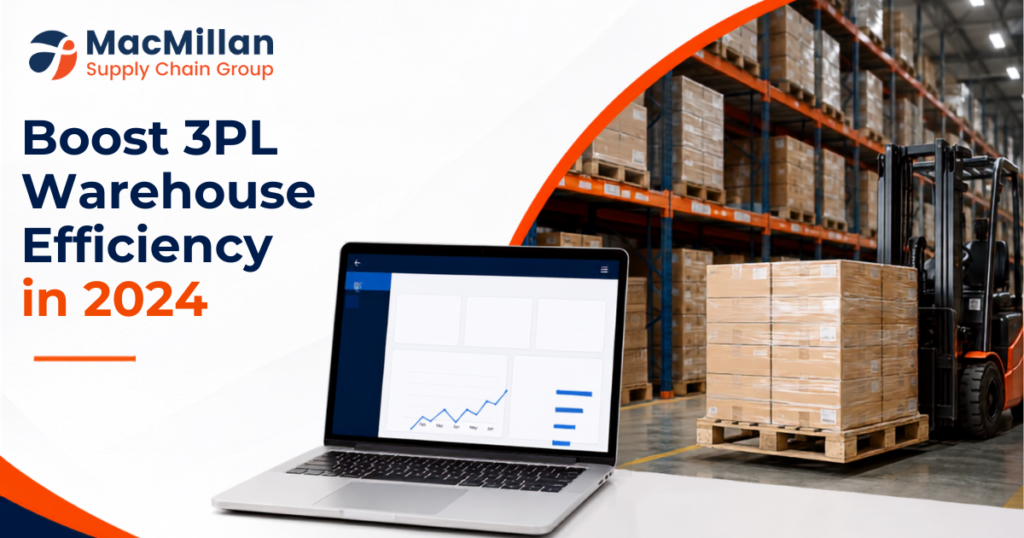
The future of Third-Party Logistics (3PL) is unfolding rapidly, and companies are continually seeking innovative strategies to streamline workflows and ensure swift, efficient delivery to customers. To stay competitive and thrive in this dynamic landscape, 3PL providers must adopt new technologies, maintain organization, and enhance efficiency. In this blog post, we’ll delve into the future of 3PL warehousing and share strategies for improving organization and boosting efficiency. The Importance of Efficiency and Organization in 3PL Achieving and maintaining efficiency and organization in 3PL warehousing operations is crucial for peak performance. Beyond managing daily tasks and staying organized in the present, 3PL centers such as MacMillan must also anticipate future demands and plan accordingly. Creating an efficient organizational structure in 3PL warehousing operations is vital for long-term competitiveness. Implementing solutions such as strategic product grouping, ergonomic layouts, and optimized replenishment cycles are key strategies 3PL companies should employ to develop a successful warehouse system for today and tomorrow. Creating a More Organized Warehouse To optimize existing warehouse space, 3PL organizations must prioritize creating a well-organized facility. Starting with accurate inventory management for better visibility and investing in 3PL warehousing and management software to enhance automation and 3PL billing software for efficient payment processing. Maximize space utilization by employing vertical storage solutions such as stackable pallets, which help conserve floor space. Visual aids, like labeled sections and color-coded systems, act as guides for easier picking. Additionally, maintaining a clean and tidy facility is essential for ensuring smooth operations at every step. What are the ways to Boost 3PL Efficiency Enhancing 3PL warehousing efficiency requires proper organization and strategic improvements in warehouse management software and overall procedures. By implementing these steps, 3PL organizations can save time and money, gaining a competitive edge in the market. Embrace automation to modernize 3PL warehousing operations, which improves efficiency and reduces manual labor for maximum productivity. Always consider the return on investment (ROI) when evaluating costs associated with technology investments and integrating lean best practices. While improving efficiency may initially appear costly, prioritizing significant investments can lead to substantial long-term benefits in warehouse productivity. By focusing on impactful changes, 3PL organizations can truly capitalize on their enhanced efficiency. Benefits of Warehouse Efficiency Achieving 3PL warehousing efficiency can be pivotal for 3PLs, yielding numerous advantages: A 3PL organization such as MacMillan’s success is deeply rooted in warehouse efficiency. With a well-tuned operation, they can offer exceptional logistical services while reaping all these benefits. How can a WMS Enhance 3PL Efficiency? 3PLs face enough challenges without dealing with disorganized services, this is where warehouse management software (WMS) proves invaluable. Implementing a seamless, integrated platform tailored to each customer’s needs allows 3PLs to avoid the chaos of inefficient processes. MacMillan’s WMS offers features such as cross-docking and advanced tracking capabilities, eliminating time-consuming tasks and ensuring smooth operations. By leveraging WMS, 3PLs can maintain efficient, error-free services, preventing costly delays and missteps for your business. Boost 3PL Warehousing Efficiency Today In today’s fast-paced and competitive landscape, 3PL providers must stay ahead by adopting cutting-edge technologies and implementing efficiency-boosting strategies. The key to maintaining a competitive edge lies in embracing innovation and staying organized. There are several effective ways to enhance warehouse efficiency, including the implementation of a warehouse management system and optimizing warehouse space. Given the critical role 3PL operations play in the success of many businesses, it’s essential to keep up with advancements and prepare for future challenges. To streamline your operations, consider using MacMillan Warehouse Management Software. An efficient 3PL operation not only performs better but also contributes to overall satisfaction and success. Key Pointers to Increase Efficiency in Your 3PL Warehouse in 2024 Stay Ahead with Technology: Embrace new technologies to keep up with the fast-paced, competitive landscape. Boost Organization and Efficiency: Utilize a warehouse management system to streamline operations and make optimal use of warehouse space. Adapt to Market Demands: 3PL operations are vital to the success of many businesses; staying organized and efficient ensures readiness for future challenges. Implement MacMillan WMS: Consider MacMillan Warehouse Management Software to enhance operational smoothness and efficiency. Continuous Improvement: An efficient 3PL leads to overall operational happiness and success. Key Take Aways The future of 3PL hinges on the ability to innovate, organize, and improve efficiency. As the industry evolves, adopting advanced technologies and strategic improvements in warehousing will be crucial for staying competitive. By leveraging tools like warehouse management software and prioritizing optimal space utilization, 3PL providers can enhance their operations and deliver superior services. The key to thriving in this dynamic landscape lies in continuous improvement and readiness to meet future challenges. MacMillan’s WMS exemplifies how integrating these solutions can lead to significant long-term benefits, ensuring operational success and customer satisfaction.
Optimizing Fulfillment: How Warehouse Packing Stations Drive Efficiency
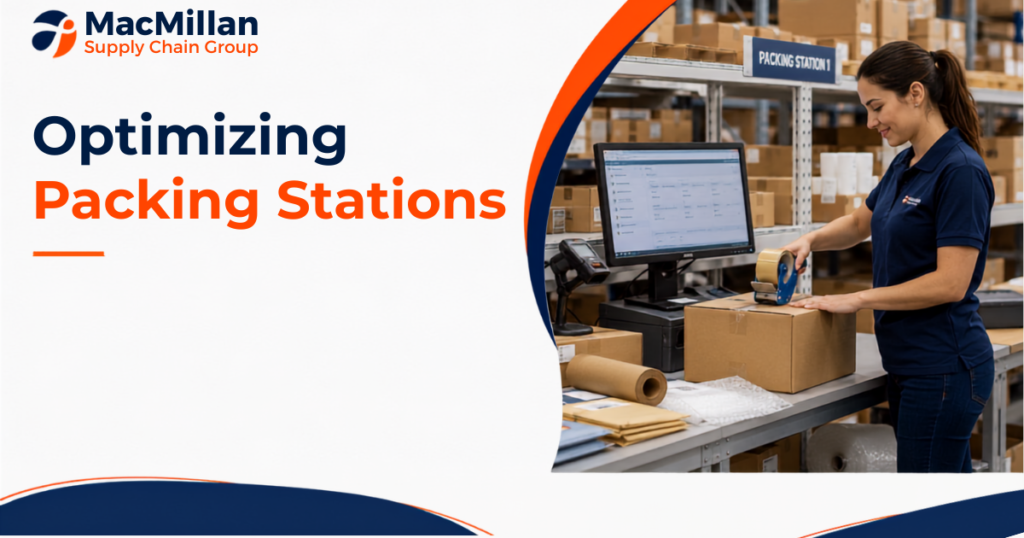
Packing stations are essential to the smooth operation of any warehouse. These specialized areas, where items are meticulously packaged before shipment, play a significant role in enhancing customer satisfaction and managing costs effectively. By streamlining the packing process, you ensure that products reach customers in best condition, minimize errors, reduce packing time, and make the most efficient use of materials. This optimization translates to lower labor and shipping expenses. In this guide, we’ll walk you through setting up an efficient packing station to accelerate order fulfillment and increase accuracy. What Are Warehouse Packing Stations? A warehouse packing station is a specialized workspace designed for preparing products for shipment. Equipped with all the essential materials, tools, and equipment, these stations enable efficient and secure packaging of items before they are dispatched to customers. Acting as the final checkpoint, packing stations allow workers to meticulously inspect each order, ensuring that the correct items are properly packaged and accurately labeled before shipping. The Importance of Warehouse Packing Stations Warehouse packing stations are pivotal to optimizing warehouse operations, offering a range of advantages that contribute to your overall success. Increased Efficiency Packing stations enhance workflow by providing a dedicated area for packaging. With all essential materials and tools readily accessible, your team can process orders more swiftly, boosting throughput and fulfillment speed. This increased efficiency not only elevates customer satisfaction but also drives profitability. Improved Accuracy A dedicated packing station allows for thorough quality checks and order verification, reducing the likelihood of shipping errors. This accuracy minimizes returns and customer complaints, thereby safeguarding your reputation and maintaining high levels of customer satisfaction, essential factor in the competitive e-commerce landscape. Enhanced Customer Satisfaction By streamlining packing and shipping processes, these stations enable quicker order fulfillment. When customers receive their orders promptly and in excellent condition, they are more likely to become loyal advocates, such as Amazon providing its customers with long term retention plans. Positive reviews and word-of-mouth referrals from satisfied customers can significantly fuel your business growth. Reduced Costs Packing stations optimize labor efficiency and minimize material waste through organized processes and storage. MacMillan focuses on accurate package sizing and weight management which helps cut shipping costs by preventing overpayment for excess space or weight. These savings can be reinvested in other business areas or passed on to customers. Improved Ergonomics Well-designed packing stations focus on worker comfort and safety. Ergonomic features, such as adjustable heights and configurations, reduce strain and prevent injuries, enhancing productivity and team morale. Investing in ergonomics can lead to a more engaged and efficient workforce. Enhanced Scalability As your business expands, packing stations offer flexible solutions to adapt to changing demands. You can easily adjust stations to handle varying order volumes and product types, whether by adding, removing, or reconfiguring them. This scalability ensures that your packing operations can grow alongside your business. Implementing packing stations can significantly streamline your order fulfillment process, leading to increased efficiency, accuracy, and customer satisfaction. Types of Packing Stations MacMillan offers you to choose the right type of packing station for your business depends on your business size and specific needs. Here’s a breakdown of the various options: Manual Packing Stations Manual packing stations involve packing by hand and are ideal for smaller operations or businesses with a varied product range. They are cost-effective and offer flexibility in customizing the packing process to accommodate different products. These stations allow for meticulous attention to detail, making them suitable for delicate or irregularly shaped items. However, they may not match the speed and efficiency of automated systems. Automated Packing Stations For high-volume operations with standardized products, automated packing stations are a better fit. They use machinery to handle tasks such as box erection, product insertion, and sealing, which significantly boosts speed and efficiency while lowering labor costs. Automation ensures consistent packaging quality and reduces errors. However, the initial investment in automated equipment can be substantial. Modular Packing Stations Modular packing stations combine the flexibility of manual setups with the efficiency of automation. These workstations feature interchangeable components that can be adapted to different product types and packaging requirements. As your business evolves, you can reconfigure modular stations to meet new demands, making them a popular choice for companies seeking flexibility and scalability. What Essential Components of a Warehouse Packing Station do you need? To ensure your packing station operates at peak efficiency, equip it with the following essential components: Workbench A durable, spacious workbench is the cornerstone of any packing station. It should provide ample space for both products and the packer to work comfortably. Opt for an adjustable-height workbench to enhance ergonomic comfort and reduce physical strain. The workbench should be constructed from sturdy materials to endure daily use. Shelves and Storage Effective storage is crucial for a streamlined packing process. Incorporate shelves and storage solutions that keep packing materials and tools easily accessible. Position frequently used items within close reach, and use adjustable shelves to accommodate changes in inventory. Proper organization helps maintain efficiency and reduce packing time. Packing Supplies Ensure your packing station is well-stocked with various packing materials, including bubble wrap, air pillows, packing paper, and cushioning options to protect fragile items. Whenever possible, opt for eco-friendly materials to minimize environmental impact. Maintain an adequate supply to meet demand and prevent delays. Scanners Integrate barcode or RFID scanners with your warehouse management system (WMS) at the packing station. These scanners facilitate quick and accurate order verification, reducing errors and enhancing tracking and traceability. Real-time data improves the overall order fulfillment process. Basic Packing Tools Essential packing tools include scissors, tape measures, utility knives, and tape guns. Ensure these tools are well-maintained, readily available, and ergonomically designed to prioritize safety and comfort. Gravity Flow Tracks (Optional) Gravity flow tracks can streamline the movement of items from storage to the packing area, reducing the need for reaching and bending. This feature enhances ergonomics and accelerates the packing process, making it especially useful in high-volume packing environments. Key steps in Setting Up a Packing Station To create an