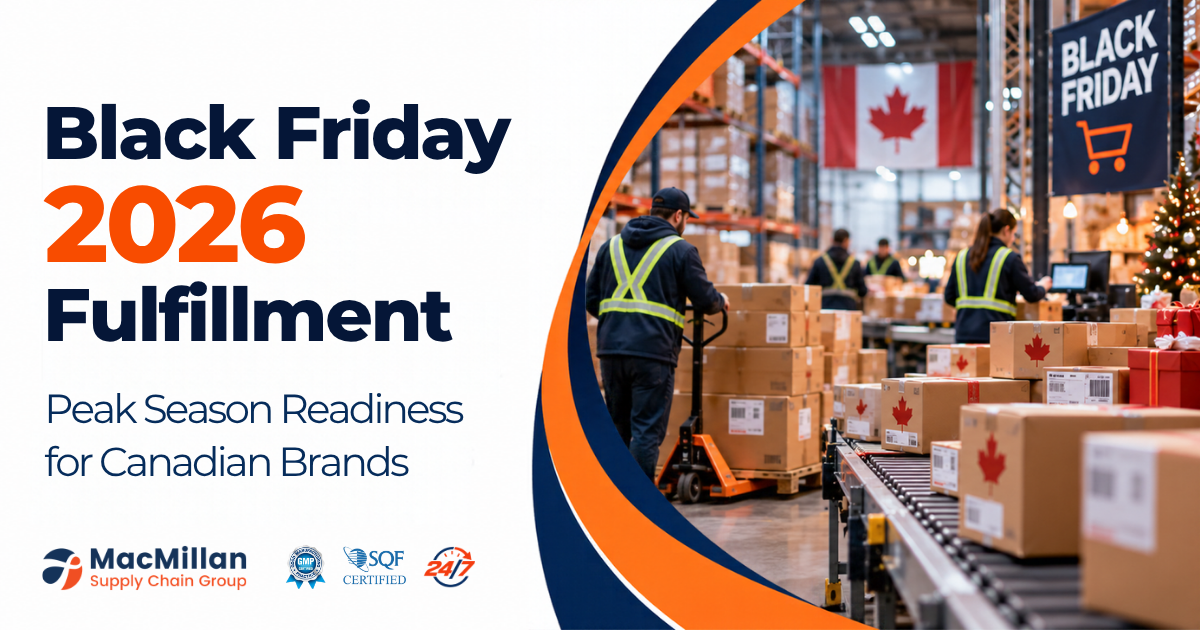
Black Friday Fulfillment Canada: 2026 Peak Season Guide
Black Friday Fulfillment Canada: How E-commerce Brands Can Prepare for…
Black Friday Fulfillment Canada: How E-commerce Brands Can Prepare for…
When discussing e-commerce, what typically springs to mind? Most likely,…
As the busiest time of the year draws near, the…
As the busiest time of the year draws near, the…
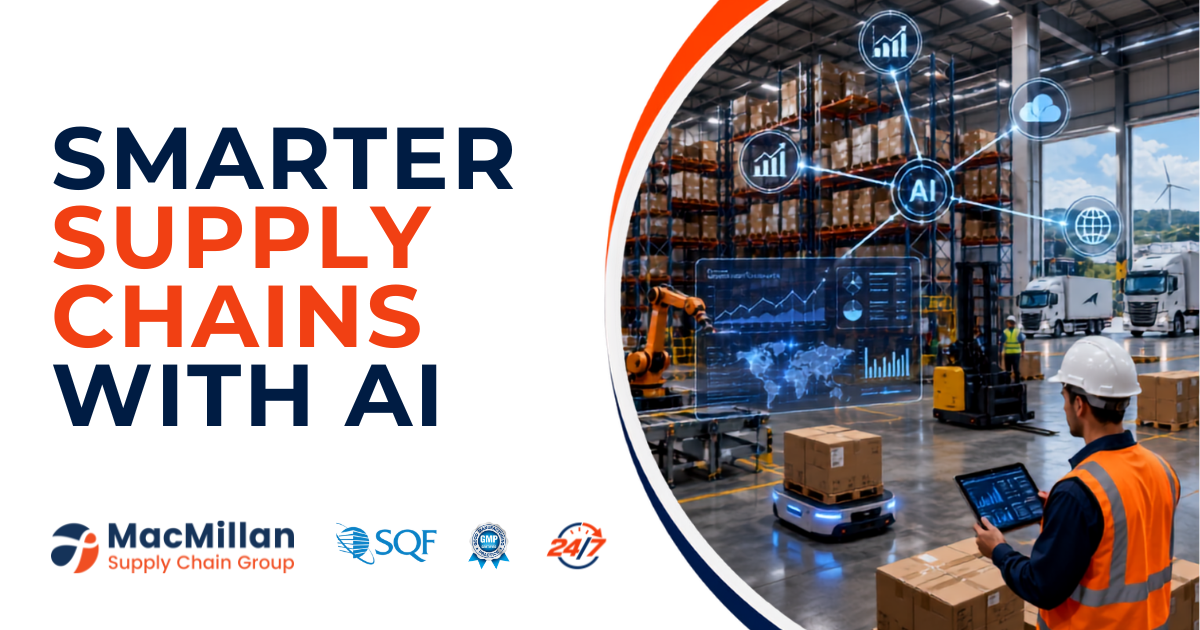
In recent years, supply chains have become more complex and demanding to manage. This is prompted by factors such as the ever changing and fast paced global market, longer and more interconnected physical flows, and recent focus on incorporating sustainability. These factors highlight the need for agility, flexibility, and resilience in supply chain management. As a result, artificial intelligence (AI) has come up as a formidable tool to revolutionize supply chain operations. Thus, the use of AI promises to transform the industry.
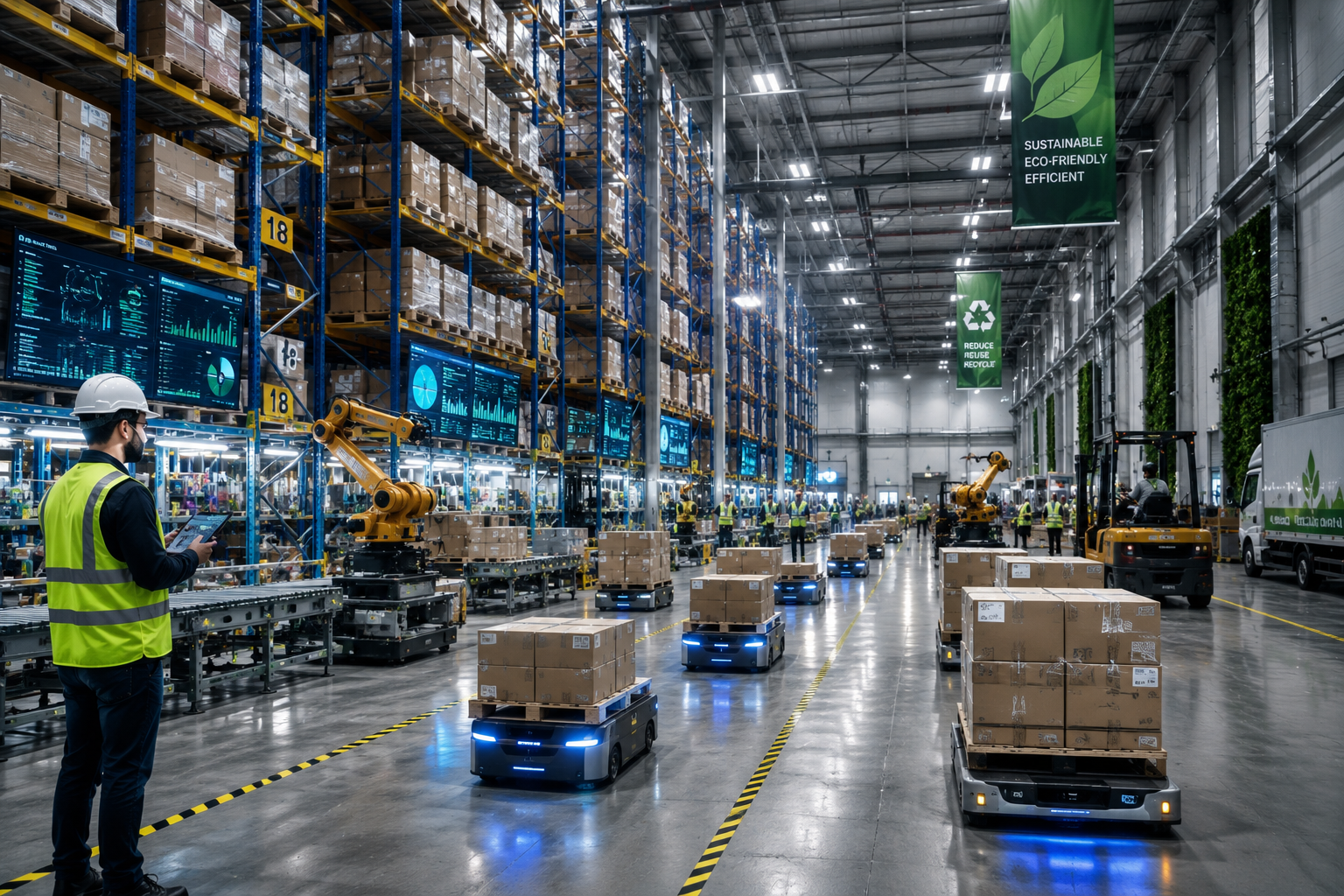
AI’s main function is its ability to analyze vast amounts of data, recognize patterns, and provide actionable insights. Since supply chain management needs to have timely and accurate information for decision-making, AI is a very compatible tool to adopt. MacMillan SCG uses AI-based solutions which are revolutionizing several facets in its logistics operations such as demand forecasting, integrated inventory management systems and warehouse management systems (WMS), route optimization and risk mitigation.
Demand Forecasting and Inventory Management
Precise demand forecasting is crucial for enhancing inventory levels and minimizing stockouts or overstock situations. AI algorithms can analyze historical sales data, market trends, and other variables to generate accurate demand forecasts. As an example, retailers like Walmart and Amazon employ AI to estimate and predict product demand and use that information to guarantee optimal inventory levels which in turn keeps customer satisfaction high. AI-driven inventory management systems can also generate optimized replenishment plan based on real-time demand signals, supplier lead times and inventory levels, decreasing carrying costs and refining fulfillment accuracy.
Route Optimization and Transportation Management
The usage of AI can decrease transportation costs and improve delivery efficiency, as AI can rapidly optimize transportation routes based on traffic conditions, weather forecasts and delivery deadlines. Generate AI algorithms are one step further as they can autonomously offer alternatives for complex routing problems, prioritizing timely and cost-effective deliveries. MacMillan caters for efficient on time delivery by using automated routes with order tracking options for its customers.
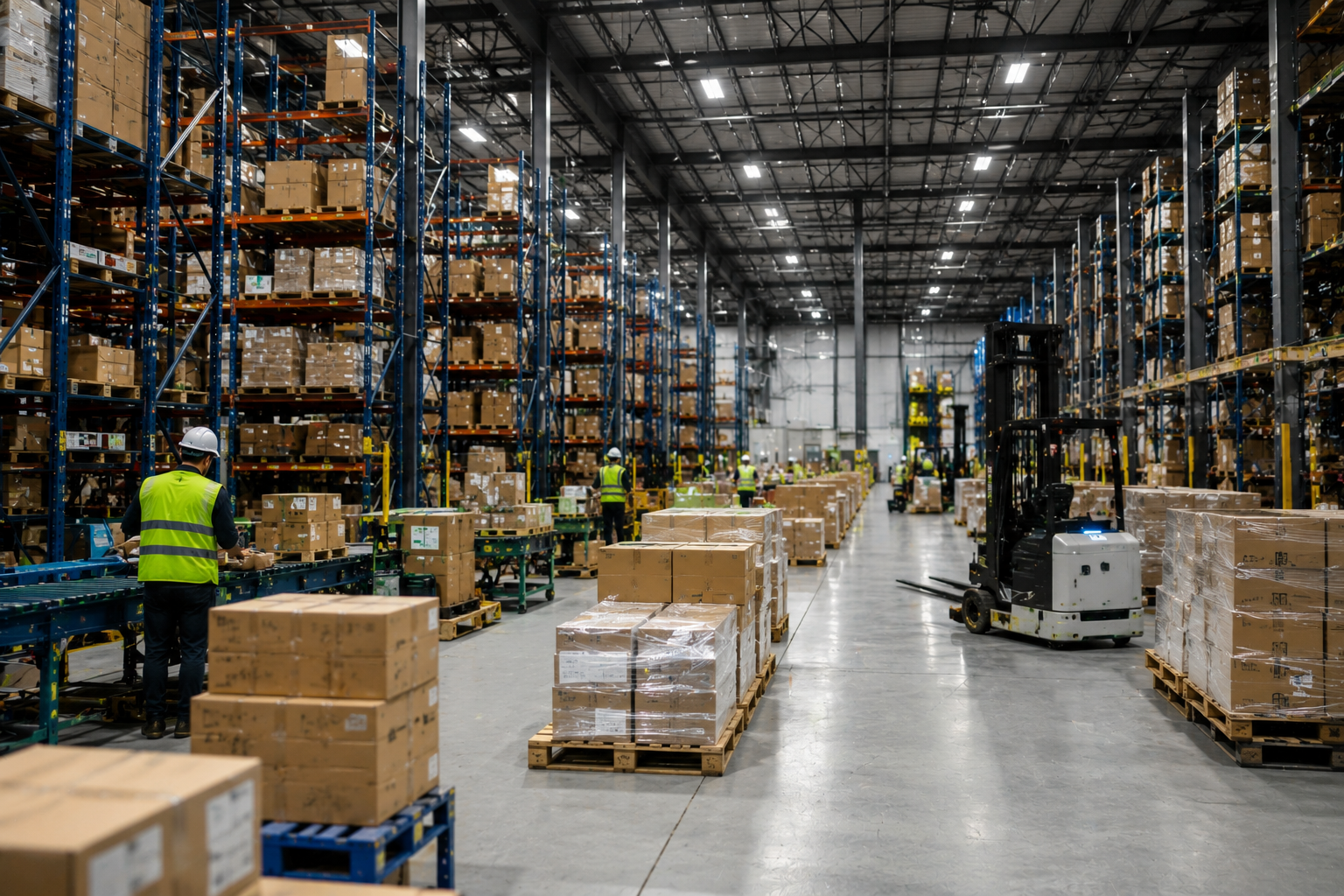
In a post-pandemic world, the vulnerabilities in the global supply chain are increasingly obvious. Therefore, companies have opted to prioritize resilience. AI plays a vital role in this as it increases visibility into supply chain operation and aids proactive risk management.
These points highlight how AI can be leveraged to enhance the resilience and efficiency of supply chains.
With the use of AI tools, firms such as MacMillan can achieve end-to-end visibility. This facilitates easier monitoring of inventory levels, shipment tracking, and a faster response time to disruptions. For example, AI algorithms can analyze supplier performance data and market conditions to pinpoint possible risks and suggest alternative suppliers or contingency plans. This ability is critical for reducing the impact of disruptions such as natural disasters, geopolitical events, or pandemics.
Recently, more and more companies are beginning to take sustainability as a priority and AI can aid supply chains to minimize the environmental impact. AI tools such as scenario analysis can identify ways to reduce carbon emissions, minimize waste and encourage ethical sourcing practices. For instance, the combination of AI with blockchain technology helps to increase the transparency of a product’s origins and its supply chain management strategies. This aids compliance with regulations and improves customer loyalty. Read more about the key tips for greener logistics.
Real-World Applications and Benefits
The real-world applications of AI in supply chain management are vast and substantial. Companies that employ AI solutions report notable improvements in logistics costs, inventory levels and service levels.
Challenges and Considerations
While the benefits of AI in supply chain management are plenty, some considerations still need to be made. There may be issues such as data availability, technical expertise and the costs associated with AI adoption. Moreover, to successfully integrate AI into operations, organizational changes, process updates and workforce upskilling are required to truly see the estimated return on investment.
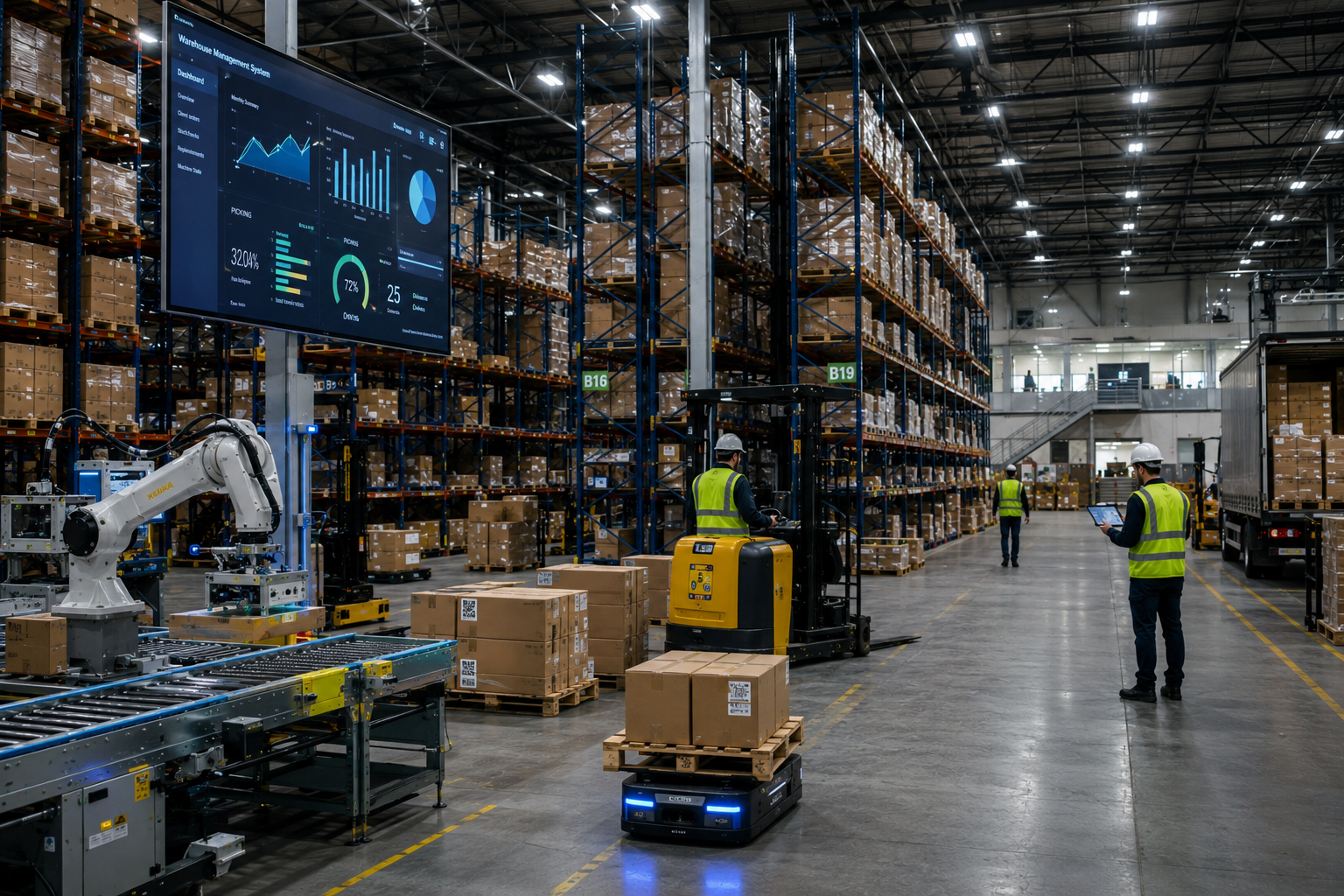
As AI technologies continue to progress and they become more integrated into everyday life, their impact on supply chain management will also increase. Predictive analysis, machine learning and automation will have more significant roles in shaping supply chain processes. Future advancements may include AI-powered robots for warehousing and logistics, virtual assistant for customer services and autonomous vehicles for transportation.
AI showcases a great promise for changing supply chain management, enhancing efficiency, resilience and sustainability, Companies that strategically adopt and integrate AI tools and solutions will be well equipped to deal with the complexities of modern supply chain and gain a competitive edge in the marketplace.
Artificial intelligence (AI) has emerged as a powerful tool, revolutionizing supply chain operations. By leveraging AI, companies like MacMillan SCG are enhancing demand forecasting, inventory management, route optimization, and risk mitigation. AI’s ability to analyze vast amounts of data and provide actionable insights makes it indispensable for modern supply chains. Adopting AI not only ensures efficiency and resilience but also promotes sustainability, giving businesses a competitive edge in today’s dynamic market.