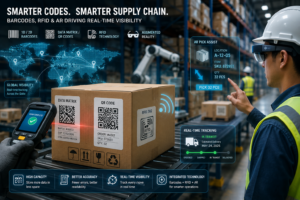
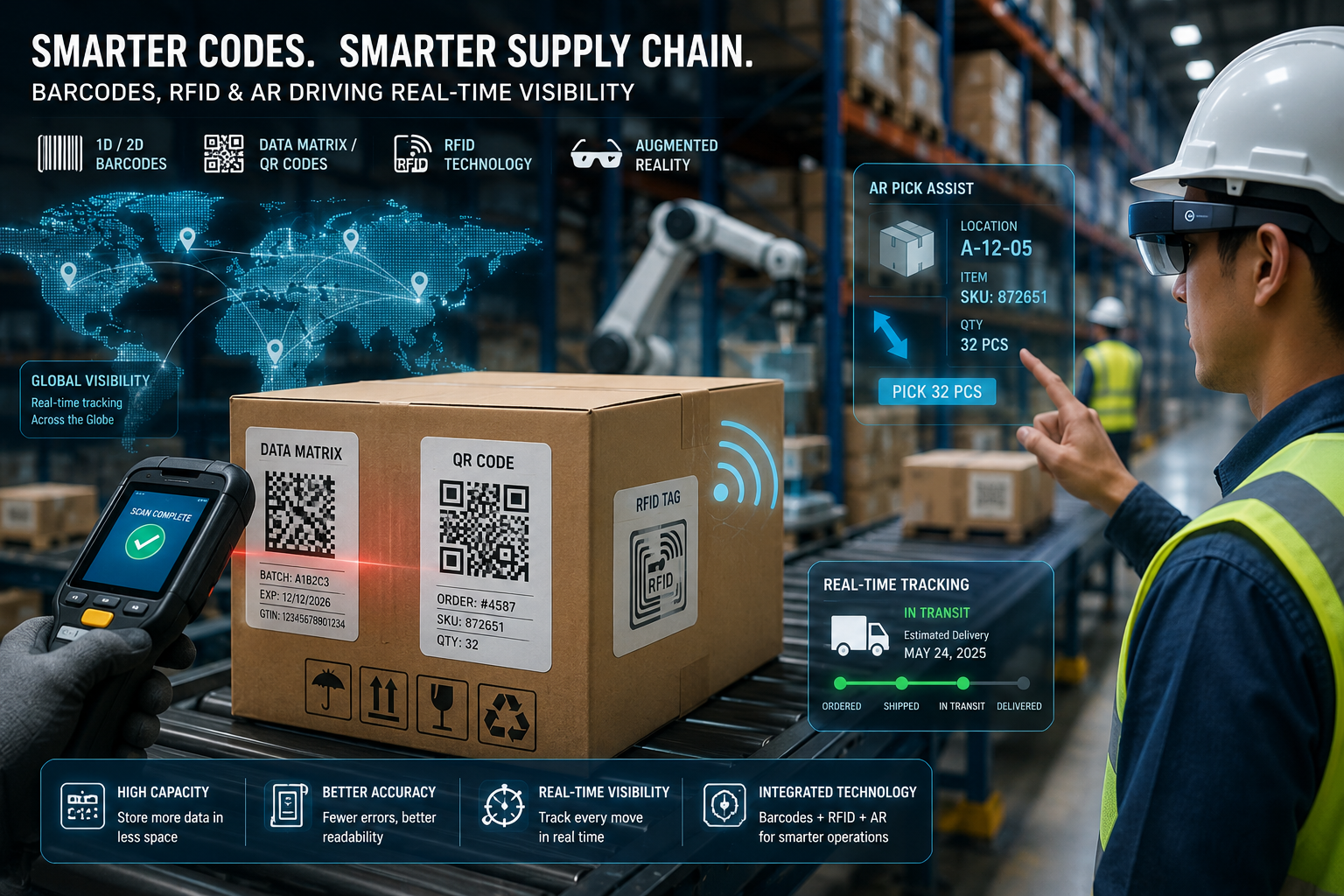

Barcode Evolution: Driving Supply Chain Visibility and Efficiency
Quick Summary What began as a grocery store experiment in…
Quick Summary What began as a grocery store experiment in…

Quick Overview In 2025, logistics will be transformed by automation,…
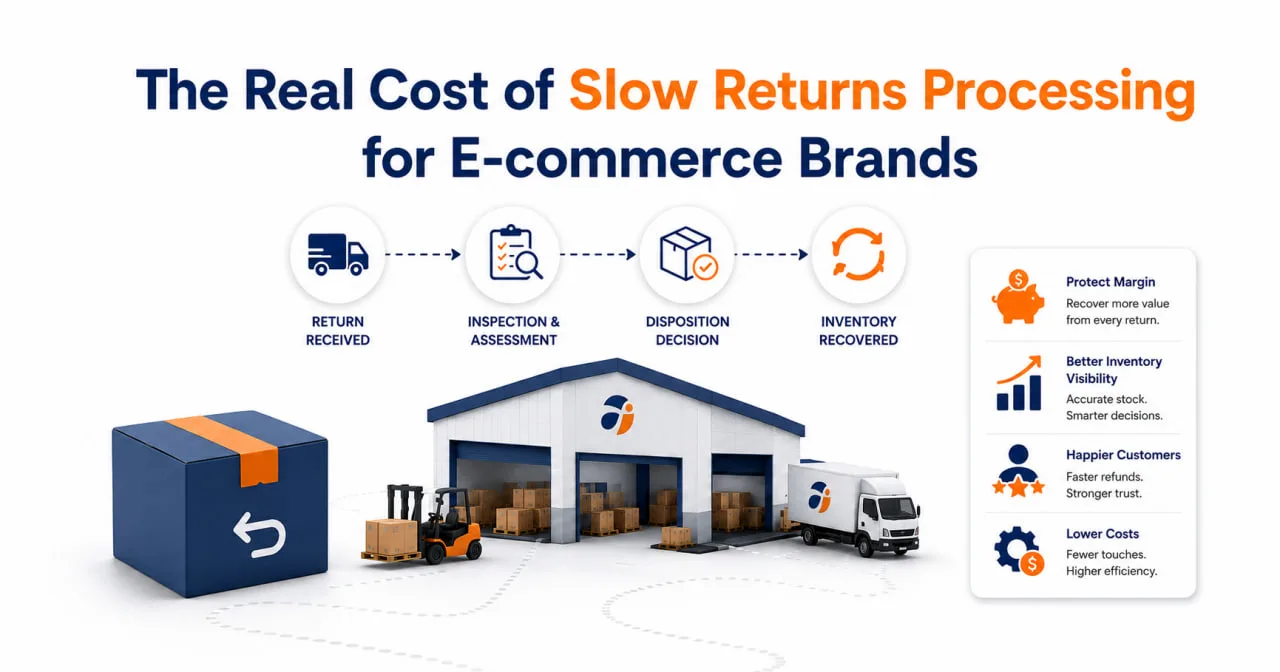
A Quick Summary and Overview For e-commerce brands, returns are…
A Quick Summary and Overview Circular supply chains represent a…
Donald Trump, the former president of the United States, has suggested imposing a 25% tariff on imported automobiles and auto parts, which could revolutionize the automotive industry in Canada. The highly intertwined Canadian-American auto industry, where billions of parts and automobiles cross the border each year, would be greatly impacted by this policy. Vehicles that comply with the USMCA may be partially exempt, but Canadian manufacturers must demonstrate U.S. content levels, handle additional administrative requirements, and possibly reorganize supply chains. The MacMillan Supply Chain Group looks at how these tariffs might change the auto industry in North America, what steps need to be taken to comply, and how Canadian suppliers can adjust to stay competitive in this shifting trade landscape.
The automotive industry is about to undergo significant change, and Canadian manufacturers must be aware of this. The North American auto manufacturing network would be impacted by Trump’s proposed auto tariffs, which would impose a 25% tax on cars and parts entering the country. These tariffs pose a serious threat to the status quo for Canada, which exports more than $30 billion worth of automobile goods to the United States each year.
With parts frequently traveling across borders several times before a vehicle is finished, the Canadian auto industry has prospered as a component of an integrated continental supply chain. This smooth movement might become more difficult and expensive under the proposed tariffs. Vehicles that fulfill USMCA requirements might be eligible for partial exemptions, but demonstrating compliance necessitates additional paperwork and verification.
We at MacMillan Supply Chain Group are aware of how important these developments are. Let’s examine how these changes may affect cross-border auto manufacturing, what they mean for Canadian auto suppliers, and what tactics can be used to deal with this changing environment.
A significant change in North American trade relations is reflected in Trump’s proposed auto tariffs.Amid national security concerns, these tariffs would impose a 25% tax on imported cars and parts under Section 232 of the Trade Expansion Act. But, what does this really mean for Canadian Manufacturers?
Vehicles are treated differently depending on their origin and content thanks to the tariff structure’s tiered system:
For instance, tariffs would be applied to the remaining 70% ($42,000) of a $60,000 car built in Canada that has 30% U.S. content, resulting in a $10,500 tariff. The economics of cross-border manufacturing are significantly altered by this.
According to the implementation timeline, procedures should be in place by June 2025, which leaves businesses with little time to adjust. This calls for a quick review of content sources and supply chains for Canadian auto suppliers.
One should not undervalue the administrative burden. Systems for monitoring and certifying the percentage of U.S. content in each component and completed vehicle must be put in place by businesses. This calls for spending money on supply chain visibility tools and documentation systems, which many smaller Canadian parts manufacturers might not have at the moment.
USMCA compliance is now a business survival strategy for Canadian auto parts manufacturers rather than just a legal necessity. It is now crucial to comprehend the intricate regulations that establish whether a product is eligible for preferential treatment.
Vehicles must fulfill a number of requirements in order to be eligible for tariff exemptions under the USMCA:
75% of essential components must be made in North America; 70% of steel and aluminum must be obtained locally; and 40–45% of the content must come from businesses that pay employees at least $16 per hour.
Many Canadian auto suppliers that source materials from around the world will find it difficult to comply with these thresholds, which are a major increase over earlier NAFTA requirements.
Another level of complexity is introduced by the certification procedure. Although USMCA takes a more flexible approach than NAFTA’s formal certificates of origin, it still necessitates thorough documentation.Companies must maintain comprehensive records that specify where each component comes from and what value additions were made in North America.
This presents a dual challenge for smaller Canadian parts manufacturers, who must put in place reliable tracking systems in addition to adhering to stricter content requirements. As automakers look for suppliers who can help them avoid tariffs, those who are unable to certify North American content may find themselves at a significant competitive disadvantage.
According to industry experts, many auto suppliers have already seen a 5–10% increase in administrative costs as a result of USMCA compliance costs. Businesses must balance these compliance expenses against possible tariff savings in light of the additional pressure from tariffs.
The way North American automotive supply chains function may be drastically changed by the proposed tariffs. The current system permits parts to cross borders several times during production because it is based on decades of integration. Under new tariff structures, this effective model might no longer be financially viable.
Just-in-time delivery methods, which reduce inventory costs, are crucial to the production of automobiles in Canada. These carefully calibrated systems could be upset by tariffs in a number of ways:
Early indications of supply chain diversification are already visible as businesses make backup plans. Some Canadian automakers are looking into opening or growing their operations in the United States, especially for expensive parts that would be subject to high tariffs.
More drastic changes are being contemplated by others. Some manufacturers are considering restructuring their entire supply networks instead of just moving their production facilities. By establishing more independent production ecosystems in each nation, this could result in fewer cross-border movements.
These changes present opportunities as well as threats to Ontario and Quebec’s automotive clusters in Canada. Although some production may move south, manufacturers looking to keep North American content levels may choose to do business with Canadian facilities that have special capabilities or strong USMCA compliance positions.
In addition to direct automakers, the Canadian auto industry ecosystem’s logistics, raw material, and service providers are also impacted.
Trump’s proposed auto tariffs could have far-reaching economic effects on entire communities and the Canadian economy as a whole, in addition to specific businesses. The stakes are particularly high because automobile exports to the US account for 20% of Canada’s total merchandise exports.
About 125,000 people are directly employed in Canada’s automotive industry, and hundreds of thousands more work in related sectors. According to economic analysis, if businesses move production to avoid tariffs, tariffs could jeopardize 10–15% of these positions.
There are already indications of caution in investment patterns. As businesses wait for clarity on the implementation of tariffs, a number of planned expansions of Canadian automotive facilities have been put on hold. Long-term effects on Canadian manufacturing capacity may result from this investment uncertainty.
Since Ontario is home to the majority of Canadian auto manufacturing, the regional impact would be especially concentrated there. If auto production drops, towns like Windsor, Oshawa, and Brampton may experience serious economic difficulties.
The supply chain as a whole would be under financial strain. If orders drop or payment terms lengthen as a result of tariff issues, Tier 2 and Tier 3 suppliers typically smaller Canadian businesses with little cash on handmay experience serious cash flow issues.
Not all economic effects, though, would be adverse. Reshoring programs may help some Canadian manufacturers as the value of North American content rises. Automakers looking to streamline their supply chains under the new regulations may place a greater demand on businesses with distinctive capabilities and strong USMCA compliance positions.
For businesses across Canada’s automotive supply chain, the proposed tariffs present a number of serious obstacles:
The advanced tracking systems required to certify U.S. content percentages are absent from many Canadian auto parts manufacturers. They are at a competitive disadvantage since they are unable to assist their clients in obtaining tariff exemptions without these systems.
Canadian suppliers find it difficult to give customers long-term pricing commitments because tariffs have the potential to alter the cost structure of cross-border manufacturing. Future planning and contract negotiations are made more difficult by this uncertainty.
As long as tariff policies are unclear, businesses are hesitant to make significant capital expenditures. This could put Canadian facilities at a technological disadvantage and postpone modernization efforts.
Numerous Canadian producers depend on international supply chains that might not satisfy USMCA content standards. These networks are costly and time-consuming to restructure.
The ensuing trade tensions could further disrupt automotive supply chains and raise costs for all parties involved if Canada responds with counter-tariffs.
Smaller suppliers may face significant financial difficulties if tariffs need to be paid in advance before clients reimburse them, or if payment terms are extended due to administrative problems.
We at MacMillan Supply Chain Group have created all-inclusive solutions to assist Canadian auto suppliers in adjusting to the evolving tariff environment. Our method blends operational excellence, strategic planning, and in-depth understanding of international trade.
Trade compliance specialists on our team are available to assist you:
Examine your current supply chain to determine whether it qualifies for the USMCA; identify any elements that could compromise compliance; create documentation systems that monitor and confirm the origin of content; and create certification paperwork that satisfies customs requirements.
By locating substitute suppliers in the area, we have assisted several automakers in raising their North American content percentages. In order to shield themselves from possible tariff exposure, we collaborated with a parts manufacturer located in Ontario to raise their USMCA-compliant content from 68% to 79%.
Our supply chain engineers can assist you in restructuring your business to reduce the impact of tariffs while preserving productivity:
For instance, in order to increase their capacity to satisfy USMCA labor value content requirements, we assisted a Canadian supplier of aluminum parts in restructuring their production flow to accomplish more value-added processes domestically.
Our knowledge of logistics can help manage the growing complexity of cross-border movements:
Simplify customs paperwork to avoid delays at the border; Create alternate routes to ensure delivery dependability; Put in place visibility systems to monitor shipments and possible interruptions; and Strategically manage inventory to protect against supply chain uncertainties.
Additionally, we provide the following solutions to help control the financial impact of tariffs:
Among our digital supply chain solutions are:
MacMillan Supply Chain Group offers a thorough strategy for overcoming the difficulties posed by Trump’s proposed auto tariffs by integrating these solutions. Our clients are putting themselves in a position to prosper in the new trade environment, not just surviving these changes.
Now is the time to get ready for possible auto tariffs before they go into effect. The following are doable actions that Canadian auto suppliers can take to set themselves up for success:
Start by carefully examining your present position regarding USMCA compliance:
Your biggest weaknesses and areas for development will be found by this baseline evaluation.
Instead of waiting for the final tariff details, make plans for a number of possible outcomes:
You can react swiftly as policies change thanks to this scenario planning.
Strong documentation will be necessary regardless of the final tariff structure:
MacMillan Supply Chain Group can offer outstanding value in this situation. Our group specializes in managing intricate trade regulations and streamlining international supply chains. We are able to assist you:
Perform a thorough tariff impact analysis; create specialized compliance plans; put in place the systems required to document and certify origin; and streamline your logistics network to reduce tariff exposure.
Avoid delaying on setting up your preparations until after tariffs are imposed. To arrange a consultation about how MacMillan Supply Chain Group can assist your company in effectively navigating these changes, get in touch with us right now. Together, you and our experts will create a customized plan that safeguards your competitive edge and transforms possible disruption into opportunity.
We’re well-positioned to help your company through this transition because we have offices across Canada and a wealth of experience in automotive logistics. To find out more about our automotive supply chain solutions, give us a call at 416-941-2759 or visit our website.