
Unlocking Supply Chain Transparency with Blockchain Technology
Quick Summary Imagine a world where every product’s journey from…

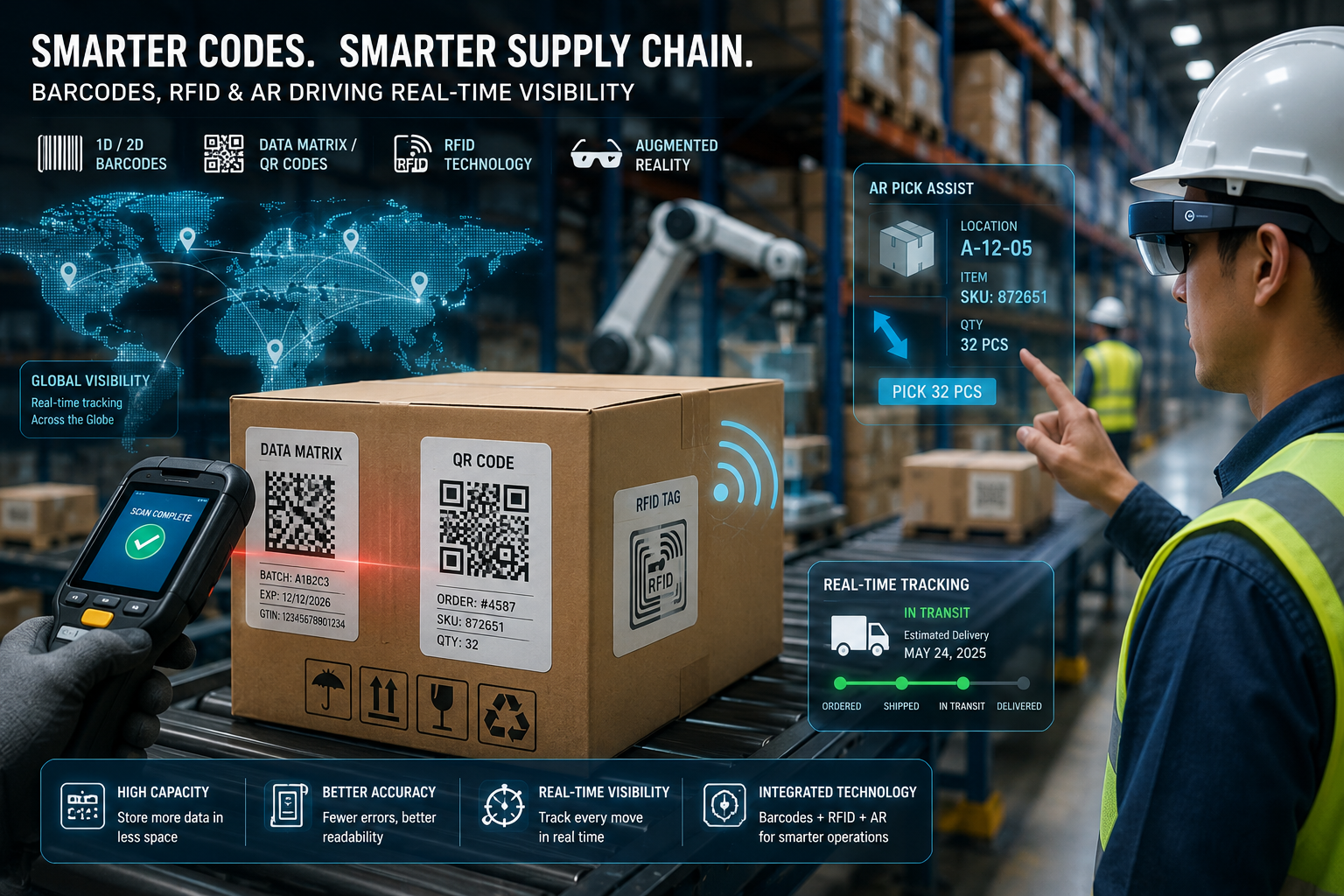
Quick Summary Imagine a world where every product’s journey from…
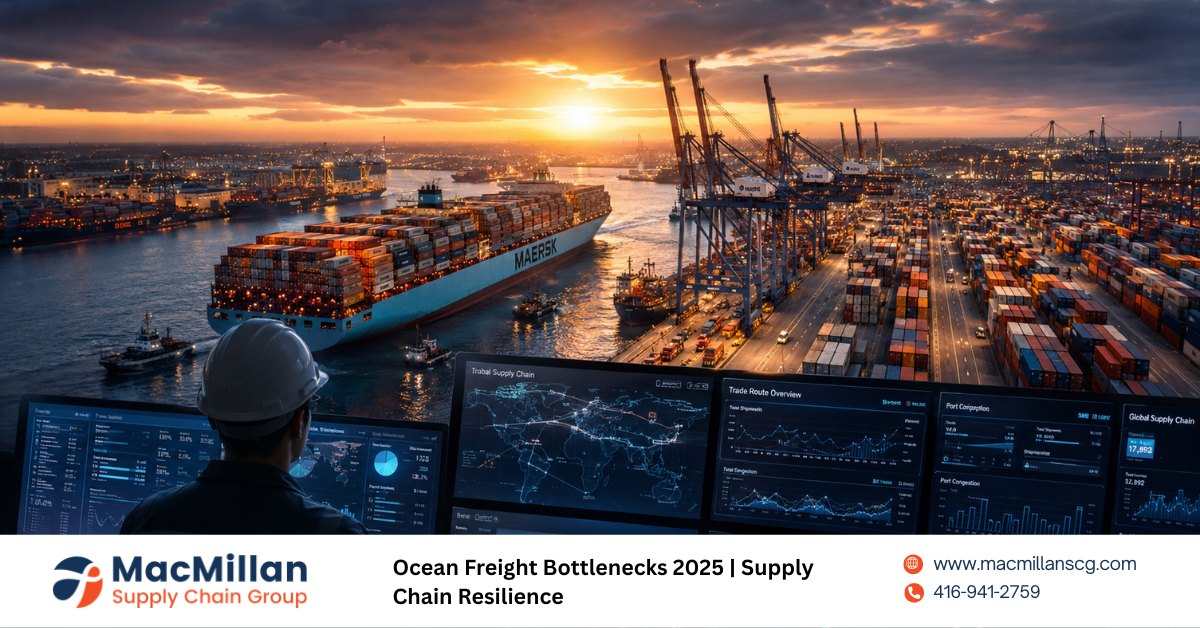
Quick Summary: As we approach 2025, the ocean freight industry…
Quick Summary What began as a grocery store experiment in…
Quick Overview In 2025, logistics will be transformed by automation,…
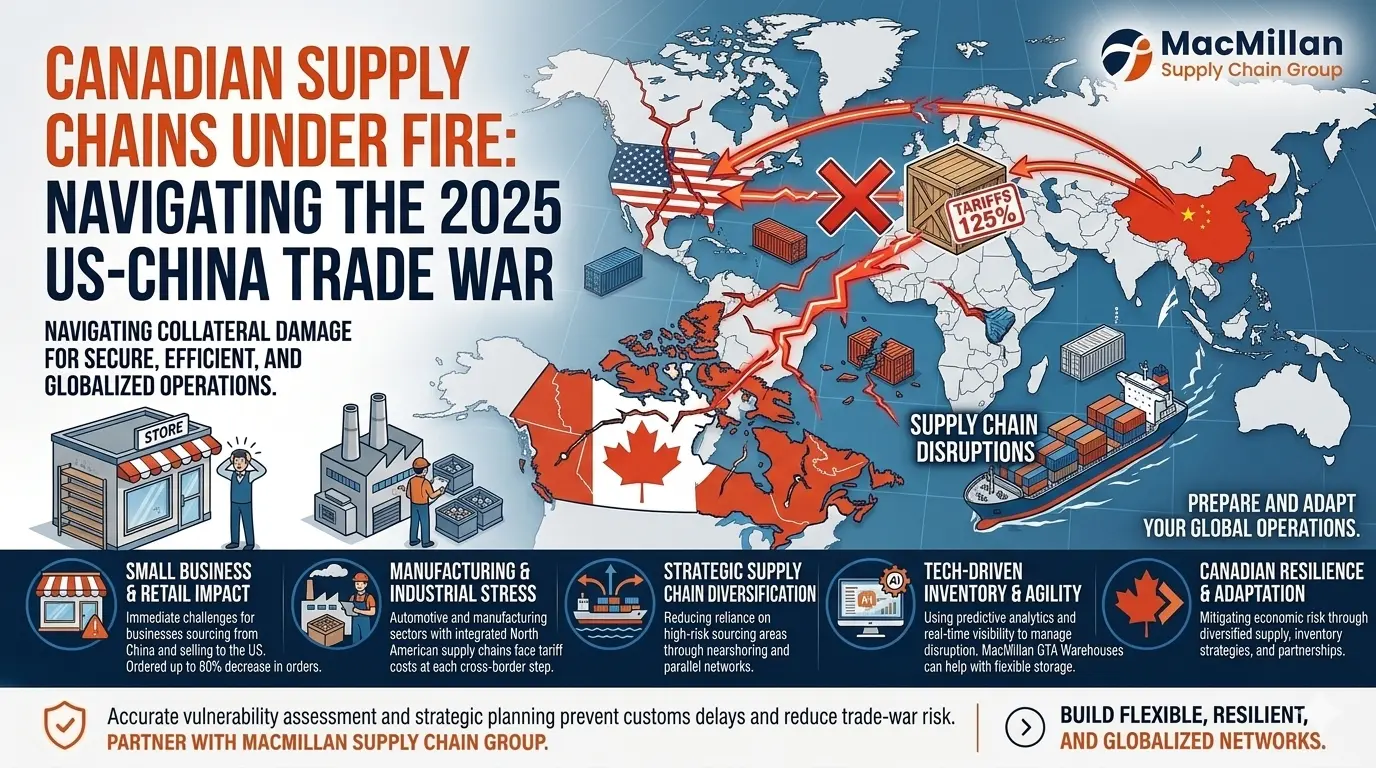
With tariffs on Chinese imports to the US rising to 125% in, the US-China trade war 2025 has escalated to unprecedented levels. Canadian companies are caught in the crossfire even though the country isn’t specifically targeted. For businesses that depend on cross-border trade, this economic conflict threatens market access, raises costs, and disrupts supply chains.
While larger businesses struggle with operational disruptions, small retailers who source from China and sell to the US face immediate challenges. Important industries like forestry, textiles, and electronics are especially at risk. This article examines how the trade war has affected Canadian supply chains and provides useful advice for companies looking to weather these choppy waters.
In 2025, the US-China trade war has escalated significantly, sending shockwaves well beyond the boundaries of these two economic superpowers. Despite not being the direct targets, Canadian companies are suffering severe collateral damage as a result of the United States’ imposing tariffs of up to 125% on Chinese goods. Supply chains that Canadian businesses have depended on for decades are being disrupted by this economic conflict, which is also changing patterns of international trade.
The impact is getting harder to ignore for companies all over Canada, from manufacturing behemoths in Ontario to tiny retailers in British Columbia. As the ripple effects spread throughout interconnected global markets, even businesses without direct ties to China are impacted. Canadian supply chains face previously unheard-of difficulties as tariffs raise prices and cause uncertainty, necessitating innovative solutions and strategic adaptation.
Let’s explore how this trade war is affecting Canadian businesses, which sectors are most vulnerable, and what strategies companies can implement to protect themselves in this volatile environment.
It took time for the US and China to develop the current trade tensions. They are the result of years of conflicting global aspirations, political disagreements, and economic rivalry. International trade relations are in a perfect storm in 2025 due to a number of factors.
Targeting Chinese imports, the US has imposed a multi-tiered tariff system, with duties on some goods reaching 125%. Raw materials and completed goods, as well as textiles and electronics, are all impacted by these tariffs. Reducing the US trade deficit, preserving American jobs, and resolving national security issues pertaining to vital supply chains and technologies are among the stated objectives.
China has retaliated with its own countermeasures, such as import restrictions and tariffs on American goods. For businesses around the world, long-term planning is very challenging due to the climate of uncertainty created by this tit-for-tat escalation.
Because of our special position, the situation is especially difficult for Canadian businesses. With China as our second-largest trading partner and the United States as our largest, Canada maintains close economic ties with both nations. Canadian companies are frequently caught in the middle of these titans’ conflicts, with disruptions coming from both sides.
As these trade tensions continue to reshape global commerce, many Canadian businesses are also exploring broader strategies to reduce reliance on traditional U.S. trade channels and diversify their international supply chain networks.
Another level of complexity is introduced by the unpredictable nature of policy changes. Businesses are frequently given little notice when new tariffs or trade restrictions are announced, leaving them with little time to adjust. Instead of adhering to meticulously crafted strategic plans, this volatility compels businesses to function in a reactive manner.
The ways that the US-China trade war 2025 has affected Canadian supply chains differ greatly depending on the kind of business and industry. It is essential to comprehend these effects in order to create efficient response plans.
Small manufacturers and retailers are especially at risk. They are directly in the crossfire since many import goods or materials from China and resell them in the US market. For instance, a clothing company based in Vancouver that imports fabrics from China and exports completed clothing to the US now has to deal with increased expenses at both ends of their supply chain. Uncertainty and growing expenses have caused some small businesses to halt up to 80% of their Chinese orders.
Usually, these smaller businesses don’t have the resources to switch suppliers or markets quickly. They frequently have smaller profit margins, which limits their ability to absorb rising expenses without raising consumer prices.
There are many obstacles to overcome, even for big Canadian companies with more resources. Businesses that rely heavily on US sales, such as Lululemon, have seen a drop in stock values as investors fear the effects of the trade war. Large manufacturers and retailers have to manage intricate supply chain interruptions while keeping prices competitive.
Larger companies frequently have more intricate supply chains with numerous touchpoints in both China and the US, even though they might be more adaptable. Even though they have a lot of resources at their disposal, restructuring these established networks takes a lot of time and money.
Different industries are affected by the trade war in very different ways, with some experiencing more serious disruptions than others.
The electronics sector has been particularly severely impacted. Businesses deal with increased component costs and production delays as a result of intricate global supply chains that are frequently based on Chinese manufacturing. Computers, gaming consoles, and smartphones are becoming more expensive for Canadian consumers. Due to supply constraints and manufacturers’ preference for larger markets, some technology releases have been postponed in the Canadian market.
Given that textile production has been largely concentrated in China for decades, clothing manufacturers and retailers face numerous obstacles. Relocating production to other countries, such as Bangladesh, India, or Vietnam, necessitates forging new connections, maintaining quality control, and negotiating various regulatory frameworks, all of which take time and temporarily raise costs.
Trade disruptions put additional strain on Canada’s forestry industry, which is already coping with issues like pine beetle infestations and shifting environmental regulations. Economic strain is being felt by communities in British Columbia and other areas that depend on forestry as export markets become less dependable and more costly to serve.
Particular difficulties are faced by the automotive sector because of its highly integrated North American supply chains. During production, parts and components frequently travel across borders several times, possibly resulting in tariffs at each stop. Because of its complexity, the industry is particularly susceptible to disruptions in major economies’ trade.
Beyond direct import and export ties, the US-China trade war 2025 has wider economic ramifications that affect almost all Canadian consumers and businesses.
Many companies are forced to pass on the higher costs of imported materials and goods to customers. Prices for electronics, apparel, furniture, and many other items have increased for Canadians. These price increases impact everyone’s purchasing power by adding to the economy’s overall inflationary pressures.
Many businesses have canceled or delayed orders as a result of the trade war’s uncertainty, which has affected supply chains. Product shortages have surfaced in a number of industries, including building materials and electronics. Both consumers and businesses experience delays and price increases as a result of these shortages.
The unpredictable nature of trade tensions has made many businesses hesitant to make major investments. Everything from new product development to facility expansions is impacted by this prudence. As businesses choose to “wait and see” instead of pursuing aggressive expansion plans, economic growth may slow.
Given our close economic ties, some economists caution that ongoing trade tensions could lead to a recession in the US, which would unavoidably affect Canada. A downturn in the US economy would lower demand for Canadian exports in all industries, which could lead to a slowdown in the Canadian economy as a whole.
As they negotiate the complicated environment brought about by the US-China trade war 2025, Canadian businesses encounter several challenges:
Long-standing supply chains that took years to establish are now in a state of chaos. As suppliers deal with tariffs and trade restrictions of their own, businesses find it difficult to maintain consistent access to materials and components.
While supply shortages cause prices to rise through market forces, tariffs directly raise the cost of imported goods. These increased expenses put pressure on profit margins and necessitate tough choices regarding pricing policies.
Future market access is uncertain for Canadian companies that export to the US or China. Rapid strategic adjustments may be necessary if policy changes abruptly reduce the accessibility or profitability of particular markets.
In some markets, businesses in nations with preferential trade agreements may have an advantage over Canadian companies. This dynamic competitive environment necessitates ongoing observation and adjustment.
Because trade tensions are unpredictable, long-term planning is very difficult. Instead of sticking to a single, well-defined plan, businesses need to create several backup plans.
In the short term, it may be difficult or impossible to find substitute suppliers for many specialized parts or materials outside of China. It takes a lot of time and money to develop new supply sources.
Despite these significant obstacles, Canadian companies can use a number of tactics to reduce risks and stay competitive in this unstable market:
Diversifying supply chains is one of the best ways to lessen reliance on any one nation. This strategy could consist of:
For example, a Canadian electronics manufacturer previously reliant on Chinese components might develop parallel supply chains in Vietnam and Mexico, allowing them to shift production based on changing tariff structures.
Changing inventory management techniques can help protect against interruptions in the supply chain:
Increasing safety stock levels for essential parts sourced from high-risk areas; optimizing stock levels through the use of more advanced inventory tracking systems; and creating backup plans in case of supply disruptions
In order to account for possible delays, flexible delivery schedules are negotiated with clients
For instance, a furniture retailer might increase the number of popular Chinese-made items in their inventory while simultaneously developing relationships with overseas producers in anticipation of future orders.
Canadian companies can protect themselves from the effects of the trade war by reducing their reliance on the US market:
In order to create a more balanced customer portfolio, a Canadian food processor that exports mostly to the US might create new product lines especially tailored for European tastes and regulations.
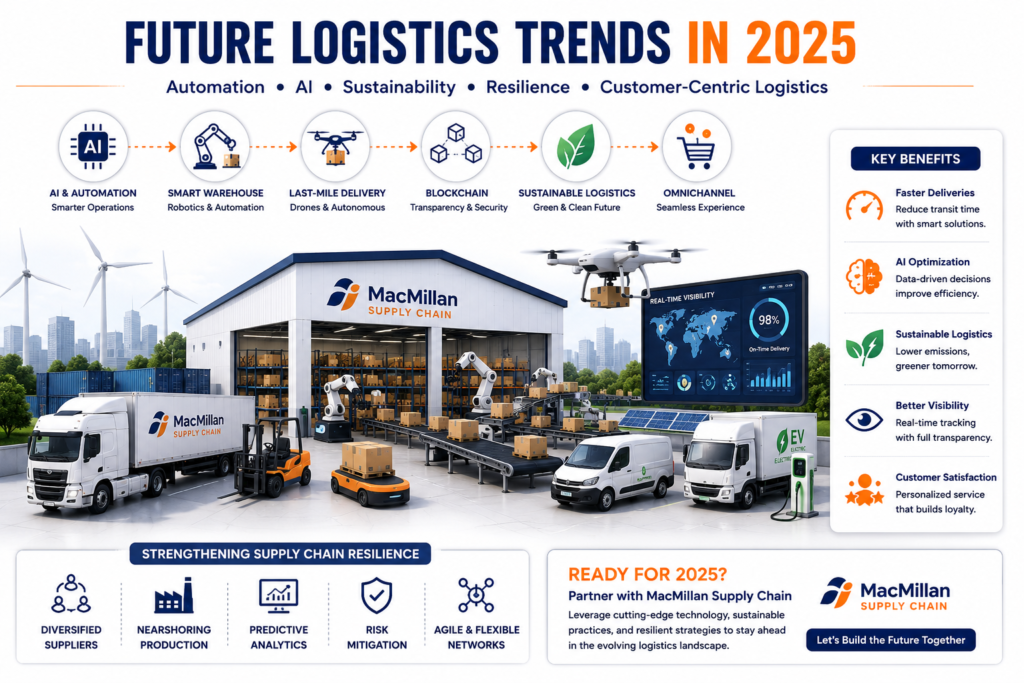
Cutting-edge technologies can increase agility and visibility:
Businesses can react to changes faster and make better decisions in unpredictable situations with the aid of these technological solutions.
Working together with other organizations can benefit both parties:
Canadian companies can create more robust supply chain solutions and realize economies of scale by collaborating instead of working alone.
Here are specific actions you can take immediately if you’re a Canadian manager or business owner worried about how the US-China trade war 2025 will affect your supply chain:
We at MacMillan Supply Chain Group are aware of the particular difficulties that Canadian companies encounter in the current unstable trade climate. Our team of supply chain specialists specializes in assisting businesses in creating flexible, robust logistics solutions that can endure disruptions in international trade.
We provide alternative sourcing methods, thorough supply chain analyses, and tailored logistics solutions made especially for the Canadian market. Despite the difficulties associated with international trade, our vast warehouse network throughout the Greater Toronto Area offers a variety of flexible storage options, and our cutting-edge distribution capabilities guarantee that your products reach customers effectively.
Avoid letting the trade war between the US and China stop the expansion of your company. To find out how we can assist you in navigating these difficult times and turning possible disruptions into competitive advantages, get in touch with MacMillan Supply Chain Group right now.
Even if your business doesn't import directly from China or export to the US, you're likely still affected through your supply chain. Many Canadian suppliers source materials or components from China, meaning their costs increase with tariffs. Additionally, global market disruptions affect pricing across industries. For example, if electronics manufacturers face higher costs for Chinese components, prices may rise for all electronics, regardless of origin.
Canadian industries most affected by the US-China tariffs include electronics, textiles and apparel, forestry, and automotive manufacturing. These sectors rely heavily on Chinese raw materials or components and depend on the US as a major export market. As tariffs increase costs and disrupt supply chains, businesses in these industries face shrinking margins, delays, and reduced competitiveness.
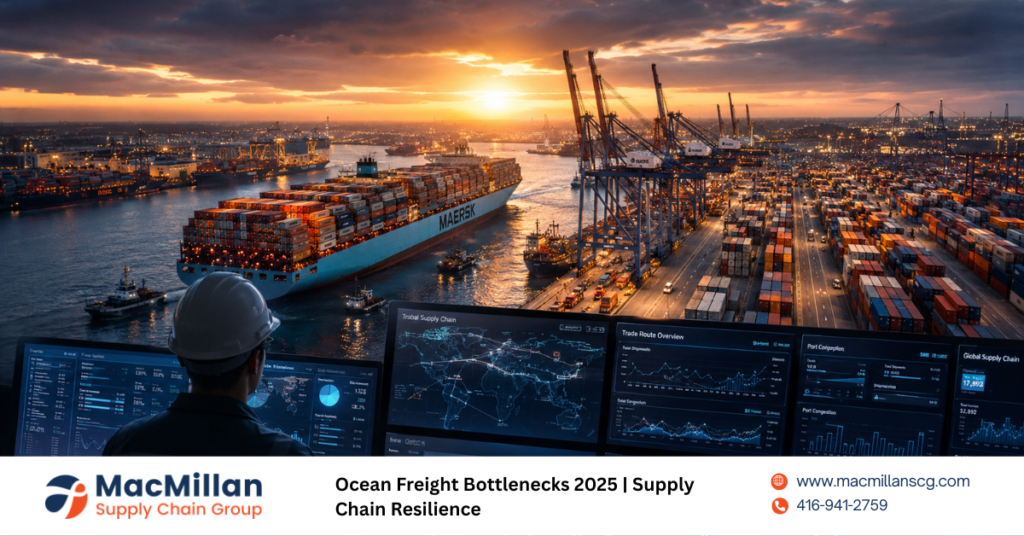
The trade war has significantly disrupted global shipping and logistics by creating delays, route changes, and higher transportation costs. Many companies are canceling or rerouting shipments to avoid tariffs, leading to congestion in alternative trade routes. Freight rates have become more volatile, and longer delivery times are now common due to customs inspections and supply chain uncertainty.
To reduce dependency on China, Canadian businesses are increasingly sourcing from countries like Vietnam, India, Bangladesh, Thailand, and Mexico. These regions offer lower tariff exposure and competitive manufacturing costs. Nearshoring options such as Mexico are also gaining popularity due to shorter shipping times and easier access to the North American market.
Small businesses can stay competitive by focusing on supplier diversification, strategic partnerships, and better inventory planning. Working with third-party logistics (3PL) providers, joining buying groups, and leveraging digital tools for demand forecasting can help reduce costs and improve flexibility. Gradual changes, rather than complete overhauls, also make adaptation more manageable.
Yes, despite the challenges, there are opportunities for Canadian businesses. Companies can expand into new markets, strengthen domestic production, and build more resilient supply chains. Some Canadian exporters may also benefit from reduced competition in certain markets as US-China trade tensions shift global demand patterns.