
Wholesale Ecommerce An In-Depth Guide Top 5 Platforms
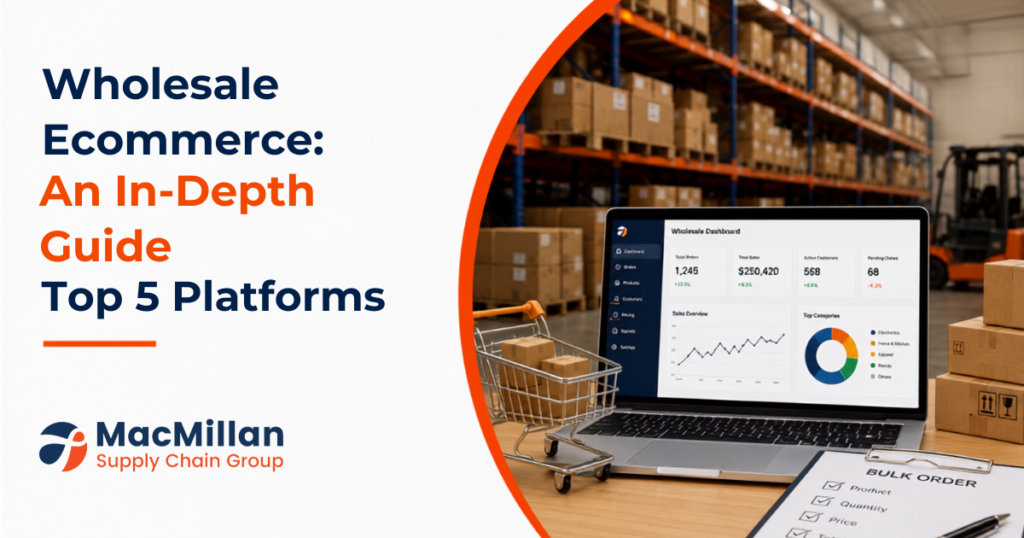
In today’s Wholesale Ecommerce landscape, direct-to-consumer sales often take center stage. We typically think of placing an order online and having it delivered straight to our homes. However, selling Ecommerce bulk online is rapidly gaining traction as a prevalent ecommerce model. Multichannel retailing solutions have enabled many DTC brands to expand into wholesale services, allowing them to generate additional revenue and enhance brand recognition by catering to other businesses. In this article, we delve into the concept of wholesale ecommerce, its operational mechanics, and provide a comparison of some of the best wholesale ecommerce platforms available for your business. Unlocking New Revenue Streams with Wholesale Ecommerce Wholesale ecommerce involves selling products in bulk to other businesses, rather than directly to individual consumers. Notably, B2B or wholesale ecommerce grew 1.17 times faster than the overall growth in manufacturing and distribution sales, with a 15.2% year-over-year increase (Digital Commerce 360). This process is facilitated through online platforms where businesses place orders with wholesalers, who in turn sell the goods at discounted prices. Essentially, wholesalers act as intermediaries between retailers and manufacturers. Retail ecommerce businesses purchase goods in bulk from wholesalers, benefiting from reduced prices. The advantages are evident: higher order volumes and reduced time spent on manual entry and administrative tasks. Becoming a wholesaler allows you to tap into this vast market, creating new revenue streams for your business. How Wholesale Ecommerce Works Online Platforms: Businesses browse online wholesale platforms to find and compare products from various suppliers. Order Placement: Orders are placed in bulk, ensuring significant cost savings for the buyer. Intermediary Role: Wholesalers buy products from manufacturers and sell them to retailers, streamlining the supply chain. Access to Suppliers: Ecommerce businesses gain access to a wide variety of suppliers, allowing them to compare prices and diversify their product offerings. Benefits For Retailers: Easier access to a broad range of products and suppliers, enabling price comparison and product diversification. For Manufacturers: Reduced burden of finding retailers to distribute their products to end consumers. In summary, wholesale ecommerce simplifies the supply chain, making it easier for retailers to source products and for manufacturers to reach a wider market. Wholesale ecommerce platforms are specialised online marketplaces that facilitate bulk ecommerce transactions between businesses. Designed to meet the unique needs of B2B operations, these platforms offer features such as customised pricing, bulk ordering, and integration with inventory management systems. Key functionalities include product catalog management, streamlined order processing, and robust customer management tools, making them essential for businesses seeking to optimize their supply chains and scale their operations. How does B2B Ecommerce Benefit Wholesalers? Historically, it was believed that B2B customers avoided digital channels due to the complexity of wholesale transactions. This perception has led many suppliers to delay investing in ecommerce. However, recent McKinsey research shows that B2B buyers have evolved. With easier access to information through digital channels, buyers now gather information independently, reducing wholesalers’ opportunities to influence decisions in person. B2B ecommerce platforms have transformed how wholesalers operate online, offering several key benefits: Simplifies the Buying Process Many wholesalers view ecommerce as unsuitable due to the complex nature of B2B transactions, which often involve contract pricing, product exclusivity, and special terms and conditions. While these concerns are valid, the right wholesale ecommerce platform can address these challenges and promote business growth. By creating a private B2B ecommerce website, wholesalers can provide clients with all necessary information, eliminating the need for basic inquiries and streamlining the purchasing process. Automates Wholesale Processes One of the biggest advantages of modern wholesale ecommerce is automation. From signup to checkout, ecommerce automation reduces the time spent managing orders via phone and email, allowing wholesalers to focus on strategic business needs. They can place orders at their convenience and track their order status, saving time and effort. Embracing B2B ecommerce enables wholesalers to streamline operations, enhance customer experience, and drive growth in the digital age. Today’s ecommerce technology, such as Due Trade’s B2B wholesale app, offers a range of tools that can transform your wholesale operations: Custom Pricing and Discounts: Easily create tailored pricing and percentage discounts for specific customers or groups. Automated Customer Signups: Streamline and review customer signups effortlessly. Order Management: Allow customers to purchase, track, and reorder products with ease. Order Review: Review orders before invoicing to ensure accuracy. Inventory Management: Simplify inventory and order management processes. Enhancing the Buyer Experience B2B buyers now expect the same high level of service as B2C customers. Armed with information, they prefer simple onboarding and ordering experiences without needing to speak to a representative. Research from Demand Gen Report shows: 67% of B2B buyers want easy access to wholesale pricing. 64% require easy access to content without registration forms. 66% are influenced by websites that cater to specific industry needs. Anticipating Buyers’ Needs Ecommerce technology helps wholesalers anticipate and meet buyers’ needs by aiding their research process and ensuring easy access to relevant content throughout the buying journey. Increasing Sales While Lowering Costs Selling wholesale online accelerates business growth. For manufacturers, bulk ecommerce selling increases product volume and lowers the cost-per-unit, boosting profit margins. Bulk shipping to fewer customers also reduces fulfillment costs. Entering New Markets Expanding into new regions presents logistical and marketing challenges. Partnering with an established top-tier company such as MacMillan can mitigate risks and lower setup costs by leveraging their supply chain and customer base, saving on marketing expenses. Streamlined Ordering Wholesale ecommerce platforms enable businesses to place bulk orders quickly and effortlessly, reducing the time and effort needed to manage orders manually. Top B2B Wholesale Ecommerce Platforms 1. Magento Magento is a leading ecommerce platform renowned for its advanced features and flexibility tailored to B2B businesses. With a wide array of extensions and integrations, it is an excellent choice for wholesale ecommerce operations seeking robust and customizable solutions. 2. Shopify Shopify is a well-known ecommerce platform that provides a comprehensive range of features and integrations to manage online sales efficiently. Its growing B2B capabilities make it an ideal option for small to medium-sized wholesale businesses looking for an accessible and scalable solution. 3. Alibaba Alibaba is a dominant name in the wholesale industry and often the go-to platform
3PL Warehousing Solutions for Canadian Companies
Understanding 3PL Services for Canadian Companies Third-party logistics (3PL) providers offer essential logistics services like warehousing, distribution, transportation, and freight forwarding. By outsourcing these tasks, businesses can concentrate on their core activities such as product development and sales. 3PL companies, like Acumen Logistics as a Canadian 3pl, has strategically located warehouses and distribution center to ensure efficient transportation and reduce delivery times. They provide comprehensive solutions, including logistics consulting, trucking services, and access to third-party warehouse space. 3PLs play a crucial role in helping businesses streamline their operations and improve efficiency. Let’s explore how 3pl warehousing in Canada help your business. What type of companies need 3PL warehousing services? 3PL providers play a crucial role in the Canadian 3pl supply chain industry, offering specialized services to optimize logistics operations for various sectors. E-commerce Companies: E-commerce businesses rely on 3PL warehousing, order fulfillment, and last-mile delivery, allowing them to focus on core activities like sales and marketing. Manufacturers: Manufacturers use 3PL providers to streamline transportation and 3pl warehousing, ensuring efficient product distribution to multiple global locations. Healthcare Companies: Healthcare companies need 3PL services for the careful storage and transportation of sensitive items like pharmaceuticals and medical equipment, ensuring safety and compliance. Food and Beverage Companies: Food and beverage companies depend on 3PL providers for cold chain logistics, maintaining the quality and freshness of perishable products and reducing waste. In essence, 3PL services are indispensable for businesses aiming to enhance their logistics efficiency and focus on their primary business functions. Do 3PL’s work with Canadian companies? 3PL warehousing providers collaborate with Canadian companies to optimize their supply chain operations. These providers offer a range of services, including transportation management, 3pl warehousing, distribution, freight forwarding, and customs brokerage. By partnering with a 3PL, like MacMillan, Canadian companies can leverage advanced technology, benefit from economies of scale, and tap into expertise in managing complex logistics. This partnership can enhance efficiency, reduce costs, and improve customer service. Determining if a 3PL is Right for Your Business Outsourcing your supply chain management to a Canadian 3PL can be highly beneficial, but it’s essential to ensure the provider aligns with your needs. Here are key factors to consider: Service OfferingsEnsure the 3PL provider offers the specific services you need, such as transportation, warehousing, or comprehensive supply chain management solutions. Industry ExperienceChoose a provider with relevant experience in your industry. Specialized knowledge can lead to better understanding of your logistics challenges and more effective, tailored solutions. Technology and IntegrationAdvanced technology is crucial for efficiency and accuracy. Look for providers offering real-time tracking, WMS Integration, advanced inventory management, and automated order processing. ReliabilityAssess the provider’s reliability and consistency. Check references, online reviews, and industry rankings to evaluate their track record and ensure they can meet your service requirements. Selecting the right 3PL provider can significantly enhance your supply chain management, leading to improved operational efficiency and customer satisfaction. Why Canadian Companies Choose MacMillan for 3PL warehousing? For Canadian companies seeking a reliable fulfillment partner, MacMillan stands out with a range of benefits real-time services. Here’s why MacMillan is an excellent choice: 3PL warehousing ExpertiseWe specializes in warehousing and fulfillment as a top tier Canadian 3PL provider, catering to the specific needs of retailers. Their experienced team works with companies of all sizes to ensure seamless operations. Faster ShippingWith strategically located warehouses across Canada, MacMillan ensures quick and efficient order fulfillment. This results in faster delivery times, enhancing customer satisfaction with zero error rate and real-time tracking. Cost-Effective SolutionsMacMillan offers cost-saving options such as discounted shipping rates, volume discounts, and customized pricing packages with no hidden fees and transparency. Partnering with us for your 3PL warehousing needs helps reduce costs. Scalable ServicesAs your business expands, MacMillan scales its services to match your growing needs. Whether you handle a few orders daily or thousands monthly, we adapt to support your business growth without compromising on efficiency. Key Take Aways In conclusion, third-party logistics (3PL) providers like MacMillan SCG are essential for Canadian companies looking to enhance their logistics operations. By offering comprehensive services such as warehousing, distribution, transportation, and freight forwarding, 3PLs enable businesses to focus on their core activities, improve efficiency, and reduce costs. Whether it’s e-commerce, manufacturing, healthcare, or food and beverage, 3PL warehousing services play a crucial role in streamlining supply chains and ensuring timely deliveries. Choosing the right 3PL partner, like MacMillan, can significantly elevate a company’s logistics performance, driving growth and customer satisfaction.
How to Make Your 3PL More Organized and Efficient
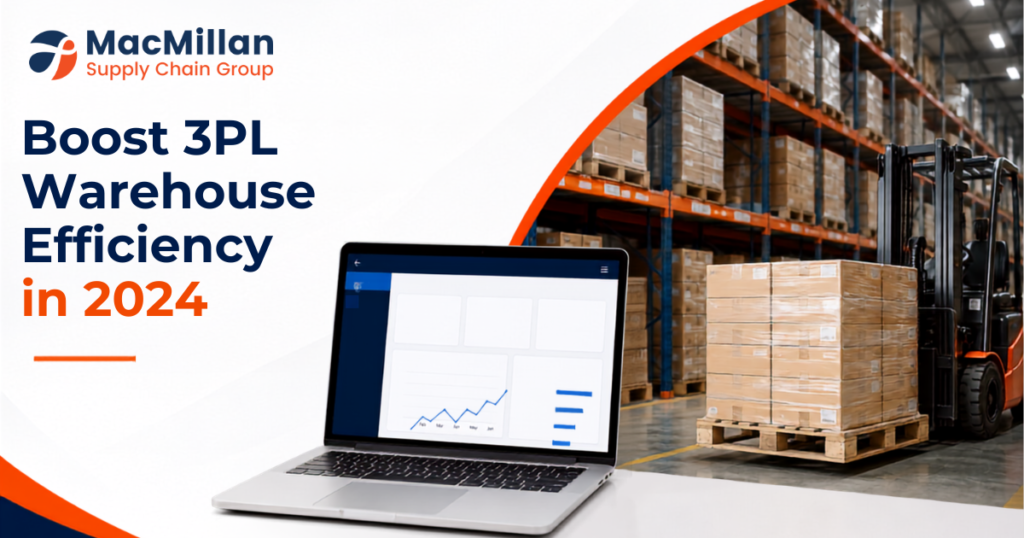
The future of Third-Party Logistics (3PL) is unfolding rapidly, and companies are continually seeking innovative strategies to streamline workflows and ensure swift, efficient delivery to customers. To stay competitive and thrive in this dynamic landscape, 3PL providers must adopt new technologies, maintain organization, and enhance efficiency. In this blog post, we’ll delve into the future of 3PL warehousing and share strategies for improving organization and boosting efficiency. The Importance of Efficiency and Organization in 3PL Achieving and maintaining efficiency and organization in 3PL warehousing operations is crucial for peak performance. Beyond managing daily tasks and staying organized in the present, 3PL centers such as MacMillan must also anticipate future demands and plan accordingly. Creating an efficient organizational structure in 3PL warehousing operations is vital for long-term competitiveness. Implementing solutions such as strategic product grouping, ergonomic layouts, and optimized replenishment cycles are key strategies 3PL companies should employ to develop a successful warehouse system for today and tomorrow. Creating a More Organized Warehouse To optimize existing warehouse space, 3PL organizations must prioritize creating a well-organized facility. Starting with accurate inventory management for better visibility and investing in 3PL warehousing and management software to enhance automation and 3PL billing software for efficient payment processing. Maximize space utilization by employing vertical storage solutions such as stackable pallets, which help conserve floor space. Visual aids, like labeled sections and color-coded systems, act as guides for easier picking. Additionally, maintaining a clean and tidy facility is essential for ensuring smooth operations at every step. What are the ways to Boost 3PL Efficiency Enhancing 3PL warehousing efficiency requires proper organization and strategic improvements in warehouse management software and overall procedures. By implementing these steps, 3PL organizations can save time and money, gaining a competitive edge in the market. Embrace automation to modernize 3PL warehousing operations, which improves efficiency and reduces manual labor for maximum productivity. Always consider the return on investment (ROI) when evaluating costs associated with technology investments and integrating lean best practices. While improving efficiency may initially appear costly, prioritizing significant investments can lead to substantial long-term benefits in warehouse productivity. By focusing on impactful changes, 3PL organizations can truly capitalize on their enhanced efficiency. Benefits of Warehouse Efficiency Achieving 3PL warehousing efficiency can be pivotal for 3PLs, yielding numerous advantages: A 3PL organization such as MacMillan’s success is deeply rooted in warehouse efficiency. With a well-tuned operation, they can offer exceptional logistical services while reaping all these benefits. How can a WMS Enhance 3PL Efficiency? 3PLs face enough challenges without dealing with disorganized services, this is where warehouse management software (WMS) proves invaluable. Implementing a seamless, integrated platform tailored to each customer’s needs allows 3PLs to avoid the chaos of inefficient processes. MacMillan’s WMS offers features such as cross-docking and advanced tracking capabilities, eliminating time-consuming tasks and ensuring smooth operations. By leveraging WMS, 3PLs can maintain efficient, error-free services, preventing costly delays and missteps for your business. Boost 3PL Warehousing Efficiency Today In today’s fast-paced and competitive landscape, 3PL providers must stay ahead by adopting cutting-edge technologies and implementing efficiency-boosting strategies. The key to maintaining a competitive edge lies in embracing innovation and staying organized. There are several effective ways to enhance warehouse efficiency, including the implementation of a warehouse management system and optimizing warehouse space. Given the critical role 3PL operations play in the success of many businesses, it’s essential to keep up with advancements and prepare for future challenges. To streamline your operations, consider using MacMillan Warehouse Management Software. An efficient 3PL operation not only performs better but also contributes to overall satisfaction and success. Key Pointers to Increase Efficiency in Your 3PL Warehouse in 2024 Stay Ahead with Technology: Embrace new technologies to keep up with the fast-paced, competitive landscape. Boost Organization and Efficiency: Utilize a warehouse management system to streamline operations and make optimal use of warehouse space. Adapt to Market Demands: 3PL operations are vital to the success of many businesses; staying organized and efficient ensures readiness for future challenges. Implement MacMillan WMS: Consider MacMillan Warehouse Management Software to enhance operational smoothness and efficiency. Continuous Improvement: An efficient 3PL leads to overall operational happiness and success. Key Take Aways The future of 3PL hinges on the ability to innovate, organize, and improve efficiency. As the industry evolves, adopting advanced technologies and strategic improvements in warehousing will be crucial for staying competitive. By leveraging tools like warehouse management software and prioritizing optimal space utilization, 3PL providers can enhance their operations and deliver superior services. The key to thriving in this dynamic landscape lies in continuous improvement and readiness to meet future challenges. MacMillan’s WMS exemplifies how integrating these solutions can lead to significant long-term benefits, ensuring operational success and customer satisfaction.
Optimizing Fulfillment: How Warehouse Packing Stations Drive Efficiency
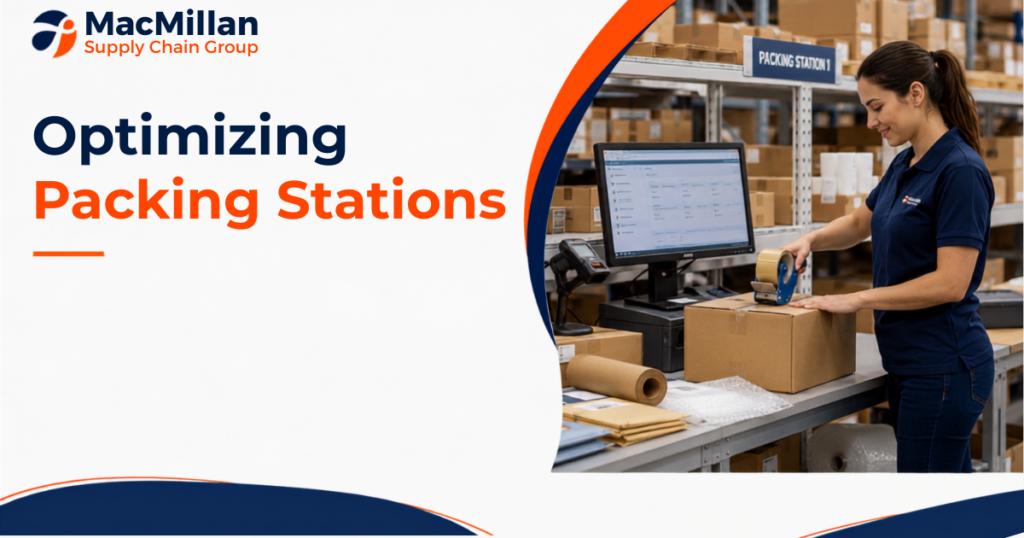
Packing stations are essential to the smooth operation of any warehouse. These specialized areas, where items are meticulously packaged before shipment, play a significant role in enhancing customer satisfaction and managing costs effectively. By streamlining the packing process, you ensure that products reach customers in best condition, minimize errors, reduce packing time, and make the most efficient use of materials. This optimization translates to lower labor and shipping expenses. In this guide, we’ll walk you through setting up an efficient packing station to accelerate order fulfillment and increase accuracy. What Are Warehouse Packing Stations? A warehouse packing station is a specialized workspace designed for preparing products for shipment. Equipped with all the essential materials, tools, and equipment, these stations enable efficient and secure packaging of items before they are dispatched to customers. Acting as the final checkpoint, packing stations allow workers to meticulously inspect each order, ensuring that the correct items are properly packaged and accurately labeled before shipping. The Importance of Warehouse Packing Stations Warehouse packing stations are pivotal to optimizing warehouse operations, offering a range of advantages that contribute to your overall success. Increased Efficiency Packing stations enhance workflow by providing a dedicated area for packaging. With all essential materials and tools readily accessible, your team can process orders more swiftly, boosting throughput and fulfillment speed. This increased efficiency not only elevates customer satisfaction but also drives profitability. Improved Accuracy A dedicated packing station allows for thorough quality checks and order verification, reducing the likelihood of shipping errors. This accuracy minimizes returns and customer complaints, thereby safeguarding your reputation and maintaining high levels of customer satisfaction, essential factor in the competitive e-commerce landscape. Enhanced Customer Satisfaction By streamlining packing and shipping processes, these stations enable quicker order fulfillment. When customers receive their orders promptly and in excellent condition, they are more likely to become loyal advocates, such as Amazon providing its customers with long term retention plans. Positive reviews and word-of-mouth referrals from satisfied customers can significantly fuel your business growth. Reduced Costs Packing stations optimize labor efficiency and minimize material waste through organized processes and storage. MacMillan focuses on accurate package sizing and weight management which helps cut shipping costs by preventing overpayment for excess space or weight. These savings can be reinvested in other business areas or passed on to customers. Improved Ergonomics Well-designed packing stations focus on worker comfort and safety. Ergonomic features, such as adjustable heights and configurations, reduce strain and prevent injuries, enhancing productivity and team morale. Investing in ergonomics can lead to a more engaged and efficient workforce. Enhanced Scalability As your business expands, packing stations offer flexible solutions to adapt to changing demands. You can easily adjust stations to handle varying order volumes and product types, whether by adding, removing, or reconfiguring them. This scalability ensures that your packing operations can grow alongside your business. Implementing packing stations can significantly streamline your order fulfillment process, leading to increased efficiency, accuracy, and customer satisfaction. Types of Packing Stations MacMillan offers you to choose the right type of packing station for your business depends on your business size and specific needs. Here’s a breakdown of the various options: Manual Packing Stations Manual packing stations involve packing by hand and are ideal for smaller operations or businesses with a varied product range. They are cost-effective and offer flexibility in customizing the packing process to accommodate different products. These stations allow for meticulous attention to detail, making them suitable for delicate or irregularly shaped items. However, they may not match the speed and efficiency of automated systems. Automated Packing Stations For high-volume operations with standardized products, automated packing stations are a better fit. They use machinery to handle tasks such as box erection, product insertion, and sealing, which significantly boosts speed and efficiency while lowering labor costs. Automation ensures consistent packaging quality and reduces errors. However, the initial investment in automated equipment can be substantial. Modular Packing Stations Modular packing stations combine the flexibility of manual setups with the efficiency of automation. These workstations feature interchangeable components that can be adapted to different product types and packaging requirements. As your business evolves, you can reconfigure modular stations to meet new demands, making them a popular choice for companies seeking flexibility and scalability. What Essential Components of a Warehouse Packing Station do you need? To ensure your packing station operates at peak efficiency, equip it with the following essential components: Workbench A durable, spacious workbench is the cornerstone of any packing station. It should provide ample space for both products and the packer to work comfortably. Opt for an adjustable-height workbench to enhance ergonomic comfort and reduce physical strain. The workbench should be constructed from sturdy materials to endure daily use. Shelves and Storage Effective storage is crucial for a streamlined packing process. Incorporate shelves and storage solutions that keep packing materials and tools easily accessible. Position frequently used items within close reach, and use adjustable shelves to accommodate changes in inventory. Proper organization helps maintain efficiency and reduce packing time. Packing Supplies Ensure your packing station is well-stocked with various packing materials, including bubble wrap, air pillows, packing paper, and cushioning options to protect fragile items. Whenever possible, opt for eco-friendly materials to minimize environmental impact. Maintain an adequate supply to meet demand and prevent delays. Scanners Integrate barcode or RFID scanners with your warehouse management system (WMS) at the packing station. These scanners facilitate quick and accurate order verification, reducing errors and enhancing tracking and traceability. Real-time data improves the overall order fulfillment process. Basic Packing Tools Essential packing tools include scissors, tape measures, utility knives, and tape guns. Ensure these tools are well-maintained, readily available, and ergonomically designed to prioritize safety and comfort. Gravity Flow Tracks (Optional) Gravity flow tracks can streamline the movement of items from storage to the packing area, reducing the need for reaching and bending. This feature enhances ergonomics and accelerates the packing process, making it especially useful in high-volume packing environments. Key steps in Setting Up a Packing Station To create an
Amazon Supply Chain Services vs Canadian 3PLs: Which Is Right for Your Business?
Amazon Supply Chain Services and Canadian third-party logistics providers can both store inventory and fulfil customer orders, but they are designed for different operational priorities. Amazon can be a strong choice for businesses focused on marketplace sales, standardized ecommerce fulfilment and access to a large delivery network. A Canadian 3PL may offer greater flexibility for retail compliance, customized packaging, B2B distribution, inventory control and direct operational support. The right choice is not simply the provider with the largest network. It is the provider that fits your sales channels, products, customers and growth strategy. For many Canadian brands, the decision comes down to one question: do you need a standardized fulfilment system, or a logistics partner that can adapt its operations around your business? What Are Amazon Supply Chain Services? Amazon Supply Chain Services brings together several logistics capabilities that can support inbound transportation, inventory storage, distribution, order fulfilment and parcel delivery. Depending on the program and eligibility, businesses may use services such as Fulfilment by Amazon, Amazon Warehousing and Distribution or Multi-Channel Fulfilment. Fulfilment by Amazon is primarily built to support orders placed through the Amazon marketplace. Sellers send inventory into Amazon’s network, and Amazon handles storage, picking, packing, shipping and certain customer-service activities. Multi-Channel Fulfilment extends parts of that network beyond Amazon orders. It allows qualifying businesses to fulfil orders from their own ecommerce websites and other sales channels using inventory stored within Amazon’s network. This model can be attractive for brands that want fast deployment, established processes and fewer day-to-day warehouse responsibilities. However, businesses still need to review service eligibility, storage rules, preparation requirements, product restrictions and fee structures carefully. What Does a Canadian 3PL Provide? A Canadian 3PL manages logistics activities on behalf of a business. Services may include warehousing, inventory management, ecommerce fulfilment, retail distribution, transportation coordination, returns, kitting and custom packaging. The difference is often in how those services are delivered. Rather than placing every customer into one highly standardized workflow, a flexible 3PL can design processes around the brand’s products, retailers, order profiles and operational requirements. For example, a company selling through Shopify, Canadian retail chains, distributors and subscription programs may need several fulfilment workflows under one roof. It may require case picking for wholesale orders, individual-unit picking for ecommerce, retailer-specific labels, promotional bundles and lot or expiry tracking. A provider offering integrated warehousing and distribution services can coordinate those activities while maintaining a clearer connection between inventory storage, order preparation and outbound transportation. Amazon Supply Chain Services vs Canadian 3PLs Comparison Area Amazon Supply Chain Services Canadian 3PL Primary strength Standardized ecommerce and marketplace fulfilment Flexible, multi-channel logistics support Amazon marketplace integration Strong Varies by provider and integration Retail compliance May not be designed around every retailer’s requirements Can support retailer-specific preparation and documentation Custom packaging Usually more standardized Can support kitting, relabelling and promotional packaging Operational communication Platform- and program-driven May provide direct account and operations support Inventory flexibility Governed by program rules and network requirements Can be adapted around the customer’s inventory model B2B and retail distribution Available capabilities depend on the program Often designed to support wholesale and retail orders Returns handling Standardized processes Can create product-specific inspection and disposition rules When Amazon May Be the Better Fit Amazon may be suitable when most of your revenue comes from the Amazon marketplace and your products fit comfortably within its fulfilment requirements. The network can reduce the need to build an internal fulfilment operation, while established technology helps automate common order-management tasks. It may also work well for straightforward ecommerce products with predictable dimensions, simple packaging needs and limited retail-compliance requirements. Amazon can be especially useful when: Your main sales channel is Amazon. Prime eligibility is commercially important. Your products follow standard storage and handling requirements. You prefer a technology-led, standardized fulfilment process. You do not require frequent custom packaging or product assembly. However, businesses should model the complete cost rather than looking at one fulfilment fee. Storage duration, inventory movement, preparation, returns and seasonal volume can all influence the final cost per order. When a Canadian 3PL May Be the Better Fit A Canadian 3PL may be more appropriate when your supply chain extends beyond a single marketplace. This is particularly relevant for brands serving national retailers, independent stores, distributors, ecommerce customers and promotional programs at the same time. A flexible provider can build different workflows for different channels. Ecommerce orders may move through a dedicated ecommerce order fulfilment process, while wholesale cases are prepared according to retailer routing guides and delivery appointments. A Canadian 3PL may be the stronger choice when: You sell through several ecommerce and retail channels. Your retailers have strict labelling, packaging or routing requirements. Your products need lot, batch or expiry-date control. You require kitting, bundles, displays or promotional packaging. You want direct communication with an operations team. You need customized reporting or system integrations. Your return process requires inspection, grading or repackaging. Canadian retailers can impose precise shipping and preparation standards. Missed appointments, incorrect labels, damaged cartons or inaccurate documentation may lead to delays and chargebacks. A provider with dedicated retail compliance preparation can help address these requirements before an order leaves the warehouse. Inventory Visibility and Operational Control Inventory visibility should be a major part of the decision. A business needs to know what is available, where it is located, which orders have been allocated and whether stock is approaching a replenishment threshold. Amazon provides inventory tools within its ecosystem, but brands operating across multiple marketplaces, retailers and warehouses may need a broader view. A 3PL with real-time inventory visibility can provide a centralized operational picture across receiving, storage, order processing and shipping activities. This becomes increasingly important as the business grows. Without reliable visibility, teams may over-order inventory, promise unavailable products or move stock between facilities unnecessarily. The issue is explored further in this guide to omnichannel fulfilment and inventory visibility. Customization, Packaging and Brand Experience Fulfilment is not only about moving a box from a warehouse to a customer. For
How to avoid Canadian Warehousing Congestion with MacMillan
Navigating a crowded space is challenging, and this holds true for a cluttered Canadian 3PL warehousing where inventory management becomes a struggle. For a 3PL Warehouse, congestion can cause inefficiencies, safety issues, and fulfillment mistakes. To ensure a safe and efficient operation, it’s crucial to prevent warehouse congestion. This article explores the causes of Canadian 3pl warehouse congestion, its impact on brands, and strategies for effective warehouse and inventory planning to reduce it. What is Canadian 3PL Warehousing Congestion-2024? Warehouse congestion occurs when overcrowding, clutter, or excessive traffic obstructs movement and disrupts normal warehousing operations. When navigating a congested warehouse becomes difficult, it impacts workers’ efficiency and can lead to: Disruption in inventory flow Increased confusion and frustration among staff Elevated safety risks Delays in fulfilling customer orders Common Causes of a 3PL Warehousing Congestion in Canada Several factors can lead to a Canadian 3PL warehouse congestion, particularly for e-commerce brands. Here are some frequent causes: Insufficient Storage Space: Overcrowding often arises when a warehouse cannot accommodate the volume of inventory needed. Whether due to an undersized facility or excess stock, exceeding storage capacity typically results in congestion. However, MacMillan SCG offers real-time inventory management which provides tracking and visibility. Poor Layout Design: Ineffective warehouse layouts that hinder movement or create inefficiencies can contribute to congestion. For instance, narrow aisles that restrict equipment movement force workers to navigate around obstacles, slowing down operations. Inefficient Processes and Technology: Outdated procedures and technology can exacerbate congestion. For example, requiring pickers to handle one order at a time and deliver it to a packing station before starting another can limit productivity. Additionally, unreliable or complex technology that is difficult to use or train on can further impede efficiency and increase congestion. MacMillan SCG uses the latest tech-based solutions including RIFD’s and WMS integrated to your systems with trackable inventory for scalable solutions. What is the Impact on Businesses and the Logistics Market? Warehouse congestion goes beyond being a mere inconvenience, it can be detrimental to business operations. Here are some key ways it affects e-commerce: Delayed Shipments: Congestion hampers workers’ efficiency, leading to slower order picking and packing. This results in delayed shipments and dissatisfied customers. Customer Dissatisfaction: Delays, fulfillment errors, and inventory damage caused by overcrowded spaces can significantly impact customer satisfaction. These issues may lead to negative feedback and lost sales. Amazon prime with their FBA program provides customer satisfaction through high-end deliveries with zero error rates. Increased Costs: Inefficiencies in a congested Canadian 3pl Warehouse led to longer task completion times, raising labor costs and overhead expenses. Additionally, managing inventory becomes more challenging, often resulting in inaccuracies that can cause costly stock outs and overstock situations. Strategies for Managing a 3PL Warehouse Congestion To tackle a Canadian 3PL warehouse congestion in today’s logistics market effectively, it’s crucial to implement strategies that enhance both layout and processes. Here’s how you can manage and reduce congestion in your warehouse: Optimize Layout and Design: Efficient warehousing begins with a well-thought-out layout. Analyze your internal workflows and configure your storage and workstations to minimize travel distances and create clear pathways for both workers and equipment. Consider employing a slotting strategy that aligns with your business needs. Organize inventory by size, weight, or other relevant criteria, or use dynamic slotting for high-turnover products. Enhance space utilization with advanced storage solutions like vertical carousels, which capitalize on vertical space. Implement Efficient Processes: Streamlining operations can significantly reduce congestion. Focus on: Leverage Technology: Advanced technology is key to alleviating a Canadian 3PL Warehouse congestion. Utilize inventory management software to track stock levels and analyze historical sales data. This helps in accurate demand forecasting, preventing overstocking and maintaining optimal inventory levels. By optimizing layout, refining processes, and harnessing technology, you can effectively manage and reduce warehouse congestion, leading to smoother operations and better overall efficiency. Leveraging Technology to Combat Warehouse Congestion in Canada Technological tools such as RFID tags and barcode scanners are essential for effective inventory management. Scanning SKU barcodes and storage location tags during picking and packing helps update stock counts in real-time, keeping your inventory and storage well-organized. Warehouse management systems are crucial for mitigating warehouse congestion. A robust WMS enhances visibility and control over warehouse operations. For example, MacMillan SCG WMS offers several key benefits: Track Staff Productivity: Monitor employee performance to ensure efficiency. Location-Specific Inventory Visibility: Gain detailed insights into inventory levels across different areas. Intelligent Cycle Counts: Access accurate order fulfillment metrics and cycle counts across all warehouses. Flexible Picking Methods: Utilize various picking strategies, including batch, auto-cluster, custom cluster, and single-order picking, to optimize workflow. Reduced Packing Errors: Use visual, step-by-step packing guides to minimize mistakes. E-commerce Integration: Seamlessly connect with major e-commerce platforms and tools to streamline omnichannel fulfillment. These features enable you to identify and address inefficiencies proactively, preventing them from escalating into significant congestion issues. Key Takeaways Addressing congestion in Canadian 3PL warehouses is essential for maintaining operational efficiency, safety, and customer satisfaction. Overcrowded spaces not only impede workflow but also increase the risk of errors and safety hazards, which can lead to delayed shipments and elevated costs. By implementing effective strategies such as optimizing warehouse layouts, streamlining processes, and leveraging advanced technology, businesses can significantly reduce congestion. Solutions like real-time inventory management, efficient picking methods, and robust warehouse management systems play a critical role in enhancing operational efficiency and mitigating the adverse impacts of congestion. As the logistics landscape continues to evolve, proactive management of warehouse congestion will be key to ensuring seamless operations and sustaining customer trust in an increasingly competitive market.
Warehouse Audits: A Guide for 3PL Warehouse Technologies and processes
For 3PL providers, warehouse managers, and COOs overseeing warehouse operation, mastering the art of auditing warehouse technologies and processes is crucial. A well-executed audit highlights areas needing improvement, enhances inventory accuracy, and boosts overall efficiency. MacMillan SCG offers zero error rate and complete sustainability in todays Canadian logistics market. By scrutinizing current warehouse operation and practices, you can pinpoint internal process gaps and explore technological solutions to optimize order fulfillment activities. Let’s delve into what you need to consider for a successful warehouse audit and apply best practices to elevate your warehouse operations. What Is a Warehouse Operation Audit? A warehouse audit is a thorough evaluation of your warehouse’s technology and processes. It systematically reviews operations to identify areas for improvement and optimization. This audit assesses the effectiveness of your warehouse processes, the efficiency of technology systems, and the accuracy of inventory management. How to Conduct a Warehouse Operation Audit? Auditing warehouse operations involves a structured approach. Here’s a step-by-step guide to help you through the process: Create a Warehouse Audit Checklist Develop a comprehensive checklist covering all warehouse operations. This should include areas such as receiving and put-away, order picking, packing and shipping, inventory management, and technology systems. MacMillan offers zero error rate while auditing checklist will serve as a roadmap, ensuring all critical aspects are examined. Evaluate Warehouse Layout and Design The layout and design of your warehouse significantly impact operational efficiency. Assess factors like aisle width, storage density, and the flow of goods to ensure the layout supports your operational needs. Review Receiving and Put-Away Processes Efficient receiving and put-away are vital for smooth warehouse operations. Ensure that incoming shipments are thoroughly inspected and stored correctly. Regular audits of these processes help maintain their efficiency and effectiveness. Analyze Order Picking Processes Order picking is a cornerstone of warehouse operations. Review your picking processes to ensure they are optimized for speed and accuracy. Assess whether the right technology is in place to support efficient picking like Amazon does. Assess Packing and Shipping Processes Evaluate packing and shipping to ensure these processes are streamlined and error-free. Verify that packers use appropriate materials and follow correct procedures throughout. Review Inventory Management Confirm that your inventory tracking systems are current and that staff are effectively managing stock levels. Accurate inventory management is crucial for operational success. Evaluate Warehouse Technology Systems With the increasing complexity of warehouse operations, ensure your technology systems are functioning correctly and fully integrated with your processes. Update and optimize technology systems as needed to meet your warehouse operation requirements. Step-by-Step Warehouse Audit Procedures When planning your warehouse audit, follow these general guidelines for a thorough and effective evaluation: Define the Scope of the Audit: Clearly outline what aspects of your warehouse operations will be audited. This focus allows for a targeted approach, ensuring all critical areas are reviewed. Assign Responsibilities: Designate individuals to lead, conduct, and implement changes based on the audit findings. Clear roles and responsibilities will facilitate a smoother audit process. Conduct the Audit: During the audit, document observations and concerns meticulously. Follow your checklist to ensure comprehensive coverage of all relevant areas. Analyze the Results: Use your checklist and notes to analyze the audit findings. Involve key stakeholders in identifying areas for improvement and opportunities for optimization. Develop an Action Plan: Based on your analysis, create an action plan to address identified issues. Ensure your plan is specific, measurable, achievable, relevant, and time-bound. Implement Changes: Execute the changes outlined in your action plan and monitor their effectiveness. Communicate changes to your team and provide training if necessary. How to Position Your Warehouse for Success? Regularly auditing your warehouse operations technologies and processes helps maintain operational efficiency and accuracy. It also provides an opportunity to identify and resolve issues proactively. To successfully conduct a warehouse operation audit, define the audit scope, assign responsibilities, conduct the audit, analyze results, develop an action plan, and implement necessary changes. Leveraging a robust warehouse management system, like MacMillan SCG, can streamline tasks and reduce errors, enhancing your audit outcomes. Key Takeaways In conclusion, effectively auditing your warehouse’s technology and processes is essential for optimizing operations, enhancing inventory accuracy, and boosting overall efficiency. By systematically reviewing each aspect of your warehouse, from layout and design to technology systems and inventory management, you can identify areas for improvement and implement necessary changes. Adopting a structured approach, including defining the audit scope, assigning responsibilities, and developing a detailed action plan, will help you address inefficiencies and streamline your operations. Utilizing advanced warehouse management systems, such as MacMillan, can further enhance your audit process, providing greater control and reducing errors. Regular audits not only ensure operational success but also position your warehouse for continued growth and efficiency.
3PL Services for Food & Beverage | Maximize Efficiency
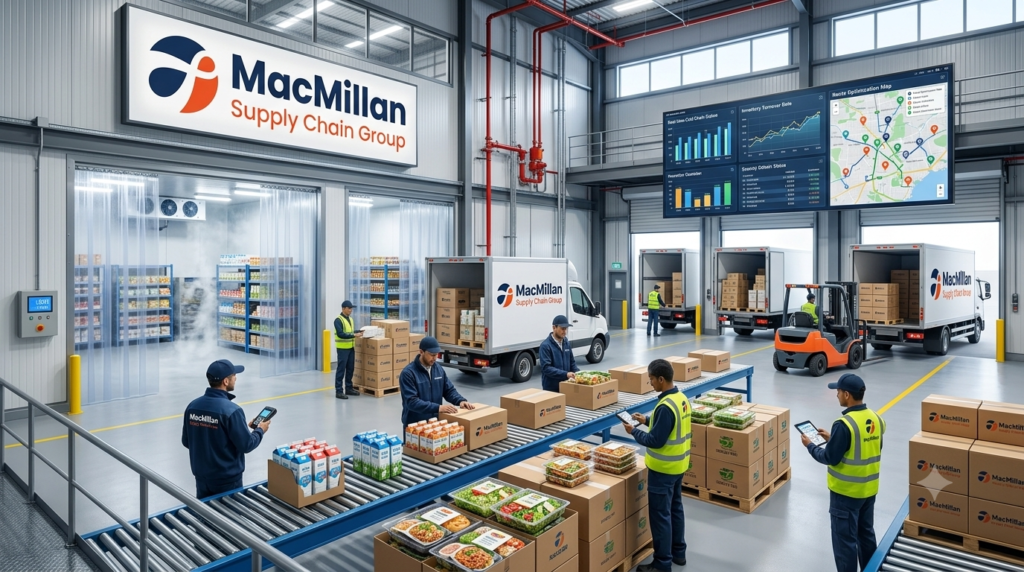
A Quick Summary and Overview Third-party logistics (3PL) services are revolutionizing the food and beverage industry’s supply chain management. They offer strategic packaging solutions, optimize transportation routes with real-time data, and ensure compliance with stringent safety regulations. By leveraging these services, businesses can enhance customer satisfaction and successfully navigate the challenges of demand fluctuations. MacMillan Supply Chain Group stands at the forefront of this revolution, providing tailored 3PL solutions that address the unique needs of the food and beverage sector. From preserving product integrity to streamlining distribution networks, MacMillan’s comprehensive approach drives efficiency and growth in this dynamic industry. An Introduction The food and beverage sector is an oscillating hub of activity, where demand rises and falls with startling speed, quality control is paramount, and compliance can make or break a business. For companies aiming to not only survive but thrive in this competitive landscape, third-party logistics (3PL) services are vital. Offering tailored solutions that address the unique complexities of the industry, providers like MacMillan Supply Chain deliver enhanced efficiency and customer satisfaction while ensuring regulatory compliance. In this comprehensive guide, we’ll explore how 3PL services are transforming the food and beverage supply chain. We’ll delve into strategic packaging solutions that preserve product integrity, examine demand management techniques that keep businesses ahead of market fluctuations, and investigate the role of efficient transportation in optimizing operations. Moreover, we’ll highlight how MacMillan Supply Chain Group’s expertise in these areas can propel your business to new heights of success in the ever-evolving food and beverage industry. Strategic Packaging: Protect What Matters Most Effective strategic packaging in the food and beverage supply chain goes beyond mere aesthetics. It is about safeguarding the quality and integrity of products from the point of manufacture to the end consumer. Through advanced protective packing protocols, including refrigerated delivery systems, 3PL providers ensure that perishable items maintain their quality. Companies like MacMillan Supply Chain employ sophisticated packaging strategies tailored to meet the specific needs of each product, thereby minimizing waste, and preventing spoilage—a crucial aspect in preserving customer trust and loyalty. In the food and beverage industry, where freshness is paramount, strategic packaging plays a pivotal role in extending shelf life and maintaining product quality. MacMillan Supply Chain utilizes cutting-edge technologies such as modified atmosphere packaging (MAP) and active packaging systems to control the internal environment of packaged goods. This approach not only preserves taste and texture but also reduces the need for artificial preservatives, aligning with the growing consumer demand for natural, fresh products. Furthermore, MacMillan’s packaging solutions are designed with sustainability in mind. By optimizing package sizes and using eco-friendly materials, we help our clients reduce their environmental footprint while simultaneously cutting down on transportation costs. This holistic approach to packaging not only protects products but also enhances brand reputation and consumer appeal in an increasingly environmentally conscious market. Demand Management and Forecasting: Stay Ahead of the Curve Navigating the ebbs and flows of market demand requires precision. 3PL providers utilize deep analysis of historical sales data to forecast and manage inventory levels effectively. This approach not only prevents costly overstocking and potential stockouts but also aligns supply with the unpredictable demands of the food and beverage market. MacMillan Supply Chain employs state-of-the-art predictive analytics to assist businesses in maintaining a balanced inventory, ensuring that they can meet consumer needs without risking surplus stock. Our advanced demand forecasting tools incorporate multiple variables, including seasonal trends, promotional activities, and even weather patterns, to provide accurate predictions of future demand. This level of insight allows food and beverage companies to plan production schedules more efficiently, reduce waste, and improve cash flow by optimizing inventory levels. Moreover, MacMillan’s demand management solutions extend beyond mere forecasting. We offer real-time inventory visibility across the entire supply chain, enabling our clients to make informed decisions rapidly. This transparency allows for agile responses to sudden demand spikes or unexpected shortfalls. By leveraging our expertise in demand management, food and beverage companies can significantly reduce the risk of lost sales due to stockouts while minimizing the costs associated with excess inventory, ultimately leading to improved profitability and customer satisfaction. Efficient Transportation and Route Optimization: On Time, Every Time Transportation efficiency is critical to the smooth operation of a food and beverage supply chain. By harnessing real-time data, 3PL providers craft optimized transportation routes that minimize transit times and reduce fuel consumption, making logistics operations more sustainable and cost-effective. Providers like MacMillan Supply Chain take route optimization a step further, offering enhanced tracking capabilities that provide customers with up-to-the-minute shipment updates. This added transparency not only bolsters customer confidence but also reinforces the reliability of the service provided. MacMillan utilizes advanced algorithms and machine learning to continuously refine transportation routes, taking into account factors such as traffic patterns, weather conditions, and delivery time windows. This dynamic approach to route planning ensures that deliveries are made on time, even in the face of unexpected challenges. For temperature-sensitive food and beverage products, our cold chain logistics solutions incorporate real-time temperature monitoring and automated alerts, guaranteeing that products remain within safe temperature ranges throughout transit. Furthermore, our multi-modal transportation strategies allow for seamless integration of various transport methods, including road, rail, and air freight. This flexibility enables us to select the most efficient and cost-effective shipping method for each consignment, balancing speed, cost, and environmental impact. By optimizing transportation and routes, MacMillan helps food and beverage companies reduce logistics costs while improving delivery performance and customer satisfaction. Regulatory Compliance: Meeting Standards, Elevating Quality In an industry fraught with regulatory challenges, compliance is a cornerstone of operational integrity. Adhering to standards set by the Federal Food, Drug, and Cosmetic Act and the Food Safety Modernization Act is non-negotiable. 3PL providers ensure that every stage of the logistics process meets these stringent requirements through rigorous documentation and quality control measures. MacMillan Supply Chain not only ensures compliance but also enhances product safety and quality, fostering trust and protecting brand reputation. Our comprehensive compliance management system covers all aspects of food and
Optimize Your Supply Chain: Top 3PL Strategies for E-commerce Success
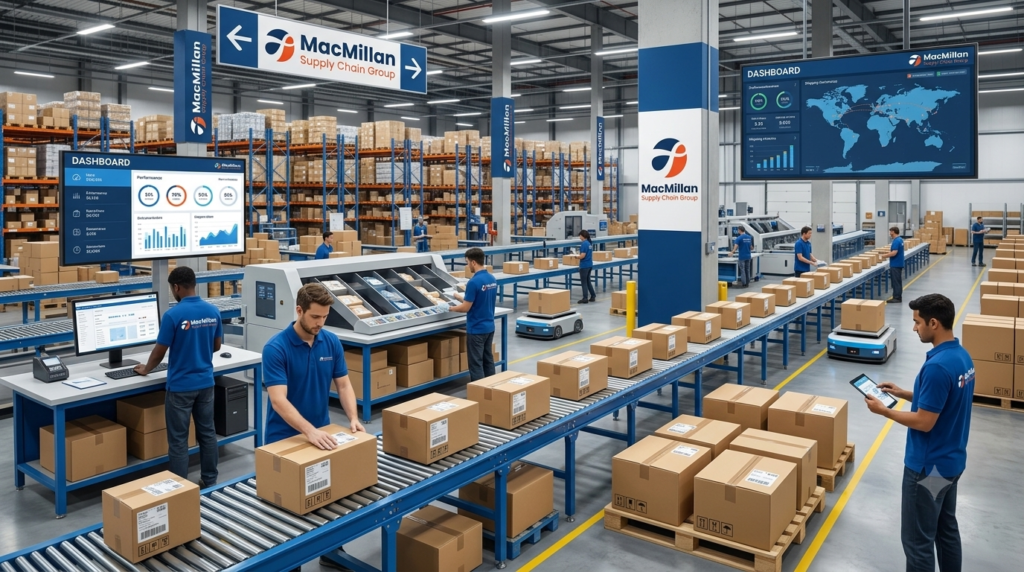
A Quick Summary and Overview In today’s fast-paced e-commerce landscape, efficient supply chain management is crucial for success. This comprehensive guide explores how third-party logistics (3PL) providers like MacMillan Supply Chain Group can revolutionize your e-commerce operations. We’ll delve into key strategies for optimizing inventory management, fulfillment processes, and distribution networks. Learn how partnering with a 3PL can reduce costs, improve customer satisfaction, and accelerate growth. Whether you’re a small business owner or an established e-commerce brand, this article will provide valuable insights to help you navigate the complexities of modern logistics and stay ahead of the competition. An Introduction The e-commerce boom has transformed the way businesses operate, creating both opportunities and challenges in supply chain management. As consumer expectations for fast, reliable shipping continue to rise, companies must adapt their logistics strategies to remain competitive. This is where third-party logistics (3PL) providers come into play, offering specialized expertise and resources to optimize every aspect of the supply chain. In this article, we’ll explore how MacMillan Supply Chain Group’s 3PL services can help e-commerce businesses streamline their operations, reduce costs, and enhance customer satisfaction. We’ll cover key strategies for inventory management, order fulfillment, and distribution network optimization. Additionally, we’ll discuss common challenges faced by e-commerce businesses and how MacMillan’s tailored solutions can address these issues. Whether you’re looking to scale your operations, improve efficiency, or simply stay ahead of the curve, this guide will provide valuable insights to help you make informed decisions about your logistics strategy. Leveraging 3PL Expertise for Inventory Management Effective inventory management is the backbone of any successful e-commerce operation. By partnering with a 3PL provider like MacMillan Supply Chain Group, you can tap into advanced inventory management systems and expertise that can significantly improve your operations. One key strategy is implementing demand forecasting tools. These sophisticated algorithms analyze historical data, market trends, and seasonal fluctuations to predict future inventory needs accurately. This helps prevent stockouts and overstock situations, optimizing your working capital and storage costs. Another crucial aspect is real-time inventory tracking. MacMillan’s state-of-the-art warehouse management systems provide up-to-the-minute visibility into your stock levels across multiple locations. This enables you to make informed decisions about replenishment, allocation, and order fulfillment. Cycle counting is another valuable technique offered by 3PLs. Instead of conducting time-consuming annual inventories, regular cycle counts ensure ongoing accuracy and help identify discrepancies early. This approach minimizes disruptions to your operations and improves overall inventory accuracy. Lastly, 3PLs can help implement efficient kitting and bundling strategies. By pre-assembling product combinations or creating custom packages, you can streamline order fulfillment and potentially increase sales through attractive bundled offerings. By leveraging these inventory management strategies through a 3PL partnership, you can significantly enhance your operational efficiency and maintain a competitive edge in the e-commerce marketplace. Streamlining Order Fulfillment Processes Efficient order fulfillment is crucial for customer satisfaction and retention in e-commerce. MacMillan Supply Chain Group offers several strategies to optimize this critical process. First, implementing advanced order management systems (OMS) can automate and streamline the entire fulfillment process. These systems integrate with your e-commerce platform, automatically routing orders to the most appropriate fulfillment center based on inventory availability and shipping destination. This reduces processing times and minimizes errors. Next, warehouse optimization techniques such as strategic layout design and pick-and-pack automation can significantly speed up the fulfillment process. MacMillan employs cutting-edge technologies like robotic picking systems and conveyor belts to maximize efficiency and accuracy. Another key strategy is multi-channel fulfillment. As an experienced 3PL, MacMillan can help you seamlessly manage orders from various sales channels, including your website, marketplaces, and brick-and-mortar stores. This unified approach ensures consistent service levels across all channels. Returns management is also a critical component of order fulfillment. MacMillan offers streamlined reverse logistics solutions, including automated return processing and refurbishment services. This not only improves customer satisfaction but also helps recapture value from returned items. By implementing these fulfillment strategies, you can significantly reduce processing times, minimize errors, and enhance the overall customer experience, leading to increased loyalty and repeat business. Optimizing Distribution Networks for Faster Delivery In today’s fast-paced e-commerce environment, optimizing your distribution network is essential for meeting customer expectations for quick delivery. MacMillan Supply Chain Group employs several strategies to help businesses achieve this goal. One key approach is strategic warehouse placement. By analyzing your customer base and order patterns, MacMillan can help you establish a network of fulfillment centers in optimal locations. This reduces shipping distances and times, enabling faster and more cost-effective delivery. Implementing a hub-and-spoke distribution model is another effective strategy. This involves using central hubs for inventory storage and regional spokes for last-mile delivery. This model balances the benefits of centralized inventory management with the speed of local distribution. Cross-docking is another technique that can significantly reduce transit times. By bypassing storage and moving products directly from inbound to outbound transportation, you can expedite delivery and reduce handling costs. Leveraging parcel consolidation services is also crucial for optimizing distribution. By combining multiple orders into a single shipment, you can reduce shipping costs and improve efficiency, especially for international orders. Lastly, MacMillan can help you implement dynamic routing algorithms that optimize delivery routes based on real-time factors such as traffic and weather conditions. This ensures the most efficient path for each delivery, further reducing transit times and costs. By employing these distribution network optimization strategies, you can significantly enhance your delivery speed and reliability, giving you a competitive edge in the e-commerce marketplace. Harnessing Data Analytics for Continuous Improvement In the digital age, data is a powerful tool for optimizing supply chain operations. MacMillan Supply Chain Group leverages advanced analytics to drive continuous improvement in your logistics processes. One key strategy is implementing predictive analytics. By analyzing historical data and market trends, MacMillan can forecast future demand patterns, enabling proactive inventory management and more efficient resource allocation. Performance metrics tracking is another crucial aspect. MacMillan provides comprehensive dashboards that monitor key performance indicators (KPIs) such as order accuracy, fulfillment speed, and shipping costs. This
Loblaw, Costco, Walmart, Amazon: What Canadian Retailers Expect from Your 3PL
Getting Into Retail Is Hard. Staying There Is Harder. Winning a purchase order from a major retailer is a big moment. But for many brands, the real test starts after the buyer says yes. The product has to arrive correctly.The labels have to scan.The ASN has to match.The pallet has to meet requirements.The appointment has to be on time.The cartons have to be packed correctly.The inventory has to be traceable.The shipment has to be retail-ready before it ever reaches the dock. That is where many brands get exposed. A brand may have a great product, strong packaging, and growing demand — but if the logistics behind the product are not ready for retail, the relationship can get expensive quickly. Major Canadian retailers such as Loblaw, Costco, Walmart, and Amazon do not just expect products to arrive. They expect operational discipline. They expect accuracy, visibility, documentation, compliance, and consistency. That means your 3PL cannot simply be a warehouse that stores boxes. Your 3PL has to be a retail execution partner. Short Answer: What Do Major Canadian Retailers Expect from Your 3PL? Major Canadian retailers expect your 3PL to support accurate inventory, retailer-compliant labeling, EDI and ASN workflows, appointment scheduling, pallet and carton requirements, order accuracy, traceability, on-time delivery, returns handling, and clear shipment visibility. In simple terms: Retailers expect your 3PL to make your product easy to receive, easy to track, easy to sell, and hard to reject. If your 3PL cannot support those basics, your brand risks delays, chargebacks, rejected shipments, lost buyer trust, and avoidable operational costs. The Retail Reality Most Brands Learn Too Late Retail logistics is not the same as basic e-commerce fulfillment. A DTC order may be one box going to one customer. A retail order may involve purchase orders, pallet configuration, carton labeling, routing guides, delivery windows, ASN data, EDI documents, lot tracking, and strict receiving rules. That difference matters. A 3PL that performs well for online orders may still struggle with retail distribution. Why? Because retail compliance is not just about shipping. It is about following the retailer’s operating system. Each major retailer has its own expectations. The details vary by product category, vendor agreement, distribution center, shipping method, and program type. But the underlying expectation is the same: Do not create friction at receiving. When a shipment arrives at a retail distribution center, the retailer wants it to be accurate, scannable, documented, safe to handle, and easy to move through the network. Anything that slows that process down can create problems for the supplier. What Loblaw Expects: Accuracy, Traceability, and Process Control For brands selling into Loblaw or related banners, logistics discipline matters. Loblaw is a large, complex grocery and retail environment. That means vendors need to think carefully about product data, shipping documentation, delivery expectations, lot control, and recall readiness. A retail-ready 3PL should help with: Advance shipment notice support Purchase order accuracy Case and pallet labeling Lot and batch tracking Expiry-date visibility FIFO and FEFO rotation Product recall readiness Appointment scheduling Clean receiving documentation Food and consumer goods handling requirements For food and beverage brands especially, traceability is not optional. Your 3PL should know what lot arrived, where it was stored, when it shipped, and which orders it was connected to. If your brand cannot answer those questions quickly, you do not have enough visibility. Retailers need confidence that your supply chain can protect product integrity from warehouse to shelf. A weak warehouse process can turn into a buyer issue. A strong 3PL makes retail execution feel controlled, predictable, and easy to audit. What Costco Expects: Pallet Discipline, Packaging Strength, and Operational Efficiency Costco is not built for sloppy logistics. Its model depends on efficiency, clean pallet movement, durable packaging, strong presentation, and warehouse-ready product flow. For brands selling into Costco, your 3PL should understand that packaging and pallet requirements are not minor details. They are part of the retail experience. A Costco-ready 3PL should support: Proper pallet configuration Strong unitization Scannable labels Clean carton presentation Damage prevention Retail-ready display handling Club-pack or bulk-pack requirements Shipment documentation Efficient loading Appointment and delivery coordination Costco does not want fragile, messy, unstable, or difficult-to-handle freight. If a pallet is unstable, overhanging, mislabeled, damaged, or hard to receive, it creates friction. That friction can cost the brand. This is why value-added services matter. Kitting, rework, relabeling, display assembly, carton preparation, and quality checks can make the difference between a shipment that moves smoothly and one that gets flagged. For Costco suppliers, your 3PL should not be asking, “How do you want this shipped?” at the last minute. They should already be thinking about how the retailer needs to receive it. What Walmart Expects: EDI, ASN Accuracy, Labels, and On-Time Execution Walmart’s supply chain is built around structure, data, and compliance. That means your 3PL needs to be comfortable with retail documentation, EDI workflows, labels, and shipment timing. A Walmart-ready 3PL should support: EDI order workflows Advance ship notice accuracy GS1 / barcode requirements Carton and pallet labeling Purchase order matching Routing guide compliance Delivery appointment management On-time shipment execution Inventory accuracy Retail distribution center coordination The ASN is especially important because it tells the retailer what is coming before the truck arrives. If the ASN does not match the physical shipment, the receiving process breaks down. If the labels do not scan, the receiving process slows down. If the shipment is late, incomplete, or misconfigured, the supplier can face penalties or buyer frustration. For Walmart and similar retailers, “close enough” is not good enough. Your 3PL has to treat order accuracy, shipment data, and physical execution as one connected process. The best retail 3PLs do not separate warehouse work from compliance work. They know that the label, the pallet, the ASN, the appointment, and the shipment all have to tell the same story. What Amazon Expects: Label Accuracy, Inventory Prep, and Fast Processing Amazon is different from traditional retail, but it is just as strict in its own way. Whether a brand is