
Sustainable 3PL Warehousing: 5 Key Tips For Greener Logistics

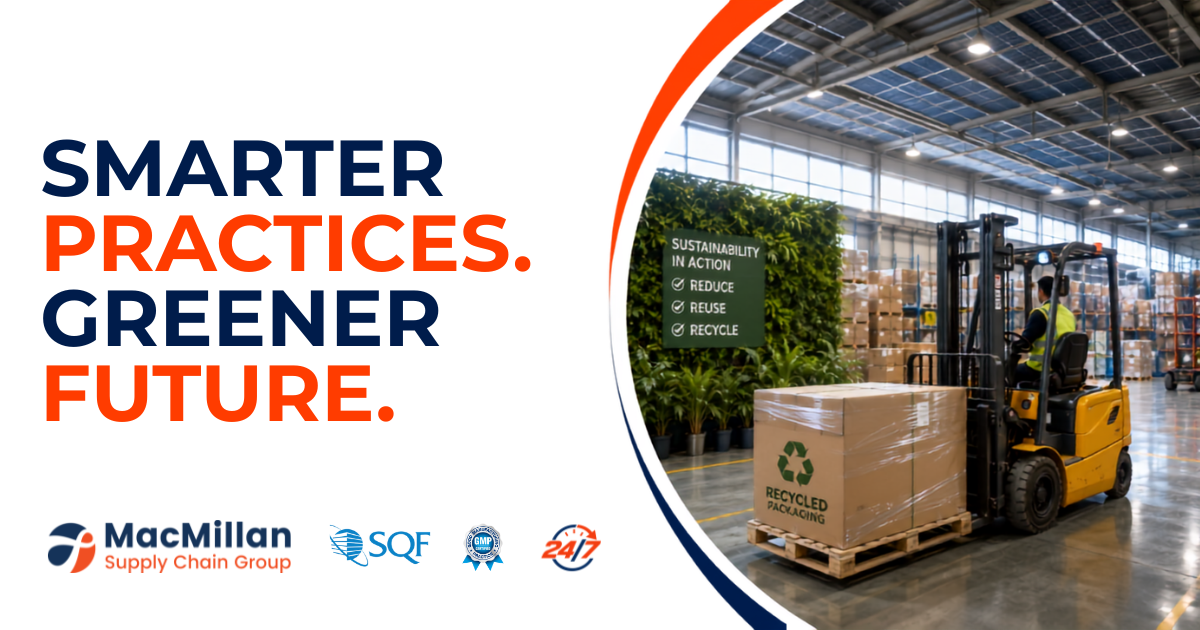
Smarter Practices. Greener Future.
  • All Posts
  • 3PL
  • All
  • Case Studies
  • Container Destuffing
  • E-Commerce
  • Ecommerce Fulfillment
  • Final Mile & E-Commerce
  • Fulfillment
  • Industry Insights
  • Life at Stord
  • Network Optimization
  • News
  • Specialized Services
  • Technology
  • Transportation
  • Warehousing
  • Warehousing & Distribution

You May Also Like

Sustainable 3PL Warehousing: 5 Key Tips For Greener Logistics

Sustainable 3PL Warehousing: 5 Key Tips For Greener Logistics

Sustainability and a greener future are crucial in 3pl warehousing…

Emerging Growth of A.I In Supply Chain Management

Emerging Growth of A.I In Supply Chain Management

In recent years, supply chains have become more complex and…

Forecasting Seasonal Demand Fluctuations

Forecasting Seasonal Demand Fluctuations

Businesses often face seasonal fluctuations in demand, driven by holidays…

Optimizing Your Supply Chain: Lean Logistics for Efficiency and Growth

Optimizing Your Supply Chain: Lean Logistics for Efficiency and Growth

To eliminate all forms of waste, many companies focus on…

Sustainability and a greener future are crucial in 3pl warehousing and fulfillment logistics. This marketplace revolves around significant energy consumption, waste production, and transportation emissions. Despite these challenges, there are many opportunities to adopt eco-friendly practices that can reduce environmental impact and boost business efficiency.

This article delves into strategies for making 3pl warehouse operations more sustainable, offering companies the dual benefits of contributing to environmental sustainability and reducing costs.
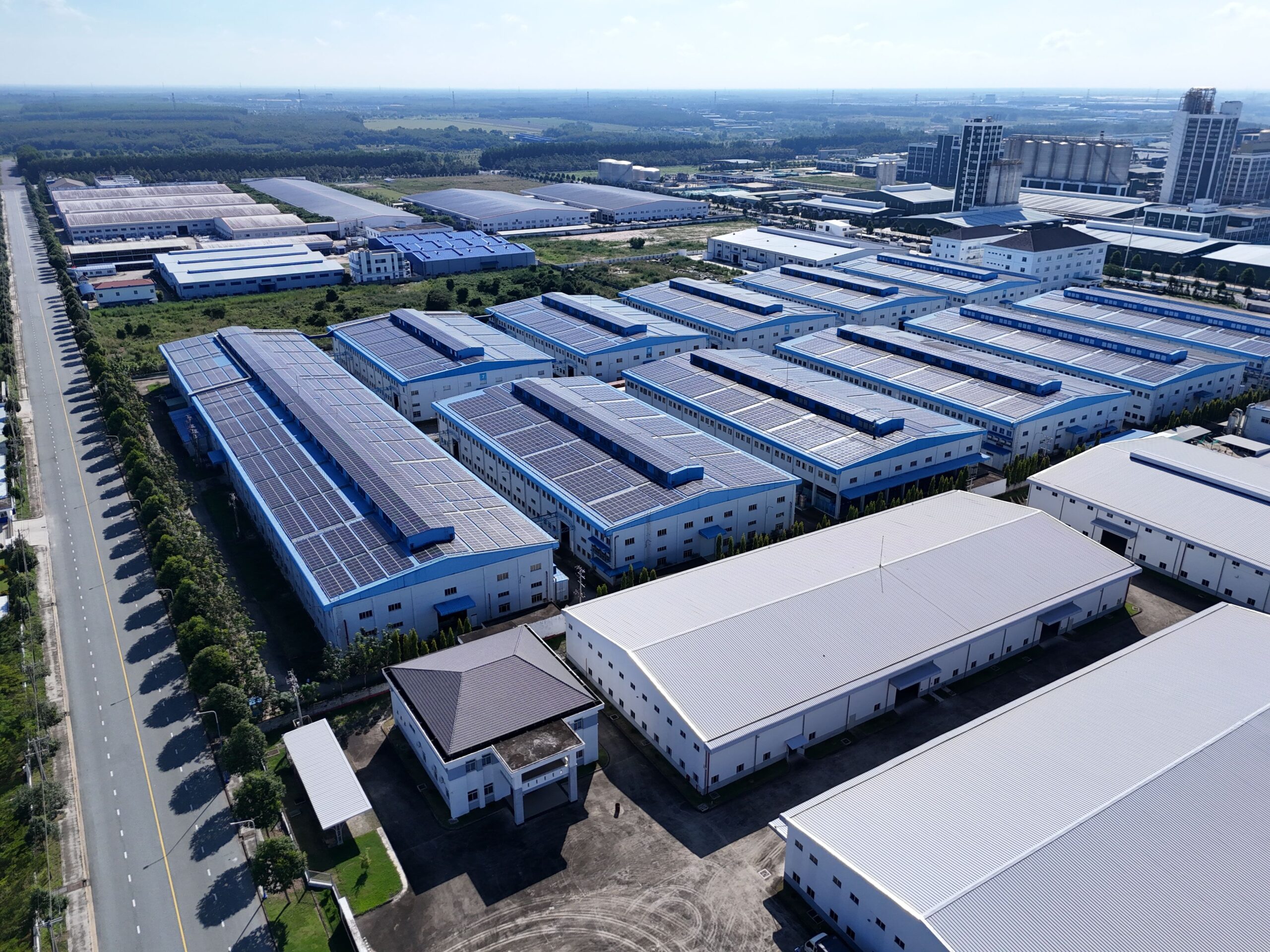
 

Sustainable 3PL warehouse


What is 3PL warehouse sustainability?

Warehouse sustainability involves operational processes of warehouses to be performed in an eco-friendly manner, introducing measures like energy-efficient lighting, solar power, and waste reduction programs. This approach minimizes environmental impact, conserves resources, and upholds social responsibility.

However, sustainable 3pl warehouse operations offer more than just environmental benefits. When executed effectively, they can reduce energy costs by up to 20% and lower waste disposal fees through enhanced recycling and reuse strategies. Furthermore, by adopting efficient inventory management systems, businesses can avoid overstock.

What are the Key factors of a sustainable 3pl warehouse?

Energy efficiency plays a crucial role in sustainable warehousing. Implementing LED lighting or solar panels can reduce energy costs and carbon emissions.

Additionally, waste reduction and storage optimization are key. By recycling shipping materials, adopting innovative packaging techniques, and optimizing inventory management to prevent overstocking, you can significantly optimize operations in both areas.

Impact of Sustainability on 3pl Warehouse Operations

Implementing sustainable practices in warehouse operations has various benefits, including:

  • Higher Efficiency: Upgrading energy-efficient lighting and installing smart thermostats can optimize energy consumption.
  • Cost Savings: Utilizing renewable energy sources and adopting waste reduction strategies helps in lowering utility bills and disposal costs.
  • Reduced Carbon Footprint: Green initiatives help 3pl warehouses minimize pollution and greenhouse gas emissions.
  • Improved Brand Image: A sustainable work environment enhances employee satisfaction and enhances the public image and repute of the brand.

5 tips for running a sustainable 3pl warehouse

Choosing eco-friendly shipping practices is a key aspect of sustainable 3pl warehouse operations, but several other factors also support green principles such as:
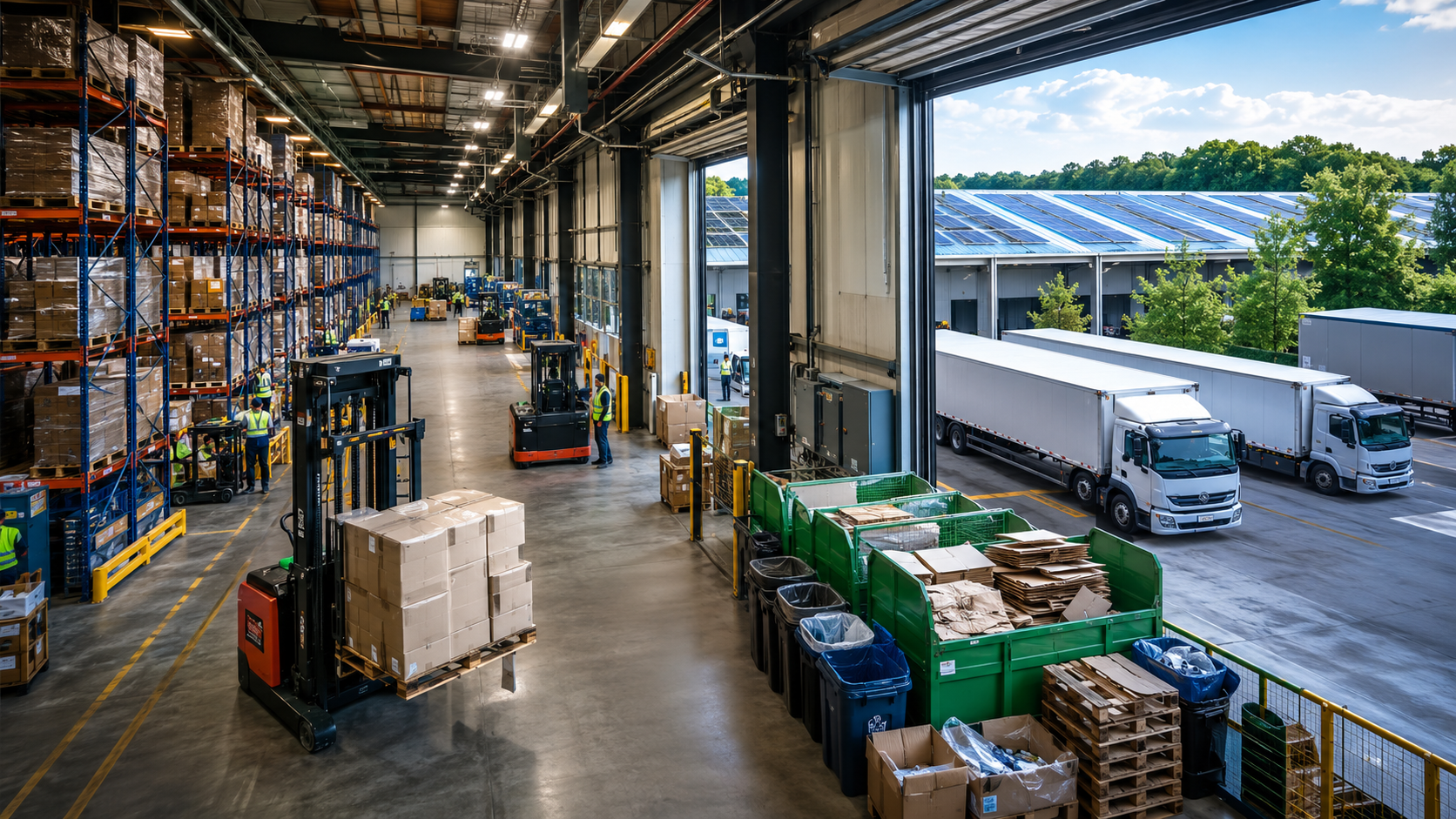
 

3pl-warehouse-sustainability.jpg


Recycling initiatives and energy management

Switching to energy-efficient systems and renewable energy in warehouses is crucial for sustainability. Installing LED lighting and solar panels reduces carbon footprints, while upgrading to HVAC systems further cuts costs.

E-commerce businesses can adopt eco-friendly packaging like cornstarch to minimize landfill waste and optimize package sizes to reduce material use and shipping emissions. Implementing recycling systems, with well-marked stations for materials like cardboard and plastic, further increases warehouse sustainability.

Innovative Inventory Management and Automation

Implementing innovative inventory management techniques, such as Just-in-Time (JIT) inventory, streamlines operations and reduces waste. This method minimizes overstocking and conserves energy. By reducing the amount of inventory on hand, companies can lower storage and tax costs, while also improving cash flow by freeing up capital previously held in inventory.

Dynamic Routing Software

Dynamic routing software is an advanced method for reducing carbon emissions in logistics operations. For instance, MacMillan automatically routes orders to the nearest distribution center, speeding up delivery and minimizing last-mile travel. Additionally, shipping partners like UPS use a system called ORION, which analyzes numerous route options in real-time to find the most efficient paths for delivery vehicles. This approach reduces fuel consumption and lowers the carbon footprint of logistics operations.

Green Roofing Systems

Green roofing systems enhance insulation, promote biodiversity, and manage stormwater. Beyond boosting energy efficiency through superior insulation, green roofs mitigate stormwater runoff, a frequent issue for large facilities. They can also reduce a building’s cooling load by up to 70%.

Enhanced 3pl Warehouse Design

The initial phase in optimizing your warehouse’s setup involves conducting an internal warehouse audit. This includes assessing your inventory, its placement, and its frequency of use. Segmenting zones within the warehouse for distinct activities can optimize energy consumption for lighting, heating, and cooling, aligning them with actual requirements.

The future of sustainable 3pl warehouse

The future of warehousing is rooted in sustainability, essential for both survival and growth. In US, the Environmental Protection Agency requires facilities, including warehouses, to report greenhouse gas emissions annually through the Greenhouse Gas Reporting Program.

  • At MacMillan, we are committed to green logistics through:
    Eco-friendly packaging
    Carbon-neutral shipping
    Advanced warehouse management systems
  • We adopt cutting-edge sustainable technologies and practices, including:
    Energy-efficient warehousing solutions
    Advanced recycling systems
  • Our efforts not only ensure regulatory compliance but also aim to set industry standards.
  • Collaboration with partners is crucial to achieving these sustainability goals.

How can sustainable warehousing reduce costs?

Embracing sustainable practices like waste reduction and energy optimization directly leads to reduced operational costs, thus boosting profit margins over time. Additionally, prioritizing sustainability enhances a brand’s reputation, as today’s consumers increasingly favor eco-conscious companies, with 55% willing to pay more for such brands.

By aligning operations with these values, businesses can access a growing market and potentially command premium prices. Ultimately, integrating sustainability offers a twofold advantage: cost reduction and enhanced market positioning, fostering long-term financial stability and expansion.

MacMillan’s approach for long term sustainability

At MacMillan, our commitment to sustainability is aligned with technology. By harnessing advanced systems and software, we streamline operations to minimize waste, enhance efficiency, and reduce our environmental footprint.

Here are a few ways we achieve this:
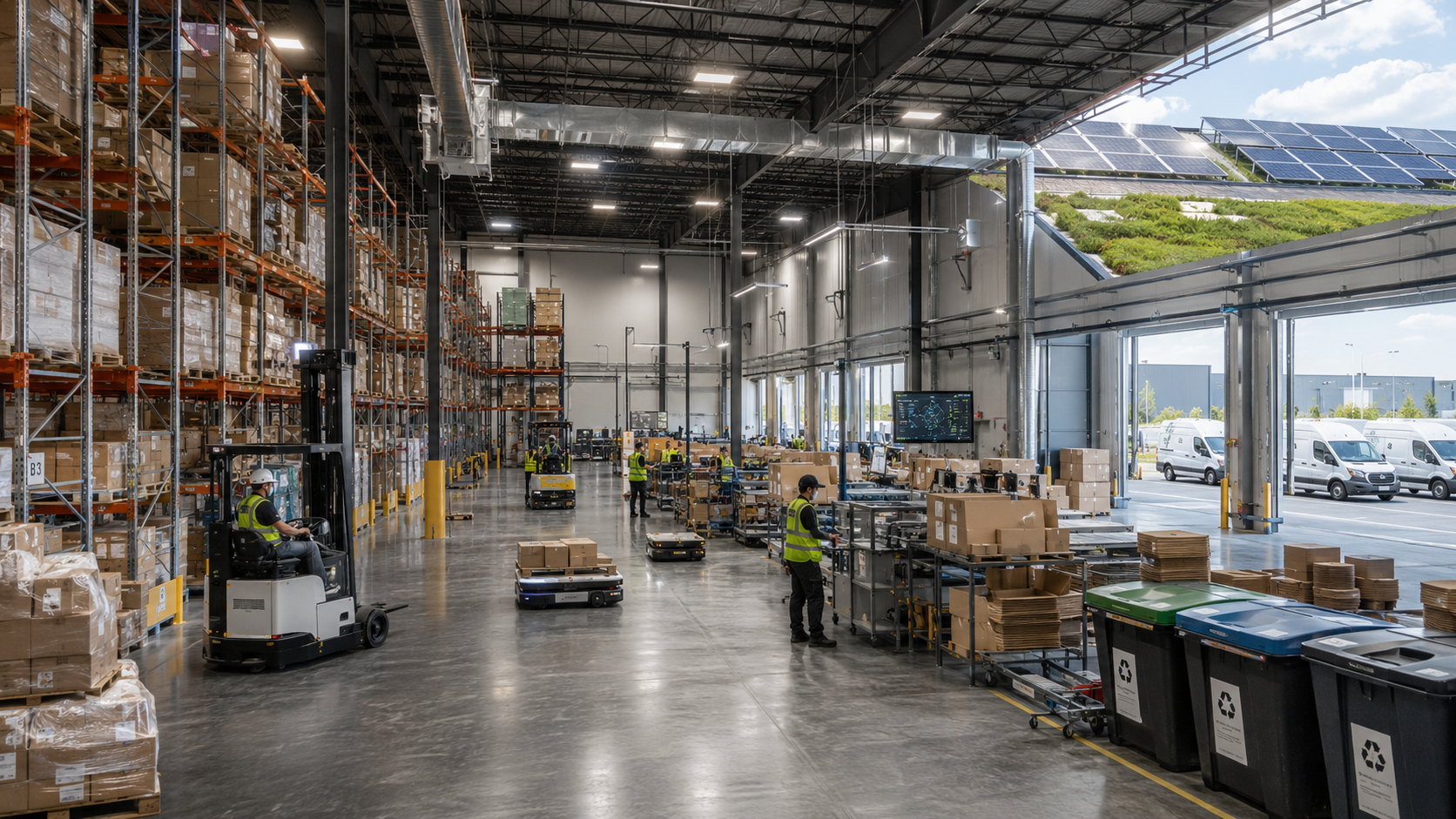
 

sustainable-3pl-warehouse-technology


  • Automated Inventory Management: Our integrated inventory management software ensures optimized stock levels, reducing instances of overstock and understock. This results in less waste and a more resource-efficient approach.
  • Route Optimization: Utilizing technology for route optimization helps us plan the most efficient fulfillment centers for product delivery. This not only ensures quicker deliveries, boosting customer satisfaction, but also reduces emissions.
  • Material Handling Automation: We employ automated sorting systems to streamline warehouse operations, minimizing the need for manual labor and lowering energy costs associated with goods movement.
  • Data Analytics: MacMillan leverages data analytics to assess and improve logistics sustainability. This involves analyzing transportation patterns, energy usage, and waste generation to focused areas for improvement.

Key Takeaways

The future of 3PL warehousing and fulfillment logistics is green. Embracing sustainability is crucial for both operational efficiency and long-term business growth. By integrating eco-friendly practices such as energy-efficient systems, waste reduction programs, and advanced inventory management, businesses can significantly reduce their environmental impact while lowering costs.

At MacMillan, our commitment to green logistics through cutting-edge technologies and collaborative partnerships sets us apart as top-tier leaders in sustainable warehouse operations.

Warehousing is a significant expense. Maintaining a 3pl warehouse constitutes a portion of your overall ecommerce operational costs. Whether you’re renting or purchasing a warehouse, these expenses must be carefully considered. Optimizing your ecommerce warehouse costs is essential for boosting profitability, though it can be a challenging endeavor.

To assist you, we’ve created this comprehensive guide to provide an understanding of the various 3pl warehouse costs, the methods used to calculate transparent warehouse pricing, and to help you determine whether buying or renting is the better option for your business. Furthermore, discovering strategies MacMillan uses to optimize your warehouse expenses, so they don’t erode your revenue.

What factors contribute to increased 3pl warehouse cost?

warehouse costs include a combination of fixed and variable expenses, which fluctuate monthly. A comprehensive understanding of the costs involved is crucial for effective logistics. Let’s delve into the main components of a 3pl warehouse costs:

Rent

Rent constitutes a significant portion of your warehouse expenses if you’re leasing space. It’s typically calculated based on square footage, meaning costs will vary depending on the total storage area utilized. Some 3pl warehouses also charge based on the number of items stored in the facility.

Utilities

Utilities such as electricity, heating/cooling, water, internet, and waste disposal are integral to 3pl warehouse operations. These costs are variable, fluctuating based on usage. For instance, heating costs may rise during winter, while electricity expenses might spike during peak seasons like the holidays when the warehouse operates overtime to meet increased demand.

Labor Costs

A substantial portion of warehouse operational expenses are attributed to labor. This includes wages for staff involved in various processes such as picking, packing, management, and equipment operation.

Equipment Costs

Equipment costs cover the purchase, rental, and maintenance of warehouse machinery. This includes forklifts, conveyor belts, pallet jacks, Automated Storage and Retrieval Systems, automated guided vehicles, and other essential equipment.

Technology pricing

Modern warehouses rely on technology like Warehouse Management Systems (WMS) and Inventory Management Systems providing system integration to streamline operations. MacMillan uses the latest tech-driven operations to provide real-time visibility.

Order Fulfillment Costs

Order fulfillment is another contributor to 3pl warehouse costs. This includes expenses for packaging materials and shipping. If you offer customized unboxing experiences, such as custom packaging, these additional charges fall under fulfillment costs.

Insurance and Taxes

Insurance is necessary to protect warehouses against damage, injury, or theft, with costs varying based on the types and values of goods stored.

How to calculate 3pl warehousing cost?

Calculating warehouse pricing involves several factors, including the chosen pricing structure and whether you opt to buy or rent the space.

Fixed warehouse pricing structure

Fixed variable pricing is the most popular model, where a business rents, leases, or purchases a fixed warehouse space. For rentals, a fixed monthly fee is paid for using the space, regardless of whether the full capacity is utilized. This fee is typically calculated per square foot, based on the total square footage and the cost per square foot.

You can use the following formula to calculate this type of warehouse pricing:

(Total rental space x Rental cost per square foot) + Operating costs = Monthly warehouse cost

Depending on the type of warehouse, you may incur additional expenses for value-added services like kitting, assembly, and fulfillment. Fulfillment providers often offer these services along with distributed 3pl warehousing, allowing you to outsource the entire operation and avoid overhead costs.

Another common pricing model in on-demand warehousing is the unit rates model, where charges are based on the number of transactions or units. This model may involve fixed fees per unit, pallet, transaction, or shipment. For instance, at $7 per pallet per month for 1,000 pallets, the total monthly 3pl billing cost would be $7,000.

Renting VS Buying

Purchasing a warehouse requires a significant initial investment, it can lead to long-term savings on monthly expenses. On the other hand, renting involves a lower initial outlay, making it ideal for smaller operations and businesses with tighter budgets.

Factors involved in buying a warehouse

  • Property Cost: (ranges between $625,000 and $750,000 for a 5,000 square foot space)
  • Maintenance Costs: Includes setup, repairs, and ongoing upkeep
  • Applicable Taxes

Factors involved in Renting a warehouse

  • Rental Cost: Around $8.84 per square foot in the United States, subject to increases
  • Applicable Taxes

Whether you buy or rent, you’ll still need to manage your own 3pl warehouse and fulfillment, which includes accounting for CAM charges, expenses not covered by rent or property cost.

How to optimize your 3pl warehouse cost to boost profitability?

Warehouse expenses significantly influence your total inventory costs and bottom line, making it crucial to optimize these costs for increased profitability.

Optimize Space Utilization

Maximize the use of your existing warehouse space to store more inventory with less expenditure. Improve your layout and storage systems, such as replacing racks with AS/AR systems, to better utilize vertical space and fit more inventory.

Avoid Overstocking/ Seasonal fluctuation

Excess inventory ties up capital and increases holding costs. MacMillan prevents overstocking by accurately forecasting demand and strategically planning procurement to align with these predictions.

Improve Inventory Flow

Ensure a smooth flow of goods through the warehouse to avoid bottlenecks. Arrange your space logically, placing fast-moving items near shipping docks for quicker access and turnover.

Enhance Operational Efficiency

Reduce overhead expenses by improving operational efficiency. Invest in automation technology and tools, such as warehouse management software and robotics, to streamline tasks and minimize labor and utility costs.

Consider Outsourcing Fulfillment

Outsource storage and fulfillment to 3PL warehouse providers to avoid the high costs of buying or renting warehouse space and running operations in-house.

Macmillan’s approach to 3pl warehousing?

Fortunately, MacMillan offers comprehensive solutions to support these strategies with its world-class warehouse management software and 3pl services. You can also adopt a hybrid approach, while MacMillan alleviates your workload and helps you reduce warehousing expenses.

Outsourcing fulfillment and warehousing to MacMillan

MacMillan outsourced fulfillment solution relieves you from the burdens of renting and managing your own warehouse. By keeping your inventory to MacMillan, you eliminate the need for renting or buying warehouse space, resulting in significant cost savings. Additionally, MacMillan handles all inventory management and fulfillment processes, reducing your labor and overhead expenses and significantly lowering your overall operational costs.

Optimize internal operations with Macmillan’s WMS

Empower your in-house operations with MacMillan’s WMS (Warehouse Management System). If you prefer utilizing your current warehouse space while cutting expenses, our WMS offers an ideal solution.

By automating tasks and optimizing operations, the WMS enhances warehouse productivity. For example, it calculates efficient routes and generates optimized lists, reducing travel time and improving pick-and-pack efficiency.

Additionally, it assists in order routing and carrier selection, enabling you to find the most cost-effective shipping routes and options to reduce shipping expenses.

Implementing hybrid fulfilment

You might decide to outsource direct-to-consumer (DTC) orders to MacMillan while handling Amazon orders internally if your current system is effective. Alternatively, you could delegate B2B order fulfillment and retail distribution to MacMillan while concentrating on managing DTC orders yourself.

This flexibility allows you to tailor a hybrid fulfillment strategy that enhances efficiency and lowers 3pl warehouse costs according to your specific needs and priorities.

Key Takeaways

This comprehensive guide has detailed the various costs associated with 3pl warehouses, from rent and utilities to labor, equipment, and technology. It has also provided strategies to optimize these costs.

MacMillan’s robust solutions, including their WMS and outsourced fulfillment services, offer effective ways to reduce warehousing expenses, whether through a fully outsourced model or a hybrid approach. By implementing these strategies, businesses can significantly improve their bottom line and streamline their logistics operations.

Leave a Reply

Your email address will not be published. Required fields are marked *