US businesses, especially those focused on e-commerce, often run into the tough task of bringing in quality goods without facing high customs fees and complicated logistics. But there’s a solution that might not be on everyone’s radar – Section 321.
This regulation from U.S. Customs and Border Protection could really make a difference for companies trying to improve their supply chain and lower their costs.
Understanding Section 321: A Boon for E-Commerce and Small Shipments
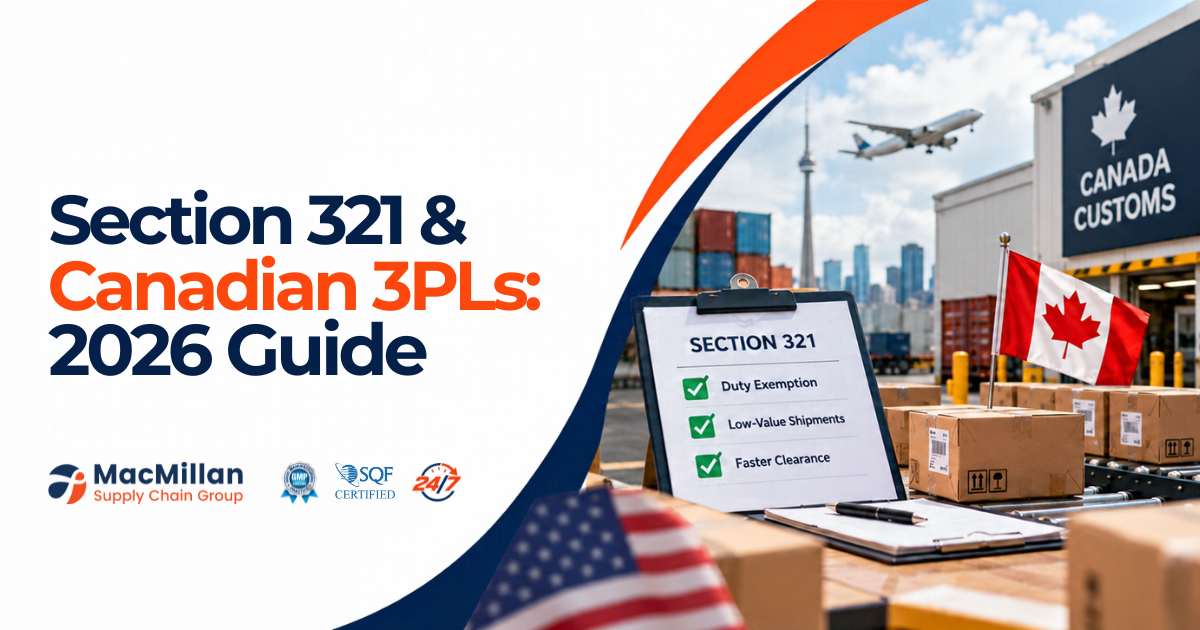
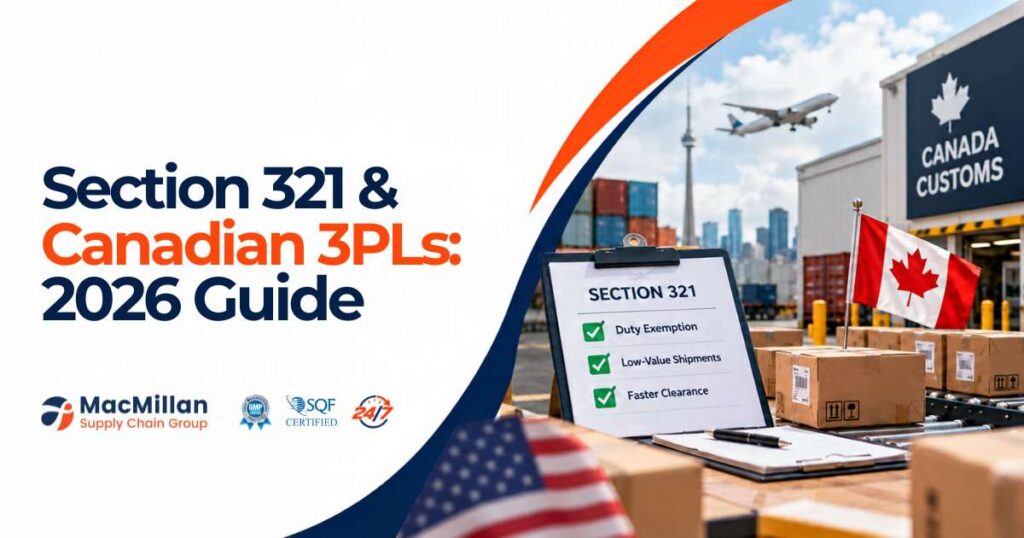
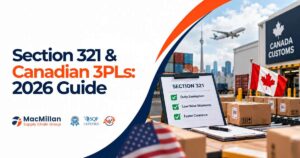
Section 321 is a policy from U.S. Customs and Border Protection that significantly simplifies the import process for small shipments.
It’s particularly beneficial for e-commerce businesses, allowing goods valued up to $800 to enter the U.S. duty-free and tax-free. This makes importing low-value items more efficient and cost-effective.
Key Points of Section 321
- Each shipment must not exceed $800 in value.
- The US has imposed extra import taxes on a variety of Chinese goods due to a trade conflict. These taxes, known as “Section 301,” have significantly increased costs for importers, affecting items like food, household goods, and personal care products. However,if the value of these imported items is small enough, they can bypass these extra taxes under a rule called “Section 321.
- Only one duty-free shipment is allowed per recipient per day.
- The policy does not apply to certain products like tobacco, alcohol, and regulated chemicals.
Benefits of Section 321 for Businesses
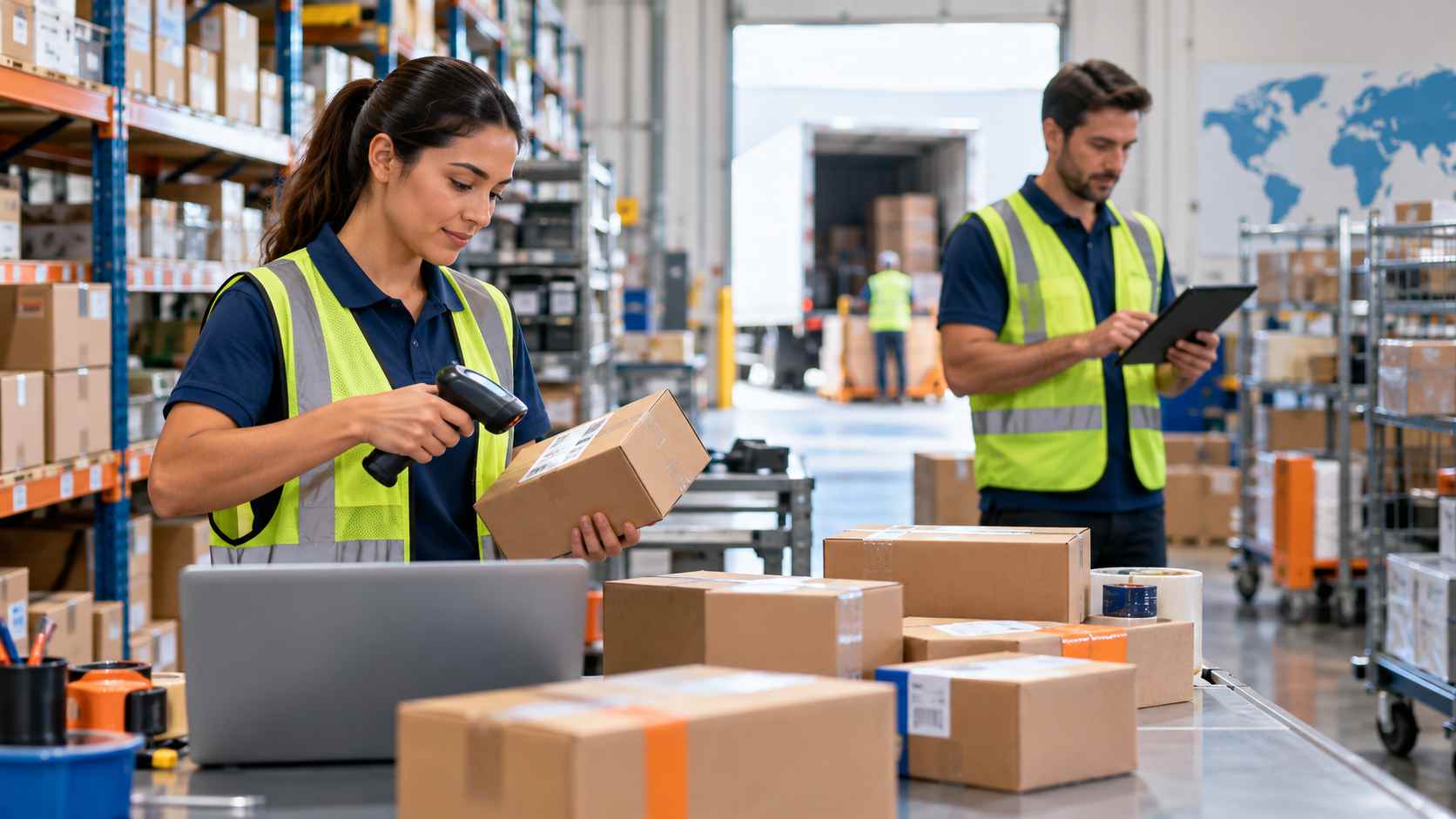
Section 321 offers several advantages for businesses, making it a valuable asset for smoother and more economical operations:
- Duty and Tax Exemption: Businesses can import goods valued at less than $800 into the U.S. without paying duties and taxes, significantly reducing import costs if they use a Canadian 3PL.
- Streamlined Customs Process: Imports under Section 321 often experience faster customs clearance and reduced paperwork, enhancing efficiency in the supply chain.
- Enhanced Market Competitiveness: Lower import costs can lead to lower retail prices, making a business’s products more competitive in the U.S. market.
- Ideal for E-commerce: E-commerce businesses benefit from the ability to import smaller, more frequent shipments economically, facilitating better inventory management and a diverse product range.
- Flexibility in Supply Chain Management: Section 321 allows businesses to test new products in the U.S. market with minimal financial risk and adjust import strategies quickly in response to market demands.
Advantages of Partnering with a Canadian 3PL Provider
Working with a Canadian Third-Party Logistics (3PL) provider can be beneficial for businesses in leveraging Section 321 of the U.S. Customs and Border Protection (CBP) regulations. Here’s how:
- Facilitating Shipments Under the De Minimis Threshold: Section 321 allows for the duty-free entry of goods valued at $800 or less into the U.S. A Canadian 3PL, like MacMillan, can manage the logistics of ensuring that shipments to the U.S. stay under this threshold. This is particularly useful for e-commerce businesses that frequently ship low-value items.
- Distribution and Fulfillment Services: A Canadian 3PL can provide warehousing and order fulfillment services. They can store products in Canada and then ship them directly to U.S. customers. This can be more efficient and cost-effective, especially for businesses that have a significant customer base in both Canada and the U.S.
- Cross-Border Expertise: Shipping goods between Canada and the U.S. can be complex because of different rules and paperwork. Canadian 3PLs know how to handle these challenges, making sure everything goes smoothly, which includes customs clearance, documentation, and compliance with Section 321.
- Reduced Shipping Costs and Times: By using a Canadian 3PL, businesses can potentially reduce shipping costs and delivery times. Goods can be shipped in bulk to the 3PL’s Canadian warehouse and then distributed in smaller shipments to U.S. customers, taking advantage of the Section 321 exemption.
- Flexibility and Scalability: A 3PL can offer scalable solutions that adjust to the volume of shipments, which is beneficial for businesses experiencing growth or seasonal fluctuations in demand.
- Risk Mitigation: By spreading out logistics operations across the U.S.-Canada border, businesses can mitigate risks associated with supply chain disruptions, political changes, or other unforeseen events.
- Geographical Proximity: Canada’s close border with the U.S. ensures faster transportation, shorter transit times, and a more agile supply chain, advantageous for businesses using Section 321.
Elevate Your Cross-Border Operations with MacMillan
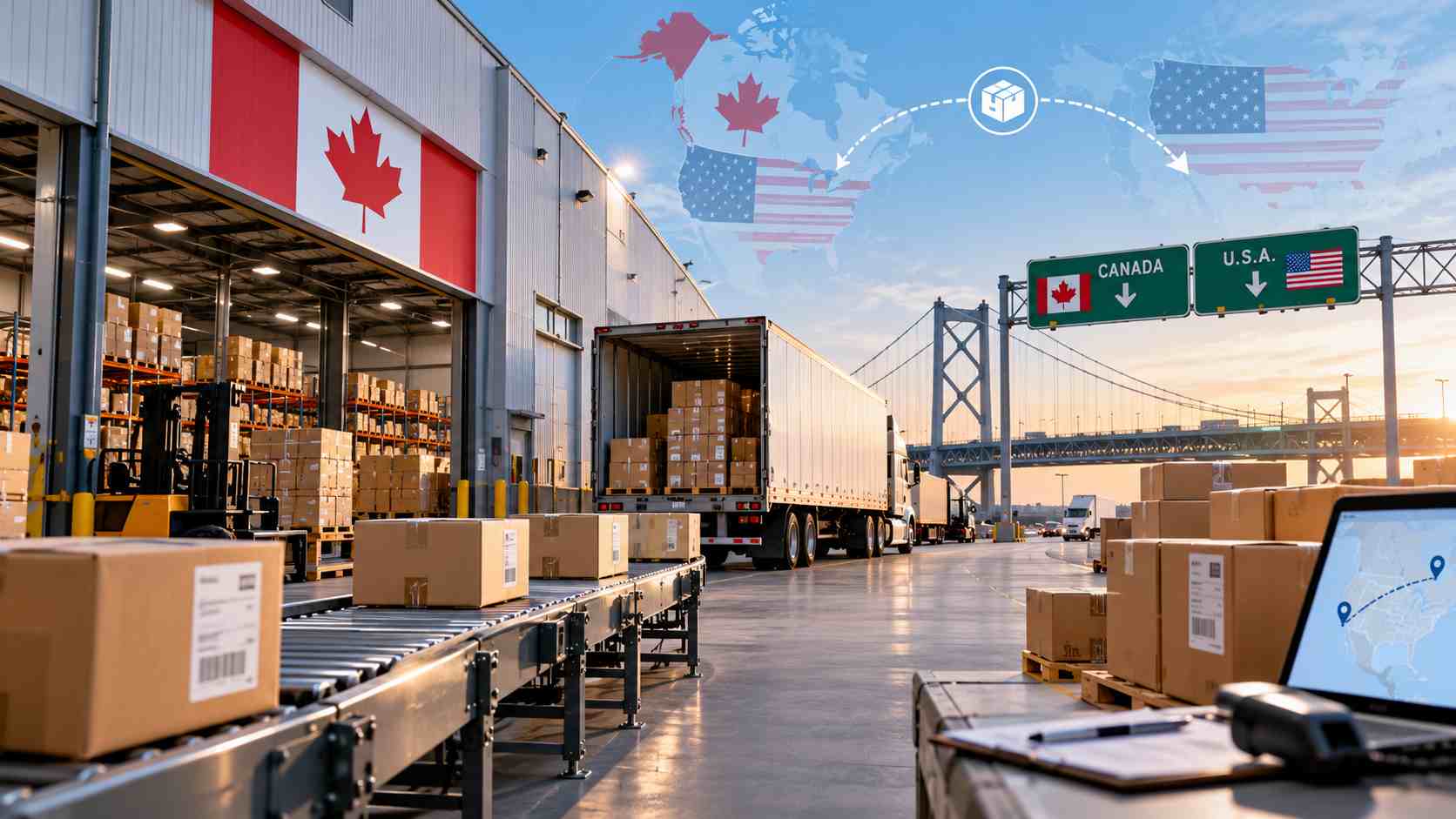
Section 321 offers great opportunities for businesses doing cross-border trade, particularly in e-commerce. However, it comes with its own set of challenges.
It’s important for businesses to carefully choose a 3PL partner that has a proven track record, understands the specific needs of the business, and is well-versed in the regulatory environments of both countries.
Additionally, staying updated on any changes to customs regulations and Section 321 is crucial for maintaining compliance and optimizing the benefits of cross-border trade.
Navigating the complexities of Section 321 for efficient cross-border trade can be challenging. MacMillan, a leading Canadian Third-Party Logistics (3PL) provider, offers the expertise and solutions to simplify this process for your business.
Explore MacMillan’s services and unlock the full potential of your e-commerce operations with a trusted, efficient logistics partner by your side.
Contact us today