



Black Friday Fulfillment Canada: 2026 Peak Season Guide
Black Friday Fulfillment Canada: How E-commerce Brands Can Prepare for…
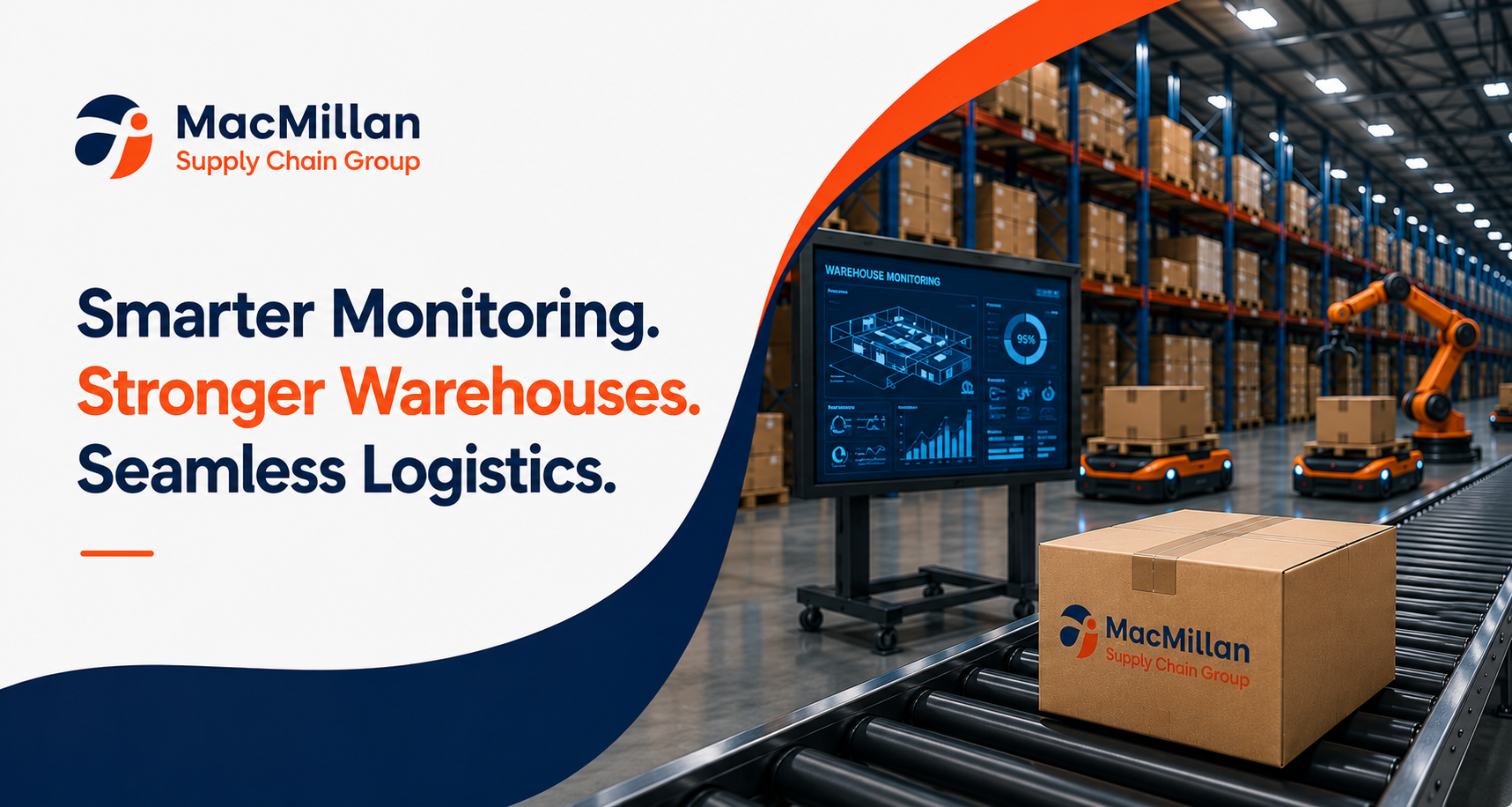


Black Friday Fulfillment Canada: How E-commerce Brands Can Prepare for…

When discussing e-commerce, what typically springs to mind? Most likely,…

As the busiest time of the year draws near, the…
As the busiest time of the year draws near, the…
 Ecommerce warehouses and logistics company’s Toronto are bustling hubs of activity. From managing daily tasks such as inventory receipt and order fulfillment to more intricate processes like cross-docking and inventory audits, keeping track of every detail can be challenging.
Yet, for effective warehouse management, having accurate and real-time information on your warehousing operations is crucial. This is where warehouse monitoring in today’s age for logistics company’s Toronto becomes indispensable. With comprehensive visibility and up-to-date insights into your warehouse processes, you can significantly enhance operational efficiency.
In this article, we’ll explore what warehouse monitoring entails, the advantages of a high-quality monitoring system, and the key features to consider when choosing a warehouse monitoring solution for logistics company’s Toronto.

Warehouse monitoring involves the observation, measurement, and tracking of conditions, materials, and activities within a warehouse. This practice typically employs advanced warehousing technologies, such as surveillance cameras, sensors, and IoT devices, to gather, process, and analyze data, enabling workers to make informed decisions based on real-time insights for any logistics company’s Toronto.
Brands utilize warehouse monitoring systems to oversee various aspects, including:
As warehouse operations become increasingly complex, so too does the technology designed to monitor them. Gone are the days when workers spent hours manually recording data and conditions. Today, for logistics company’s Toronto, technology automates many monitoring tasks, providing deeper insights and greater efficiency.
Key Components of a Warehouse Monitoring System used by MacMillan
Several cutting-edge technologies are enhancing warehouse monitoring. Here are some of the most effective tools used:
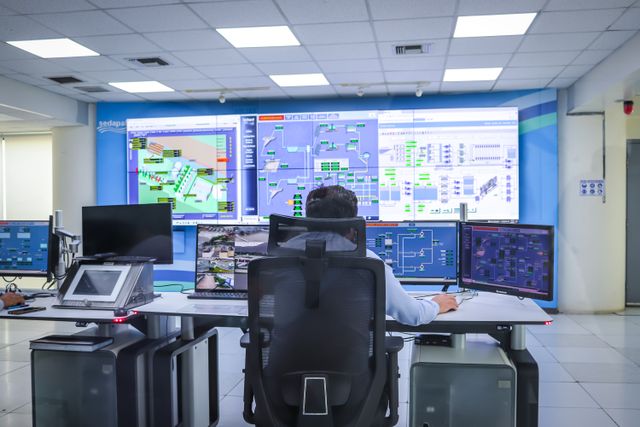
A Warehouse Management System (WMS) is crucial for tracking and managing all aspects of warehousing from a single platform. MacMillan offers a comprehensive WMS designed to enhance warehouse monitoring and streamline operations.
Advanced Fulfillment Analytics
MacMillan’s WMS provides advanced analytics that deliver real-time insights into your warehousing and fulfillment performance for various logistics company’s Toronto. Key metrics include:
These analytics enable you to evaluate and optimize warehouse processes, identify inefficiencies, and reduce operating costs. For example, if you observe increased average fulfillment times, you can investigate and refine picking and packing strategies to enhance efficiency.
Integration with Existing Systems
A unified system for managing warehouse operations is essential for effective monitoring. MacMillan WMS integrates seamlessly with various ecommerce platforms and tools, minimizing the need for multiple platforms and reducing data inaccuracies.
Integrations with systems like Amazon for returns management and for sales channel operations ensure that your warehouse monitoring is comprehensive and up-to-date. This cohesive approach allows for accurate inventory tracking and better management of stock levels and orders.
Real-Time Inventory Tracking
MacMillan’s WMS offers real-time visibility into inventory levels across different SKUs and storage locations. This ensures precise inventory counts, timely updates, and the ability to forecast inventory needs accurately. By monitoring stock levels closely, you can avoid stock outs, manage reordering efficiently, and minimize excess inventory costs.
Ecommerce warehouses and logistics companies in Toronto are dynamic environments where managing daily operations and complex processes can be daunting. Effective warehouse management hinges on accurate, real-time information, making advanced warehouse monitoring essential. By utilizing technologies like IoT devices, RFID tags, and sensors, logistics companies can gain comprehensive visibility into their operations, improving efficiency and responsiveness.
This article explores the benefits of top-tier warehouse monitoring systems and their key components, highlighting how cutting-edge tools and centralized software solutions can streamline warehouse management and enhance operational performance in the Toronto logistics sector.




3 Responses
Good article. I certainly appreciate this site.
Stick with it!
Fantastic site. Plenty of helpful info here. I’m sending it to several
buddies ans also sharing in delicious. And naturally, thanks in your effort!
Thank you so much! We really appreciate your support and sharing!