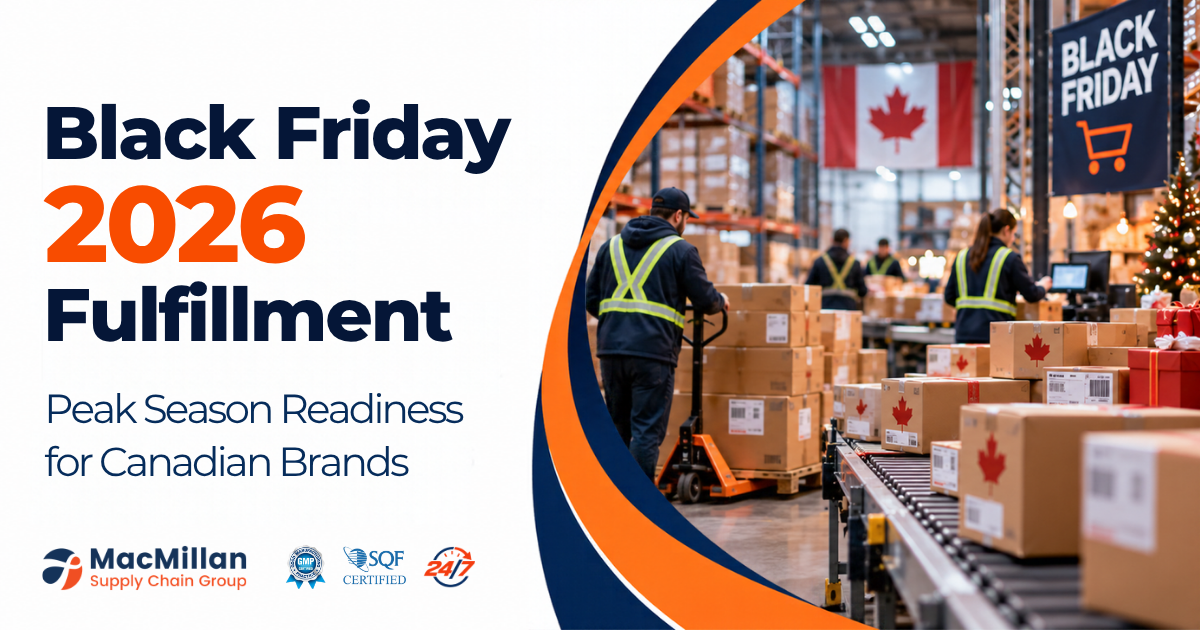
Black Friday Fulfillment Canada: 2026 Peak Season Guide
Black Friday Fulfillment Canada: How E-commerce Brands Can Prepare for…
Black Friday Fulfillment Canada: How E-commerce Brands Can Prepare for…
When discussing e-commerce, what typically springs to mind? Most likely,…
As the busiest time of the year draws near, the…
As the busiest time of the year draws near, the…
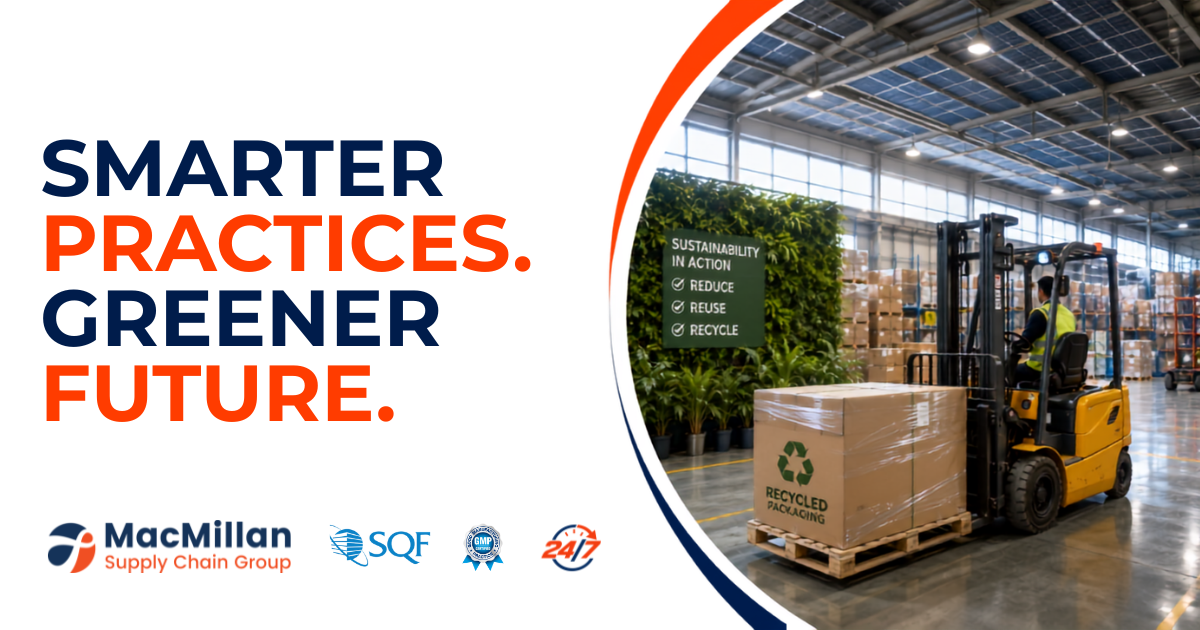
Sustainability and a greener future are crucial in 3pl warehousing and fulfillment logistics. This marketplace revolves around significant energy consumption, waste production, and transportation emissions. Despite these challenges, there are many opportunities to adopt eco-friendly practices that can reduce environmental impact and boost business efficiency.
This article delves into strategies for making 3pl warehouse operations more sustainable, offering companies the dual benefits of contributing to environmental sustainability and reducing costs.
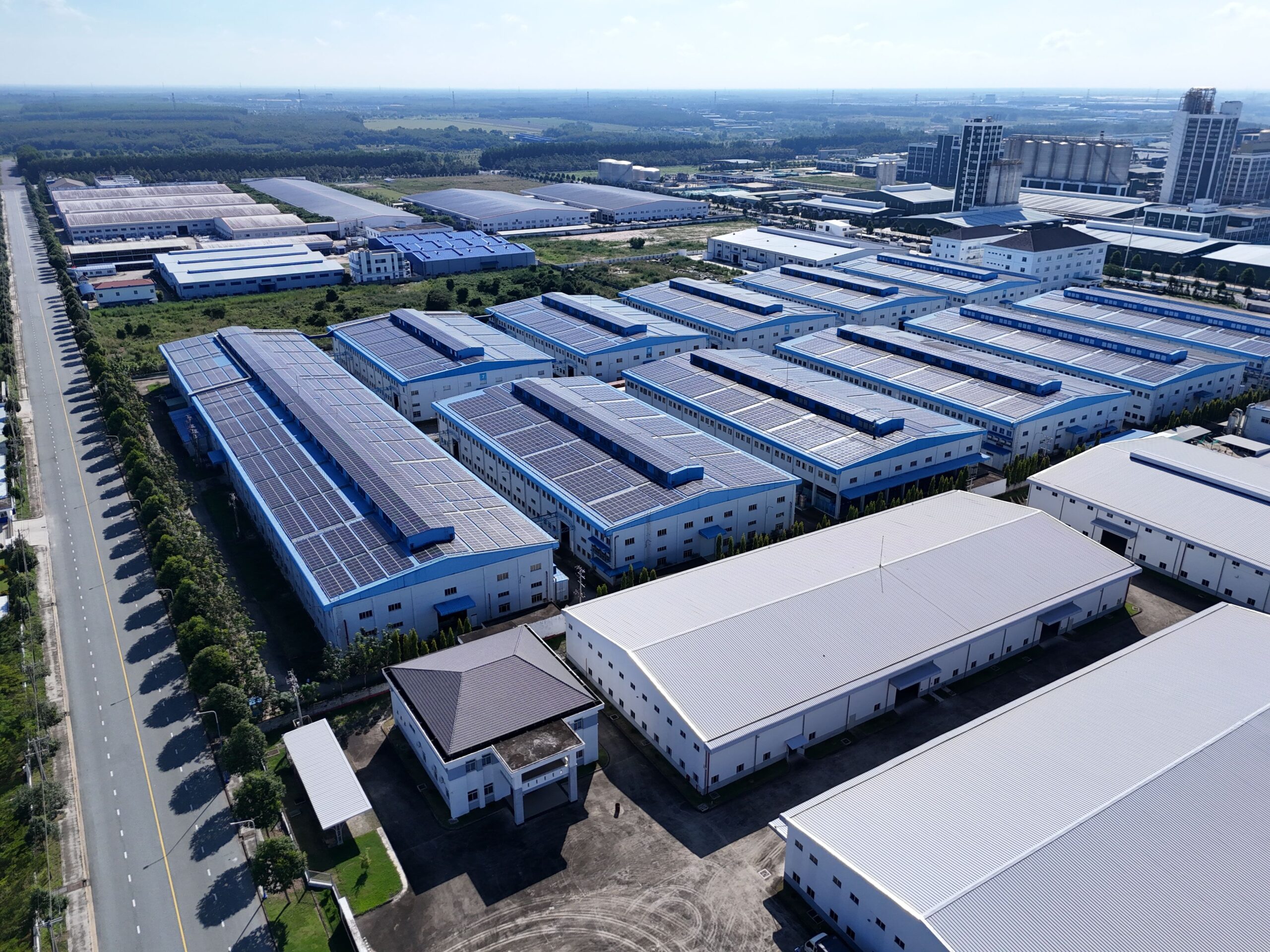
Warehouse sustainability involves operational processes of warehouses to be performed in an eco-friendly manner, introducing measures like energy-efficient lighting, solar power, and waste reduction programs. This approach minimizes environmental impact, conserves resources, and upholds social responsibility.
However, sustainable 3pl warehouse operations offer more than just environmental benefits. When executed effectively, they can reduce energy costs by up to 20% and lower waste disposal fees through enhanced recycling and reuse strategies. Furthermore, by adopting efficient inventory management systems, businesses can avoid overstock.
Energy efficiency plays a crucial role in sustainable warehousing. Implementing LED lighting or solar panels can reduce energy costs and carbon emissions.
Additionally, waste reduction and storage optimization are key. By recycling shipping materials, adopting innovative packaging techniques, and optimizing inventory management to prevent overstocking, you can significantly optimize operations in both areas.
Implementing sustainable practices in warehouse operations has various benefits, including:
Choosing eco-friendly shipping practices is a key aspect of sustainable 3pl warehouse operations, but several other factors also support green principles such as:
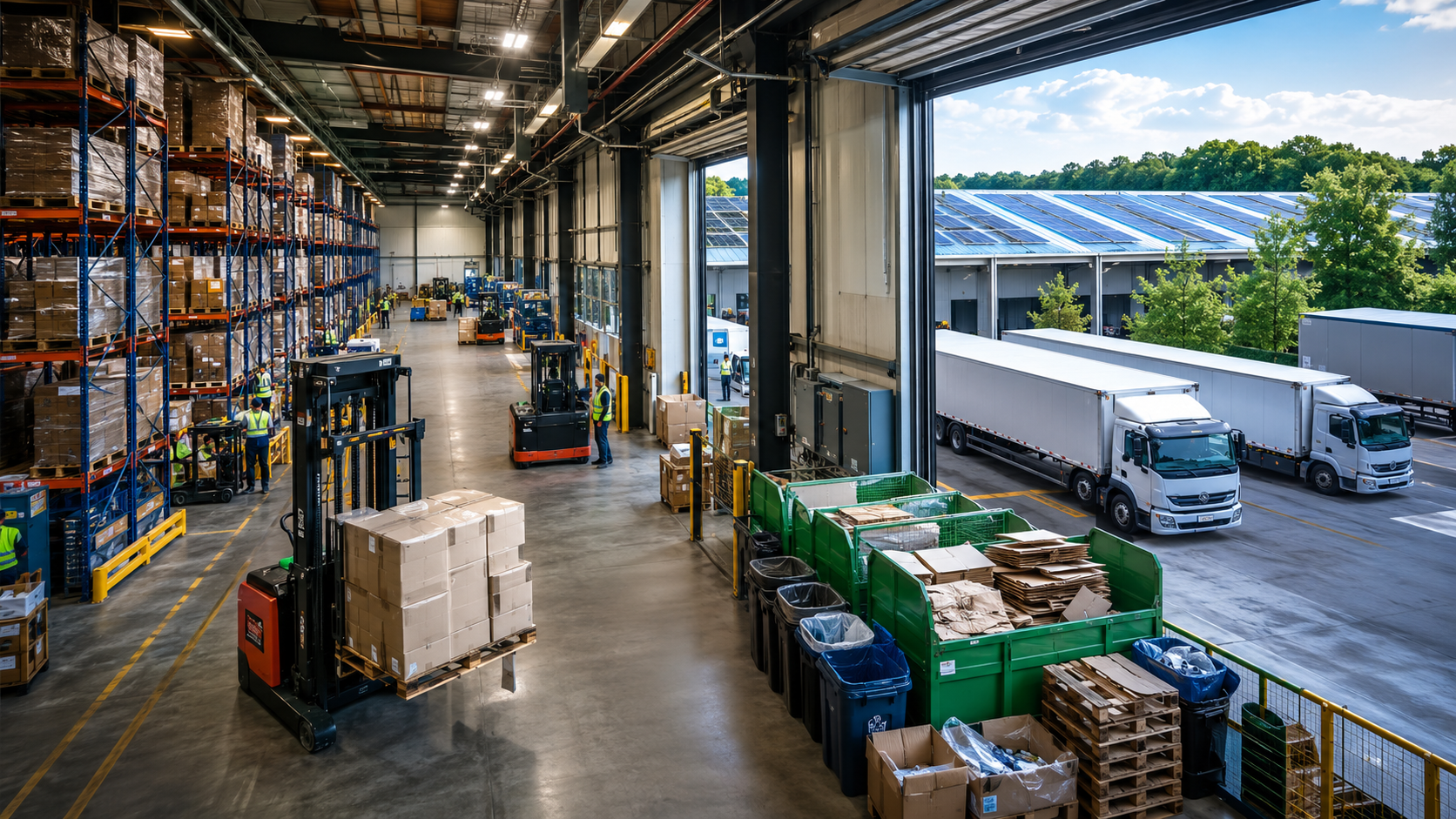
Recycling initiatives and energy management
Switching to energy-efficient systems and renewable energy in warehouses is crucial for sustainability. Installing LED lighting and solar panels reduces carbon footprints, while upgrading to HVAC systems further cuts costs.
E-commerce businesses can adopt eco-friendly packaging like cornstarch to minimize landfill waste and optimize package sizes to reduce material use and shipping emissions. Implementing recycling systems, with well-marked stations for materials like cardboard and plastic, further increases warehouse sustainability.
Innovative Inventory Management and Automation
Implementing innovative inventory management techniques, such as Just-in-Time (JIT) inventory, streamlines operations and reduces waste. This method minimizes overstocking and conserves energy. By reducing the amount of inventory on hand, companies can lower storage and tax costs, while also improving cash flow by freeing up capital previously held in inventory.
Dynamic Routing Software
Dynamic routing software is an advanced method for reducing carbon emissions in logistics operations. For instance, MacMillan automatically routes orders to the nearest distribution center, speeding up delivery and minimizing last-mile travel. Additionally, shipping partners like UPS use a system called ORION, which analyzes numerous route options in real-time to find the most efficient paths for delivery vehicles. This approach reduces fuel consumption and lowers the carbon footprint of logistics operations.
Green Roofing Systems
Green roofing systems enhance insulation, promote biodiversity, and manage stormwater. Beyond boosting energy efficiency through superior insulation, green roofs mitigate stormwater runoff, a frequent issue for large facilities. They can also reduce a building’s cooling load by up to 70%.
Enhanced 3pl Warehouse Design
The initial phase in optimizing your warehouse’s setup involves conducting an internal warehouse audit. This includes assessing your inventory, its placement, and its frequency of use. Segmenting zones within the warehouse for distinct activities can optimize energy consumption for lighting, heating, and cooling, aligning them with actual requirements.
The future of warehousing is rooted in sustainability, essential for both survival and growth. In US, the Environmental Protection Agency requires facilities, including warehouses, to report greenhouse gas emissions annually through the Greenhouse Gas Reporting Program.
Embracing sustainable practices like waste reduction and energy optimization directly leads to reduced operational costs, thus boosting profit margins over time. Additionally, prioritizing sustainability enhances a brand’s reputation, as today’s consumers increasingly favor eco-conscious companies, with 55% willing to pay more for such brands.
By aligning operations with these values, businesses can access a growing market and potentially command premium prices. Ultimately, integrating sustainability offers a twofold advantage: cost reduction and enhanced market positioning, fostering long-term financial stability and expansion.
At MacMillan, our commitment to sustainability is aligned with technology. By harnessing advanced systems and software, we streamline operations to minimize waste, enhance efficiency, and reduce our environmental footprint.
Here are a few ways we achieve this:
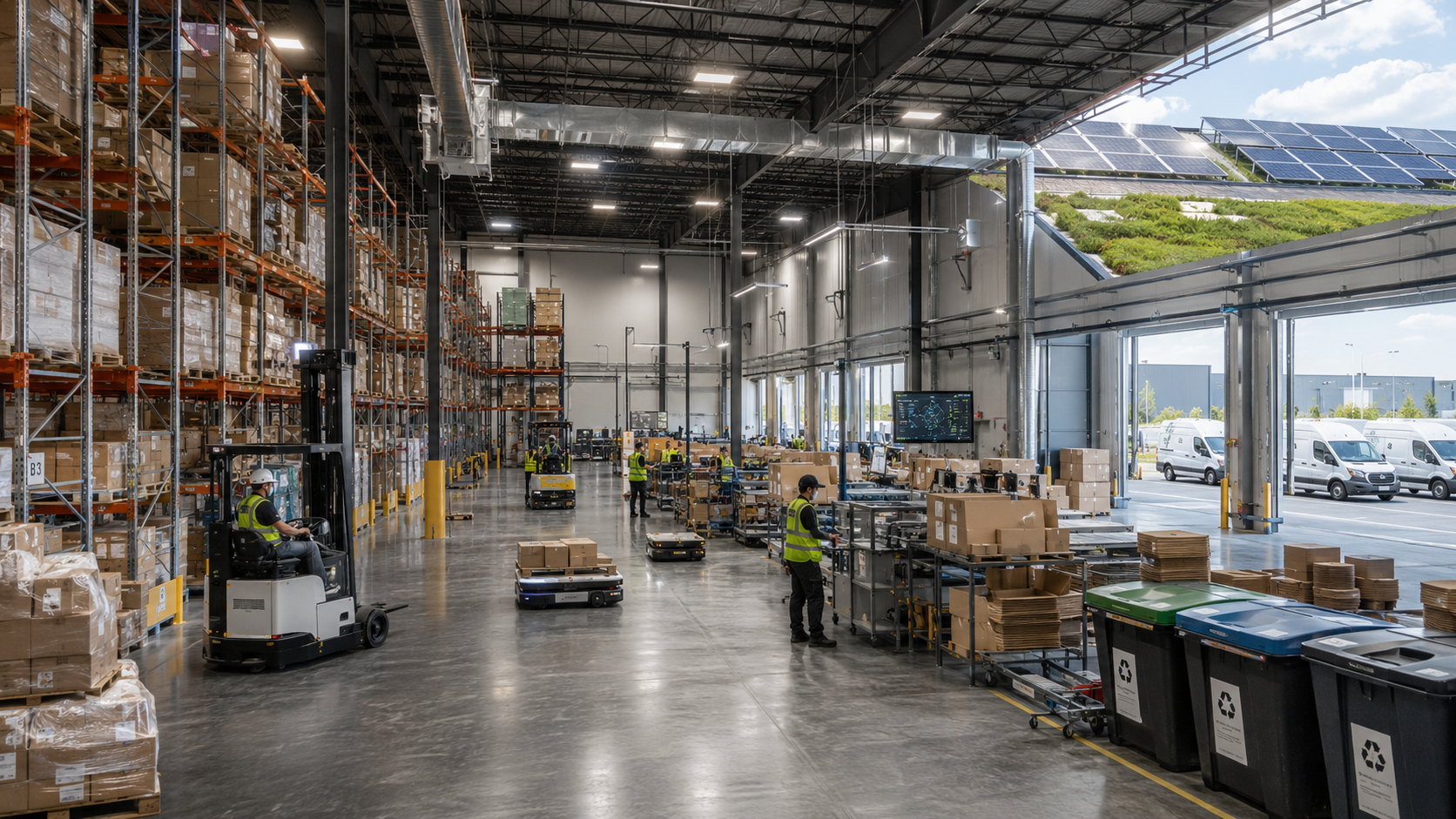
The future of 3PL warehousing and fulfillment logistics is green. Embracing sustainability is crucial for both operational efficiency and long-term business growth. By integrating eco-friendly practices such as energy-efficient systems, waste reduction programs, and advanced inventory management, businesses can significantly reduce their environmental impact while lowering costs.
At MacMillan, our commitment to green logistics through cutting-edge technologies and collaborative partnerships sets us apart as top-tier leaders in sustainable warehouse operations.