Black Friday Fulfillment Canada: 2026 Peak Season Guide
Black Friday Fulfillment Canada: How E-commerce Brands Can Prepare for…
Black Friday Fulfillment Canada: How E-commerce Brands Can Prepare for…
When discussing e-commerce, what typically springs to mind? Most likely,…
As the busiest time of the year draws near, the…
As the busiest time of the year draws near, the…
Partnering with a third-party logistics (3PL) provider like MacMillan Supply Chain Group can be a strategic move to help your business save money and boost efficiency. 3PLs achieve this through economies of scale, which grant them access to better shipping rates and optimized warehousing costs. They eliminate the need for businesses to invest heavily in their own warehousing infrastructure and technology.
3PLs leverage cutting-edge technology, such as warehouse management systems and business intelligence tools, to streamline operations, reduce errors, and gain valuable insights which can be your warehousing solution to cost efficiency. Choosing the right 3PL involves assessing your specific needs. Look for a provider with a proven track record, transparent pricing, and a commitment to technological innovation. MacMillan Supply Chain Group is ready to tailor a solution that aligns with your unique business requirements, providing reliability, transparency, and expertise to optimize your logistics operations and drive cost savings for you.
A variable cost model from a 3PL allows you to easily manage and optimize your business operations. Let’s explore how 3PLs accomplish this.
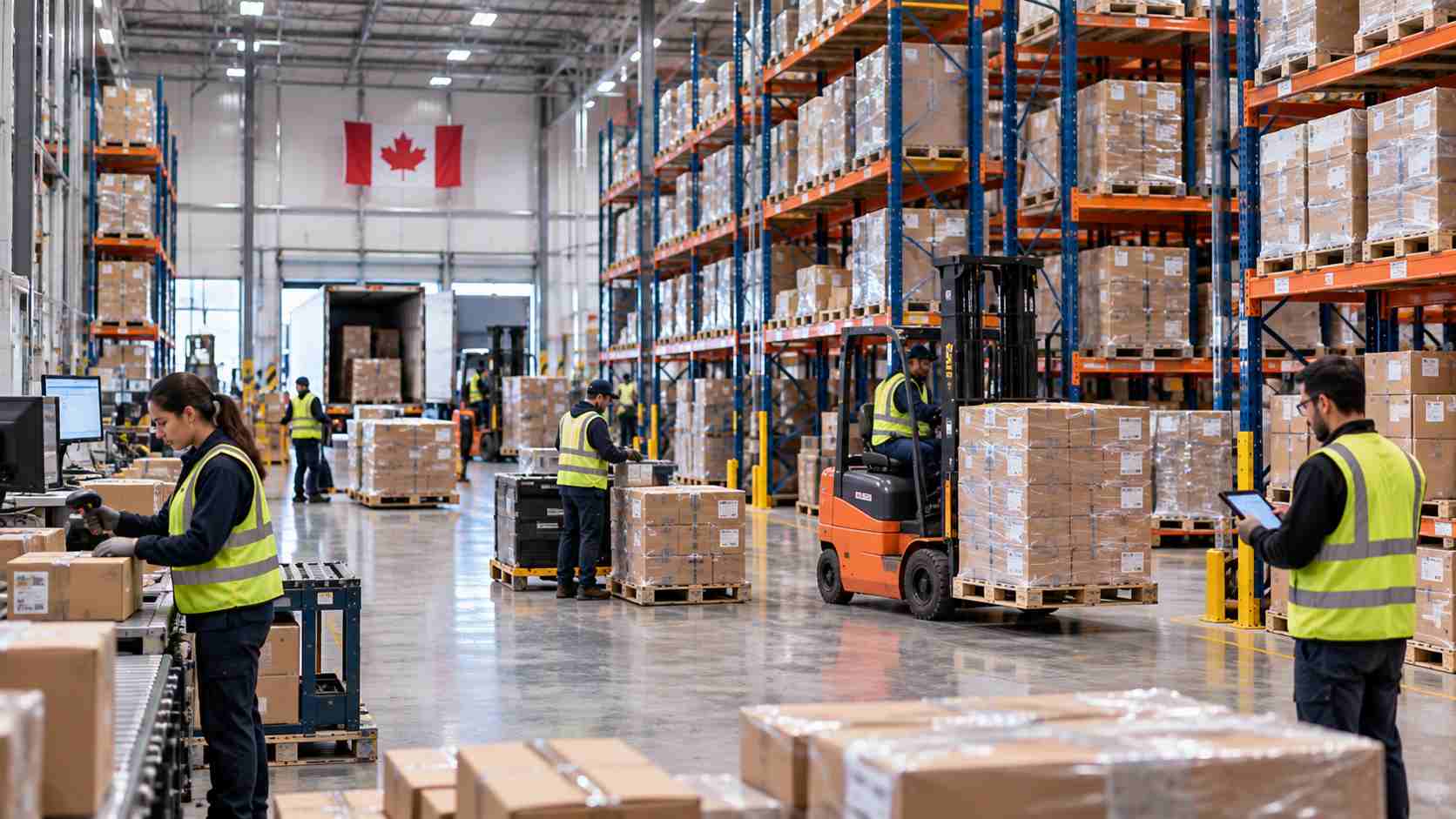
There are many massive benefits inherent in outsourcing to a third-party logistics provider. Many of these benefits are centered around a 3PL’s ability to provide shippers with cost savings and greater levels of efficiency throughout the logistics process. 3pls have large resource networks which help them cut costs and boosts efficiency and have flexible capacity which can easily adapt to high and low order volume without losing efficiency.
A good 3pl can save you money in a multitude, take a look at the following:
One of the biggest advantages of partnering with a 3PL is their ability to leverage economies of scale. By handling large volumes of shipments for numerous businesses, they become high-volume customers for major carriers like UPS and FedEx. This buying power translates into significantly discounted shipping rates that individual businesses would be hard-pressed to achieve on their own. When you work with a 3PL, you essentially tap into their bulk discounts, allowing you to ship your products at a fraction of the cost. Using a good 3pl partner can help you optimize your asset utilization by spreading the fixed warehouse costs, transportation fleet and technology across a larger client base, resulting in a lower per unit cost for each client. Moreover, by combining shipments from multiple clients, 3PLs can fill trucks and containers more efficiently, reducing transportation costs per unit.
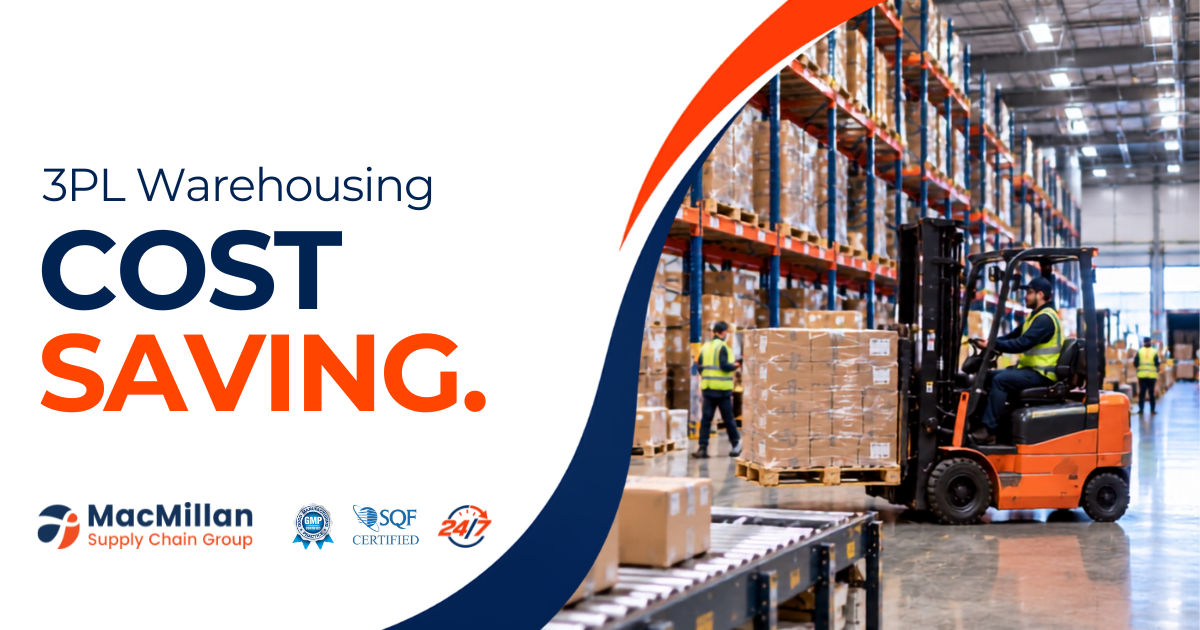
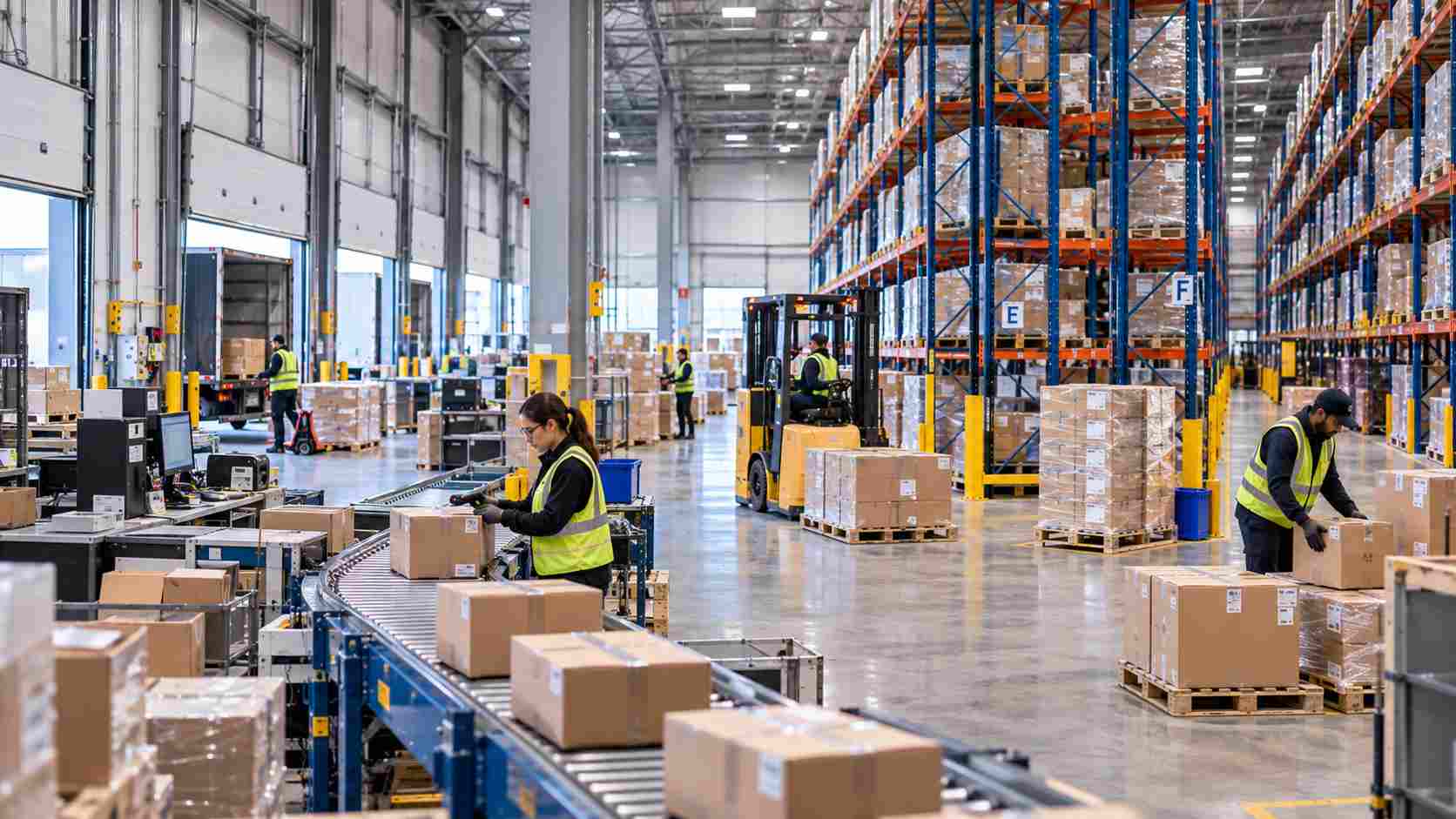
Managing a warehouse can be financially draining, you need space, equipment (like forklifts and conveyor belts), and technology to have a track on your inventory management systems. A good 3PL partner eliminates this requirement for its customers allowing you to redirect your resources to core business growth.
Reduced Capital Investment: You don’t have to buy or lease warehouse space or invest in expensive equipment. A 3PL such as MacMillan supply chain group incurs expenses but spreads the cost across all clients, thus each client is responsible for only a small fraction of capital investment as opposed to absorbing it all by operating their own facility.
If you choose to manage shipping internally, you’ll need to purchase and implement your own IT platform. This means another system to learn, manage, update, troubleshoot, and integrate with customers which can be cost bearing.
However, by outsourcing these functions to a 3PL, you transfer the responsibility of system operations to a company that specializes in these platforms. The sophisticated technology that top 3PLs use within the warehousing space can prove to be a toolkit for your business. 3PLs continually invest in the latest logistics technology, providing you with access to advanced systems and capabilities without having to bear the full cost yourself.
Freight refers to goods or cargo being transported from one place to another. This can include a wide range of products, from raw materials and components to finished goods ready for distribution. Shipping goods isn’t cheap. Between fluctuating fuel costs, the pressure to deliver quickly, and the complexities of pricing structures, freight expenses can quickly add up.
Are you gearing up for a 3PL RFP in 2024?
Selecting the right 3PL is crucial to maximizing your cost savings and overall supply chain efficiency, which depends on several factors which you should consider while choosing your best partner. At MacMillan Supply Chain Group, we understand the critical role logistics plays in your business success, and we’re here to deliver seamless solutions that exceed expectations and save you money.
Why choose us for your 3PL needs? Here’s why.
Let’s see how MacMillan can add value to your supply chain. Visit our guide now!
When technology is a priority, look for these key features:
Partnering with the right 3PL is like adding a financial advisor to your logistics team. They don’t just move boxes; they analyze, optimize, and strategize to save you money at every turn. From securing better shipping rates and optimizing warehouse space to leveraging advanced technology and expertise, a 3PL can transform your supply chain from a cost center into a competitive advantage.
Whether you’re a small business struggling with shipping costs or a large enterprise looking to streamline operations, a 3PL can tailor scalable solution to your needs.