Did you know that only
21% of businesses feel really confident in their
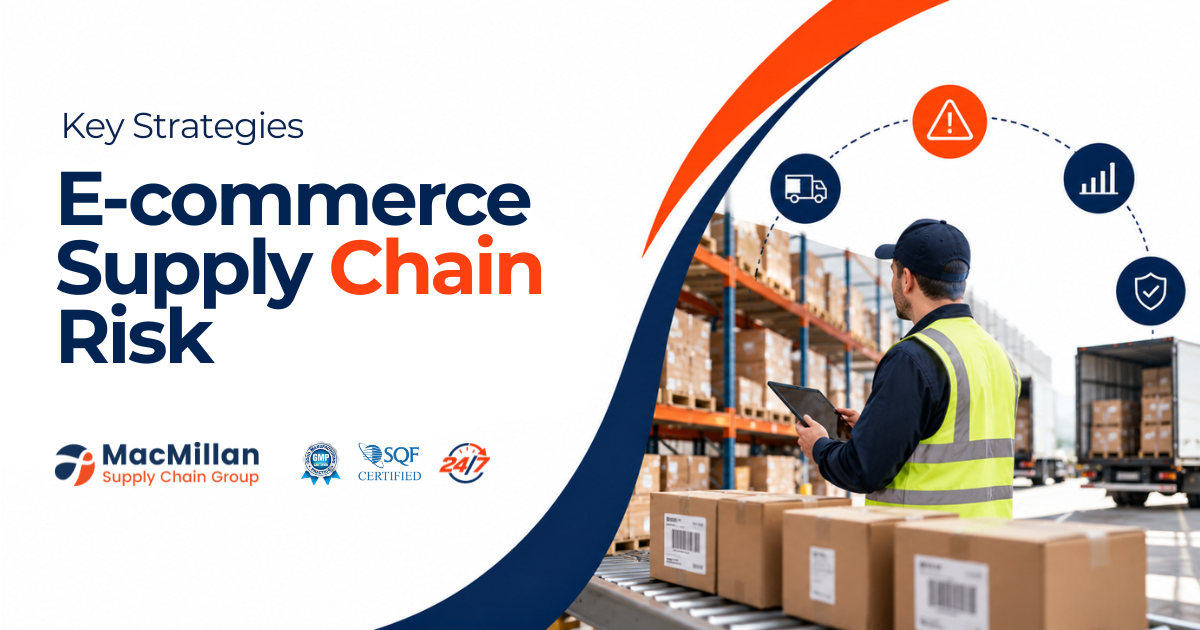
supply chain risk management? It’s quite an eye-opener. In e-commerce, the buzz around supply chain disruptions is hard to miss. From fuel shortages to the chaos at shipping ports, it’s clear that mastering supply chain risk management is a must-have for e-commerce businesses. And here’s something to ponder: barely half of these businesses are hopeful about achieving strong resilience in their supply chains in the near future. Think of the supply chain as the lifeline of e-commerce. Without effective supply chain risk management, there’s no product to sell, no inventory, and, inevitably, no revenue. The risks vary widely, including issues like product quality, unreliable suppliers, security threats, and sometimes just not having a clear view of what’s happening. If you’re running an e-commerce business, all this might sound a bit overwhelming. But don’t worry; that’s exactly what we discuss in this blog. We will dive into what supply chain risk management means for e-commerce. We’ll look at the typical hurdles you might face and give you some handy tips and strategies to keep your business running smoothly and profitably. Let’s get started!
What Is Supply Chain Risk Management in E-commerce?
Supply chain risk management in e-commerce is a strategic approach focused on
identifying, assessing, and mitigating risks within the supply chain. This process is crucial for ensuring uninterrupted operations, reducing costs, improving efficiency, and enhancing customer satisfaction.
Types of Supply Chain Risks

External Risks
- Demand Risks: These arise from misjudging market demand, often due to inadequate insights into purchasing trends or unpredictable market shifts.
- Supply Risks: Occur when delays or failures in receiving essential raw materials disrupt the supply flow.
- Environmental Risks: Stem from socio-economic, political, or environmental factors that impact the supply chain timeline.
- Business Risks: Involve unexpected changes with critical partners or suppliers, such as acquisitions or financial instability.
Internal Risks
- Manufacturing Risks: Relate to potential disruptions in production processes or workflow.
- Business Risks: Pertain to internal operational issues like personnel changes, management disruptions, or reporting errors.
- Planning and Control Risks: Result from inaccurate forecasting, poor production planning, or ineffective management.
- Mitigation and Contingency Risks: Arise when there is a lack of proper contingency planning for supply chain disruptions.
By understanding and strategically managing these risks, e-commerce businesses can maintain a robust supply chain, which is crucial for sustaining growth and profitability in a dynamic market.
The Need for Supply Chain Risk Management
The importance of effective supply chain risk management cannot be overstated. With an increasingly interconnected global market, the potential for disruptions in the supply chain has risen significantly, making robust risk management strategies essential for any e-commerce business. E-commerce businesses operate in a dynamic and often unpredictable market. The rise of global sourcing and selling has expanded market reach and increased exposure to various risks. These risks can stem from various sources, including geopolitical changes, economic fluctuations, environmental factors, and technological challenges. For instance, unexpected events like natural disasters, political unrest, or a global pandemic can disrupt supply chains on a massive scale, leading to delays, increased costs, and lost sales. Swiftly identifying, evaluating, and responding to these risks is vital. Effective risk management ensures
continuity of supply, helps maintain a competitive edge, and protects the company’s reputation. It also safeguards against financial losses and ensures customer satisfaction by minimizing disruptions in product availability.
An Example of Supply Chain Disruption and Its Impact
One of the most striking examples in recent times is the impact of the COVID-19 pandemic on global supply chains. The pandemic caused unprecedented disruptions due to lockdowns, labor shortages, and transportation halts. Many e-commerce businesses faced challenges sourcing products and fulfilling orders, leading to delays and decreased customer satisfaction. This situation highlighted the need for adaptable and resilient supply chains to withstand global crises.
Effective Strategies for Supply Chain Risk Management

the dynamic world of e-commerce, managing supply chain risks effectively is crucial for maintaining operational efficiency and customer satisfaction. By adopting strategic measures, businesses can preemptively address potential disruptions. Below, we will explore key strategies instrumental in mitigating supply chain management risks.
Improving Supply Chain Visibility
Implementing systems that provide
real-time data across the supply chain enhances the ability to detect and respond to potential issues promptly. Utilizing analytics tools to identify trends and anomalies helps anticipate risks and take proactive measures. This helps improve visibility and aids in making informed decisions, ultimately reducing delays and enhancing operational efficiency.
Leveraging Automation in Supply Chain
Automation technologies facilitate faster and more accurate task completion, from inventory management to order processing. By minimizing manual intervention, automation decreases the likelihood of errors, often a source of delays and additional costs. This results in enhanced speed and reliability in supply chain processes, leading to cost savings and improved customer experiences.
Increasing Supply Chain Agility
Adopting dynamic inventory reorder points and closely monitoring real-time data for timely adjustments. Utilizing multiple distribution centers ensures quicker and more adaptable responses to market changes. Collaborating with
omnichannel fulfillment providers for a more integrated and responsive supply chain. An agile supply chain can swiftly adapt to market shifts, reducing the impact of disruptions on business operations.
Enhancing Demand Forecasting and Planning
Employing advanced analytics to predict market demand and adjust procurement strategies accordingly. Keeping abreast of market trends and consumer behavior to anticipate demand shifts. Balancing procurement and reorder volumes based on predictive demand analysis to maintain optimal inventory levels. Effective
demand forecasting minimizes the risks of overstocking or stockouts, ensuring a balanced inventory that aligns with market demands. By implementing these strategies, businesses can significantly reduce the risks associated with supply chain management. This proactive approach safeguards against potential disruptions and contributes to long-term business growth and customer satisfaction.
The Role of 3PL Partners in Supply Chain Risk Management

Navigating the complexities of supply chain risk management can be daunting for e-commerce businesses. A reliable
third-party logistics (3PL) provider is critical in addressing these challenges. By offering specialized services, technology integration, and a comprehensive logistics network, a 3PL partner like Macmillan significantly reduces supply chain risks, aiding e-commerce businesses in achieving efficiency and customer satisfaction. Here’s how partnering with a 3PL logistics provider can help reduce supply chain risks:
Optimizing Shipping and Fulfillment
3PL providers offer expedited shipping options, such as 2-day shipping, which are crucial in reducing the risks associated with long transit times and potential delays. This approach enhances customer satisfaction and mitigates the risk of last-mile delivery challenges. 3PLs’ng diverse carriers by 3Pes optimizes shipping routes and rates, reduces dependence on a single carrier, and enhances stability in various logistic scenarios.
Facilitating Global Expansion
A 3PL partner’s global network simplifies the process of international shipping, decreasing the risks associated with changes in global markets and unexpected disruptions. This is particularly important for businesses looking to scale operations internationally. By partnering with top-tier DDP shipping solutions, 3PLs like Macmillan offer streamlined cross-border shipping, preventing extended delivery times and unforeseen costs, thus fostering a smooth international customer experience.
Omnichannel and B2B Supply Chain Management
3PL services include robust omnichannel fulfillment solutions, allowing businesses to manage orders from various channels efficiently through integrated software systems. This unified approach simplifies order tracking and processing, reducing the complexity of multichannel retailing. In B2B e-commerce, 3PLs efficiently handle wholesale orders and partnerships with major retailers, ensuring that orders are fulfilled promptly and accurately.
Retail Distribution and Dropshipping Services
3PL providers ensure compliance with retailer requirements, thereby minimizing the risk of chargebacks in retail distribution. Their automated solutions streamline distribution efforts, reducing the likelihood of errors. Dropshipping services offered by 3PLs allow businesses to fulfill orders directly without involving retailers’ inventory systems. This reduces additional steps in the supply chain and reduces vulnerability to disruptions.
Leveraging Technology for Enhanced Fulfillment
Integrating e-commerce apps and marketplaces with 3PL platforms streamlines fulfillment activities across the supply chain. These integrations enable efficient management of orders, inventory, and shipping processes. Custom API solutions provided by 3PLs allow seamless integration with business systems, ensuring smooth order fulfillment and inventory management.
Warehouse Management and Freight Solutions
Advanced
warehouse management systems (WMS) offered by 3PLs provide real-time visibility into warehousing operations, essential for mitigating risks in inventory management and order fulfillment. Freight management solutions, like those offered by Macmillan, improve the reliability and speed of international freight, reducing the risks associated with global logistics. In conclusion, a 3PL partner is vital in mitigating supply chain risks for e-commerce businesses. By leveraging the expertise and resources of a provider like Macmillan, companies can navigate the complexities of e-commerce logistics more effectively, ensuring smoother operations, enhanced customer satisfaction, and overall business growth.
Upgrade Your E-commerce Operations with Macmillan

Staying ahead in e-commerce means effectively managing supply chain risks. Don’t let supply chain disruptions slow down your business growth. Embrace these practices to enhance your e-commerce operations and ensure continuity and customer satisfaction in an unpredictable market. At
Macmillan, we specialize in end-to-end supply chain management and offer tailored solutions encompassing
warehousing, last-mile delivery, and advanced reverse logistics. Our commitment to rebuilding trust and reliability in the industry is evident in every service we provide—partner with MacMillan to elevate your e-commerce fulfillment strategy and achieve exceptional customer satisfaction.
Explore MacMillan’s E-commerce Fulfillment Services, and let us be the driving force behind your thriving e-commerce strategy.
Contact Us Today!