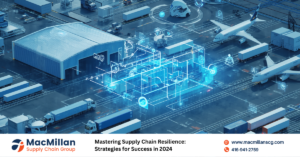
Mastering Supply Chain Resilience: Strategies for Success in 2024
A Quick Summary and Overview In 2024, supply chain resilience…
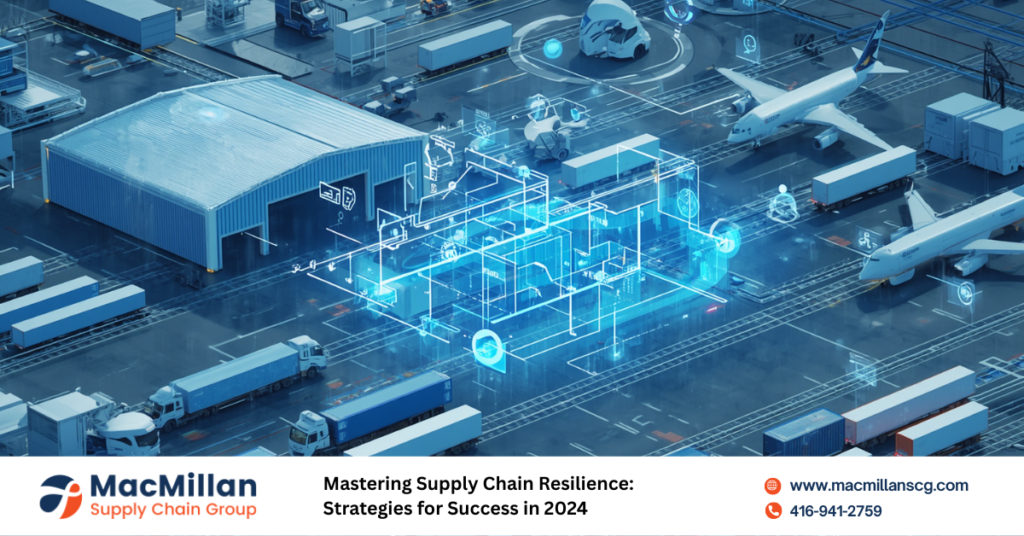
A Quick Summary and Overview In 2024, supply chain resilience…
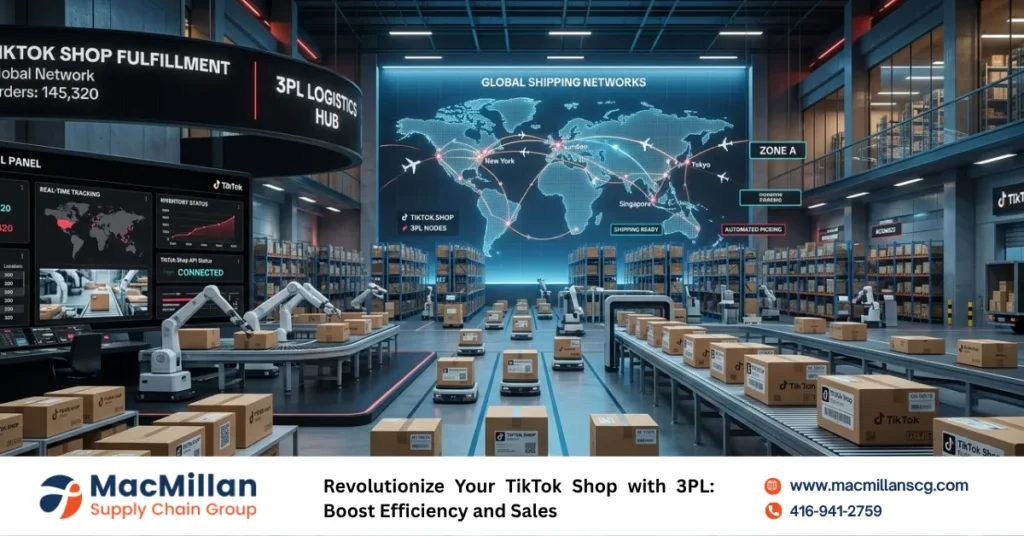
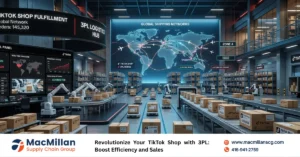
A quick summary and overview Integrating Third-Party Logistics (3PL) services…
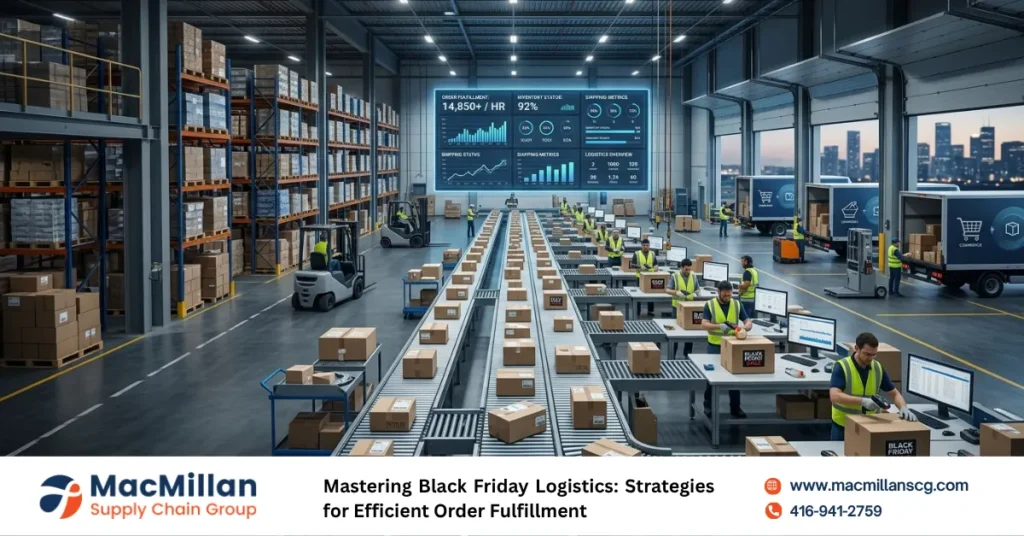
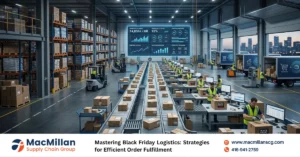
A Quick Summary and Overview Black Friday presents unique logistical…
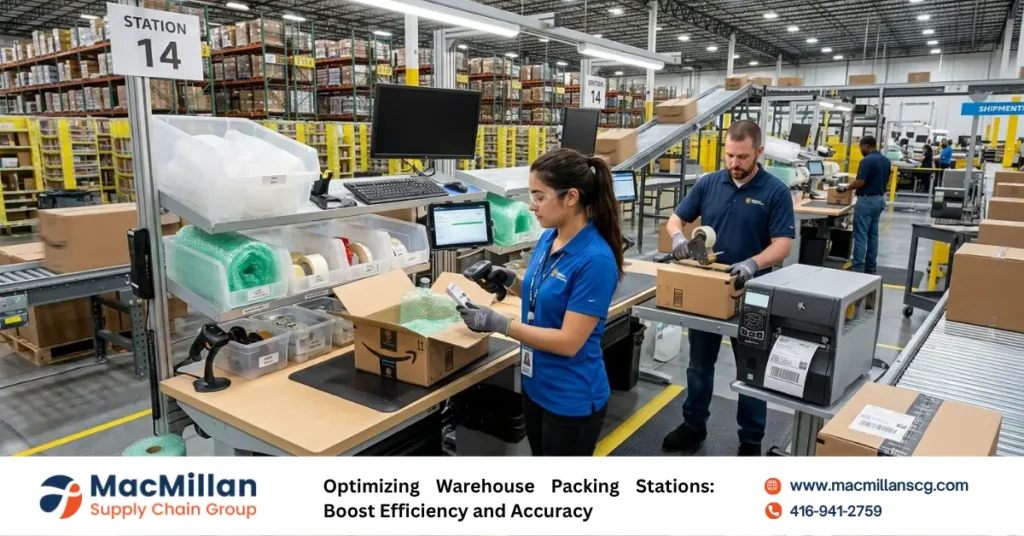
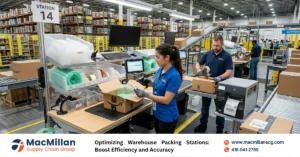
A Quick Summary and Overview Warehouse packing stations are crucial…
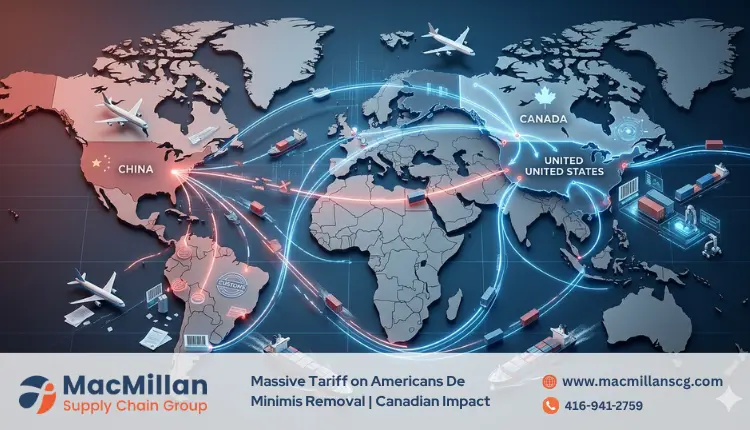
The Trump administration’s removal of the de minimis exemption for Chinese goods on May 2, 2025, is causing a massive upheaval in the cross-border e-commerce environment between the United States and Canada. This legislative change impacts supply chains across North America, especially for Canadian companies that depend on international commerce. Though the regulation reform is initially directed at China, it signals broader changes that could affect all exports into the US market—including those from Canada.
The disruption presents an opportunity for Canadian logistics firms like Macmillan SCG to act as strategic intermediaries. Canada’s location and trade connections make it a favorable collection and consolidation hub as Chinese exporters seek middle-tier nations still eligible for tariff exemptions.
“The de minimis exemption still applies to non-China origins,” said Gabriel Wildau, a China specialist at Teneo. He predicts, “Chinese e-commerce retailers will increasingly use countries like Mexico and Canada as collection points for low-value packages.”
Canadian firms with warehousing capacity and logistics know-how can position themselves as vital consolidation hubs for rerouted Chinese goods.
Macmillan SCG, a prominent Canadian supply chain company with an expansive warehouse network and last-mile delivery expertise, is uniquely positioned to help businesses adjust to the post–de minimis exemption landscape.
Our expert team monitors evolving regulations to help clients stay compliant and minimize costs. We assist with tariff classification, accurate valuation methods, and documentation preparation to reduce unnecessary expenses and ensure regulatory alignment.
Macmillan SCG offers warehousing solutions throughout Canada to support logistics network restructuring. These facilities act as consolidation points for rerouted or staged goods bound for the U.S. market.
In a regulatory environment marked by uncertainty, real-time tracking is vital. Our advanced visibility tools keep clients updated on shipment status, customs processes, and compliance issues—empowering proactive management.
As companies reconfigure supply chains, last-mile delivery remains a critical differentiator. Our proven expertise in this area ensures clients maintain competitive delivery timelines despite upstream disruptions.
The 2025 exemption removal may only be the beginning. Canadian businesses must prepare for the potential extension of these restrictions to other nations—including Canada itself.
The decision to eliminate de minimis for China carries political weight. Though enforcement has faced logistical setbacks, the White House emphasized this as “a critical step” toward national security. Canadian companies must monitor developments closely.
Adaptive supply chains are essential. This involves:
These enhancements build resilience regardless of how trade policies evolve.
While the U.S. remains vital, Canadian businesses should explore trade opportunities in other stable markets. Diversifying away from U.S.-China-centric models could reduce risk significantly.
The end of de minimis exemptions for Chinese imports marks a major turning point in U.S. trade policy. Although focused on China for now, the possibility of broader application introduces strategic urgency.
Partnering with supply chain experts like Macmillan SCG provides the infrastructure, knowledge, and flexibility needed to stay competitive. We help clients understand implications, formulate responses, and implement efficient logistics solutions.
To thrive in this evolving landscape, businesses must adapt quickly—with experienced partners who turn regulatory challenges into opportunities.
The de minimis exemption allowed goods under $800 to enter the U.S. duty-free, streamlining customs and accelerating growth in direct-to-consumer shipping. Its 2015 increase from $200 to $800 fueled a fourfold rise in shipments, now exceeding 4 million per day.
On April 2, 2025, President Trump signed an Executive Order to eliminate the de minimis exemption for Hong Kong and China starting May 2, citing national security concerns—particularly China’s alleged role in the fentanyl crisis via abuse of de minimis channels.
Chinese goods now face either 120% tariffs or a flat postal fee of $100 per shipment, increasing to $200 in June.
Canadian businesses importing from China and shipping to the U.S. face tough choices. The change affects not just Chinese goods but hints at wider reform that could impact Canadian exports.
Before the May 2 deadline, platforms like Temu and Shein adjusted early. Both raised prices in April, leading to buyer stockpiling. Temu saw 60% revenue growth, and Shein had a 38% sales spike. Logistics networks faced pressure as shipments surged.
Canadian companies using similar shipping models must watch these developments closely. The de minimis exemption’s removal—while currently limited to China—could soon affect all nations.
Forward-looking companies are already acting. Temu and Shein are diversifying sourcing to Mexico and Southeast Asia and building U.S. warehouses. Canadian firms face decisions: absorb costs, restructure supply chains, or optimize logistics.
Options include:
Though de minimis has ended, certain customs regulations have been waived, leading to enforcement inconsistencies. For Canadian companies, experienced partners are critical to managing these unclear standards.
Tariffs won’t always appear in price indices but affect consumers directly. Thin margins will tighten, and competitive pricing becomes more difficult. Businesses must reassess pricing, cut inefficiencies, or accept slimmer margins. Flexible supply chains will provide a competitive edge.
The de minimis exemption is a customs rule that allows shipments valued below a certain threshold to enter a country without paying duties or taxes. In the U.S., this threshold was $800, while in Canada it remains $150 CAD for most shipments and $40 CAD for commercial shipments. The recent "expiry" refers to policy changes that have effectively closed this loophole for many products, particularly those from China.
Tariffs on Chinese goods have increased significantly in 2025. In many cases, imported goods now face around 30% to 145% tariffs, depending on product type and shipping method. For small parcels previously covered under the de minimis rule, charges can reach up to 120% of item value or fixed fees per shipment (e.g., $100–$200) in some scenarios.
Shein and Temu prices increased because the de minimis exemption was removed for Chinese imports, meaning cheap packages no longer enter the U.S. duty-free. Companies now have to pay tariffs and customs fees, and they are passing those costs to customers. Operating costs also rose due to new trade restrictions.
Delays are expected to be ongoing in the short to medium term (several months or longer). Customs agencies are processing a much higher volume of taxed parcels, and businesses are adjusting supply chains and warehouse routing. Some stabilization may occur once logistics systems fully adapt, but near-term delays are likely.
Yes, but with limitations. The $800 de minimis exemption is no longer available for Chinese-origin goods entering the U.S., but it still applies to many shipments from other countries (depending on origin and compliance rules). Businesses are now shifting sourcing to countries like Mexico, Vietnam, or Canada to stay under favorable rules where possible.
If Canadian businesses import goods from China into the U.S., yes—tariffs are generally paid at import clearance, either by the importer, customs broker, or logistics provider acting on their behalf. These costs are usually collected before or at the time goods are released by customs, and are often passed through in pricing or shipping fees.
A supply chain partner like MacMillan Supply Chain Group can help businesses adapt by:
In simple terms, they help businesses reduce tariff impact, avoid compliance errors, and redesign supply chains for the new trade rules.