
Mastering Batch Picking: Efficiency and Accuracy Unlocked
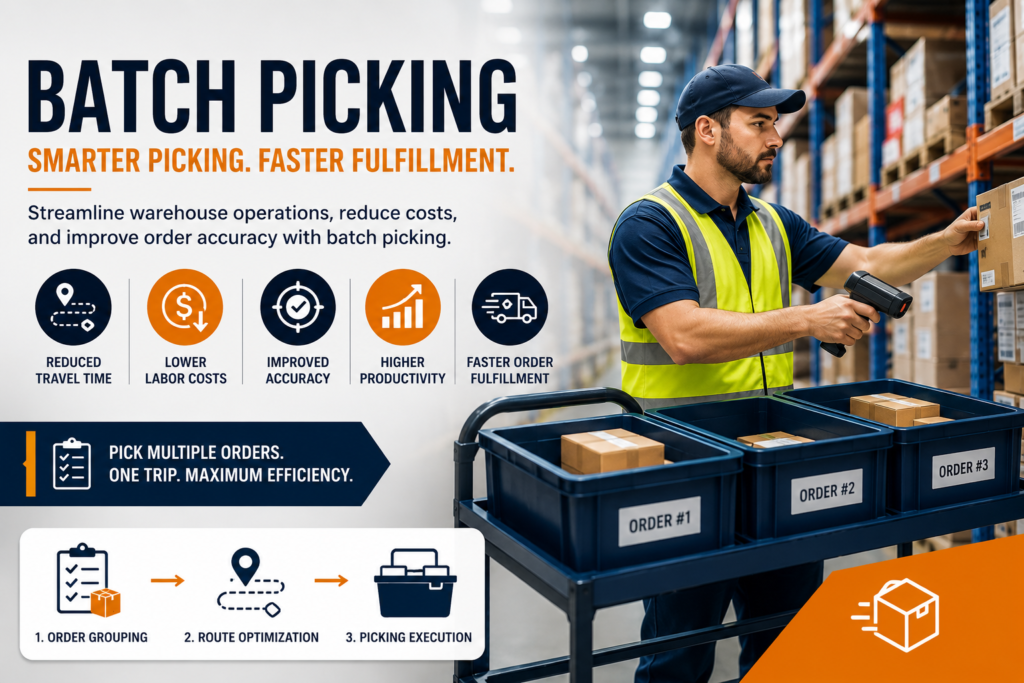
Quick Summary and Overview Batch picking, a method where items for multiple orders are retrieved in a single trip, revolutionizes warehouse efficiency by minimizing travel distance, cutting labor costs, and boosting order accuracy. It’s the ultimate solution for high-volume businesses such as e-commerce, retail, and manufacturing. Implementing best practices in batch picking can optimize operations and drive success in supply chain management. Introduction In today’s fast-paced e-commerce and retail sectors, efficiency in warehouse operations is paramount. With the surge in online orders, companies are continuously seeking ways to enhance their order fulfillment processes. Batch picking emerges as a game-changer, enabling warehouses to streamline operations by retrieving inventory for multiple orders simultaneously. This technique not only minimizes logistical challenges but also reduces labor costs and boosts accuracy—crucial factors for maintaining competitiveness. At MacMillan Supply Chain, we understand the complexities of supply chain management and aim to guide you through the nuances of batch picking. Explore how integrating this method can transform your operations and elevate your business performance. Understanding Batch Picking Batch picking, also referred to as multi-order picking, is a strategic approach in warehouse management. It involves grouping orders with shared items or storage locations to be picked together, consolidating the picking process into a single trip. The primary advantage of batch picking is its ability to significantly reduce the total travel time for pickers. Businesses dealing with high order volumes, such as e-commerce and retail companies, benefit greatly from this method. By optimizing the picking process, companies can achieve faster turnaround times and higher customer satisfaction rates without incurring additional labor costs. The Batch Picking Process The batch picking process consists of distinct stages designed to maximize efficiency: Order Grouping: Identifying and consolidating orders that include common items or share storage areas. This initial step ensures that the picking sequence is optimized for minimum travel and handling. Route Optimization: Utilizing advanced software and algorithms to determine the most efficient pathways within the warehouse. Route optimization is critical as it dictates the sequence of item collection, significantly reducing time and effort. Picking Execution: Using bins or totes to separate items for individual orders during the picking process. This step ensures that items are clearly organized, minimizing the risk of errors and facilitating quicker sorting. Implementing Batch Picking in Your Operations To successfully implement batch picking, businesses need to evaluate their current operations to identify inefficiencies and areas for improvement. Changes may be required in the warehouse layout, technology, and staff training to accommodate the batch picking process. Key performance indicators (KPIs) should be established to monitor the success of the implementation. It’s essential to leverage technology, such as robotics and barcode scanning, to heighten picking accuracy and speed. At MacMillan Supply Chain, our experts are equipped to guide your business through this transition, ensuring seamless integration of batch picking into your operations. Solving Common Warehouse Challenges Many warehouses experience similar challenges, including high labor costs, lengthy picking times, and frequent errors in order fulfillment. Our Solutions MacMillan Supply Chain addresses these concerns with tailored strategies and technologies. We conduct an in-depth analysis of your current processes to identify bottlenecks and areas for enhancement. Our team proposes a comprehensive restructuring of your warehouse layout to support batch picking, ensuring optimal flow and minimizing unnecessary movements. We also introduce cutting-edge technology solutions, such as warehouse management systems (WMS), to automate and refine the order grouping and route optimization process. At the core of our solutions is robust staff training and continuous support. Our training programs emphasize skill development in using specialized software and understanding batch picking dynamics, empowering your workforce to adapt seamlessly. How Readers Can Implement These Solutions Implementing batch picking solutions involves several steps that require strategic planning and execution. Begin by evaluating your current warehouse processes and identifying areas that could benefit from batch picking. Reach out to industry experts, like MacMillan Supply Chain, to receive customized recommendations based on your unique business needs. Implement necessary technologies, such as WMS and automation tools, to support batch picking effectively. Finally, commit to ongoing training and process assessments to ensure continued success. Partner with MacMillan Supply Chain to leverage our expertise and ensure your warehouse operations are operating at peak efficiency. Ready to transform your warehouse operations with batch picking? Contact MacMillan Supply Chain today to discover how our tailored strategies can drive your business towards greater efficiency and success. FAQS What is batch picking in warehouse management? Batch picking is a process where a picker retrieves items for multiple orders in a single trip. It is designed to improve efficiency, reduce labor costs, and enhance order accuracy. What are the benefits of implementing batch picking? Batch picking helps businesses improve warehouse efficiency by reducing picker travel time, lowering labor costs, increasing productivity, and improving order accuracy. It also enables faster order fulfillment, making it an ideal solution for high-volume warehouses and e-commerce operations. How does technology enhance batch picking? Technology such as Warehouse Management Systems (WMS), barcode scanners, mobile devices, and route optimization software makes batch picking faster and more accurate. These tools automatically group orders, assign the most efficient picking routes, and reduce manual errors throughout the fulfillment process. Which industries can benefit the most from batch picking? Batch picking is especially beneficial for industries that process a high volume of orders, including e-commerce, retail, manufacturing, wholesale distribution, healthcare, and consumer goods. Any business with repetitive picking tasks can improve efficiency using this method. How does batch picking improve order accuracy? By grouping similar orders and using organized bins or totes, batch picking minimizes handling mistakes and reduces the chance of mixing products between orders. Combined with barcode scanning and WMS technology, it significantly improves picking accuracy and customer satisfaction. How can MacMillan Supply Chain help in batch picking implementation? MacMillan Supply Chain helps businesses successfully implement batch picking by evaluating existing warehouse operations, optimizing warehouse layouts, integrating advanced WMS technology, and providing staff training. Their customized solutions improve efficiency, reduce operational costs, and ensure a smooth transition to a more productive
Optimize Your Supply Chain: The Power of Outsourcing Warehouse Operations
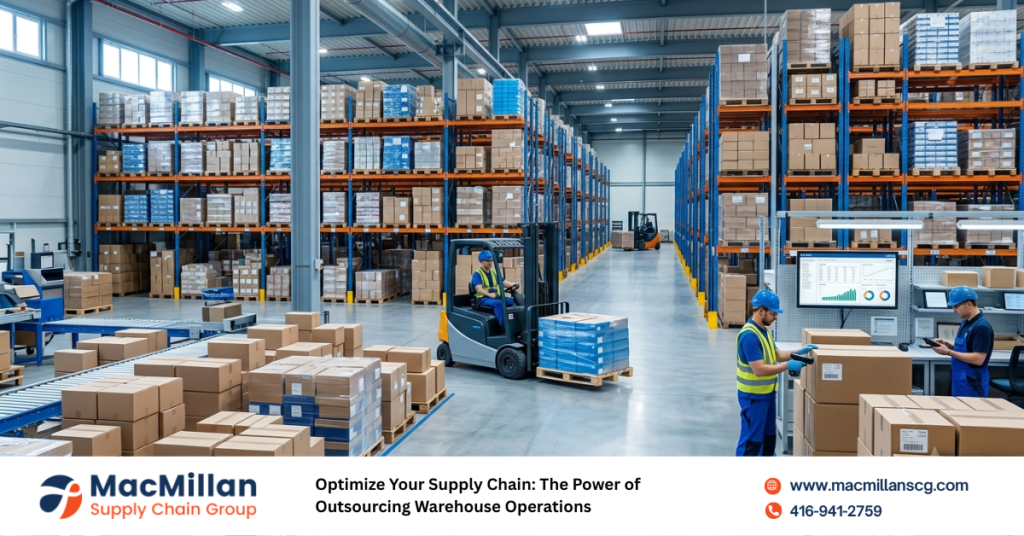
A quick summary and overview Outsourcing warehouse operations to third-party logistics (3PL) providers is a game-changing strategy for businesses looking to streamline their supply chain. This approach offers numerous benefits, including cost reduction, improved scalability, and enhanced operational efficiency. By partnering with a 3PL expert like MacMillan Supply Chain Group, companies can focus on their core competencies while leveraging specialized logistics expertise. This article explores the advantages of warehouse outsourcing, common challenges in in-house operations, and how MacMillan’s solutions can transform your supply chain, ultimately driving growth and customer satisfaction. An introduction In today’s fast-paced business environment, optimizing supply chain operations is crucial for maintaining a competitive edge. One of the most impactful strategies in this realm is outsourcing warehouse operations to third-party logistics (3PL) providers. This approach allows companies to tap into specialized expertise, advanced technologies, and economies of scale that may be challenging to achieve in-house. As we delve into the world of warehouse outsourcing, we’ll explore how this strategy can revolutionize your supply chain management. From cost savings to improved scalability and efficiency, the benefits are numerous and far-reaching. Moreover, we’ll discuss how partnering with a trusted 3PL provider like MacMillan Supply Chain Group can help you navigate the complexities of modern logistics, allowing you to focus on your core business activities and drive growth. The Financial Advantage: Transforming Fixed Costs to Variable One of the most significant benefits of outsourcing warehouse operations is the transformation of fixed costs into variable expenses. This shift can have a profound impact on your company’s financial flexibility and overall bottom line. When managing an in-house warehouse, businesses face substantial fixed costs, including: – Facility leases or mortgages – Equipment purchases and maintenance – Staffing for consistent operational coverage – Utility expenses and property taxes These costs remain relatively constant regardless of business volume, potentially straining resources during slow periods. However, by outsourcing to a 3PL provider like MacMillan Supply Chain Group, you can convert these fixed expenses into variable costs that align with your actual usage and demand. This financial model offers several advantages: Improved cash flow management: Pay only for the space and services you use. Reduced capital expenditure: Eliminate the need for significant upfront investments in warehouse infrastructure. Better scalability: Easily adjust your logistics spend based on seasonal fluctuations or business growth. Enhanced budgeting accuracy: Predict and control logistics costs more effectively. By leveraging MacMillan’s warehouse outsourcing solutions, you can optimize your financial resources, allowing for greater investment in core business activities and strategic initiatives that drive growth and innovation. Scalability and Flexibility: Adapting to Market Demands In today’s dynamic business landscape, the ability to scale operations quickly and efficiently is crucial. Outsourcing warehouse operations to a 3PL provider like MacMillan Supply Chain Group offers unparalleled scalability and flexibility, allowing your business to adapt seamlessly to changing market demands. Key scalability benefits include: Elastic capacity: Easily expand or contract your warehouse space and services based on current needs, without the constraints of fixed infrastructure. Seasonal adaptability: Effortlessly handle peak seasons or sudden surges in demand without overinvesting in year-round capacity. Geographic expansion: Tap into MacMillan’s network of strategically located facilities to enter new markets or optimize distribution routes. Technology scalability: Leverage advanced warehouse management systems and technologies without significant capital investment. Workforce flexibility: Access skilled labor as needed, eliminating the challenges of hiring and training for fluctuating demands. This scalability translates to improved customer service, as you can maintain optimal inventory levels and fulfill orders more efficiently, regardless of volume. Moreover, it allows your business to seize new opportunities quickly, whether it’s launching a new product line or expanding into e-commerce. By partnering with MacMillan Supply Chain Group, you gain the agility to respond to market changes swiftly, ensuring your supply chain remains a competitive advantage rather than a limitation. Leveraging Expertise and Technology for Enhanced Efficiency Outsourcing warehouse operations to a specialized 3PL provider like MacMillan Supply Chain Group grants access to a wealth of industry expertise and cutting-edge technology, significantly boosting operational efficiency. Expert knowledge and advanced solutions include: Optimized warehouse layout and processes: Benefit from years of experience in designing efficient storage and picking strategies. State-of-the-art Warehouse Management Systems (WMS): Utilize advanced software for real-time inventory tracking, order processing, and reporting. Automated solutions: Leverage robotics and automated sorting systems to increase speed and accuracy. Data-driven decision making: Gain insights from advanced analytics to continuously improve operations and forecast demand. Best practices implementation: Stay updated with industry trends and compliance requirements without dedicating internal resources. Specialized handling capabilities: Access expertise in managing various product types, including temperature-sensitive or hazardous materials. Continuous improvement: Benefit from ongoing optimization efforts and performance metrics analysis. By tapping into MacMillan’s expertise and technological capabilities, your business can achieve: – Reduced order processing times – Improved inventory accuracy – Enhanced order fulfillment rates – Decreased shipping errors – Better visibility across the supply chain This level of efficiency not only reduces operational costs but also improves customer satisfaction through faster, more accurate deliveries. Partnering with MacMillan allows you to focus on your core competencies while leaving the complexities of warehouse management to the experts. Mitigating Risks and Ensuring Compliance Managing a warehouse comes with inherent risks and complex compliance requirements. Outsourcing these operations to a specialized 3PL provider like MacMillan Supply Chain Group can significantly reduce these challenges, ensuring smoother, more compliant operations. Risk mitigation and compliance benefits include: Regulatory compliance: Stay up-to-date with evolving logistics regulations and industry standards without dedicating internal resources. Safety management: Benefit from robust safety protocols and trained personnel, reducing workplace accidents and associated liabilities. Insurance and liability: Transfer some operational risks to the 3PL provider, potentially reducing your insurance costs. Business continuity: Access redundant systems and disaster recovery plans to ensure uninterrupted operations. Cybersecurity: Leverage advanced data protection measures and secure IT infrastructure. Quality control: Implement standardized processes and quality checks to maintain product integrity. Environmental compliance: Benefit from sustainable practices and adherence to environmental regulations. Labor management: Avoid challenges related to workforce fluctuations, unions, and labor law compliance. By partnering with MacMillan, you gain peace of mind knowing that your warehouse operations are managed by experts well-versed in industry best
Optimizing Auto Parts Logistics: Top 3PL Providers for Maximum Efficiency
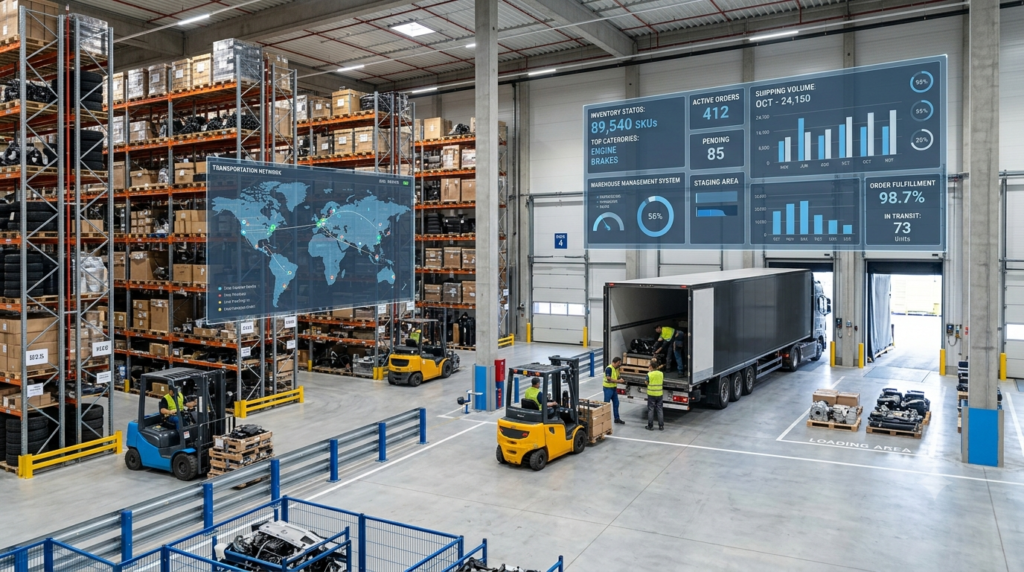
Quick Summary and Overview In the fast-evolving automotive industry, optimizing logistics is key to meeting market demands and maintaining a competitive edge. Third-party logistics (3PL) providers play an essential role in this process, offering expertise in warehousing, order fulfillment, and transportation. By outsourcing logistics, automotive businesses can focus on core competencies and enjoy cost savings, improved efficiency, and enriched customer satisfaction. Introduction As the automotive industry becomes more globally interconnected, the need for efficient, reliable logistics services is critical. Third-party logistics (3PL) providers specialize in handling and distributing auto parts with precision, ensuring a seamless supply chain from manufacturer to customer. With the globalization trends, manufacturers are keen to focus on core competencies and hence look towards 3PL partners for seamless logistics solutions. This article explores the role and benefits of automotive 3PL providers and offers insights on selecting the right partner to ace your supply chain operations. Understanding Automotive 3PL Definition and Role Overview An automotive 3PL provider specializes in managing the complexities of the auto parts supply chain. They handle key logistics functions such as warehousing, inventory management, and transportation. With expertise in the automotive sector, these providers ensure the timely and precise delivery of parts, even managing oversized shipments, which are a common challenge in the industry. Their services enable car manufacturers and retailers to streamline operations, reduce logistics costs, and ultimately, enhance customer satisfaction. Benefits of Partnering with a 3PL Cost Savings: By leveraging the vast network and partnerships of a 3PL provider, businesses can access significant shipping discounts and more efficient logistics operations. Focus on Core Competencies: Outsourcing logistics allows businesses to direct their resources and attention towards product development, sales, and other core areas. Improved Efficiency and Precision: 3PLs offer advanced technology and a team of experts to ensure high efficiency and accuracy in the delivery process. This results in better inventory management and real-time visibility. Market Analysis The automotive 3PL market continues to grow, driven by globalization, the rise of eCommerce in auto parts retail, and manufacturers’ increasing preference for outsourcing logistics. This enables businesses to remain competitive and agile in today’s fast-paced market. As supply chains become more complex, there is an increasing demand for providers who can offer innovative solutions tailored to the automotive sector. Choosing the Right 3PL Provider When searching for a 3PL provider in the automotive industry, consider several critical factors: Industry Experience: Providers with deep expertise in automotive logistics can better understand the specific challenges such as handling oversized parts and maintaining quality control. Technology Integration: Look for providers that utilize advanced logistics technologies for real-time tracking and management, ensuring a smooth, data-driven supply chain. Global Reach and Compliance: Ensure the provider has a robust network and a solid understanding of international shipping regulations to facilitate smooth global operations. Customer Support and Scalability: The ability to offer excellent support and scale operations as needed is crucial as your business grows. Common Problems in Automotive Logistics and Our Solutions Challenges Faced by the Industry – Complex Logistics Networks: The global nature of the automotive industry creates intricate logistics networks, leading to potential delays and inefficiencies. – High Costs and Risks: Managing logistics in-house can be cost-prohibitive and risky due to volatile fuel prices and regulatory changes. – Handling and Quality Control: Oversized parts require special handling and storage, adding another layer of complexity. Our Solutions at MacMillan Supply Chain At MacMillan Supply Chain, we specialize in offering comprehensive, tailored 3PL solutions for the automotive industry. Our services encompass: Integrated Logistics Solutions: We provide end-to-end logistics solutions that cover warehousing, order processing, transportation, and reverse logistics. Cost-Effectiveness: By leveraging partnerships and volume discounts, we offer cost savings on shipping and logistics operations. Advanced Technology: Our cutting-edge logistics software ensures real-time tracking, data analytics, and seamless integrations with your existing systems for improved supply chain management. Expertise and Support: With our industry-specific knowledge and robust support team, we navigate the complexities of the automotive supply chain, ensuring timely, quality delivery. How Readers Can Avoid Problems and Implement Solutions Working with a skilled 3PL like MacMillan Supply Chain can eliminate many logistics headaches and enhance business efficiency. By choosing a partner with proven expertise, robust technology solutions, and strong industry relationships, businesses can ensure smooth, cost-effective operations. To take your logistics operations to the next level, consider partnering with MacMillan Supply Chain. We offer customized solutions tailored to your needs, ensuring precision and efficiency in every phase of your logistics process. Contact us today to learn more about how we can optimize your supply chain. FAQS What is an automotive 3PL? An automotive 3PL is a logistics provider that specializes in handling the supply chain needs specific to the automotive industry, ensuring efficient distribution of auto parts. How do 3PL providers enhance cost-efficiency in logistics? 3PL providers improve cost-efficiency by optimizing transportation routes, consolidating shipments, reducing warehousing costs, and leveraging advanced logistics technologies. Their expertise and established carrier networks help businesses lower operational expenses while maintaining high service levels. Why is technology important in automotive 3PL services? Technology plays a critical role in automotive 3PL services by enabling real-time inventory tracking, shipment visibility, automated reporting, and data-driven decision-making. Advanced systems such as Warehouse Management Systems (WMS) and Transportation Management Systems (TMS) help improve accuracy, efficiency, and customer satisfaction. Can 3PL providers manage international logistics for auto parts? Yes, many automotive 3PL providers specialize in international logistics. They handle customs documentation, regulatory compliance, freight forwarding, and cross-border transportation, ensuring that auto parts move efficiently and securely across global supply chains while minimizing delays and disruptions. What makes MacMillan Supply Chain stand out in automotive 3PL? MacMillan Supply Chain stands out through its industry expertise, technology-driven solutions, and customer-focused approach. The company offers scalable warehousing, transportation, inventory management, and fulfillment services tailored to the unique needs of automotive businesses. With a commitment to reliability, visibility, and operational excellence, MacMillan helps clients optimize their supply chains and improve overall performance.
Cross-Docking: Revolutionize Your Supply Chain with MacMillan Supply Chain Group
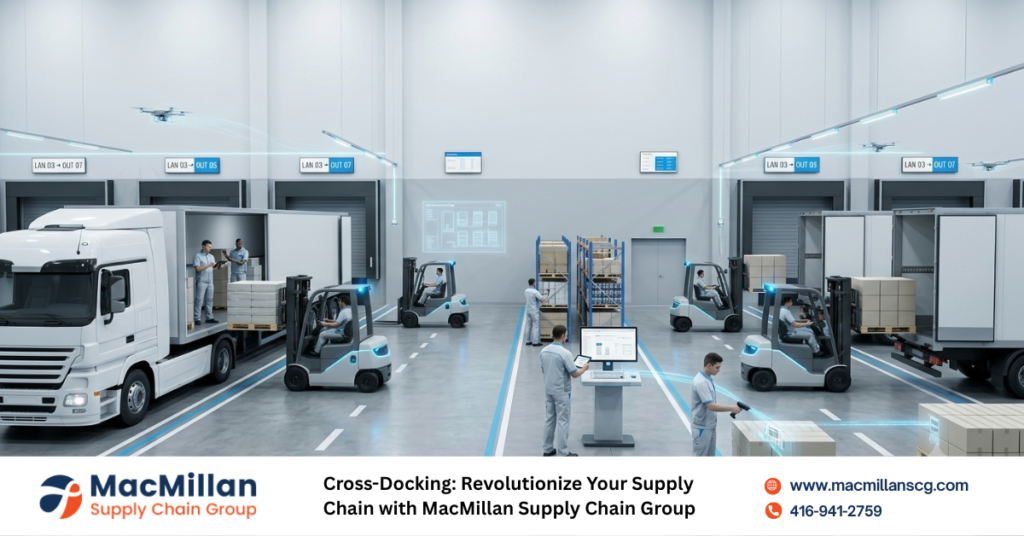
A quick summary and overview Cross-docking is a game-changing logistics strategy that eliminates the need for warehouse storage, moving products directly from inbound to outbound transportation. This innovative approach significantly reduces handling time, storage costs, and order fulfillment cycles. At MacMillan Supply Chain Group, we specialize in implementing cross-docking solutions that optimize your supply chain, enhance customer satisfaction, and boost your bottom line. Whether you’re in retail, manufacturing, or eCommerce, our tailored cross-docking services can revolutionize your logistics operations. Discover how this powerful technique can transform your business and give you a competitive edge in today’s fast-paced market. An introduction In today’s rapidly evolving business landscape, staying ahead of the competition means constantly seeking ways to optimize your supply chain. Enter cross-docking – a revolutionary logistics strategy that’s transforming the way companies handle their inventory and fulfill orders. But what exactly is cross-docking, and how can it benefit your business? Cross-docking is the practice of unloading materials from incoming trucks or rail cars and loading these materials directly into outbound trucks, trailers, or rail cars, with little or no storage in between. This process eliminates the need for warehouse storage, reducing handling time and costs while speeding up the order fulfillment process. At MacMillan Supply Chain Group, we’ve mastered the art of cross-docking, helping businesses across various industries streamline their operations, reduce costs, and improve customer satisfaction. In this comprehensive guide, we’ll explore the ins and outs of cross-docking, its benefits, and how you can implement this powerful strategy in your own supply chain. Understanding the Basics of Cross-Docking Cross-docking is a logistics practice that focuses on the quick distribution of goods with minimal handling and storage time. The process typically involves these key steps: Receiving: Inbound trucks arrive at the cross-docking facility with pre-sorted goods. Sorting: Products are quickly sorted based on their final destination. Loading: Goods are immediately loaded onto outbound trucks for delivery. There are two main types of cross-docking: Pre-distribution cross-docking: Products are allocated to specific customers before arriving at the cross-dock facility. Post-distribution cross-docking: Products are sorted and allocated at the cross-dock facility based on real-time demand. Cross-docking is particularly effective for: Perishable goods that require quick distribution High-demand products with predictable sales patterns Promotional items or seasonal merchandise Pre-packaged orders for specific customers By eliminating the need for long-term storage and reducing handling time, cross-docking can significantly improve supply chain efficiency. It’s especially valuable in industries where speed and precision are crucial, such as retail, manufacturing, and eCommerce fulfillment. At MacMillan Supply Chain Group, we tailor our cross-docking solutions to meet the unique needs of each client, ensuring optimal results regardless of industry or scale of operations. The Benefits of Implementing Cross-Docking Implementing a cross-docking strategy in your supply chain can yield numerous benefits: Reduced Warehousing Costs: By minimizing or eliminating the need for storage, cross-docking can significantly reduce warehousing expenses. Faster Order Fulfillment: Direct transfer from inbound to outbound transportation speeds up the delivery process, reducing lead times and improving customer satisfaction. Decreased Inventory Holding Costs: With less inventory stored, you’ll see a reduction in carrying costs and the risk of obsolescence. Improved Product Quality: Fewer touch points mean less chance of damage during handling and storage. Enhanced Supply Chain Visibility: Cross-docking facilities often utilize advanced tracking systems, providing real-time visibility into product movement. Increased Flexibility: Cross-docking allows for quicker responses to market changes and customer demands. Optimized Transportation: By consolidating shipments, cross-docking can lead to fuller truckloads and more efficient transportation. Reduced Labor Costs: With less need for picking, packing, and put-away activities, labor costs can be significantly reduced. Improved Cash Flow: Faster inventory turnover means improved cash flow for your business. At MacMillan Supply Chain Group, we’ve helped numerous clients realize these benefits through our expertly designed and implemented cross-docking solutions. Our tailored approach ensures that you maximize the advantages of cross-docking for your specific business needs. Implementing Cross-Docking in Your Supply Chain Successfully implementing cross-docking requires careful planning and execution. Here are key steps to consider: Assess Your Current Operations: Evaluate your existing supply chain to identify areas where cross-docking could be beneficial. Choose the Right Products: Not all items are suitable for cross-docking. Select products with consistent demand and those that don’t require special handling. Invest in Technology: Implement a robust Warehouse Management System (WMS) to coordinate incoming and outgoing shipments efficiently. Design Your Facility: Create a layout that facilitates smooth product flow from inbound to outbound docks. Train Your Staff: Ensure your team understands the cross-docking process and can execute it efficiently. Establish Strong Partnerships: Work closely with suppliers and carriers to coordinate timely deliveries and pickups. Implement Quality Control Measures: Despite the speed of cross-docking, maintain rigorous quality checks to ensure accuracy. Monitor and Optimize: Continuously analyze your cross-docking operations and make adjustments for optimal performance. Consider Starting Small: Begin with a pilot program to test and refine your cross-docking processes before full-scale implementation. At MacMillan Supply Chain Group, we guide you through each of these steps, leveraging our expertise to ensure a smooth transition to cross-docking. Our comprehensive approach covers everything from initial assessment to ongoing optimization, helping you maximize the benefits of this powerful logistics strategy. Cross-Docking in Different Industries Cross-docking has proven valuable across various industries, each with its unique applications: Retail: – Quickly move seasonal products to stores – Efficiently distribute high-demand items – Consolidate shipments from multiple vendors Manufacturing: – Streamline the flow of raw materials to production lines – Quickly distribute finished products to customers – Manage just-in-time inventory more effectively eCommerce: – Speed up order fulfillment for fast-moving products – Efficiently handle returns and exchanges – Manage flash sales and promotional events Food and Beverage: – Ensure rapid distribution of perishable goods – Manage temperature-controlled products effectively – Quickly respond to changing consumer demands Automotive: – Efficiently distribute spare parts to dealerships – Manage just-in-time delivery of components to assembly plants – Handle recalls and service campaigns effectively Pharmaceuticals: – Ensure rapid distribution of time-sensitive medications – Manage cold chain logistics efficiently – Handle product recalls quickly and effectively At MacMillan Supply Chain Group, we understand the nuances of cross-docking in
eCommerce Fulfillment Guide | MacMillan Supply Chain

A quick summary and overview This comprehensive guide explores the intricacies of eCommerce fulfillment, focusing on how partnering with a 3PL like MacMillan Supply Chain Group can transform your operations. We’ll delve into minimum order quantities, inventory management, and shipping costs, providing expert insights to help you navigate common challenges. Learn how our tailored solutions can optimize your supply chain, reduce expenses, and boost customer satisfaction. Whether you’re a growing startup or an established brand, this article offers valuable strategies to elevate your eCommerce fulfillment process and gain a competitive edge in the market. An introduction In today’s fast-paced eCommerce landscape, efficient order fulfillment is not just a luxury—it’s a necessity for survival and growth. As online shopping continues to surge, businesses face increasing pressure to deliver products quickly, accurately, and cost-effectively. This is where partnering with a third-party logistics (3PL) provider like MacMillan Supply Chain Group can make all the difference. Our guide will walk you through the critical aspects of eCommerce fulfillment, from understanding minimum order quantities to implementing advanced inventory management systems. We’ll explore how the right 3PL partnership can help you navigate common pitfalls, reduce operational costs, and ultimately enhance customer satisfaction. Whether you’re grappling with shipping expenses, inventory challenges, or scalability issues, MacMillan Supply Chain Group has the expertise and solutions to propel your eCommerce business forward. Understanding Minimum Order Quantities (MOQs) in eCommerce Minimum Order Quantities (MOQs) play a crucial role in eCommerce fulfillment, impacting both inventory management and cost-effectiveness. MOQs refer to the smallest number of units a supplier or manufacturer will produce in a single order. For eCommerce businesses, understanding and navigating MOQs is essential for maintaining optimal stock levels and managing cash flow. While MOQs can present challenges, particularly for smaller businesses or those with limited storage capacity, they also offer several advantages: Cost savings: Larger orders often come with volume discounts, reducing per-unit costs. Consistent supply: MOQs help ensure a steady supply of products, reducing the risk of stockouts. Quality control: Manufacturers can maintain better quality control with larger production runs. However, MOQs can also lead to overstocking, tying up capital in excess inventory. This is where partnering with a 3PL like MacMillan Supply Chain Group becomes invaluable. We can help you: – Negotiate favorable MOQs with suppliers – Implement just-in-time inventory strategies to balance MOQs with demand – Provide warehousing solutions to accommodate larger orders – Offer kitting and assembly services to maximize the value of bulk purchases By leveraging our expertise, you can turn MOQs from a potential obstacle into a strategic advantage for your eCommerce business. The Role of 3PLs in Streamlining eCommerce Fulfillment Third-party logistics providers (3PLs) have become indispensable partners for eCommerce businesses looking to optimize their fulfillment processes. By outsourcing logistics operations to a specialized 3PL like MacMillan Supply Chain Group, companies can focus on their core competencies while benefiting from expert supply chain management. Key advantages of partnering with a 3PL include: Scalability: 3PLs can quickly adjust to fluctuations in order volume, essential for seasonal businesses or those experiencing rapid growth. Cost effectiveness: Leveraging a 3PL’s established infrastructure and relationships can lead to significant cost savings in shipping and warehousing. Advanced technology: 3PLs invest in state-of-the-art inventory management and order processing systems, providing real-time visibility and analytics. Geographical reach: With strategically located warehouses, 3PLs can reduce shipping times and costs, enhancing customer satisfaction. Expertise: 3PLs bring specialized knowledge in logistics, helping navigate complex shipping regulations and optimizing supply chain efficiency. MacMillan Supply Chain Group offers all these benefits and more. Our tailored solutions adapt to your unique business needs, whether you’re handling standard products or specialized items requiring careful handling. By integrating our services into your operations, you can streamline your fulfillment process, reduce errors, and ultimately deliver a superior customer experience that drives repeat business and brand loyalty. Inventory Management: The Cornerstone of Efficient Fulfillment Effective inventory management is the backbone of successful eCommerce fulfillment. It ensures that you have the right products in the right quantities at the right time, balancing the need to meet customer demand with the cost of carrying excess stock. However, achieving this balance can be challenging, especially as your business grows and product lines expand. Key aspects of robust inventory management include: Demand forecasting: Accurately predicting future sales to optimize stock levels Real-time inventory tracking: Maintaining visibility across all sales channels and warehouses Reorder point optimization: Determining the ideal time to replenish stock ABC analysis: Categorizing products based on their importance to prioritize management efforts Cycle counting: Regular, systematic counting of inventory to maintain accuracy MacMillan Supply Chain Group excels in implementing advanced inventory management solutions tailored to your eCommerce business. Our systems provide: – Real-time inventory visibility across multiple warehouses – Automated reordering based on customizable thresholds – Integration with your existing eCommerce platforms for seamless data flow – Detailed analytics and reporting for informed decision-making – Cycle counting and regular audits to ensure accuracy By leveraging our expertise and technology, you can minimize stockouts, reduce carrying costs, and improve cash flow. This optimized inventory management translates directly into improved customer satisfaction and increased profitability for your eCommerce business. Navigating Shipping Costs and Carrier Selection Shipping costs can significantly impact an eCommerce business’s bottom line and customer satisfaction. Navigating the complex world of carrier options, rates, and service levels is crucial for maintaining competitive pricing while ensuring timely deliveries. Here’s where partnering with a 3PL like MacMillan Supply Chain Group can provide a substantial advantage. Key considerations in managing shipping costs include: Carrier diversification: Leveraging multiple carriers to optimize for cost and delivery speed Negotiated rates: Utilizing a 3PL’s volume to secure better shipping rates Packaging optimization: Minimizing dimensional weight charges through efficient packaging Zone skipping: Strategically placing inventory to reduce shipping distances and costs Returns management: Implementing cost-effective reverse logistics processes MacMillan Supply Chain Group offers comprehensive solutions to address these challenges: – Access to our network of carriers and negotiated rates – Advanced shipping software for real-time rate shopping and carrier selection – Expertise in international shipping and customs compliance – Strategic warehouse locations for optimized distribution – Customized packaging
Mastering Order Fulfillment Strategies: Boost Efficiency and Customer Satisfaction
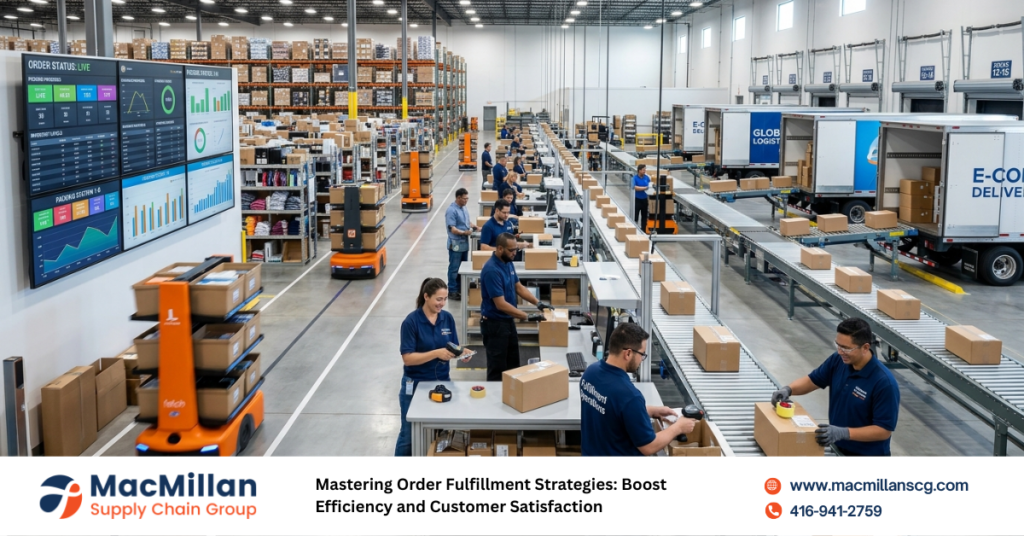
A Quick Summary and Overview Order fulfillment is the backbone of any successful business, encompassing the entire process from receiving an order to delivering it to the customer. This comprehensive guide explores cutting-edge strategies to optimize your order fulfillment process, reduce operational costs, and boost customer satisfaction. We’ll delve into inventory management techniques, shipping logistics, and the role of technology in streamlining operations. Whether you’re a small e-commerce business or a large-scale retailer, mastering these strategies will help you stay competitive in today’s fast-paced market. Learn how MacMillan Supply Chain Group can transform your order fulfillment process and drive your business forward. An Introduction In today’s competitive business landscape, efficient order fulfillment is more critical than ever. It’s not just about getting products from point A to point B; it’s about creating a seamless, cost-effective process that delights customers and drives repeat business. As consumer expectations for fast, accurate deliveries continue to rise, businesses must adapt and optimize their fulfillment strategies to stay ahead. This article will guide you through the intricacies of order fulfillment, from inventory management to last-mile delivery. We’ll explore how technology is revolutionizing the field and share best practices for businesses of all sizes. By the end, you’ll have a clear understanding of how to enhance your order fulfillment process, reduce costs, and ultimately boost your bottom line. Let’s dive into the world of efficient order fulfillment and discover how it can transform your business. Understanding the Order Fulfillment Process The order fulfillment process is a crucial component of supply chain management, encompassing all the steps from when a customer places an order to when they receive it. This process typically includes: Receiving inventory Order processing Picking and packing Shipping Delivery to the customer Each of these stages presents opportunities for optimization and efficiency improvements. For instance, implementing a robust inventory management system can significantly reduce errors in stock levels, ensuring that popular items are always available for quick fulfillment. Order processing is another critical area where automation can make a substantial difference. By using advanced order management systems, businesses can reduce manual data entry, minimize errors, and speed up the entire process. The picking and packing stage is often the most labor-intensive part of order fulfillment. Implementing efficient warehouse layouts, using barcode scanners, and employing pick-to-light systems can dramatically increase accuracy and speed in this phase. Shipping and delivery are the final touchpoints with the customer, making them crucial for satisfaction. Partnering with reliable carriers, offering multiple shipping options, and providing real-time tracking information can enhance the customer experience and build loyalty. Understanding each of these stages in depth allows businesses to identify bottlenecks, implement targeted improvements, and create a more streamlined, efficient fulfillment process. Leveraging Technology in Order Fulfillment Technology is revolutionizing order fulfillment, offering unprecedented opportunities for efficiency and accuracy. Here are some key technological advancements reshaping the field: Warehouse Management Systems (WMS): These sophisticated software solutions optimize inventory placement, picking routes, and overall warehouse operations. Artificial Intelligence (AI) and Machine Learning: AI can predict demand patterns, optimize inventory levels, and even automate reordering processes. Internet of Things (IoT): Connected devices in warehouses can track inventory in real-time, monitor equipment health, and improve overall operational visibility. Robotics and Automation: From automated storage and retrieval systems (AS/RS) to robotic picking arms, automation is increasing speed and accuracy while reducing labor costs. Cloud-based Systems: These allow for real-time data access and seamless integration across different parts of the supply chain. Blockchain: This technology enhances traceability and transparency in the supply chain, reducing fraud and improving product authenticity. Predictive Analytics: By analyzing historical data, businesses can forecast demand more accurately, optimizing inventory levels and reducing carrying costs. Implementing these technologies requires careful planning and often significant investment. However, the long-term benefits in terms of increased efficiency, reduced errors, and improved customer satisfaction can far outweigh the initial costs. Businesses that embrace these technological advancements position themselves at the forefront of the industry, ready to meet the evolving demands of modern consumers. Optimizing Inventory Management for Efficient Fulfillment Effective inventory management is the cornerstone of efficient order fulfillment. It ensures that you have the right products in the right quantities at the right time, minimizing stockouts and overstock situations. Here are key strategies to optimize your inventory management: Implement Just-in-Time (JIT) Inventory: This approach minimizes inventory holding costs by receiving goods only as they are needed in the production process. Use ABC Analysis: Categorize inventory items based on their value and sales volume to prioritize management efforts and resources. Employ Cycle Counting: Regular, systematic counts of a subset of inventory can improve accuracy without the disruption of full physical counts. Utilize Demand Forecasting: Use historical data and predictive analytics to anticipate future demand and adjust inventory levels accordingly. Implement Safety Stock: Maintain a buffer of inventory for popular items to prevent stockouts during unexpected demand spikes or supply chain disruptions. Optimize Reorder Points: Set up automated reordering systems based on predetermined inventory levels to maintain optimal stock levels. Consider Dropshipping: For certain products, shipping directly from the manufacturer to the customer can reduce inventory holding costs and simplify fulfillment. Implement Cross-Docking: When possible, move products directly from receiving to shipping, minimizing storage time and handling costs. By fine-tuning these inventory management strategies, businesses can significantly reduce carrying costs, improve cash flow, and enhance their ability to fulfill orders quickly and accurately. This optimization forms the foundation for a lean, responsive order fulfillment process. Enhancing Customer Satisfaction Through Efficient Fulfillment In today’s competitive market, customer satisfaction is paramount, and efficient order fulfillment plays a crucial role in achieving it. Here’s how to leverage your fulfillment process to boost customer satisfaction: Offer Multiple Shipping Options: Provide customers with choices, from economy to express shipping, to meet their specific needs and preferences. Implement Real-Time Tracking: Keep customers informed about their order status with regular updates and easy-to-use tracking systems. Ensure Accurate Order Fulfillment: Use technology and robust processes to minimize errors in picking and packing, reducing returns and customer frustration. Optimize Packaging: Use appropriate packaging to ensure products arrive undamaged while minimizing waste and shipping costs. Provide Clear Communication: Set
Optimizing Your Supply Chain: The Ultimate Guide to 3PL Services
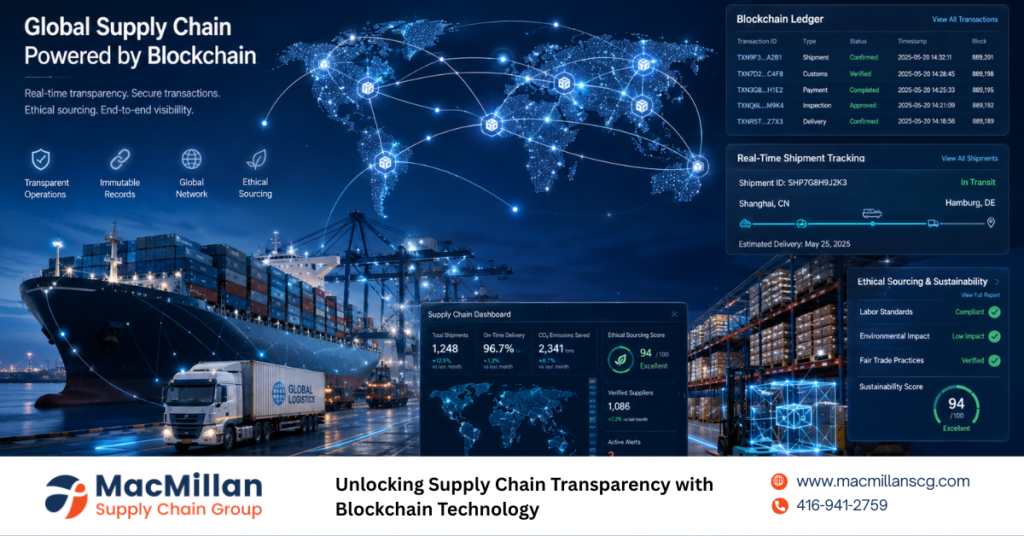
A quick summary and overview This comprehensive guide explores the transformative power of Third-Party Logistics (3PL) services in modern supply chain management. We’ll delve into the core benefits of partnering with a 3PL provider, including cost reduction, improved efficiency, and enhanced customer satisfaction. From warehousing and distribution to inventory management and beyond, we’ll cover how 3PL services can streamline your operations and drive business growth. Whether you’re a small business owner or a logistics manager in a large corporation, this guide will provide valuable insights into leveraging 3PL services to optimize your supply chain and stay competitive in today’s fast-paced market. An introduction In today’s rapidly evolving business landscape, efficient supply chain management is more crucial than ever. As companies strive to meet increasing customer demands while minimizing costs, many are turning to Third-Party Logistics (3PL) providers for solutions. But what exactly are 3PL services, and how can they benefit your business? 3PL services encompass a wide range of outsourced logistics functions, from warehousing and distribution to transportation management and beyond. By partnering with a 3PL provider, businesses can tap into specialized expertise, advanced technologies, and economies of scale that might otherwise be out of reach. This guide will explore the ins and outs of 3PL services, helping you understand how they can transform your supply chain operations and drive your business forward. Let’s dive in and discover how 3PL services can be the game-changer your supply chain needs. Understanding 3PL Services and Their Benefits Third-Party Logistics (3PL) services refer to the outsourcing of logistics and distribution activities to specialized companies. These services can include warehousing, inventory management, order fulfillment, transportation, and more. But why should you consider partnering with a 3PL provider? The benefits of 3PL services are numerous and can significantly impact your bottom line: Cost Savings: By leveraging a 3PL’s existing infrastructure and economies of scale, you can reduce capital investments in warehouses, technology, and transportation. Expertise and Specialization: 3PL providers bring industry-specific knowledge and best practices to your operations, ensuring optimal efficiency. Scalability: As your business grows or experiences seasonal fluctuations, 3PL services can easily scale to meet your changing needs. Focus on Core Competencies: Outsourcing logistics allows you to concentrate on your core business activities, such as product development and customer service. Advanced Technology: Many 3PL providers offer cutting-edge logistics technologies that might be too costly for individual businesses to implement. Improved Customer Satisfaction: With faster, more reliable shipping and order fulfillment, you can enhance your customers’ experience and build loyalty. By understanding these benefits, you can begin to see how 3PL services can transform your supply chain operations and give you a competitive edge in the market. Key 3PL Services for Supply Chain Optimization To fully leverage the power of 3PL services, it’s essential to understand the key offerings that can optimize your supply chain. Here are some of the most impactful 3PL services: Warehousing and Distribution: 3PL providers offer strategically located warehouses and distribution centers, optimizing your product storage and delivery network. Inventory Management: Advanced inventory tracking systems ensure optimal stock levels, reducing carrying costs and stockouts. Order Fulfillment: From picking and packing to shipping, 3PLs streamline the order fulfillment process, improving accuracy and speed. Transportation Management: 3PLs can manage your entire transportation network, optimizing routes, carriers, and modes of transport for cost-efficiency. Reverse Logistics: Efficient handling of returns and exchanges is crucial for customer satisfaction and inventory management. Value-Added Services: Many 3PLs offer additional services like kitting, assembly, and custom packaging to meet specific customer needs. Technology Integration: 3PL providers often offer advanced software solutions that integrate with your existing systems for seamless data flow and visibility. Customs Brokerage: For international shipping, 3PLs can handle complex customs documentation and regulations. By leveraging these services, you can create a more efficient, responsive, and cost-effective supply chain. The key is to identify which services align best with your business needs and goals. Choosing the Right 3PL Partner Selecting the right 3PL partner is crucial for maximizing the benefits of outsourced logistics. Here are key factors to consider when evaluating potential 3PL providers: Industry Experience: Look for a 3PL with expertise in your specific industry and product types. Technology Capabilities: Ensure the 3PL offers advanced technology solutions that can integrate with your systems and provide real-time visibility. Scalability: Choose a provider that can accommodate your growth plans and handle fluctuations in demand. Geographic Coverage: Consider the 3PL’s network of warehouses and distribution centers to ensure they align with your target markets. Service Offerings: Evaluate the range of services offered and their alignment with your specific needs. Performance Metrics: Ask about key performance indicators (KPIs) and how they measure and report on their performance. Financial Stability: Ensure the 3PL is financially sound to provide long-term, reliable service. Cultural Fit: Look for a provider whose company culture and values align with your own. References and Case Studies: Request references and case studies to understand the 3PL’s track record with similar businesses. Pricing Structure: Understand the pricing model and ensure it aligns with your budget and expected ROI. By carefully evaluating these factors, you can select a 3PL partner that not only meets your current needs but can also support your long-term growth and success. Implementing 3PL Services in Your Business Implementing 3PL services requires careful planning and execution. Here’s a step-by-step guide to help you successfully integrate 3PL services into your business: Assess Your Current Operations: Analyze your existing supply chain to identify areas for improvement and potential 3PL integration points. Define Clear Objectives: Establish specific goals for your 3PL partnership, such as cost reduction, improved delivery times, or expanded market reach. Develop a Transition Plan: Create a detailed plan for transitioning logistics functions to your 3PL partner, including timelines and responsibilities. Communicate with Stakeholders: Inform all relevant parties, including employees, customers, and suppliers, about the upcoming changes. Integration Testing: Conduct thorough testing of system integrations and processes before full implementation. Phased Implementation: Consider a phased approach, starting with a pilot program before full rollout. Train Your Team: Provide training to your staff on new processes and systems related to the 3PL partnership. Establish KPIs: Set clear performance metrics to measure the success of the 3PL implementation. Regular Review
Mastering Supply Chain Resilience: Strategies for Success in 2024
A Quick Summary and Overview In 2024, supply chain resilience is more critical than ever for businesses navigating global uncertainties. This comprehensive guide explores strategies to build a robust and adaptable supply chain, from leveraging advanced technologies to implementing risk mitigation techniques. We’ll delve into the importance of visibility, flexibility, and collaboration in creating a resilient supply network. By partnering with experts like MacMillan Supply Chain Group, companies can overcome common challenges and transform their supply chains into strategic assets. Discover how to future-proof your operations and gain a competitive edge in today’s dynamic business landscape. An Introduction The global business landscape is constantly evolving, presenting new challenges and opportunities for supply chain management. In 2024, building a resilient supply chain is no longer a luxury—it’s a necessity for survival and growth. Recent events, from the COVID-19 pandemic to geopolitical tensions, have highlighted the vulnerabilities in traditional supply chain models and the urgent need for more robust, flexible systems. This article will guide you through the key strategies and best practices for enhancing supply chain resilience. We’ll explore how cutting-edge technologies, data-driven decision-making, and strategic partnerships can help your business weather disruptions and emerge stronger. Whether you’re a small enterprise or a multinational corporation, the insights shared here will empower you to transform your supply chain into a source of competitive advantage. Let’s dive into the world of supply chain resilience and discover how MacMillan Supply Chain Group can be your partner in this crucial journey. Understanding Supply Chain Resilience Supply chain resilience refers to a network’s ability to anticipate, adapt to, and recover from disruptions quickly and efficiently. In 2024, this concept goes beyond mere risk management—it’s about creating a supply chain that can thrive in uncertainty. Key components of supply chain resilience include: Visibility: Real-time monitoring of inventory, shipments, and potential disruptions. Flexibility: The ability to quickly adjust operations in response to changing conditions. Redundancy: Strategic backup plans and alternative sourcing options. Collaboration: Strong partnerships with suppliers, logistics providers, and customers. Building resilience requires a holistic approach that considers all aspects of your supply chain. This means assessing vulnerabilities, implementing robust risk management strategies, and fostering a culture of continuous improvement. The benefits of a resilient supply chain are manifold: Minimized downtime during disruptions Improved customer satisfaction through consistent service Enhanced competitiveness in volatile markets Reduced long-term costs associated with disruptions By prioritizing resilience, you’re not just protecting your business—you’re positioning it for sustainable growth. In the following sections, we’ll explore specific strategies to achieve this crucial goal. Leveraging Technology for Supply Chain Resilience In 2024, technology plays a pivotal role in building resilient supply chains. Advanced solutions offer unprecedented visibility, predictive capabilities, and automation that can transform your operations. Key technologies enhancing supply chain resilience include: Artificial Intelligence (AI) and Machine Learning (ML): These technologies enable predictive analytics, helping you anticipate disruptions and optimize inventory levels. Internet of Things (IoT): IoT devices provide real-time tracking and monitoring of goods, enhancing visibility across the supply chain. Blockchain: This technology ensures transparency and traceability, crucial for managing complex, global supply networks. Cloud Computing: Cloud-based systems offer scalability and accessibility, allowing for seamless collaboration and data sharing among stakeholders. Digital Twins: Virtual replicas of your supply chain enable scenario planning and risk assessment. Implementing these technologies requires careful planning and often, expert guidance. MacMillan Supply Chain Group specializes in integrating cutting-edge solutions tailored to your specific needs. Our team can help you: Assess your current technological capabilities Identify the most impactful solutions for your business Implement and optimize new technologies Train your team to leverage these tools effectively By harnessing the power of technology, you can create a more agile, responsive, and resilient supply chain ready to face the challenges of 2024 and beyond. Building Flexibility and Agility into Your Supply Chain Flexibility and agility are cornerstones of supply chain resilience in 2024. These qualities enable your organization to respond swiftly to disruptions and capitalize on new opportunities. Strategies to enhance flexibility and agility include: Diversifying Your Supplier Base: Reduce dependency on single sources by cultivating relationships with multiple suppliers across different geographic regions. Implementing Modular Supply Chain Design: Create interchangeable components in your supply chain that can be easily reconfigured as needed. Adopting Just-in-Case Inventory Management: Balance lean practices with strategic buffer stock to cushion against disruptions. Developing Multi-Modal Transportation Options: Ensure you have alternative shipping methods available to maintain product flow during disruptions. Fostering a Culture of Adaptability: Train your team to be responsive and innovative in the face of challenges. MacMillan Supply Chain Group can help you implement these strategies by: Conducting a comprehensive analysis of your current supply chain structure Identifying areas for increased flexibility Developing customized plans for supplier diversification and inventory optimization Implementing agile processes and training programs By building flexibility and agility into your supply chain, you’ll be better equipped to navigate the uncertainties of the global market, maintain customer satisfaction, and stay ahead of the competition. Collaborative Partnerships for Enhanced Resilience In 2024, no business is an island. Collaborative partnerships are essential for building truly resilient supply chains. By fostering strong relationships with suppliers, logistics providers, and even competitors, you can create a network that’s greater than the sum of its parts. Key aspects of collaborative partnerships include: Information Sharing: Open communication channels to share forecasts, inventory levels, and potential disruptions. Joint Risk Management: Work together to identify and mitigate risks that affect the entire supply chain. Mutual Capacity Planning: Align production and logistics capacities to ensure smooth operations. Collaborative Innovation: Pool resources and knowledge to develop new solutions and technologies. Shared Performance Metrics: Establish common KPIs to drive collective improvement. MacMillan Supply Chain Group excels in facilitating these collaborative relationships. We can help you: Identify potential partners that align with your business goals Establish effective communication protocols Develop shared risk management strategies Implement collaborative planning and forecasting systems By leveraging our extensive network and expertise, you can build a web of partnerships that enhances your supply chain’s resilience. These collaborations
Revolutionizing 3PL Services for eCommerce Success
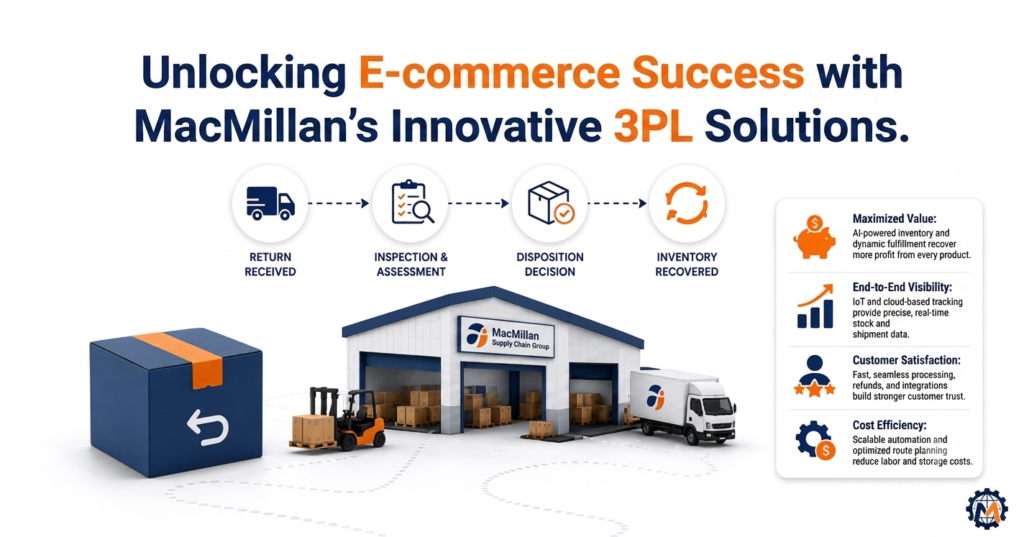
A Quick Summary and Overview MacMillan Supply Chain Group is revolutionizing the 3PL industry with innovative solutions tailored for eCommerce businesses. Our comprehensive services encompass warehousing, order fulfillment, and advanced logistics technologies, designed to streamline operations and enhance customer satisfaction. By leveraging cutting-edge automation, AI, and IoT, we offer unparalleled efficiency and transparency in supply chain management. This article explores how MacMillan’s expertise in 3PL services can propel your eCommerce business forward, addressing common challenges and providing solutions that drive growth. Discover why partnering with MacMillan Supply Chain Group is the key to unlocking your business’s full potential in the competitive eCommerce landscape. Introduction In today’s fast-paced eCommerce environment, efficient logistics management is crucial for success. As consumer expectations continue to rise, businesses face increasing pressure to deliver products quickly, accurately, and cost-effectively. This is where third-party logistics (3PL) providers like MacMillan Supply Chain Group come into play. By offering specialized services and leveraging advanced technologies, 3PL companies can significantly enhance your supply chain operations, allowing you to focus on core business activities. MacMillan Supply Chain Group stands at the forefront of this industry transformation, offering tailored solutions that address the unique challenges faced by eCommerce businesses. From state-of-the-art warehousing to innovative order fulfillment strategies, our comprehensive services are designed to optimize every aspect of your logistics operations. In this article, we’ll explore how MacMillan’s expertise can revolutionize your supply chain, boost customer satisfaction, and drive sustainable growth for your eCommerce business. The Evolution of 3PL Services in eCommerce The landscape of 3PL services has undergone a significant transformation in recent years, driven by the explosive growth of eCommerce. Traditional warehousing and shipping models have given way to more dynamic, technology-driven solutions that cater to the unique needs of online retailers. This evolution has been marked by several key trends: Increased focus on speed and accuracy: With same-day and next-day delivery becoming the norm, 3PL providers have had to optimize their processes to meet these demanding timelines without compromising on accuracy. Integration of advanced technologies: Artificial Intelligence (AI), Internet of Things (IoT), and robotics are now commonplace in modern 3PL operations, enhancing efficiency and reducing human error. Customization and flexibility: One-size-fits-all solutions are no longer sufficient. Today’s 3PL providers offer tailored services that can adapt to the changing needs of eCommerce businesses. Data-driven decision making: Advanced analytics tools allow 3PL companies to provide valuable insights into supply chain performance, enabling businesses to make informed decisions. Emphasis on sustainability: As consumers become more environmentally conscious, 3PL providers are implementing green initiatives to reduce the carbon footprint of logistics operations. MacMillan Supply Chain Group has been at the forefront of these industry shifts, continuously innovating to provide cutting-edge 3PL solutions that drive eCommerce success. MacMillan’s Innovative 3PL Solutions for eCommerce At MacMillan Supply Chain Group, we understand that each eCommerce business has unique needs. Our innovative 3PL solutions are designed to address these specific challenges while providing the flexibility to scale as your business grows. Here’s how we’re revolutionizing eCommerce logistics: Advanced Warehouse Management: Our state-of-the-art warehouses utilize AI-powered inventory management systems, ensuring optimal stock levels and reducing storage costs. Intelligent Order Fulfillment: We employ machine learning algorithms to predict order patterns, allowing for proactive inventory placement and faster order processing. Real-time Tracking and Visibility: Our IoT-enabled tracking systems provide end-to-end visibility of your products, from warehouse to doorstep. Customized Packaging Solutions: We offer tailored packaging options that not only protect your products but also enhance your brand experience. Seamless Integration: Our systems integrate effortlessly with major eCommerce platforms, ensuring smooth data flow and real-time updates. Sustainable Practices: We implement eco-friendly initiatives, from recyclable packaging to optimized route planning, reducing the environmental impact of your logistics operations. Value-Added Services: From kitting and assembly to returns management, we offer a range of additional services to streamline your operations. By leveraging these innovative solutions, MacMillan Supply Chain Group empowers eCommerce businesses to achieve operational excellence, enhance customer satisfaction, and drive sustainable growth. The Impact of Technology on 3PL Services Technology is reshaping the 3PL landscape, and MacMillan Supply Chain Group is at the forefront of this digital revolution. By harnessing the power of cutting-edge technologies, we’re able to offer unparalleled efficiency and accuracy in our 3PL services. Here’s how technology is transforming the industry: Artificial Intelligence and Machine Learning: These technologies enable predictive analytics, optimizing inventory management and order fulfillment processes. Internet of Things (IoT): IoT devices provide real-time tracking and monitoring of shipments, enhancing visibility and enabling proactive problem-solving. Robotic Process Automation (RPA): Automated picking and packing systems increase speed and accuracy while reducing labor costs. Blockchain: This technology enhances supply chain transparency and security, particularly in international logistics. Cloud Computing: Cloud-based systems allow for seamless data sharing and collaboration across the supply chain. Big Data Analytics: Advanced analytics tools provide valuable insights into supply chain performance, enabling data-driven decision making. Augmented Reality (AR): AR technology is being used to improve warehouse operations and staff training. At MacMillan Supply Chain Group, we continuously invest in these technologies to stay ahead of the curve. By leveraging these innovations, we’re able to provide our clients with more efficient, accurate, and cost-effective 3PL services, giving them a competitive edge in the fast-paced world of eCommerce. The Future of 3PL: Trends and Predictions As we look to the future, several trends are shaping the evolution of 3PL services. MacMillan Supply Chain Group is not only adapting to these trends but actively driving innovation in the industry. Here’s what we see on the horizon: Hyper-personalization: 3PL providers will offer increasingly tailored solutions, catering to the specific needs of each client and their customers. Autonomous Vehicles: Self-driving trucks and drones will revolutionize last-mile delivery, improving speed and reducing costs. Predictive Logistics: Advanced AI will enable 3PL providers to anticipate demand and potential disruptions, allowing for proactive problem-solving. Sustainable Logistics: Green initiatives will become a standard offering, with 3PL providers leading the charge in reducing the environmental impact of supply chains. Augmented Reality in Warehousing: AR
Demand Forecasting: Mastering Supply Chain Efficiency with MacMillan
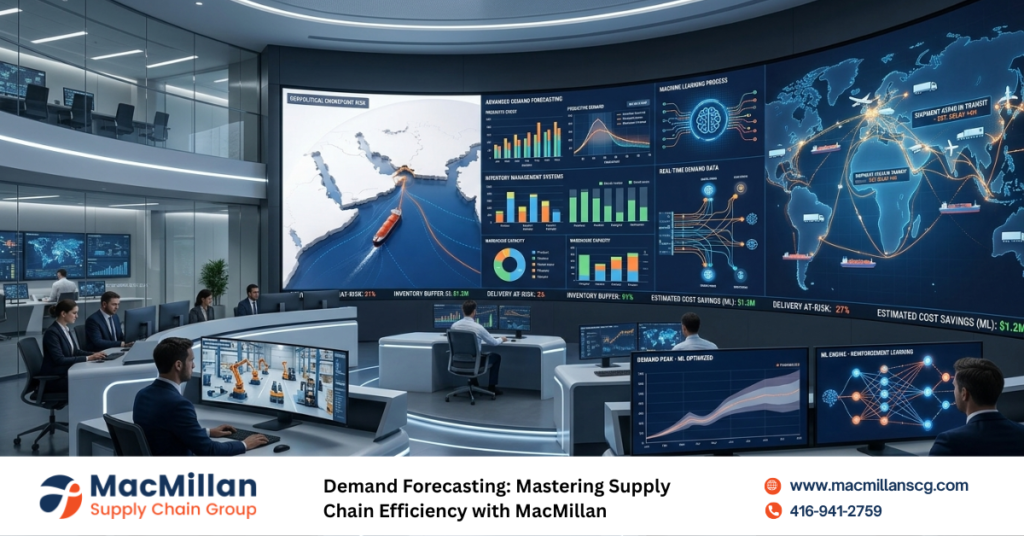
A quick summary and overview Demand forecasting is a critical component of supply chain management, enabling businesses to predict future customer demand accurately. This comprehensive guide explores the intricacies of demand forecasting, its importance in today’s dynamic market, and the role of advanced technologies like AI and ML in enhancing forecast accuracy. We’ll delve into the benefits of precise forecasting, common challenges faced by businesses, and how MacMillan Supply Chain Group’s innovative solutions can optimize your supply chain operations. Whether you’re new to demand forecasting or looking to improve your existing processes, this article provides valuable insights to drive your business forward. An introduction In today’s fast-paced business environment, staying ahead of customer demand is crucial for success. Demand forecasting has emerged as a pivotal tool in supply chain management, allowing companies to anticipate future needs and optimize their operations accordingly. As markets become increasingly volatile and consumer preferences shift rapidly, the importance of accurate forecasting cannot be overstated. At MacMillan Supply Chain Group, we understand the complexities of demand forecasting and its impact on your bottom line. This article aims to demystify the concept of demand forecasting, explore its benefits, and showcase how cutting-edge technologies are revolutionizing the field. We’ll also address common challenges and present MacMillan’s innovative solutions to help you master the art and science of demand forecasting. Join us as we dive into the world of predictive analytics and discover how it can transform your supply chain efficiency. Understanding Demand Forecasting Demand forecasting is the process of predicting future customer demand for products or services based on historical data, market trends, and other relevant factors. It forms the backbone of effective supply chain management, enabling businesses to make informed decisions about production, inventory, and distribution. At its core, demand forecasting involves analyzing past sales data, considering seasonal fluctuations, market conditions, and external factors that may influence demand. This process helps businesses: Optimize inventory levels Reduce wastage and carrying costs Improve customer satisfaction through better product availability Enhance production planning and resource allocation Make informed marketing and promotional decisions Traditional forecasting methods often relied on simple statistical techniques and human judgment. However, with the advent of big data and advanced analytics, demand forecasting has evolved into a sophisticated discipline. Modern forecasting techniques incorporate machine learning algorithms, artificial intelligence, and real-time data analysis to provide more accurate and timely predictions. These advanced methods can detect subtle patterns and correlations that might be missed by traditional approaches, leading to more precise forecasts. At MacMillan Supply Chain Group, we leverage state-of-the-art forecasting technologies to help our clients stay ahead of market trends and optimize their supply chain operations. By combining historical data with real-time market intelligence, we provide actionable insights that drive business growth and efficiency. The Role of AI and ML in Demand Forecasting Artificial Intelligence (AI) and Machine Learning (ML) have revolutionized demand forecasting, bringing unprecedented accuracy and efficiency to the process. These technologies excel at analyzing vast amounts of data, identifying complex patterns, and adapting to changing market conditions in real-time. Key benefits of AI and ML in demand forecasting include: Enhanced accuracy: AI algorithms can process and analyze diverse data sources, including social media trends, weather patterns, and economic indicators, to produce more accurate forecasts. Real-time adjustments: ML models can continuously learn from new data, allowing for dynamic forecast updates as market conditions change. Handling complexity: AI can manage multi-variable forecasts across numerous SKUs, channels, and geographies simultaneously. Anomaly detection: ML algorithms can identify and flag unusual patterns or outliers, helping businesses respond quickly to potential disruptions. Scenario planning: AI-powered systems can simulate various scenarios, enabling businesses to prepare for different possible futures. At MacMillan Supply Chain Group, we harness the power of AI and ML to deliver cutting-edge demand forecasting solutions. Our advanced algorithms analyze your historical data alongside external factors to provide highly accurate predictions. This approach allows our clients to make data-driven decisions, optimize inventory levels, and improve overall supply chain performance. By integrating AI and ML into your demand forecasting processes, you can gain a competitive edge in today’s rapidly evolving market landscape. Benefits of Accurate Demand Forecasting Accurate demand forecasting is a game-changer for businesses, offering a wide range of benefits that impact the entire supply chain. When done right, it can significantly improve operational efficiency and financial performance. Key benefits include: Optimized inventory management: Precise forecasts help maintain optimal stock levels, reducing holding costs and minimizing the risk of stockouts or overstocking. Improved cash flow: By aligning inventory with actual demand, businesses can free up working capital and invest in growth opportunities. Enhanced customer satisfaction: Accurate forecasts ensure product availability, leading to improved customer service and loyalty. Efficient resource allocation: With better visibility into future demand, companies can optimize their production schedules, workforce planning, and resource allocation. Reduced waste: Accurate forecasts help minimize excess inventory, reducing the risk of obsolescence and waste, particularly for perishable goods. Better supplier relationships: Sharing reliable forecasts with suppliers can lead to improved collaboration and more favorable terms. Informed strategic planning: Accurate demand projections provide valuable insights for long-term business planning and expansion strategies. Increased profitability: By optimizing operations and reducing costs, businesses can improve their bottom line. At MacMillan Supply Chain Group, we help our clients realize these benefits through our advanced demand forecasting solutions. Our expertise in leveraging data and technology enables businesses to make informed decisions, streamline operations, and stay ahead of market trends. Key Factors Influencing Demand Forecasting Effective demand forecasting requires consideration of various factors that can impact future customer demand. Understanding these influences is crucial for developing accurate predictions and maintaining a responsive supply chain. Key factors include: Historical sales data: Past sales trends form the foundation of most forecasting models. Seasonal variations: Many products experience cyclical demand patterns tied to seasons or holidays. Economic indicators: Factors like GDP growth, inflation rates, and consumer confidence can significantly affect demand. Competitor actions: New product launches or pricing changes by competitors can