
How to Make Big and Bulky Last-Mile Work For You
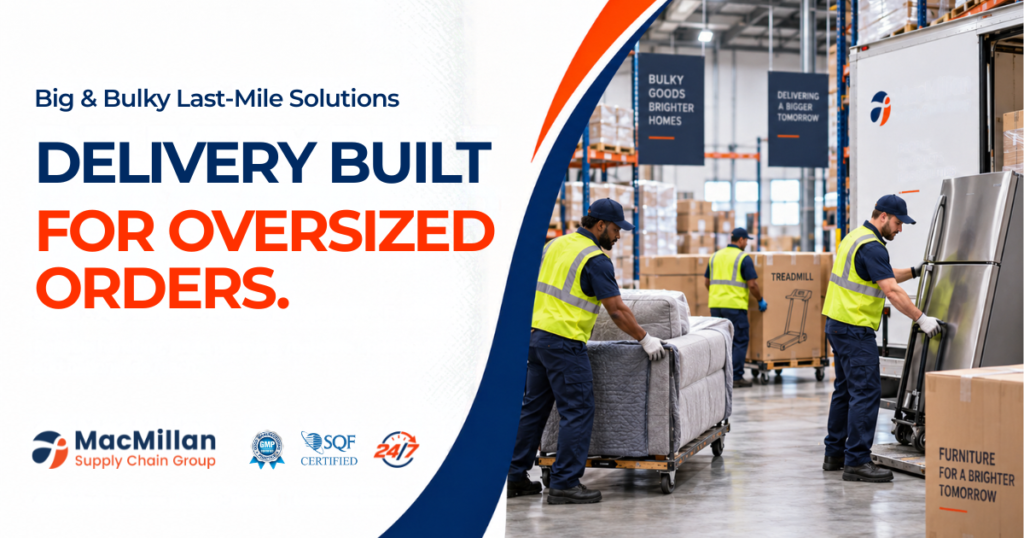
Hats off to you for always wanting to make life easier for your customers. You always try to innovate and meet customer demands. You go the extra mile to ensure that bulky items like fitness equipment, fridges, sofas, or even gigantic artwork seamlessly reach your warehouse to your client’s doorstep. Sorry to burst your bubble, but just imagine the frustration of a customer eagerly awaiting the delivery of a new sofa, only to experience delays, lack of communication, and, ultimately, a damaged product upon arrival. This scenario is a nightmare for the customers and businesses trying to make a mark for themselves while ensuring customer satisfaction. In logistics, last-mile delivery of large and bulky items is one of the toughest tasks companies face. How do we turn this challenge into an opportunity? Read on to discover strategies for making last-mile delivery work for your business. What are the Benefits of Big and Bulky Last-Mile Delivery? Big and bulky last-mile delivery brings large items right to your door. This step is key but often costs a lot and takes time. Yet, it offers great benefits. Here are some of the benefits of last-mile delivery: For Businesses Customer satisfaction: Quick and reliable deliveries make customers happy and loyal. Competitive advantage: Fast delivery sets you apart from competitors. Increased efficiency: Streamlining deliveries cuts costs and boosts profits. Improved brand loyalty: Positive delivery experiences keep customers coming back. Flexibility and scalability: Easily adjust delivery operations to meet demand without losing quality. For Customers Convenience: Products arrive right at your doorstep, saving you a trip. Faster delivery times: You get your purchases quicker. Increased transparency: Track your package and know when it will arrive. Flexible delivery options: Choose when and where your package is delivered. Reduced shipping costs: Efficient deliveries can lead to lower or no shipping fees. What are the Roadblocks in Big and Bulky Last-Mile Delivery? Delivering those big-ticket items—think sofas, fridges, or treadmills—brings its unique challenges, which are: Getting the big stuff from A to B: Bulky items aren’t just a pain to move; they require space, extra hands, and sometimes special gadgets to lift and shift. Maximizing truck space: Have you ever tried fitting a square peg into a round hole? That’s what trying to make everything fit perfectly in the truck looks like. Big items take up a ton of space; sometimes, they need special tools to move around safely. City challenges: Delivering large packages in tight urban spaces or hard-to-reach areas, especially navigating narrow streets and limited parking, is a real challenge. Traveling from far-off warehouses: Big items often come from distant warehouses, making the delivery journey longer. The last mile installation: It’s not just dropping off; Some items must be set up or installed, requiring careful coordination to ensure the installation team arrives on time. Managing free shipping costs: Who doesn’t love free shipping? But “free” comes at a cost for large items. It’s a tough balancing act for retailers, trying to cover those costs without hiking prices too much or eating into profits. How Can You Solve Your Big and Bulky Delivery Challenges? Big and bulky delivery can be tricky, but here are some smart ways to tackle those challenges: Plan your routes smartly Use tech to find the best paths. This will save time and ensure that your drivers avoid traffic jams and tight spots. Use the right vehicles Choose vehicles that match the size and requirements of your items. The right fit minimizes complications during transport. Keep customers in the loop Implement real-time tracking to oversee your delivery fleet. Tell your customers when to expect their delivery. A quick text or email can make a big difference and keep them happy. Train your team Make sure your delivery crew knows how to handle big items. A well-trained team moves things quickly and safely. Offer flexible delivery options Allowing customers to pick delivery slots adds convenience for them and reduces failed delivery attempts. Closer warehouses Positioning your warehouses closer to your customer base cuts down on delivery times and costs. Efficient packaging and handling Invest in quality packaging and equipment like forklifts and dollies to safely move large items. Proper preparation prevents damage and speeds up the delivery process. Partner with a 3PL It’s best to work with pros. A 3PL partner has the tools and know-how to handle big deliveries smoothly which can significantly ease the burden of big and bulky last-mile deliveries. Why You Should Choose a 3PL for Last-Mile Deliveries? Choosing a third-party logistics (3PL) provider for your big and bulky deliveries is smart. Here’s why: Expertise: 3PLs know how to handle large items. We have the skills and know-how to deliver your products safely and on time. Save Money: Working with a 3PL can cut costs. We have the network and tools to do the job efficiently, saving you money in the long run. Better Coverage: 3PLs can reach more places. We have the infrastructure to deliver your items far and wide, expanding your reach. Flexibility: 3PLs can adapt to your needs. Whether it’s a busy season or a sudden increase in orders, we can scale up or down quickly. Less Stress: Let the experts take over. With a 3PL handling your deliveries, you can focus on other parts of your business without worrying about logistics. Streamline Your Last-Mile Delivery with MacMillan We at MacMillan excel at delivering your goods, whether small parcels or big and bulky items, to their final destination safely and on time. We ensure your last-mile delivery is smooth, efficient, and, most importantly, stress-free. Here’s how we stand out: 45 Distribution Centers: Positioned strategically to cover you coast to coast. Over 3,000 Drivers: A large team of professionals ready to roll out. Nationwide Reach: Our infrastructure spans the country, making no place too far. We have a robust logistics network, the tools, and the team to tackle your last-mile challenges head-on. Let’s make your delivery worries a
Sustainable 3PL Warehousing: 5 Key Tips For Greener Logistics
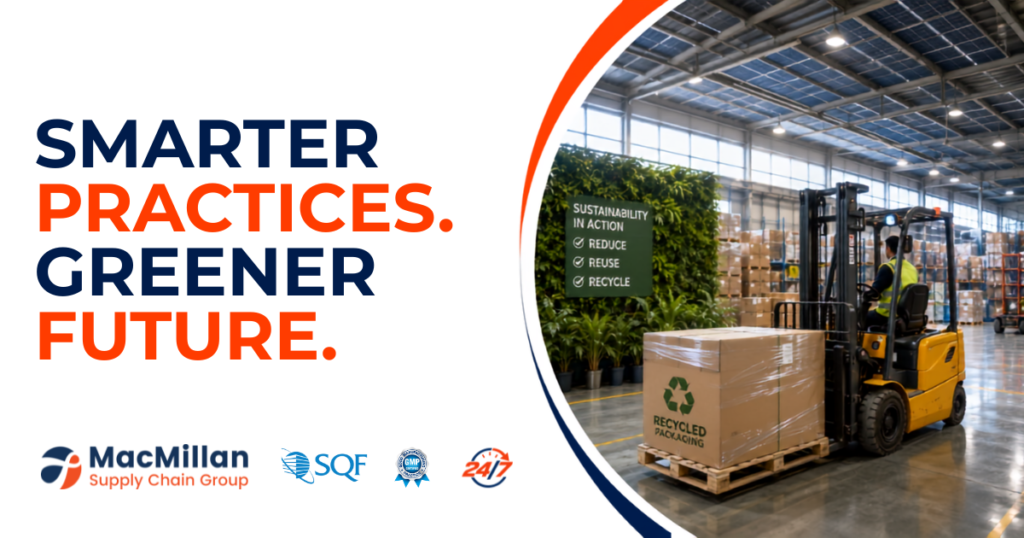
Sustainability and a greener future are crucial in 3pl warehousing and fulfillment logistics. This marketplace revolves around significant energy consumption, waste production, and transportation emissions. Despite these challenges, there are many opportunities to adopt eco-friendly practices that can reduce environmental impact and boost business efficiency. This article delves into strategies for making 3pl warehouse operations more sustainable, offering companies the dual benefits of contributing to environmental sustainability and reducing costs. What is 3PL warehouse sustainability? Warehouse sustainability involves operational processes of warehouses to be performed in an eco-friendly manner, introducing measures like energy-efficient lighting, solar power, and waste reduction programs. This approach minimizes environmental impact, conserves resources, and upholds social responsibility. However, sustainable 3pl warehouse operations offer more than just environmental benefits. When executed effectively, they can reduce energy costs by up to 20% and lower waste disposal fees through enhanced recycling and reuse strategies. Furthermore, by adopting efficient inventory management systems, businesses can avoid overstock. What are the Key factors of a sustainable 3pl warehouse? Energy efficiency plays a crucial role in sustainable warehousing. Implementing LED lighting or solar panels can reduce energy costs and carbon emissions. Additionally, waste reduction and storage optimization are key. By recycling shipping materials, adopting innovative packaging techniques, and optimizing inventory management to prevent overstocking, you can significantly optimize operations in both areas. Impact of Sustainability on 3pl Warehouse Operations Implementing sustainable practices in warehouse operations has various benefits, including: Higher Efficiency: Upgrading energy-efficient lighting and installing smart thermostats can optimize energy consumption. Cost Savings: Utilizing renewable energy sources and adopting waste reduction strategies helps in lowering utility bills and disposal costs. Reduced Carbon Footprint: Green initiatives help 3pl warehouses minimize pollution and greenhouse gas emissions. Improved Brand Image: A sustainable work environment enhances employee satisfaction and enhances the public image and repute of the brand. 5 tips for running a sustainable 3pl warehouse Choosing eco-friendly shipping practices is a key aspect of sustainable 3pl warehouse operations, but several other factors also support green principles such as: Recycling initiatives and energy management Switching to energy-efficient systems and renewable energy in warehouses is crucial for sustainability. Installing LED lighting and solar panels reduces carbon footprints, while upgrading to HVAC systems further cuts costs. E-commerce businesses can adopt eco-friendly packaging like cornstarch to minimize landfill waste and optimize package sizes to reduce material use and shipping emissions. Implementing recycling systems, with well-marked stations for materials like cardboard and plastic, further increases warehouse sustainability. Innovative Inventory Management and Automation Implementing innovative inventory management techniques, such as Just-in-Time (JIT) inventory, streamlines operations and reduces waste. This method minimizes overstocking and conserves energy. By reducing the amount of inventory on hand, companies can lower storage and tax costs, while also improving cash flow by freeing up capital previously held in inventory. Dynamic Routing Software Dynamic routing software is an advanced method for reducing carbon emissions in logistics operations. For instance, MacMillan automatically routes orders to the nearest distribution center, speeding up delivery and minimizing last-mile travel. Additionally, shipping partners like UPS use a system called ORION, which analyzes numerous route options in real-time to find the most efficient paths for delivery vehicles. This approach reduces fuel consumption and lowers the carbon footprint of logistics operations. Green Roofing Systems Green roofing systems enhance insulation, promote biodiversity, and manage stormwater. Beyond boosting energy efficiency through superior insulation, green roofs mitigate stormwater runoff, a frequent issue for large facilities. They can also reduce a building’s cooling load by up to 70%. Enhanced 3pl Warehouse Design The initial phase in optimizing your warehouse’s setup involves conducting an internal warehouse audit. This includes assessing your inventory, its placement, and its frequency of use. Segmenting zones within the warehouse for distinct activities can optimize energy consumption for lighting, heating, and cooling, aligning them with actual requirements. The future of sustainable 3pl warehouse The future of warehousing is rooted in sustainability, essential for both survival and growth. In US, the Environmental Protection Agency requires facilities, including warehouses, to report greenhouse gas emissions annually through the Greenhouse Gas Reporting Program. At MacMillan, we are committed to green logistics through: Eco-friendly packaging Carbon-neutral shipping Advanced warehouse management systems We adopt cutting-edge sustainable technologies and practices, including: Energy-efficient warehousing solutions Advanced recycling systems Our efforts not only ensure regulatory compliance but also aim to set industry standards. Collaboration with partners is crucial to achieving these sustainability goals. How can sustainable warehousing reduce costs? Embracing sustainable practices like waste reduction and energy optimization directly leads to reduced operational costs, thus boosting profit margins over time. Additionally, prioritizing sustainability enhances a brand’s reputation, as today’s consumers increasingly favor eco-conscious companies, with 55% willing to pay more for such brands. By aligning operations with these values, businesses can access a growing market and potentially command premium prices. Ultimately, integrating sustainability offers a twofold advantage: cost reduction and enhanced market positioning, fostering long-term financial stability and expansion. MacMillan’s approach for long term sustainability At MacMillan, our commitment to sustainability is aligned with technology. By harnessing advanced systems and software, we streamline operations to minimize waste, enhance efficiency, and reduce our environmental footprint. Here are a few ways we achieve this: Automated Inventory Management: Our integrated inventory management software ensures optimized stock levels, reducing instances of overstock and understock. This results in less waste and a more resource-efficient approach. Route Optimization: Utilizing technology for route optimization helps us plan the most efficient fulfillment centers for product delivery. This not only ensures quicker deliveries, boosting customer satisfaction, but also reduces emissions. Material Handling Automation: We employ automated sorting systems to streamline warehouse operations, minimizing the need for manual labor and lowering energy costs associated with goods movement. Data Analytics: MacMillan leverages data analytics to assess and improve logistics sustainability. This involves analyzing transportation patterns, energy usage, and waste generation to focused areas for improvement. Key Takeaways The future of 3PL warehousing and fulfillment logistics is green. Embracing sustainability is crucial for both operational efficiency and long-term business growth. By integrating eco-friendly practices such as
Potential U.S. Tariff Cuts: Supply Chain Impact
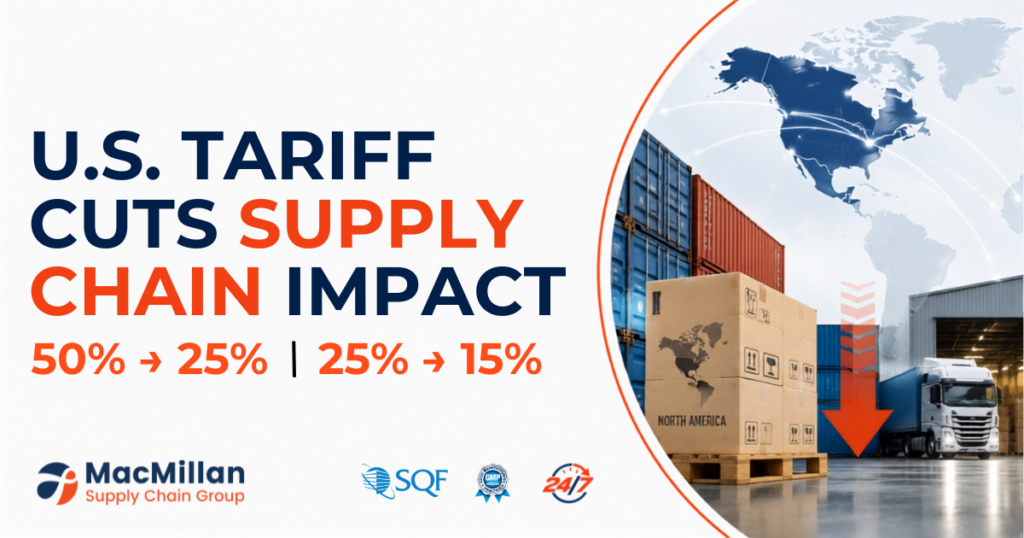
Potential reductions in U.S. tariffs on Canadian steel, aluminum and automobiles could significantly affect cross-border freight, manufacturing costs, inventory strategies and warehouse capacity across North America. Recent Canada-U.S. negotiations considered reducing tariffs on Canadian steel and aluminum from 50% to 25% and automotive tariffs from 25% to 15%. However, those reductions have not been finalized, and the latest negotiations have faced significant setbacks. For supply chain leaders, the key issue is therefore not whether tariff relief is guaranteed. It is whether operations are prepared if trade conditions change quickly. Canada and the United States operate one of the world’s most integrated trading relationships. Automotive components, industrial materials, consumer products and manufacturing inputs routinely move across the border before reaching their final customer. A meaningful tariff change can therefore affect much more than customs duties—it can influence transportation demand, production planning, inventory positioning and distribution strategy. Current Status of the Proposed Tariff Cuts In August 2026, U.S. and Canadian negotiators discussed a potential agreement that could have reduced U.S. tariffs on Canadian steel and aluminum from 50% to 25% while lowering tariffs on Canadian-built automobiles from 25% to 15%. Those reductions were discussed as part of a wider effort to ease trade tensions between the two countries. However, the negotiations subsequently broke down before a final agreement was reached. As a result, supply chain leaders should treat the lower tariff rates as a potential future scenario rather than an existing rate structure. This distinction matters when businesses are making sourcing, transportation or inventory decisions. Companies should model potential tariff relief, but they should not build financial forecasts around proposed rates until they become official. Businesses already managing the effects of current trade measures can review our analysis of 50% steel tariffs and their supply chain impact for additional context. Why Canada-U.S. Trade Matters to Supply Chains The economic relationship between Canada and the United States is enormous. According to U.S. Census Bureau data, the United States exported approximately US$333.6 billion in goods to Canada in 2025 and imported approximately US$381.9 billion from Canada. That represents more than US$700 billion in annual two-way goods trade. The scale of the relationship is important, but the level of integration matters even more. Many North American supply chains do not operate as simple one-direction export networks. Raw materials, components and finished products can cross the border several times during production. This is particularly visible in sectors such as: Automotive manufacturing Steel and fabricated metals Aluminum products Industrial machinery Consumer packaged goods Construction materials Food and beverage Changes in tariff policy can therefore influence companies on both sides of the border, even when they are not directly importing finished Canadian products. Steel and Aluminum Tariff Cuts Could Reduce Landed Costs Steel and aluminum are foundational inputs for manufacturing, construction, automotive production, machinery and many consumer products. A reduction in tariffs from 50% to 25%, if eventually implemented, would not eliminate the tariff burden. However, it could significantly reduce the landed cost of qualifying Canadian metal products entering the United States. That difference can affect: Supplier pricing Manufacturing margins Procurement decisions Production volumes Cross-border shipment frequency Inventory purchasing strategies For businesses that reduced Canadian sourcing because of tariffs, lower duties could make some supplier relationships financially attractive again. Procurement teams would need to compare the revised landed cost against alternative domestic or international suppliers rather than assuming the previous sourcing model should automatically return. Cross-Border Freight Demand Could Increase If tariff reductions improve the competitiveness of Canadian exports, additional freight could begin moving through major Canada-U.S. trade corridors. Key gateways include: Windsor-Detroit Sarnia-Port Huron Fort Erie-Buffalo Niagara-area border crossings Major Quebec-New York trade routes Western Canada-U.S. corridors Higher trade volumes would create opportunities for carriers, freight coordinators and warehouse operators, but additional demand could also create capacity pressure. Shippers should avoid assuming that lower tariffs automatically produce cheaper logistics. Increased freight demand can tighten truck availability, affect appointment schedules and place pressure on high-volume border gateways. Businesses should therefore review their transportation logistics strategy before volume increases rather than reacting after capacity becomes constrained. Automotive Supply Chains Could See a Major Impact Few industries demonstrate Canada-U.S. supply chain integration as clearly as automotive manufacturing. Vehicles assembled in Canada can contain parts produced in the United States, Canada and Mexico. Components may cross international borders multiple times before final assembly is complete. Reducing automotive tariffs from 25% to 15% would therefore affect more than finished vehicle pricing. Potential impacts could include: Lower landed costs for qualifying Canadian vehicles Improved competitiveness of Canadian assembly operations Higher demand for automotive components Changes in supplier sourcing decisions Greater cross-border freight movement Revised production planning Canada’s automotive export sector remains economically significant. Canadian exports of motor vehicles and parts reached C$9.0 billion in January 2025, illustrating the volume of goods connected to this supply chain. Canadian suppliers navigating tariff uncertainty can also review our guide on how Canadian auto suppliers can adapt to changing U.S. tariffs. Manufacturing Activity Could Respond Quickly Tariffs influence more than the final import price. They influence decisions about where manufacturers purchase inputs, where they produce products and how much inventory they are willing to hold. If tariff barriers decline, manufacturers that reduced cross-border activity may reassess Canadian suppliers. This could lead to increased demand for: Raw materials Manufacturing components Industrial storage Inbound transportation Cross-docking Regional distribution The effect would not be immediate or identical across industries. Companies that already redesigned supplier networks because of tariffs may not reverse those decisions overnight. However, procurement teams will likely run new cost comparisons if the economics of Canadian sourcing materially improve. Warehouse Capacity Requirements May Change Tariff uncertainty has encouraged many businesses to hold additional inventory as protection against disruption or future cost increases. If trade conditions become more predictable, businesses may begin reassessing these safety-stock levels. Some companies could reduce excess inventory. Others may increase Canadian production or imports into the United States, creating additional warehouse demand near manufacturing centres and border gateways. Potential changes include: Rebalancing safety
Optimizing E-commerce Warehouse Costs: Boost profit
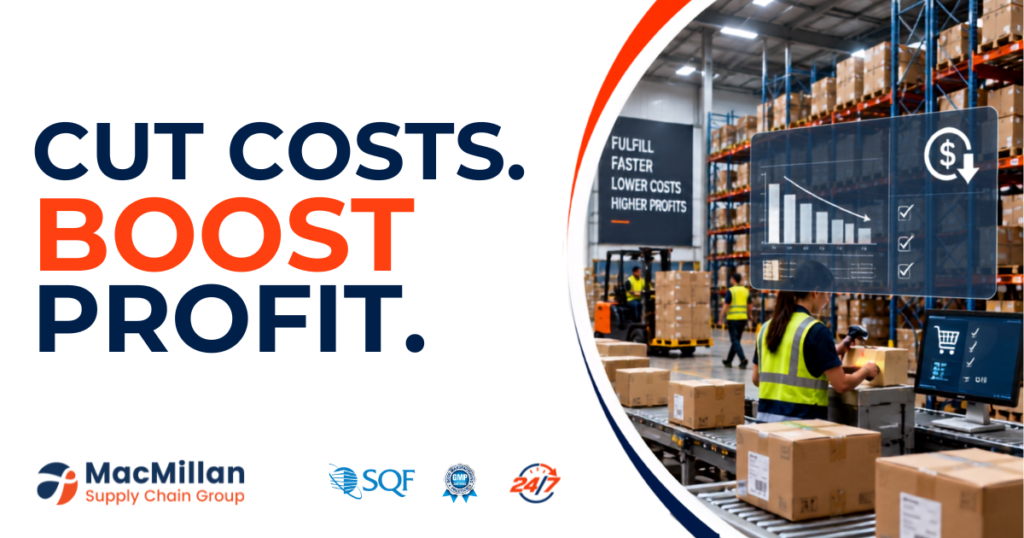
Warehousing is a significant expense. Maintaining a 3pl warehouse constitutes a portion of your overall ecommerce operational costs. Whether you’re renting or purchasing a warehouse, these expenses must be carefully considered. Optimizing your ecommerce warehouse costs is essential for boosting profitability, though it can be a challenging endeavor. To assist you, we’ve created this comprehensive guide to provide an understanding of the various 3pl warehouse costs, the methods used to calculate transparent warehouse pricing, and to help you determine whether buying or renting is the better option for your business. Furthermore, discovering strategies MacMillan uses to optimize your warehouse expenses, so they don’t erode your revenue. What factors contribute to increased 3pl warehouse cost? warehouse costs include a combination of fixed and variable expenses, which fluctuate monthly. A comprehensive understanding of the costs involved is crucial for effective logistics. Let’s delve into the main components of a 3pl warehouse costs: Rent Rent constitutes a significant portion of your warehouse expenses if you’re leasing space. It’s typically calculated based on square footage, meaning costs will vary depending on the total storage area utilized. Some 3pl warehouses also charge based on the number of items stored in the facility. Utilities Utilities such as electricity, heating/cooling, water, internet, and waste disposal are integral to 3pl warehouse operations. These costs are variable, fluctuating based on usage. For instance, heating costs may rise during winter, while electricity expenses might spike during peak seasons like the holidays when the warehouse operates overtime to meet increased demand. Labor Costs A substantial portion of warehouse operational expenses are attributed to labor. This includes wages for staff involved in various processes such as picking, packing, management, and equipment operation. Equipment Costs Equipment costs cover the purchase, rental, and maintenance of warehouse machinery. This includes forklifts, conveyor belts, pallet jacks, Automated Storage and Retrieval Systems, automated guided vehicles, and other essential equipment. Technology pricing Modern warehouses rely on technology like Warehouse Management Systems (WMS) and Inventory Management Systems providing system integration to streamline operations. MacMillan uses the latest tech-driven operations to provide real-time visibility. Order Fulfillment Costs Order fulfillment is another contributor to 3pl warehouse costs. This includes expenses for packaging materials and shipping. If you offer customized unboxing experiences, such as custom packaging, these additional charges fall under fulfillment costs. Insurance and Taxes Insurance is necessary to protect warehouses against damage, injury, or theft, with costs varying based on the types and values of goods stored. How to calculate 3pl warehousing cost? Calculating warehouse pricing involves several factors, including the chosen pricing structure and whether you opt to buy or rent the space. Fixed warehouse pricing structure Fixed variable pricing is the most popular model, where a business rents, leases, or purchases a fixed warehouse space. For rentals, a fixed monthly fee is paid for using the space, regardless of whether the full capacity is utilized. This fee is typically calculated per square foot, based on the total square footage and the cost per square foot. You can use the following formula to calculate this type of warehouse pricing: (Total rental space x Rental cost per square foot) + Operating costs = Monthly warehouse cost Depending on the type of warehouse, you may incur additional expenses for value-added services like kitting, assembly, and fulfillment. Fulfillment providers often offer these services along with distributed 3pl warehousing, allowing you to outsource the entire operation and avoid overhead costs. Another common pricing model in on-demand warehousing is the unit rates model, where charges are based on the number of transactions or units. This model may involve fixed fees per unit, pallet, transaction, or shipment. For instance, at $7 per pallet per month for 1,000 pallets, the total monthly 3pl billing cost would be $7,000. Renting VS Buying Purchasing a warehouse requires a significant initial investment, it can lead to long-term savings on monthly expenses. On the other hand, renting involves a lower initial outlay, making it ideal for smaller operations and businesses with tighter budgets. Factors involved in buying a warehouse Property Cost: (ranges between $625,000 and $750,000 for a 5,000 square foot space) Maintenance Costs: Includes setup, repairs, and ongoing upkeep Applicable Taxes Factors involved in Renting a warehouse Rental Cost: Around $8.84 per square foot in the United States, subject to increases Applicable Taxes Whether you buy or rent, you’ll still need to manage your own 3pl warehouse and fulfillment, which includes accounting for CAM charges, expenses not covered by rent or property cost. How to optimize your 3pl warehouse cost to boost profitability? Warehouse expenses significantly influence your total inventory costs and bottom line, making it crucial to optimize these costs for increased profitability. Optimize Space Utilization Maximize the use of your existing warehouse space to store more inventory with less expenditure. Improve your layout and storage systems, such as replacing racks with AS/AR systems, to better utilize vertical space and fit more inventory. Avoid Overstocking/ Seasonal fluctuation Excess inventory ties up capital and increases holding costs. MacMillan prevents overstocking by accurately forecasting demand and strategically planning procurement to align with these predictions. Improve Inventory Flow Ensure a smooth flow of goods through the warehouse to avoid bottlenecks. Arrange your space logically, placing fast-moving items near shipping docks for quicker access and turnover. Enhance Operational Efficiency Reduce overhead expenses by improving operational efficiency. Invest in automation technology and tools, such as warehouse management software and robotics, to streamline tasks and minimize labor and utility costs. Consider Outsourcing Fulfillment Outsource storage and fulfillment to 3PL warehouse providers to avoid the high costs of buying or renting warehouse space and running operations in-house. Macmillan’s approach to 3pl warehousing? Fortunately, MacMillan offers comprehensive solutions to support these strategies with its world-class warehouse management software and 3pl services. You can also adopt a hybrid approach, while MacMillan alleviates your workload and helps you reduce warehousing expenses. Outsourcing fulfillment and warehousing to MacMillan MacMillan outsourced fulfillment solution relieves you from the burdens of renting and managing your own warehouse. By keeping your inventory
How is E-Commerce Transforming Supply Chain Management?
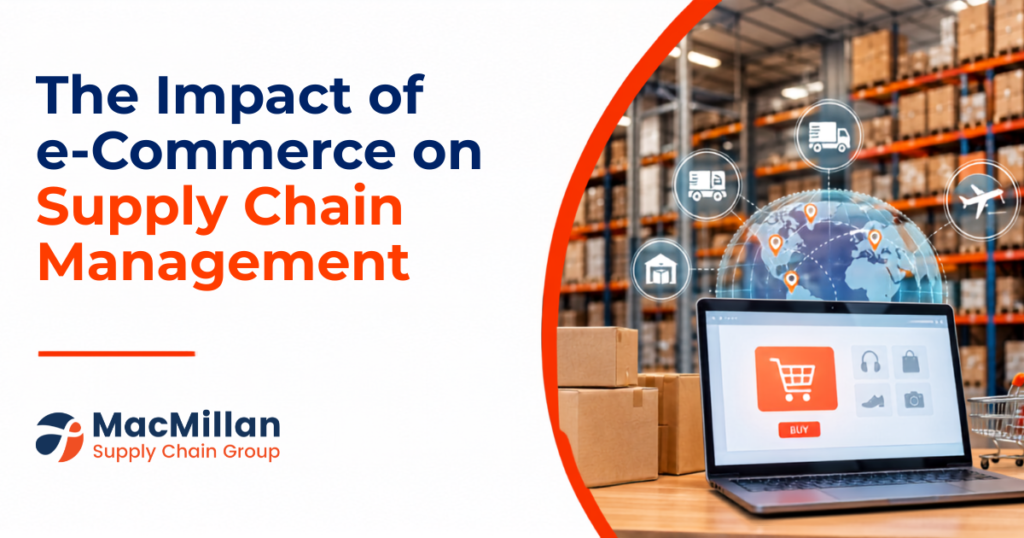
In recent years, the landscape of commerce has experienced a shift with the advent of e-commerce, changing business operations. This transformation is particularly pronounced in supply chain management. As online shopping demand continues to grow, supply chains have been forced to adapt and evolve to meet the demands of this new era. In this article, we will explore the significant impact of e-commerce on supply chain management, highlighting the key changes and strategies that have emerged in response. The Evolution of Supply Chains Traditionally, supply chains were structured to move goods from manufacturers to physical retail stores on a predictable schedule, with inventory levels managed based on historical sales data. However, the rapid growth of e-commerce has completely disrupted this model. Factors include: Increased Demand for Speed E-commerce customers expect fast delivery, prompting supply chains to become more agile and responsive. This shift has led to the rise of same-day and next-day delivery options, requiring more efficient inventory management and transportation logistics. Shift to Omnichannel Retailing E-commerce has blurred the lines between online and offline retail. Many businesses now operate in an omnichannel environment, where customers can purchase items online, in-store, or through a mobile app. This integration across various channels ensures consistency and accuracy in inventory levels and order fulfillment. Inventory Optimization With the ability to shop online 24/7, customers expect a wide selection of products. Supply chains must efficiently manage inventory to meet this demand without overstocking or understocking. Data analytics and demand forecasting have become essential tools in this process. MacMillan provides real-time visibility and demand forecasting trends to help you optimize operations. Last-Mile Delivery Challenges The last mile of delivery, from the distribution center to the customer’s doorstep, has become one of the most challenging aspects of supply chain management. E-commerce companies are exploring innovative solutions, including drone and autonomous vehicle deliveries, to address this challenge efficiently. Increased Traceability E-commerce has heightened the need for transparency in supply chains. Blockchain technology and other traceability solutions are being employed to provide this information. Sustainability and Environmental Concerns As e-commerce grows, so do concerns about its environmental impact. Supply chain management is increasingly focused on sustainability, with companies exploring greener transportation options and eco-friendly packaging. The Impact of e-Commerce on Logistics Online shopping platforms like Amazon and eBay have provided consumers with unprecedented convenience, allowing them to purchase everything from groceries to high-end electronics from the comfort of their homes. This shift in consumer behavior has demanded a significant transformation in logistics and supply chain operations. So, what exactly is the impact of e-Commerce on logistics? In essence, it triggers a chain reaction of changes across the entire supply chain. Let’s delve deeper into these transformative effects. Supply Chain in the Digital Age Unlike traditional marketing strategies, which relied heavily on physical stores and had limited reach, the digital era has revolutionized marketing approaches. Online advertisements, social media marketing, and personalized recommendations are now integral components of the e-commerce experience. E-commerce companies, driven by data analytics and AI, harness consumer data to offer tailor-made product recommendations and targeted marketing campaigns. This data-driven approach not only boosts sales but also streamlines logistics operations. MacMillan predicts consumer behavior and demand based on historical tracking and analysis to optimize their supply chains, leading to cost savings and increased efficiency. Moreover, e-commerce platforms have become marketing powerhouses, providing a platform for third-party sellers and creating a vast marketplace. Challenges in the Logistics Industry A strong online presence is equally critical to not only survive but to excel in this increasingly competitive digital realm. This is where digital marketing becomes the catalyst for success. Without a robust digital marketing strategy, even the most efficient logistics can fall short in the quest to capture and retain customers in the vast and dynamic world of eCommerce. Here are some challenges in supply chains: Complex Target Audience Identifying and reaching the right audience can be intricate in logistics, as customers may range from individual consumers to global corporations. Tailoring marketing efforts to each segment is demanding and requires a nuanced approach. Data Management The logistics sector generates vast amounts of data. If not efficiently managed, this data can lead to inefficiencies and missed opportunities for personalization and optimization. Effective data management is crucial for leveraging insights and improving operations. Competition and Visibility The digital landscape is saturated, making it challenging for logistics companies to stand out. Achieving online visibility amid fierce competition requires strategic and innovative digital marketing efforts. Trust and Reputation In logistics, trust is paramount. Building and maintaining a stellar online reputation is vital, as negative feedback or public relations issues can significantly impact business. Transparency and consistent performance are key to earning and keeping customer trust. Regulations and Compliance Navigating the complex web of regulations and compliance standards in the logistics industry while maintaining effective digital practices can be a considerable challenge. Companies like MacMillan ensure that their supply chain strategies are aligned with regulatory requirements to avoid legal pitfalls. Supply Chain and Logistics Services in the e-Commerce Era E-Commerce has not only transformed the retail landscape but also revolutionized supply chain and logistics services. Here’s how logistics has adapted to meet the demands of the digital age: Fulfillment Centers Adaptation: E-Commerce companies increasingly rely on third-party fulfillment centers for storage, order processing, and packaging, allowing them to focus on core business activities. Digital Marketing Role: Digital marketing can promote these centers by showcasing their efficiency and success stories through content marketing, blog posts, and case studies. Social media and PPC campaigns can target e-Commerce businesses in need of streamlined fulfillment solutions. Technology Integration: Adaptation: Cutting-edge technology, such as route optimization software and track-and-trace systems, drives efficiency and transparency in logistics. Digital Marketing Role: Highlight a logistics company’s tech integration by showcasing advanced systems through webinars, and SEO-optimized content. MacMillan provides real-time communication via email marketing and keeps clients updated on new technological advancements. Cross-Border Shipping Adaptation: Logistics providers offer efficient cross-border shipping solutions, simplifying international trade. Digital Marketing Role: Emphasize expertise
MacMillan Supply Chain vs. ShipBob and Flexport: The Ultimate 3PL Solution for eCommerce Growth
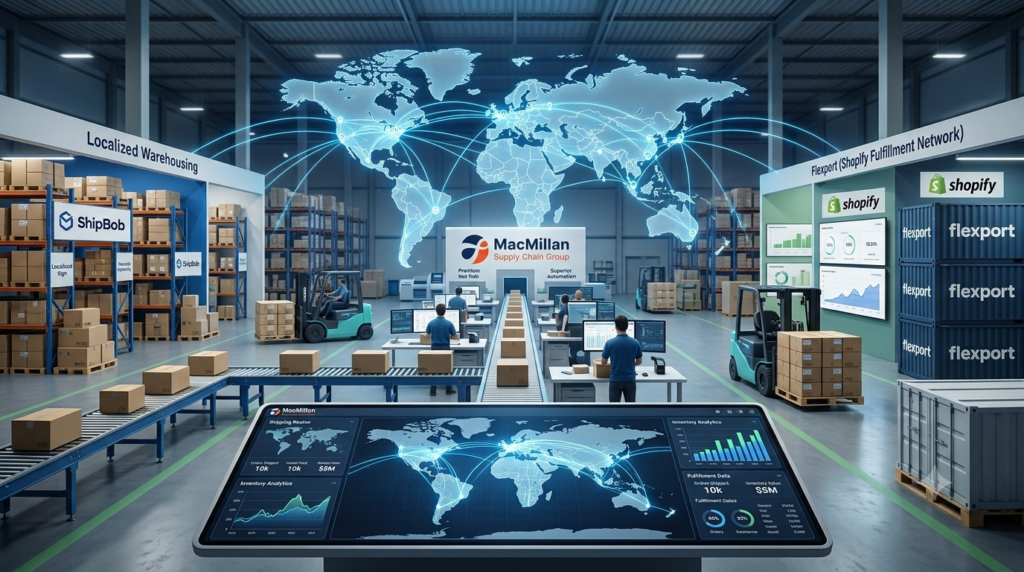
A Quick Summary and Overview In the competitive world of eCommerce fulfillment, MacMillan Supply Chain emerges as the superior choice when compared to ShipBob and Flexport (Shopify Fulfillment Network). While ShipBob offers global reach and Flexport provides Shopify-centric solutions, MacMillan Supply Chain combines the best of both worlds with additional advantages. Our comprehensive global network, seamless multi-platform integration, and scalable infrastructure make us the ideal partner for businesses of all sizes. This article explores how MacMillan Supply Chain surpasses the limitations of ShipBob and Flexport, providing unparalleled solutions for your eCommerce fulfillment needs. An Introduction In today’s fast-paced eCommerce landscape, choosing the right fulfillment partner can make or break your business. While ShipBob and Flexport (Shopify Fulfillment Network) have made names for themselves, MacMillan Supply Chain offers a more comprehensive and adaptable solution for businesses seeking to optimize their supply chain operations. As we delve into the comparison between these services, you’ll discover how MacMillan Supply Chain addresses the limitations of both ShipBob and Flexport, providing a superior alternative that caters to diverse business needs. From our expansive global network to our cutting-edge integration capabilities and scalable infrastructure, we’ll explore why MacMillan Supply Chain is the go-to choice for businesses looking to streamline their fulfillment processes, reduce costs, and accelerate growth. Join us as we unpack the key differentiators that set MacMillan Supply Chain apart in the competitive world of eCommerce fulfillment. Global Reach and Fulfillment Network When it comes to global reach, MacMillan Supply Chain outshines both ShipBob and Flexport. While ShipBob boasts a presence in the U.S., Canada, Europe, and Australia, and Flexport limits its operations to five U.S. locations, MacMillan Supply Chain offers a truly global network that spans across six continents. Our extensive network of strategically located fulfillment centers ensures that your products are always close to your customers, regardless of their location. This global presence translates to: Faster delivery times: With fulfillment centers worldwide, we significantly reduce transit times, enhancing customer satisfaction. Cost-effective shipping: Our global network allows us to optimize shipping routes, reducing costs for both you and your customers. Seamless international expansion: As your business grows, our global infrastructure supports your expansion into new markets without the need to change fulfillment partners. Local expertise: Our teams possess in-depth knowledge of local markets, customs regulations, and shipping practices, ensuring smooth operations across borders. Unlike Flexport’s U.S.-centric approach or ShipBob’s limited global reach, MacMillan Supply Chain provides a truly comprehensive global fulfillment solution. This expansive network empowers your business to serve customers efficiently and cost-effectively, regardless of their geographical location. Integration Capabilities and Platform Flexibility In today’s multi-channel retail environment, integration flexibility is crucial. While ShipBob offers integration with various platforms and Flexport focuses solely on Shopify, MacMillan Supply Chain takes integration capabilities to the next level. Our advanced integration system seamlessly connects with a wide array of eCommerce platforms, including but not limited to: – Shopify– WooCommerce– Magento– BigCommerce– Amazon– eBay– Walmart Marketplace– Custom-built eCommerce solutions This extensive integration capability allows you to: Manage all sales channels from a single dashboard Synchronize inventory across platforms in real-time Automate order processing and fulfillment Access comprehensive analytics and reporting across all channels Moreover, our team of integration experts works closely with you to ensure a smooth onboarding process, regardless of your current tech stack. We offer custom API solutions for businesses with unique requirements, ensuring that our services adapt to your needs, not the other way around. Unlike the limitations imposed by ShipBob’s select integrations or Flexport’s Shopify-exclusive approach, MacMillan Supply Chain’s flexible integration capabilities empower you to expand your sales channels without compromising on fulfillment efficiency or data accuracy. Scalability and Business Growth Support Scalability is a critical factor for growing eCommerce businesses, and this is where MacMillan Supply Chain truly shines compared to ShipBob and Flexport. While both competitors offer some level of scalability, MacMillan Supply Chain’s infrastructure and services are designed to support businesses at every stage of growth. Our scalable solutions include: Flexible warehouse space: As your inventory grows, our network of fulfillment centers expands with you, eliminating the need for long-term commitments or large upfront investments. Advanced inventory management: Our state-of-the-art systems optimize stock levels across locations, ensuring efficient inventory distribution as you scale. Customizable fulfillment processes: From standard picking and packing to complex kitting and assembly, our services adapt to your evolving needs. Scalable technology infrastructure: Our robust systems handle increased order volumes without compromising speed or accuracy. Growth-oriented pricing models: Unlike ShipBob’s fixed pricing or Flexport’s variable costs, we offer tailored pricing structures that align with your business growth, ensuring cost-effectiveness at every stage. Dedicated account management: Our experienced team provides strategic guidance to support your expansion plans and optimize your supply chain as you grow. By choosing MacMillan Supply Chain, you’re not just selecting a fulfillment partner; you’re investing in a scalable infrastructure that grows with your business, providing the support and flexibility needed to achieve long-term success in the competitive eCommerce landscape. Value-Added Services and Customization MacMillan Supply Chain goes beyond basic fulfillment services, offering a range of value-added solutions that set us apart from ShipBob and Flexport. Our commitment to customization ensures that your unique business needs are met with tailored solutions. Our value-added services include: Custom packaging and branding: Unlike ShipBob’s limited branding options or Flexport’s standard packaging, we offer fully customizable packaging solutions that reinforce your brand identity. Advanced kitting and assembly: Our skilled teams handle complex product assemblies and custom kitting projects, adding value to your offerings. Returns management: We provide comprehensive returns processing, including quality checks, refurbishment, and restocking, minimizing losses and improving customer satisfaction. Inventory optimization: Our advanced analytics tools help you make data-driven decisions about stock levels, reorder points, and demand forecasting. Cross-docking services: We efficiently manage large shipments, breaking them down for immediate distribution to multiple locations. B2B and wholesale fulfillment: Unlike ShipBob and Flexport’s focus on B2C, we expertly handle both B2B and B2C fulfillment, supporting your business across all sales channels. Customized reporting: Our flexible reporting tools provide insights tailored to your specific KPIs and business goals. By offering these comprehensive, customizable services, MacMillan
Fulfillment Center vs Warehouse | E-commerce Logistics MacMillan
A Quick Summary and Overview This comprehensive guide explores the crucial distinctions between fulfillment centers and warehouses in the e-commerce landscape. We’ll delve into how fulfillment centers, like those operated by MacMillan Supply Chain, can significantly enhance your logistics strategy. From efficient order processing to cost-effective storage solutions, learn why partnering with a specialized 3PL provider is essential for e-commerce success. Discover how MacMillan’s expertise in inventory management, shipping optimization, and scalable fulfillment services can drive your business growth, reduce operational costs, and elevate customer satisfaction in today’s competitive digital marketplace. Introduction In the rapidly evolving world of e-commerce, understanding the nuances between fulfillment centers and traditional warehouses is crucial for businesses aiming to optimize their supply chain operations. While both play vital roles in logistics management, their functions and benefits differ significantly, especially when it comes to meeting the unique demands of online retail. Fulfillment centers, the cornerstone of efficient e-commerce logistics, offer a dynamic approach to order processing and shipping. In contrast, warehouses primarily serve as storage facilities. This distinction is pivotal for businesses looking to streamline their operations, reduce costs, and enhance customer satisfaction. In this article, we’ll explore how leveraging specialized fulfillment services, like those provided by MacMillan Supply Chain, can transform your e-commerce logistics. We’ll uncover the advantages of partnering with a 3PL expert and how it can position your business for scalable growth in the digital marketplace. Let’s dive into the world of modern logistics and discover how the right fulfillment strategy can become your competitive edge. The Role of Fulfillment Centers in E-commerce Success Fulfillment centers are the heartbeat of modern e-commerce logistics, serving as dynamic hubs that handle the entire process from receiving inventory to shipping products directly to customers. Unlike traditional warehouses, fulfillment centers are designed for rapid turnover, prioritizing speed and accuracy to meet the ever-growing demands of online shoppers. At MacMillan Supply Chain, our fulfillment centers are strategically equipped to handle the complexities of e-commerce operations: Efficient Order Processing: Advanced systems enable real-time order tracking and processing, ensuring swift fulfillment. Inventory Management: Sophisticated technology allows for precise stock control, minimizing errors and stockouts. Pick, Pack, and Ship: Streamlined processes ensure orders are accurately assembled and dispatched quickly. Returns Management: Seamless handling of returns, a critical aspect of customer satisfaction in e-commerce. The key advantage of fulfillment centers lies in their ability to scale operations based on demand fluctuations. This flexibility is crucial for e-commerce businesses facing seasonal peaks or rapid growth. By leveraging MacMillan’s fulfillment services, businesses can focus on core activities like product development and marketing, while we handle the intricacies of order fulfillment. Moreover, fulfillment centers offer the benefit of distributed inventory, allowing businesses to store products closer to their customers, thereby reducing shipping times and costs – a significant factor in enhancing customer satisfaction and loyalty. Warehouses: Traditional Storage Solutions in the Supply Chain While fulfillment centers are tailored for e-commerce, traditional warehouses play a distinct and vital role in the broader supply chain ecosystem. Warehouses primarily function as long-term storage facilities, designed to house large quantities of goods for extended periods. This fundamental difference shapes their operations and the services they provide. Key characteristics of warehouses include: Bulk Storage: Optimized for storing large quantities of goods efficiently. Inventory Holding: Ideal for businesses with slower-moving stock or those requiring long-term storage solutions. Distribution to Retailers: Often serve as distribution points for brick-and-mortar stores rather than individual consumers. Lower Turnover Rate: Products typically remain in storage for longer periods compared to fulfillment centers. While warehouses are essential for certain business models, they may not align with the fast-paced needs of e-commerce. The slower turnover and bulk storage focus can lead to higher inventory costs and longer processing times for individual orders. At MacMillan Supply Chain, we recognize that some businesses may require a hybrid approach. Our services can integrate traditional warehousing with modern fulfillment strategies, offering a tailored solution that combines the benefits of both. This flexibility allows businesses to optimize their inventory management across different sales channels, ensuring efficiency in both bulk storage and individual order fulfillment. Comparative Analysis: Fulfillment Centers vs. Distribution Centers While often confused, fulfillment centers and distribution centers serve distinct purposes in the logistics landscape. Understanding these differences is crucial for businesses to align their supply chain strategy with their operational needs. Fulfillment Centers: – Focus: Direct-to-consumer order processing – Order Size: Typically handle small, individual orders – Speed: Optimized for rapid order turnaround – Technology: Utilize advanced order management systems – Value-Added Services: Often offer kitting, personalization, and gift wrapping Distribution Centers: – Focus: Bulk shipments to retailers or other businesses – Order Size: Handle large, wholesale orders – Speed: Geared towards scheduled, bulk shipments – Technology: Emphasis on inventory tracking and forecasting – Value-Added Services: May include cross-docking and bulk breaking MacMillan Supply Chain’s expertise lies in bridging these two models. Our fulfillment centers are equipped to handle the intricacies of e-commerce fulfillment while also offering the capabilities of a distribution center when needed. This dual functionality allows our clients to: Efficiently manage both B2B and B2C orders Scale operations seamlessly as their business grows Adapt to changing market demands without changing logistics partners Optimize inventory across multiple sales channels By understanding these distinctions, businesses can make informed decisions about their logistics strategy, ensuring they have the right support for their specific needs and growth plans. Enhancing E-commerce with Specialized Fulfillment Services In the competitive e-commerce landscape, specialized fulfillment services can be a game-changer. MacMillan Supply Chain offers a suite of tailored services designed to elevate your e-commerce operations: Inventory Optimization: Our advanced systems provide real-time visibility into stock levels, enabling data-driven decisions to prevent stockouts and overstock situations. Omnichannel Fulfillment: Seamlessly integrate orders from multiple sales channels, ensuring consistent service across platforms. Same-Day and Next-Day Shipping: Strategic warehouse locations and efficient processes enable faster delivery options, meeting consumer expectations for speed. Customized Packaging: Enhance brand experience with bespoke packaging solutions, including eco-friendly options. Kitting and Assembly: Efficiently bundle products or assemble components, adding value to your offerings. Returns Management: Streamline the returns process, turning a potential pain point into a customer satisfaction opportunity. Analytics and Reporting: Gain insights into order
Optimizing Inventory Management: Strategies for Supply Chain Success
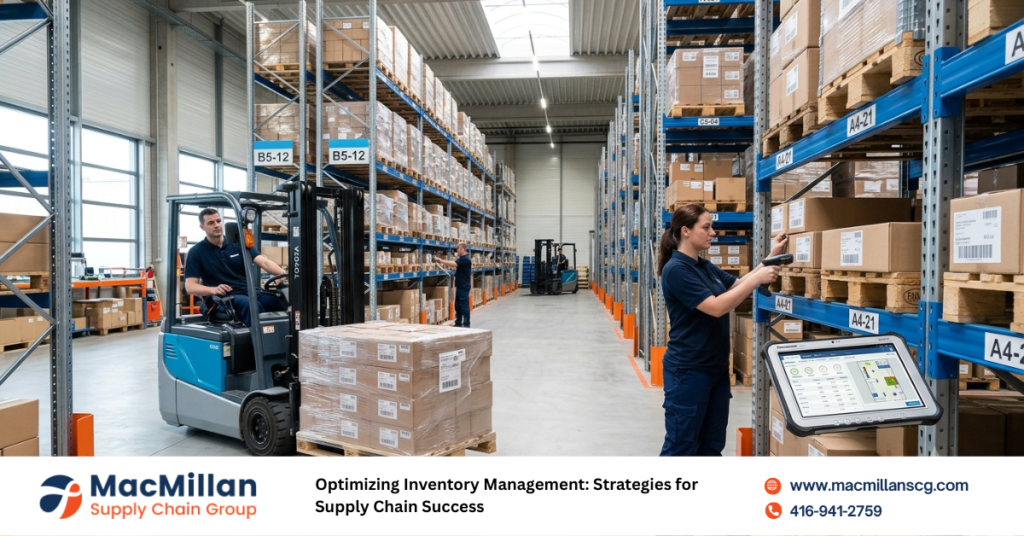
A quick summary and overview Effective inventory management is crucial for supply chain success, impacting everything from operational costs to customer satisfaction. This article explores key strategies for optimizing inventory control, including demand forecasting, just-in-time inventory, and leveraging technology. We’ll discuss common challenges businesses face and how to overcome them. Additionally, we’ll highlight how MacMillan Supply Chain Group’s expertise can help companies implement these strategies, improve warehouse efficiency, and achieve better overall supply chain performance. Whether you’re a small business owner or a logistics manager in a large corporation, this guide will provide valuable insights to enhance your inventory management practices. An introduction In today’s fast-paced business environment, efficient inventory management is more critical than ever. It’s the backbone of a well-functioning supply chain, directly influencing a company’s bottom line and customer satisfaction levels. However, striking the perfect balance between having enough stock to meet demand and avoiding excess inventory is a complex challenge. This article delves into the world of inventory management, exploring strategies that can help businesses of all sizes optimize their stock control processes. From leveraging cutting-edge technology to implementing tried-and-true methodologies, we’ll cover a range of approaches to help you streamline your inventory management. Moreover, we’ll discuss how partnering with a third-party logistics provider like MacMillan Supply Chain Group can provide the expertise and resources needed to take your inventory management to the next level. Understanding Demand Forecasting Demand forecasting is a crucial component of effective inventory management. It involves predicting future customer demand for products or services, allowing businesses to maintain optimal inventory levels. Accurate forecasting helps prevent stockouts and overstock situations, both of which can be costly. To implement effective demand forecasting: Analyze historical data: Look at past sales trends, seasonality, and external factors that influenced demand. Utilize statistical models: Employ time series analysis, regression models, or machine learning algorithms to predict future demand. Consider market trends: Stay informed about industry developments, consumer behavior changes, and economic factors that could impact demand. Incorporate real-time data: Use point-of-sale systems and inventory management software to capture and analyze current sales data. Collaborate with suppliers and customers: Share information to improve forecast accuracy and align inventory levels across the supply chain. Regularly review and adjust forecasts: Monitor the accuracy of your predictions and refine your methods accordingly. By mastering demand forecasting, businesses can optimize their inventory levels, reduce carrying costs, and improve customer satisfaction through better product availability. MacMillan Supply Chain Group offers advanced forecasting tools and expertise to help companies implement robust demand prediction systems, ensuring they stay ahead of market fluctuations and customer needs. Implementing Just-in-Time (JIT) Inventory Just-in-Time (JIT) inventory is a strategy that aims to reduce inventory holding costs by receiving goods only as they are needed in the production process. This approach can significantly improve efficiency and reduce waste in the supply chain. Key aspects of implementing JIT inventory include: Strong supplier relationships: Develop partnerships with reliable suppliers who can deliver quality products on short notice. Efficient communication systems: Implement real-time information sharing between all parts of the supply chain to coordinate deliveries precisely. Streamlined production processes: Optimize manufacturing or assembly lines to reduce lead times and increase flexibility. Accurate demand forecasting: Use robust forecasting methods to predict inventory needs with precision. Continuous monitoring and adjustment: Regularly assess the effectiveness of the JIT system and make necessary adjustments. Risk management: Develop contingency plans for potential supply disruptions or unexpected demand spikes. While JIT inventory can lead to significant cost savings and efficiency improvements, it requires careful planning and execution. The strategy may not be suitable for all businesses or product lines, particularly those with highly unpredictable demand or long lead times. MacMillan Supply Chain Group can help businesses assess whether JIT inventory is right for them and assist in implementing the strategy effectively. Our expertise in supply chain optimization can help you balance the benefits of reduced inventory costs with the need for supply chain resilience. Leveraging Technology for Inventory Management In today’s digital age, technology plays a crucial role in optimizing inventory management. Advanced software solutions and hardware can significantly improve accuracy, efficiency, and visibility across the supply chain. Key technologies for inventory management include: Inventory Management Software: Centralized systems that track stock levels, automate reordering, and provide real-time visibility. Warehouse Management Systems (WMS): Software that optimizes warehouse operations, including picking, packing, and shipping processes. RFID and Barcode Systems: Technologies that enable accurate and efficient tracking of inventory items throughout the supply chain. Internet of Things (IoT) Sensors: Devices that monitor inventory conditions (e.g., temperature, humidity) and provide real-time data. Artificial Intelligence and Machine Learning: Advanced algorithms that improve demand forecasting and optimize inventory levels. Cloud-Based Solutions: Platforms that allow for real-time data access and collaboration across multiple locations and stakeholders. Implementing these technologies can lead to significant improvements in inventory accuracy, reduced carrying costs, and enhanced customer satisfaction. However, choosing the right technology solutions and integrating them effectively can be challenging. MacMillan Supply Chain Group offers expertise in selecting and implementing the most suitable technology solutions for your specific inventory management needs. Our team can help you navigate the complex landscape of inventory management technology and ensure seamless integration with your existing systems. Optimizing Warehouse Layout and Processes An efficient warehouse layout and well-designed processes are fundamental to effective inventory management. Optimizing these elements can lead to improved productivity, reduced errors, and faster order fulfillment. Key strategies for warehouse optimization include: Strategic product placement: Arrange items based on popularity, size, and picking frequency to minimize travel time and improve efficiency. Implement zone picking: Divide the warehouse into zones to reduce congestion and improve pick accuracy. Utilize vertical space: Make use of high shelving and mezzanines to maximize storage capacity. Optimize aisle width: Balance the need for equipment access with space utilization. Implement cross-docking: When possible, move products directly from receiving to shipping to reduce handling and storage time. Use lean principles: Apply concepts like 5S (Sort, Set in order, Shine, Standardize, Sustain) to improve organization and efficiency. Continuous improvement: Regularly analyze warehouse performance and seek feedback from staff to identify areas for improvement. Effective warehouse layout and process optimization require a deep understanding
Unlocking Efficiency: How Kitting Services Streamline Your Supply Chain
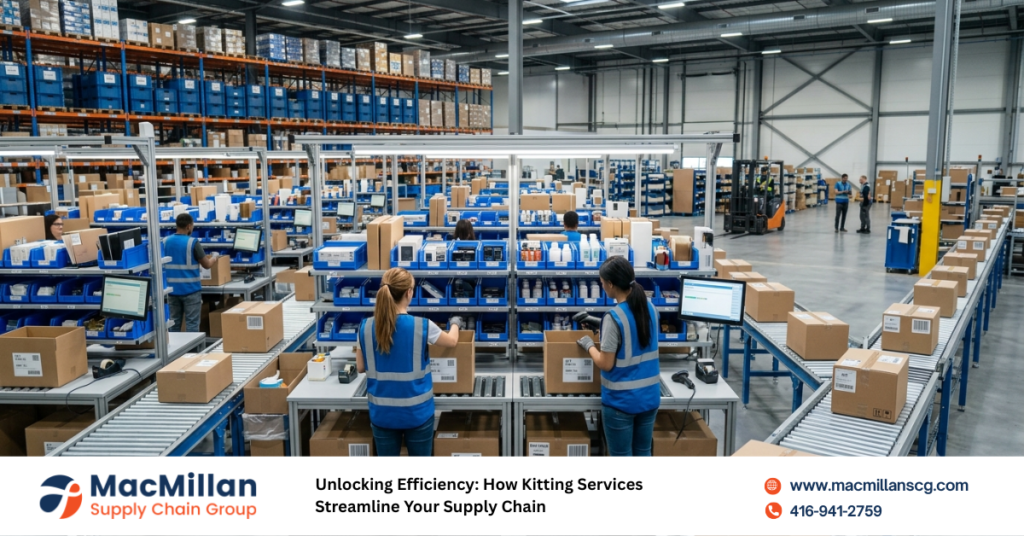
A Quick Summary and Overview Kitting services are a powerful tool in modern supply chain management, offering businesses a way to streamline operations, reduce costs, and improve customer satisfaction. By pre-assembling individual items into ready-to-ship kits, companies can significantly speed up order fulfillment and reduce packaging waste. MacMillan Supply Chain Group specializes in providing comprehensive kitting solutions tailored to meet the unique needs of various industries. This article explores the benefits of kitting, its implementation process, and how partnering with MacMillan can transform your supply chain operations, ultimately leading to increased efficiency and a stronger competitive edge in today’s fast-paced market. An Introduction In today’s competitive business landscape, efficiency is key to success. One strategy that’s gaining traction in supply chain management is kitting – the process of grouping, packaging, and shipping related items together as one unit. This approach offers numerous benefits, from streamlined inventory management to faster order fulfillment and enhanced customer experience. As businesses strive to optimize their operations, understanding and implementing kitting services can be a game-changer. MacMillan Supply Chain Group, with its extensive expertise and state-of-the-art facilities, is at the forefront of providing innovative kitting solutions. In this article, we’ll delve into the world of kitting, exploring its advantages, implementation strategies, and how MacMillan’s services can revolutionize your supply chain operations. Whether you’re a small business owner or a large corporation, discover how kitting can propel your business towards greater efficiency and success. Understanding Kitting and Its Benefits Kitting is the process of assembling individual items into a single package or “kit” for distribution. This strategy offers numerous advantages for businesses across various industries. Firstly, kitting significantly improves inventory management. By pre-assembling frequently ordered combinations of products, companies can reduce storage space requirements and simplify stock tracking. This leads to lower warehouse costs and decreased risk of stockouts or overstock situations. Secondly, kitting enhances order fulfillment efficiency. Instead of picking and packing individual items for each order, workers can simply grab pre-assembled kits, dramatically reducing processing time and labor costs. This efficiency translates to faster shipping times, a crucial factor in meeting customer expectations in today’s fast-paced e-commerce environment. Moreover, kitting can lead to substantial cost savings in packaging and shipping. By consolidating multiple items into a single package, businesses can reduce packaging material usage and optimize shipping space, potentially lowering transportation costs. Lastly, kitting improves the customer experience. Receiving a neatly packaged kit with all necessary components not only creates a positive unboxing experience but also reduces the likelihood of missing or incorrect items, thereby enhancing customer satisfaction and reducing return rates. MacMillan Supply Chain Group’s expertise in kitting services helps businesses harness these benefits, offering tailored solutions to optimize supply chain operations and drive growth. Implementing Kitting in Your Supply Chain Implementing kitting in your supply chain requires careful planning and execution. The first step is to analyze your product range and order patterns to identify which items are frequently ordered together or could benefit from being bundled. This data-driven approach ensures that your kitting strategy aligns with customer demand and operational efficiency. Next, consider the logistics of your kitting operation. This includes designing an efficient workspace for kit assembly, establishing quality control measures, and training staff on new procedures. It’s crucial to balance the cost of implementing kitting against the potential savings and benefits. Inventory management systems play a vital role in successful kitting implementation. Your system should be able to track both individual components and completed kits, ensuring accurate stock levels and seamless order fulfillment. MacMillan Supply Chain Group offers comprehensive support throughout the implementation process. Our team of experts can help you: Analyze your product range and order data Design efficient kitting workflows Set up inventory management systems Train your staff on best practices By partnering with MacMillan, you can leverage our years of experience and cutting-edge technology to seamlessly integrate kitting into your supply chain. Our solutions are scalable, allowing you to start small and expand your kitting operations as you see results, ensuring a smooth transition and maximizing the benefits for your business. Maximizing Efficiency with Advanced Kitting Techniques To truly unlock the potential of kitting, businesses must go beyond basic implementation and explore advanced techniques. One such approach is dynamic kitting, where kits are assembled in real-time based on current orders rather than pre-assembled. This method offers greater flexibility and can be particularly beneficial for businesses with a wide range of products or frequent changes in demand. Another advanced technique is modular kitting, where base kits can be customized with additional components to meet specific customer requirements. This approach balances the efficiency of standardized kits with the flexibility of customization, catering to diverse customer needs without sacrificing operational efficiency. MacMillan Supply Chain Group stays at the forefront of these advanced kitting techniques. Our state-of-the-art facilities are equipped with the latest technology, including automated kitting systems and advanced inventory management software. These tools enable us to offer: High-speed, accurate kit assembly Real-time inventory tracking and replenishment Customizable kitting solutions to meet unique business needs Scalable operations to handle fluctuating demand By leveraging these advanced techniques and technologies, MacMillan helps businesses push the boundaries of what’s possible with kitting. Whether you’re looking to implement basic kitting or explore cutting-edge solutions, our team can design a strategy that maximizes efficiency and drives your business forward. Measuring the Impact of Kitting on Your Business To ensure the success of your kitting strategy, it’s crucial to measure its impact on your business. Key performance indicators (KPIs) can help you quantify the benefits and identify areas for improvement. Some important metrics to track include: Order fulfillment time: Compare the time taken to process orders before and after implementing kitting. Labor costs: Measure the reduction in labor hours required for order processing. Shipping costs: Analyze changes in packaging and transportation expenses. Inventory turnover rate: Monitor how kitting affects your inventory management efficiency. Customer satisfaction: Track changes in customer feedback and return rates. MacMillan Supply Chain Group provides comprehensive reporting and analytics services to help you monitor these KPIs effectively. Our advanced
Revolutionizing Supply Chain Management: The Power of Warehouse Management Systems (WMS)
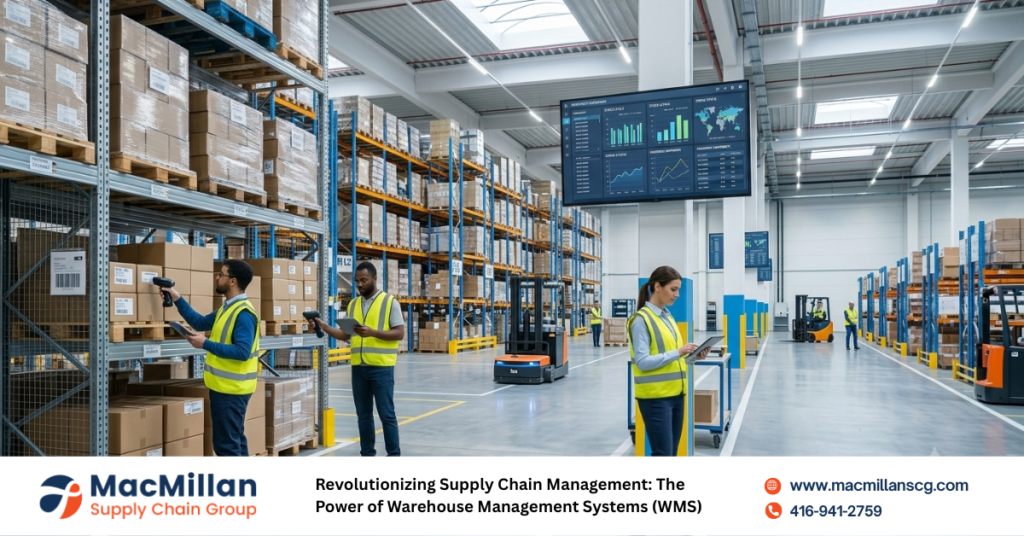
A Quick Summary Warehouse Management Systems (WMS) are revolutionizing supply chain operations by streamlining processes, enhancing inventory accuracy, and improving order fulfillment. This comprehensive guide explores the key features and benefits of WMS, implementation strategies, and how partnering with MacMillan Supply Chain Group can elevate your logistics game. Discover how WMS can transform your warehouse operations and drive business growth. An Introduction In today’s fast-paced business environment, efficient warehouse management is crucial for staying competitive. Enter the Warehouse Management System (WMS) – a powerful tool that’s reshaping the logistics landscape. At MacMillan Supply Chain Group, we’ve seen firsthand how WMS can transform operations, boost productivity, and enhance customer satisfaction. This article delves into the world of WMS, exploring its features, benefits, and implementation strategies to help you make informed decisions for your supply chain success. What is a Warehouse Management System (WMS)? A Warehouse Management System (WMS) is a software solution designed to optimize and streamline warehouse operations. It acts as the central nervous system of your warehouse, coordinating and managing various activities from inventory tracking to order fulfillment. Unlike traditional manual methods, a WMS provides real-time visibility into your warehouse operations, allowing for more accurate decision-making and improved efficiency. Key features of a WMS typically include: – Real-time inventory tracking – Order management and fulfillment – Labor management and task allocation – Reporting and analytics – Integration with other supply chain systems By automating many warehouse processes, a WMS reduces human error, increases accuracy, and allows for more strategic use of resources. It’s not just about storing products; it’s about optimizing every aspect of warehouse operations to meet the demands of modern commerce. Benefits of Implementing a Warehouse Management System Implementing a WMS can bring transformative benefits to your supply chain operations. Here are some key advantages: Improved Inventory Accuracy: WMS provides real-time tracking, reducing discrepancies and stock-outs. Enhanced Productivity: Automated processes and optimized picking routes increase operational efficiency. Better Space Utilization: WMS can suggest optimal storage locations, maximizing warehouse space. Reduced Labor Costs: By streamlining operations, WMS can help reduce labor requirements and associated costs. Increased Customer Satisfaction: Faster, more accurate order fulfillment leads to happier customers. Data-Driven Decision Making: Robust reporting and analytics features provide insights for continuous improvement. Scalability: WMS can grow with your business, accommodating increased volumes and complexity. These benefits collectively contribute to a more efficient, cost-effective, and competitive supply chain operation. At MacMillan Supply Chain Group, we’ve seen clients achieve significant ROI through strategic WMS implementation. Key Features to Look for in a WMS When selecting a WMS, it’s crucial to choose one that aligns with your specific business needs. Here are some essential features to consider: Inventory Management: Look for systems offering real-time tracking, cycle counting, and ABC analysis capabilities. Order Fulfillment: Ensure the WMS can handle various order types and support multiple picking methods. Receiving and Putaway: Seek features like barcode scanning, cross-docking, and automated storage location assignment. Reporting and Analytics: Robust reporting tools are crucial for performance monitoring and optimization. Mobile Accessibility: A mobile-friendly WMS allows for greater flexibility and real-time updates on the warehouse floor. Integration Capabilities: The WMS should easily integrate with your existing ERP, TMS, and other supply chain systems. Customization Options: Look for a WMS that can be tailored to your unique workflows and processes. Scalability: Ensure the system can grow with your business and handle increased complexity over time. At MacMillan Supply Chain Group, we work closely with clients to identify the most suitable WMS features for their specific needs, ensuring a solution that drives tangible results. Implementing a WMS: Best Practices and Considerations Implementing a WMS is a significant undertaking that requires careful planning and execution. Here are some best practices to ensure a successful implementation: Define Clear Objectives: Establish specific goals for your WMS implementation, such as improving inventory accuracy or reducing order fulfillment times. Involve Key Stakeholders: Engage warehouse staff, IT teams, and management throughout the process to ensure buy-in and address concerns. Choose the Right Partner: Select a WMS provider with experience in your industry and a track record of successful implementations. Plan for Data Migration: Ensure your existing data is clean and properly formatted before migrating to the new system. Provide Comprehensive Training: Invest in thorough training for all users to maximize the system’s benefits. Start with a Pilot: Consider implementing the WMS in phases, starting with a pilot program to identify and address issues early. Monitor and Optimize: Continuously track KPIs and gather feedback to optimize the system post-implementation. By following these best practices, you can minimize disruptions and maximize the benefits of your WMS implementation. Common Problems with Warehouse Management Systems While WMS can bring significant benefits, there are potential challenges to be aware of: High Initial Costs: The upfront investment for WMS implementation can be substantial. Resistance to Change: Employees may resist adopting new technologies and processes. Integration Issues: Difficulties in integrating WMS with existing systems can cause operational disruptions. Complexity: Some WMS solutions may be overly complex for smaller operations. Data Accuracy: The system is only as good as the data it receives, making data integrity crucial. Customization Limitations: Off-the-shelf solutions may not fully meet unique business needs. Our Solutions At MacMillan Supply Chain Group, we address these challenges head-on: Cost-Effective Solutions:We offer scalable WMS options to fit various budgets and provide ROI analysis to justify the investment. Change Management Support: Our team provides comprehensive training and support to ensure smooth adoption. Seamless Integration: We specialize in integrating WMS with existing systems, minimizing disruptions. Tailored Complexity: We match the WMS complexity to your operational needs, avoiding unnecessary features. Data Management: We implement robust data validation processes to ensure accuracy. Customization Services: Our team can customize WMS solutions to meet your specific requirements. Moreover, we offer ongoing support and optimization services to ensure your WMS continues to deliver value long after implementation. Our expertise in supply chain management allows us to provide holistic solutions that address not just technology needs but also process improvements and strategic planning. How Can Readers Avoid Problems or Implement Solutions To avoid common WMS pitfalls and ensure successful implementation, consider the following steps: Conduct a thorough needs assessment to identify your specific requirements. Research