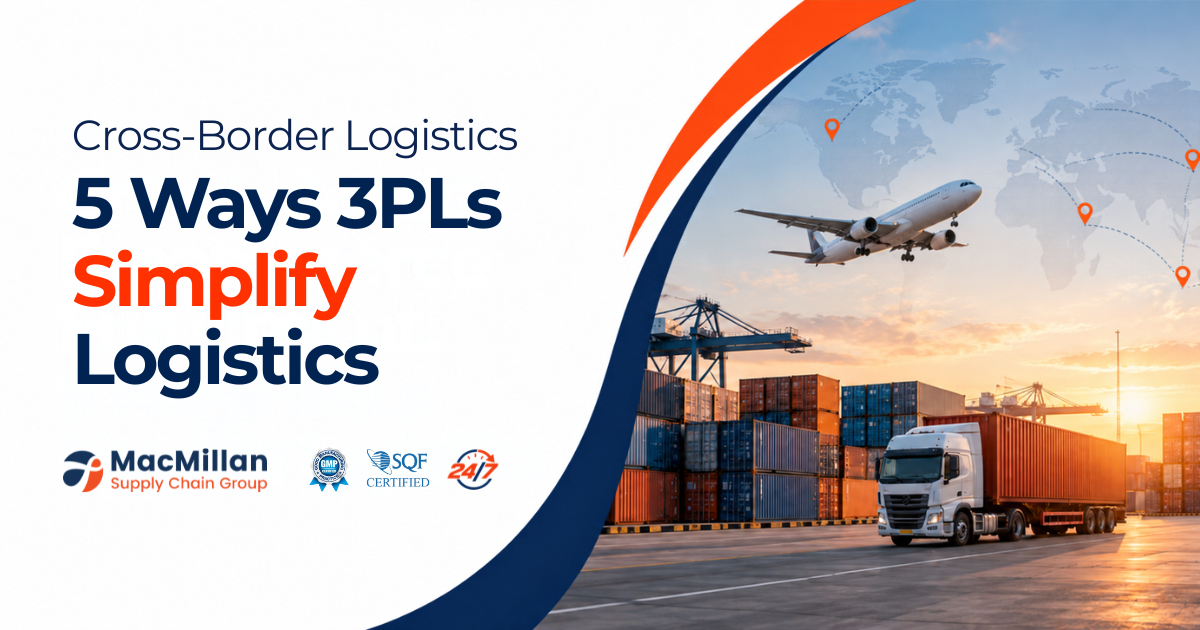
Cross-Border E-commerce Fulfillment: 5 Ways 3PLs Simplify Logistics
As the world becomes more interconnected, cross-border e-commerce has become…
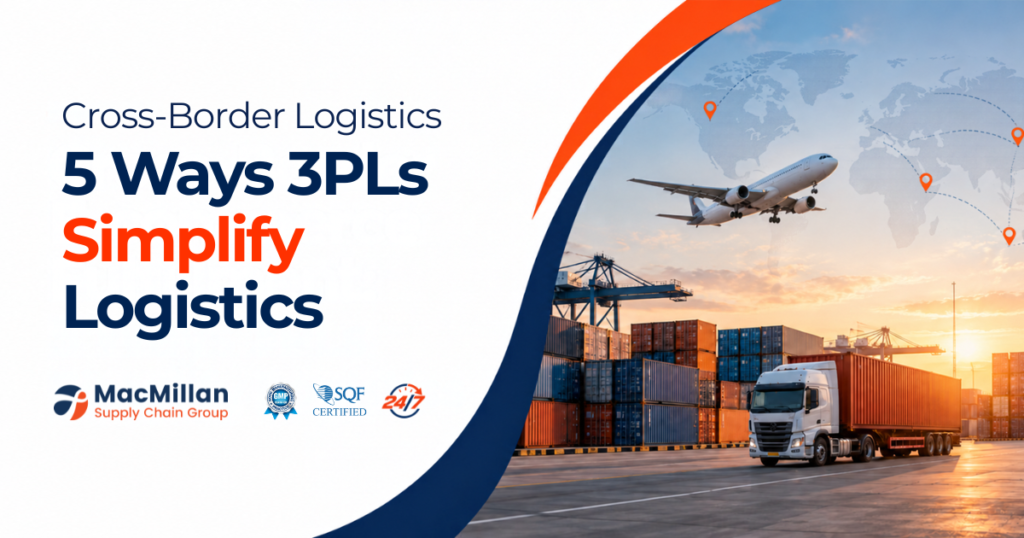
As the world becomes more interconnected, cross-border e-commerce has become…
Why do some brands seem to have a secret formula…
Ontario’s Blue Box system entered full producer responsibility on January…
Why do some brands seem to have a secret formula…
As the world becomes more interconnected, cross-border e-commerce has become a major growth area, presenting substantial opportunities for businesses to extend their operations beyond local markets. Nonetheless, this field comes with its own set of complexities.
As companies strive to tap into the lucrative opportunities of cross-border e-commerce, they often confront various logistical challenges that impede their progress and impact their bottom line.
The global cross-border e-commerce market, expected to surpass $1 trillion, is thriving, with a compound annual growth rate (CAGR) of 12.54% in logistics. However, this growth brings challenges, including increased competition, evolving trading laws, and the need to manage a proliferating range of stock-keeping units (SKUs). In the past year, most supply chain executives reported substantial impacts on their supply chains, highlighting the pressing need for effective solutions.
Addressing these challenges is not just about mitigating risks; it’s about capitalizing on opportunities. This blog will discuss the top challenges businesses face in cross-border e-commerce fulfillment and how 3PLs can help to tackle these challenges. We aim to guide businesses in developing an effective cross-border e-commerce plan, simplifying what can often be a complex journey to international
Cross-border e-commerce fulfillment rapidly transforms the retail landscape, presenting unique opportunities for Canadian businesses and consumers. For Canadian consumers, cross-border e-commerce means purchasing goods from online retailers outside Canada.
This trend is gaining momentum, with a significant portion of Canadians participating in international online shopping annually, drawn to the diverse range of global products and brands.
By 2027, the value of international e-commerce, encompassing both B2B and B2C sectors, is projected to surpass US$3.5 trillion.
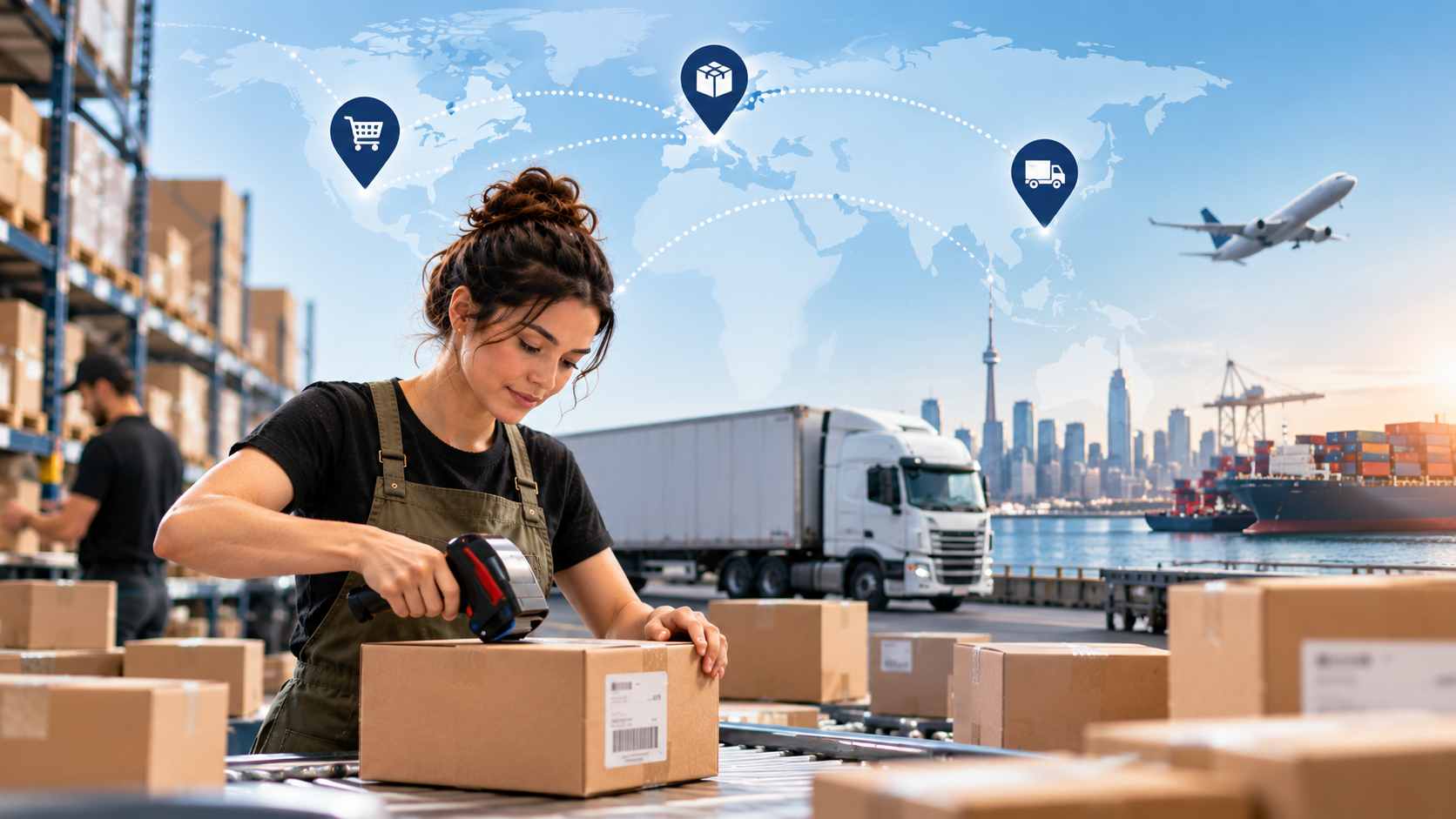
Canadian businesses have much to gain from cross-border e-commerce fulfillment. Below, we explore the benefits of cross-border e-commerce fulfillment:
Cross-border e-commerce fulfillment presents a promising avenue for Canadian businesses to expand their reach, increase profitability, and establish a strong global brand presence. As this sector grows, embracing its potential can be a game-changer for the Canadian retail industry, offering pathways to international success and market diversification.
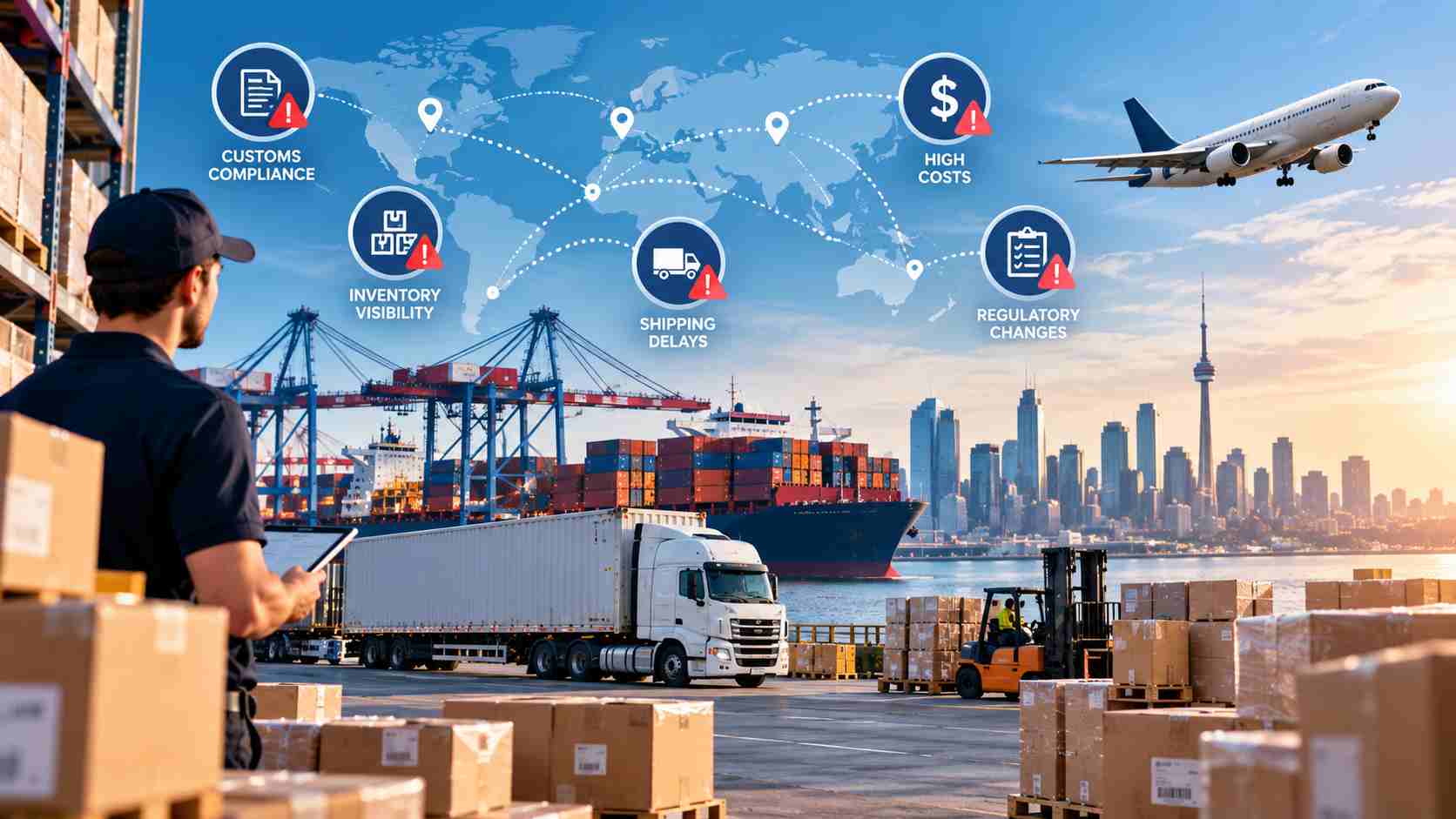
In cross-border e-commerce, manufacturers and businesses face various logistical challenges that hinder their operations and customer satisfaction. With the rise in global e-commerce activities, addressing these issues efficiently is crucial for maintaining a competitive edge and ensuring a smooth workflow.
Below are the significant challenges encountered in cross-border e-commerce fulfillment and insights into how automation and smart solutions can provide effective remedies.
Traditional manual bidding and negotiations often lead to inconsistencies in costs and time wastage, affecting the pace of goods movement and contract fulfillment. Automation platforms streamline this process, offering faster shipping times and cost-effective solutions.
The conventional approach to document management is prone to errors and delays, with potential impacts on delivery timelines. Digital freight management solutions offer secure digital document storage, enhancing efficiency and reducing physical dependencies.
Unforeseen expenses like detention and demurrage charges can significantly impact a business’s finances. Smart freight management software provides predictive alerts to minimize these costs and prevent breaches in delivery service level agreements (SLAs).
A lack of complete supply chain visibility affects planning and customer experience. Advanced systems offer real-time tracking and AI-driven predictive ETAs, improving transparency and operational planning.
Traditional tracking methods are often inefficient, leading to poor customer service. Modern freight management platforms offer automated notifications and updates, enhancing the customer experience.
Many businesses struggle with insufficient historical data for informed decision-making. AI-powered freight management systems facilitate efficient logistics planning and improve various aspects of the supply chain.
Different countries have varied customs regulations, creating a complex business environment. Automated solutions help us understand and comply with these diverse regulations, reducing delays and extra costs.
Coordinating shipments with multiple carriers across borders is challenging, compounded by the difficulty of tracking packages internationally. Automation helps streamline these processes for more efficient delivery.
Managing inventory in multiple countries is crucial to avoid stockouts and delays, especially for perishable or seasonal products. Integrated systems provide real-time inventory visibility.
Integrating Technologies:
Management and shipping systems are essential but complex. Seamless integration, facilitated by advanced technology, ensures efficient order fulfillment and operational coherence.
Navigating the challenges of cross-border e-commerce fulfillment requires a strategic approach, combining smart automation and innovative logistics solutions. By addressing these key hurdles, businesses can enhance their operational efficiency, improve customer satisfaction, and stay ahead in the competitive landscape of global e-commerce.
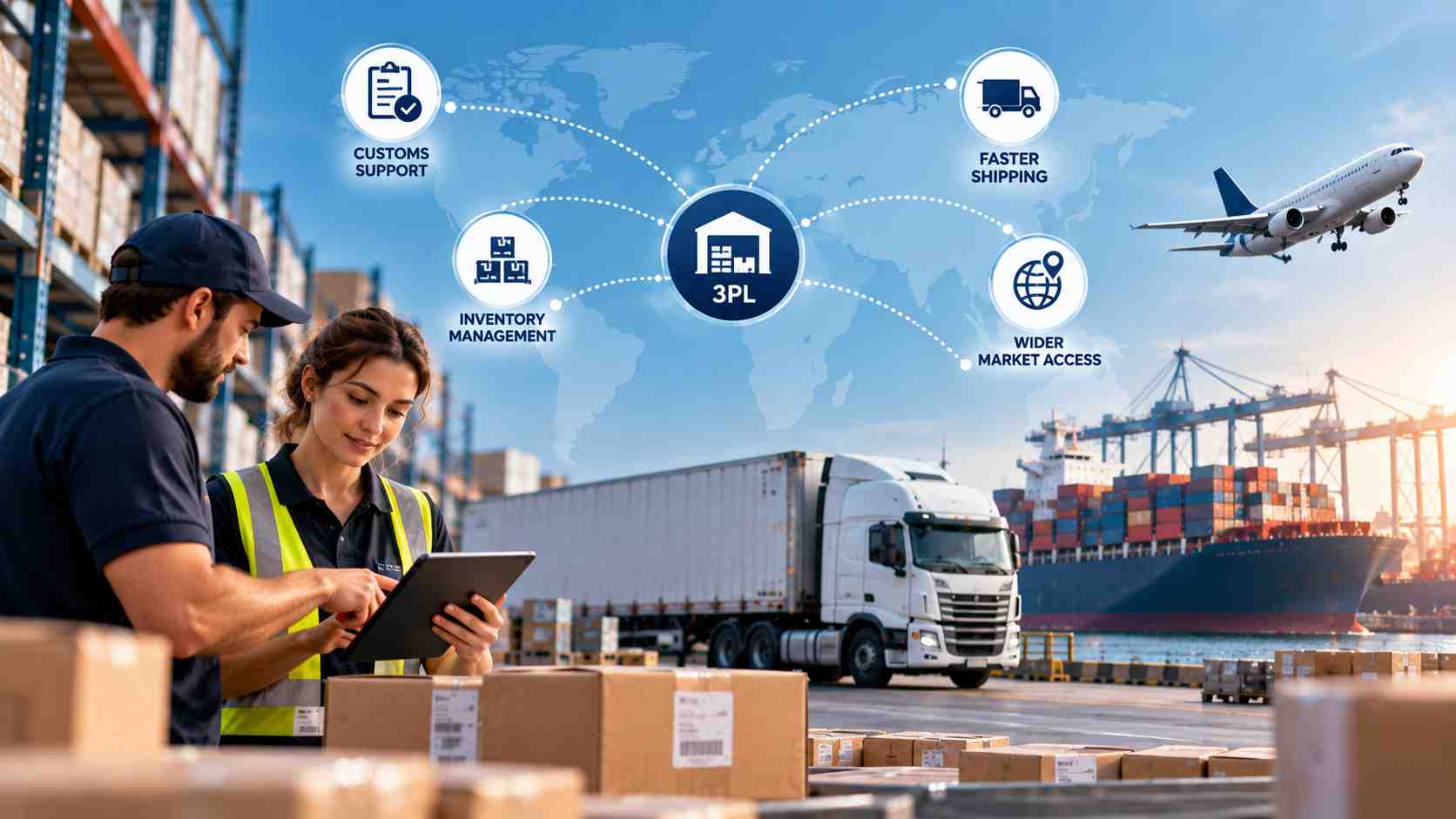
Navigating the complexities of cross-border e-commerce can be daunting, especially regarding logistics and shipping. This is where a third-party logistics partner comes into play, offering a streamlined solution for businesses looking to expand internationally without the added stress.
Understanding how a 3PL partner, such as Macmillan, can help overcome these challenges is key to successful global e-commerce operations. A 3PL partner provides specialized logistics services, encompassing warehousing, picking, packing, and shipping.
In cross-border e-commerce, they handle the logistical complexities on your behalf. This means they take care of storing your products, preparing them for shipment, and managing the delivery process, simplifying international sales for your business.
The logistics of shipping products internationally can be overwhelming due to various regulations, customs procedures, and the need for efficient transportation. A 3PL partner like Macmillan navigates these challenges effectively. They have the expertise and resources to handle customs clearance, manage freight forwarding, and ensure compliance with international shipping laws, thus speeding up the shipping process.
Utilizing a 3PL provider can save significantly. They often have pre-negotiated, volume-based contracts with carriers, which means lower shipping costs for your business. Additionally, you avoid the hefty investment required to establish and maintain your warehouse, as 3PL services include warehousing solutions.
A 3PL partner expands your delivery capabilities. With their established network, you can offer your customers various delivery options, including faster shipping times. This flexibility can improve customer satisfaction and help your e-commerce business stand out in competitive international markets.
With a 3PL partner like Macmillan, you can expect secure and reliable operations. They have the necessary infrastructure, technology, and expertise to ensure your products are stored safely and shipped securely. This reliability is crucial in maintaining the integrity of your products throughout the shipping process.
Perhaps the most significant advantage of partnering with a 3PL provider is the freedom it gives you to concentrate on your core business activities. While the 3PL handles the logistical aspects, you can focus on building and expanding your e-commerce store, creating marketing strategies, and enhancing customer relationships.
Partnering with a 3PL provider like Macmillan can be a strategic move for businesses venturing into cross-border e-commerce. It simplifies the logistics and shipping process and provides cost efficiency, reliability, and the opportunity to focus on scaling your business. With the logistical challenges expertly managed, you can direct your efforts toward growing your e-commerce presence in the global marketplace.
In the dynamic world of cross-border e-commerce, leveraging the expertise of a seasoned third-party logistics (3PL) provider is key to overcoming logistical complexities. It’s essential for businesses to partner with a 3PL that not only has a proven history of success but also deeply understands the specific needs of your business and is adept at navigating varying regulatory environments. Keeping abreast of changes in customs regulations is vital for maintaining compliance and maximizing the benefits of cross-border trade.
MacMillan, a leading Canadian third-party logistics provider, offers the expertise and solutions to simplify this process for your business, paving the way for successful and streamlined cross-border e-commerce operations.
Explore MacMillan’s e-commerce fulfillment services and unlock the full potential of your e-commerce operations with a trusted, efficient logistics partner.