Black Friday Fulfillment Canada: 2026 Peak Season Guide
Black Friday Fulfillment Canada: How E-commerce Brands Can Prepare for…

Black Friday Fulfillment Canada: How E-commerce Brands Can Prepare for…

When discussing e-commerce, what typically springs to mind? Most likely,…
As the busiest time of the year draws near, the…
As the busiest time of the year draws near, the…
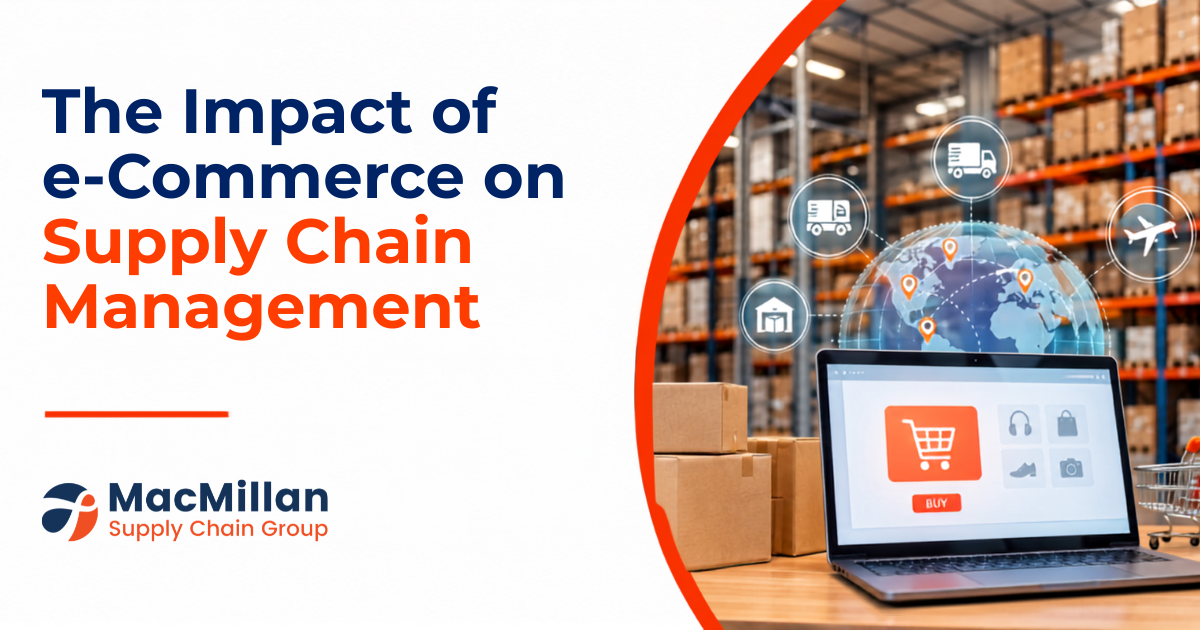
In recent years, the landscape of commerce has experienced a shift with the advent of e-commerce, changing business operations.
This transformation is particularly pronounced in supply chain management. As online shopping demand continues to grow, supply chains have been forced to adapt and evolve to meet the demands of this new era.
In this article, we will explore the significant impact of e-commerce on supply chain management, highlighting the key changes and strategies that have emerged in response.
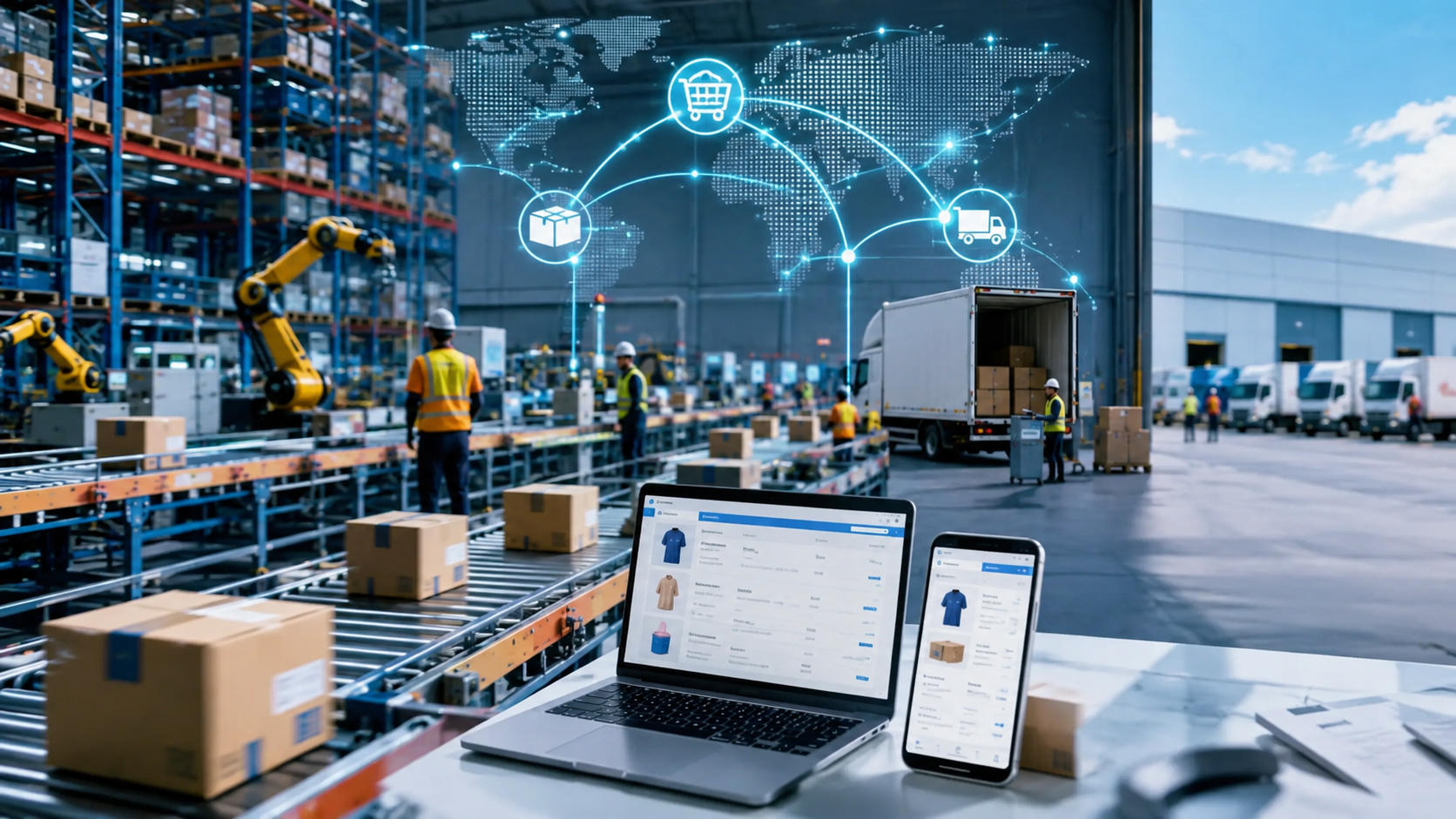
Traditionally, supply chains were structured to move goods from manufacturers to physical retail stores on a predictable schedule, with inventory levels managed based on historical sales data.
However, the rapid growth of e-commerce has completely disrupted this model. Factors include:

E-commerce customers expect fast delivery, prompting supply chains to become more agile and responsive.
This shift has led to the rise of same-day and next-day delivery options, requiring more efficient inventory management and transportation logistics.
E-commerce has blurred the lines between online and offline retail.
Many businesses now operate in an omnichannel environment, where customers can purchase items online, in-store, or through a mobile app.
This integration across various channels ensures consistency and accuracy in inventory levels and order fulfillment.
With the ability to shop online 24/7, customers expect a wide selection of products.
Supply chains must efficiently manage inventory to meet this demand without overstocking or understocking. Data analytics and demand forecasting have become essential tools in this process.
MacMillan provides real-time visibility and demand forecasting trends to help you optimize operations.
The last mile of delivery, from the distribution center to the customer’s doorstep, has become one of the most challenging aspects of supply chain management.
E-commerce companies are exploring innovative solutions, including drone and autonomous vehicle deliveries, to address this challenge efficiently.
E-commerce has heightened the need for transparency in supply chains.
Blockchain technology and other traceability solutions are being employed to provide this information.
As e-commerce grows, so do concerns about its environmental impact.
Supply chain management is increasingly focused on sustainability, with companies exploring greener transportation options and eco-friendly packaging.
Online shopping platforms like Amazon and eBay have provided consumers with unprecedented convenience, allowing them to purchase everything from groceries to high-end electronics from the comfort of their homes.
This shift in consumer behavior has demanded a significant transformation in logistics and supply chain operations.
So, what exactly is the impact of e-Commerce on logistics? In essence, it triggers a chain reaction of changes across the entire supply chain.
Let’s delve deeper into these transformative effects.
Unlike traditional marketing strategies, which relied heavily on physical stores and had limited reach, the digital era has revolutionized marketing approaches.
Online advertisements, social media marketing, and personalized recommendations are now integral components of the e-commerce experience.
E-commerce companies, driven by data analytics and AI, harness consumer data to offer tailor-made product recommendations and targeted marketing campaigns.
This data-driven approach not only boosts sales but also streamlines logistics operations.
MacMillan predicts consumer behavior and demand based on historical tracking and analysis to optimize their supply chains, leading to cost savings and increased efficiency.
Moreover, e-commerce platforms have become marketing powerhouses, providing a platform for third-party sellers and creating a vast marketplace.
A strong online presence is equally critical to not only survive but to excel in this increasingly competitive digital realm.
This is where digital marketing becomes the catalyst for success.
Without a robust digital marketing strategy, even the most efficient logistics can fall short in the quest to capture and retain customers in the vast and dynamic world of eCommerce.
Here are some challenges in supply chains:

Identifying and reaching the right audience can be intricate in logistics, as customers may range from individual consumers to global corporations.
Tailoring marketing efforts to each segment is demanding and requires a nuanced approach.
The logistics sector generates vast amounts of data.
If not efficiently managed, this data can lead to inefficiencies and missed opportunities for personalization and optimization.
Effective data management is crucial for leveraging insights and improving operations.
The digital landscape is saturated, making it challenging for logistics companies to stand out.
Achieving online visibility amid fierce competition requires strategic and innovative digital marketing efforts.
In logistics, trust is paramount.
Building and maintaining a stellar online reputation is vital, as negative feedback or public relations issues can significantly impact business.
Transparency and consistent performance are key to earning and keeping customer trust.
Navigating the complex web of regulations and compliance standards in the logistics industry while maintaining effective digital practices can be a considerable challenge.
Companies like MacMillan ensure that their supply chain strategies are aligned with regulatory requirements to avoid legal pitfalls.
E-Commerce has not only transformed the retail landscape but also revolutionized supply chain and logistics services.
Here’s how logistics has adapted to meet the demands of the digital age:
From the rise of fulfillment centers and advanced technology integration to the challenges of cross-border shipping and customer-centric approaches, the logistics industry has evolved to ensure efficiency and customer satisfaction.
Digital marketing plays a crucial role in this transformation, enhancing visibility, building trust, and promoting innovative solutions.
As the digital landscape continues to expand, the synergy between effective logistics and robust digital marketing strategies will be essential for businesses aiming to thrive in the competitive e-commerce environment.