Black Friday Fulfillment Canada: 2026 Peak Season Guide
Black Friday Fulfillment Canada: How E-commerce Brands Can Prepare for…
Black Friday Fulfillment Canada: How E-commerce Brands Can Prepare for…
When discussing e-commerce, what typically springs to mind? Most likely,…
As the busiest time of the year draws near, the…
As the busiest time of the year draws near, the…
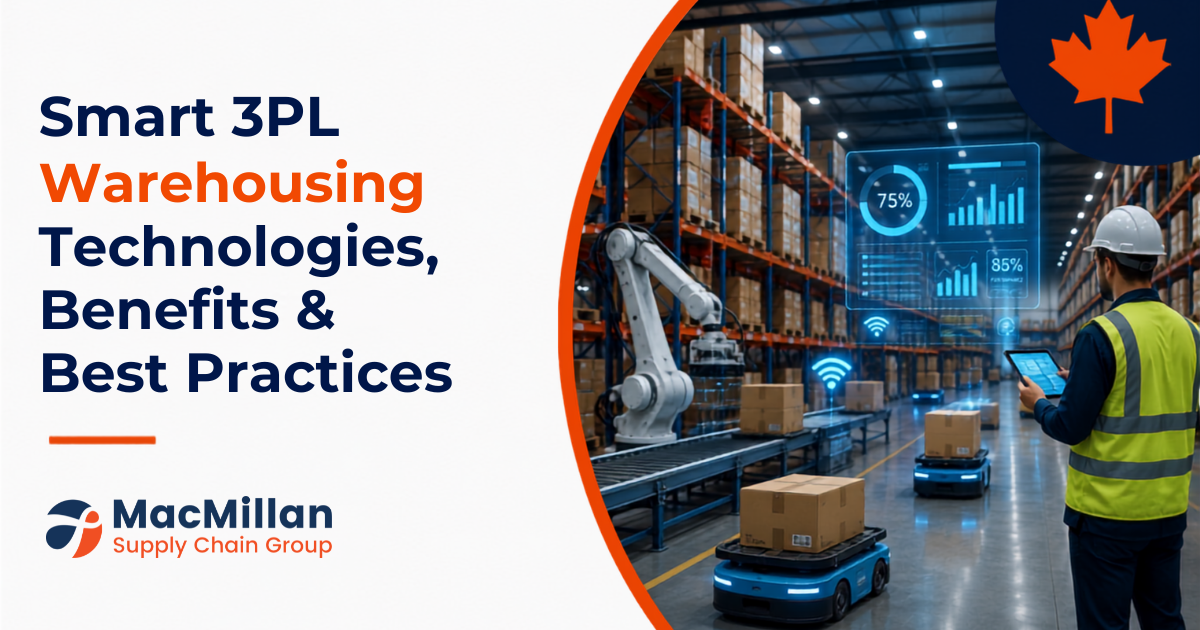
Today’s 3PL warehouses are equipped with cutting-edge tools such as robotics, logistics automation, IoT technology, and real-time inventory management software. This evolution plays a major role in smart 3PL warehousing.
Smart warehousing brings substantial value by integrating technology and automation, which enhances efficiency and reduces costs. By automating various internal processes, tracking operations in real-time, and analyzing performance, smart warehousing enables more informed supply chain decisions.
If you’re an online retailer seeking to enhance your 3PL warehousing operations, this article will delve into the concept of smart warehousing, its benefits, and best practices in the industry
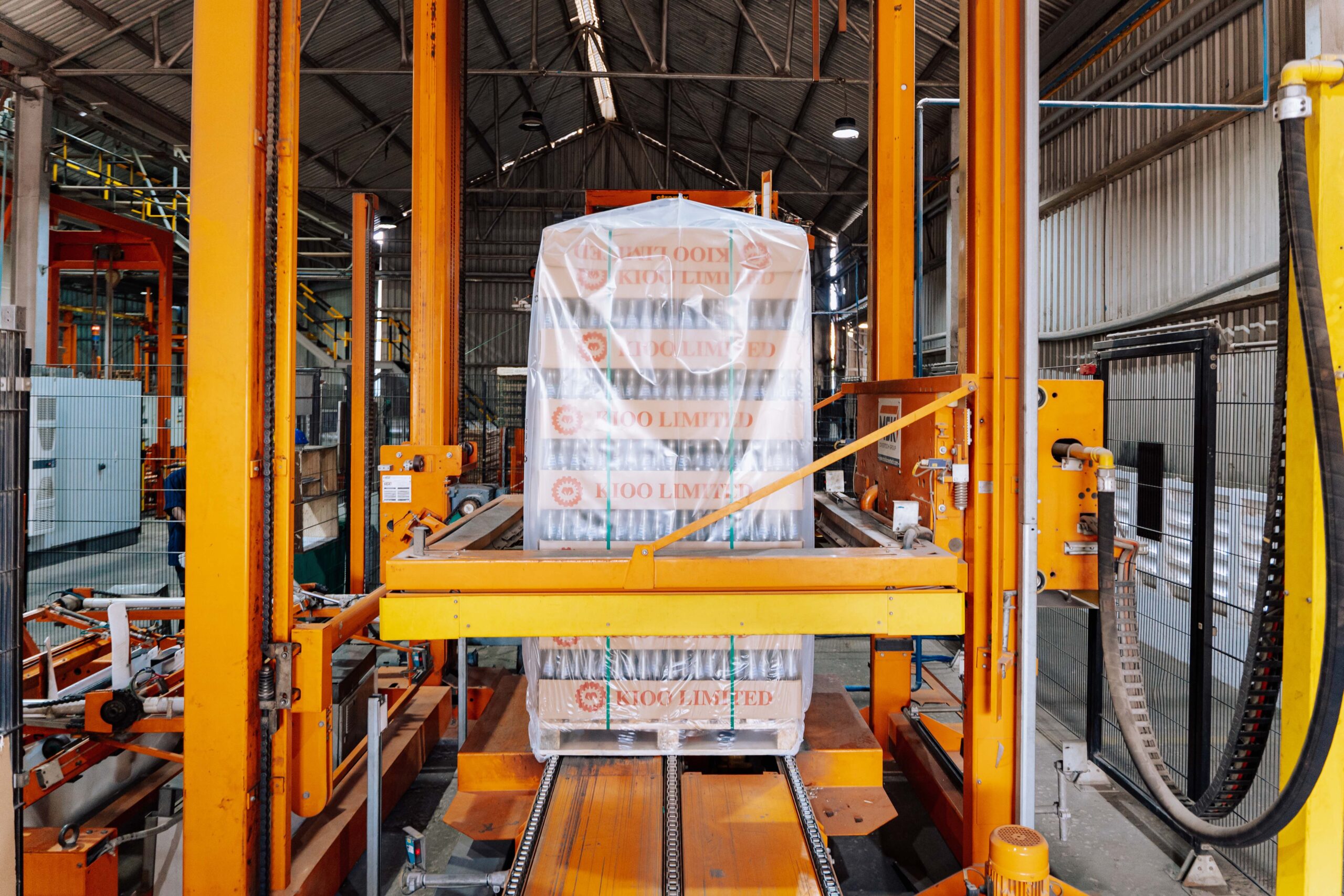
Smart 3PL warehousing refers to a warehouse or fulfillment center that leverages advanced supply chain technology and automation to streamline, accelerate, and enhance logistics operations.
By incorporating these technologies and automation, online retailers can expand their businesses, meet customer expectations, and optimize logistics costs.
By implementing smart 3PL warehousing, Macmillan’s primary objectives of smart warehousing is to improve speed, accuracy, visibility, and transparency within the warehouse to provide you with real-time responsiveness.
Smart warehousing revolutionizes logistics operations, allowing online retailers to expand their businesses while maintaining transparency and control over their warehouses.
Here are some key benefits of investing in smart 3PL warehousing to grow your online presence:
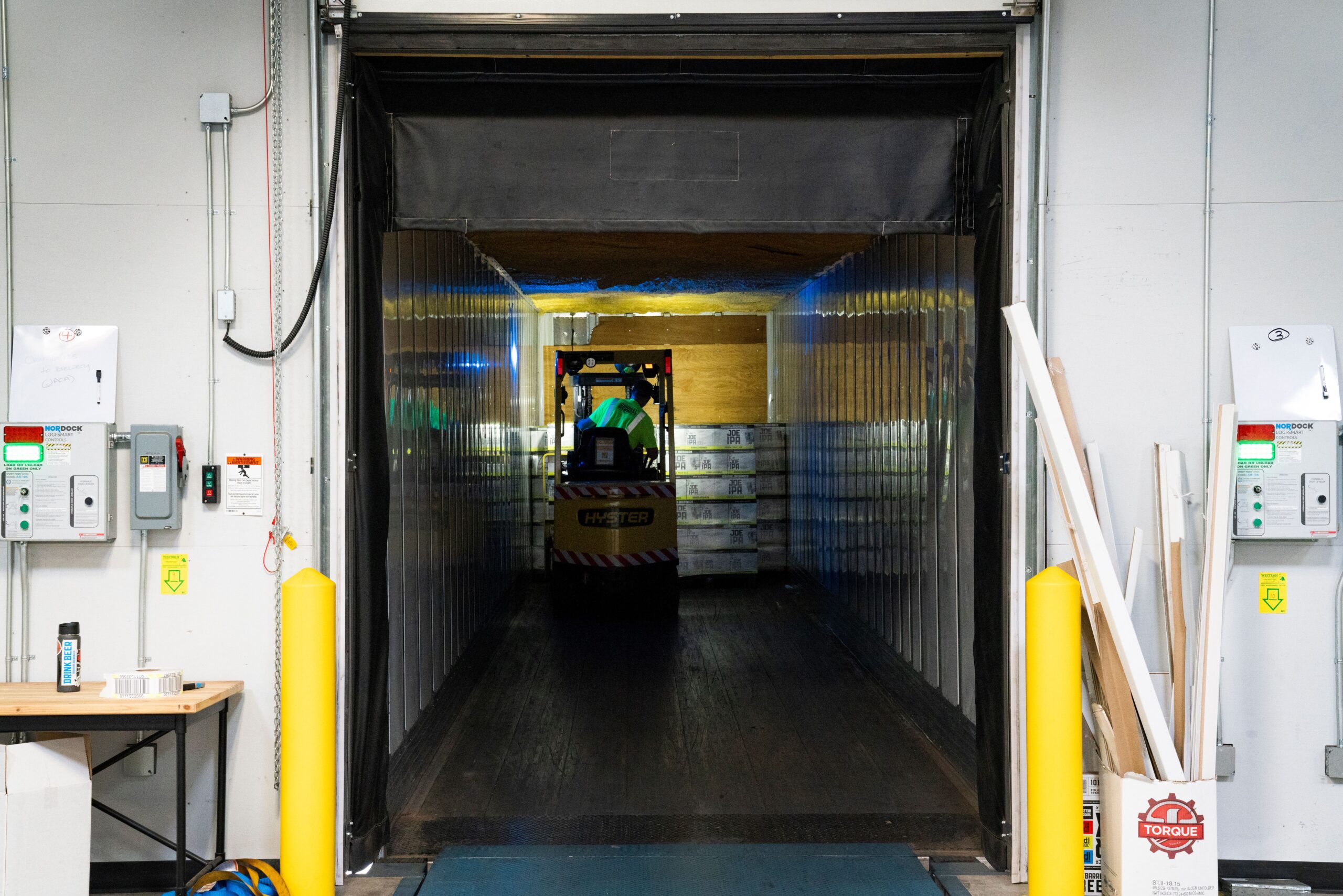
Improved Operational Efficiency: Automation and advanced technology streamline processes, reducing manual labor and minimizing errors.
Enhanced Inventory Management: Real-time tracking and data analytics provide accurate inventory insights, preventing stockouts and overstock situations.
Faster Order Fulfillment: Automated systems speed up order processing, ensuring quicker delivery times and higher customer satisfaction.
Cost Reduction: Optimized logistics operations lead to lower operational costs and increased profitability.
Scalability: Smart warehousing solutions are adaptable, allowing businesses to scale operations seamlessly as they grow.
Real-Time Data Reports: automatically collect and aggregate data from across your logistics network. This provides valuable insights into performance and real-time inventory levels.
Rapidly expanding online brands managing their own warehouses must be willing to experiment with modern technologies like AI, robotics, and automated guided vehicles to get smart 3PL warehousing rights.
In this guide, we delve into essential smart warehousing tips, tricks, and technologies that are shaping the future of the logistics industry.
1. Warehouse Robotics
Warehouse robotics are often the first innovation that comes to mind in logistics. They enhance order accuracy, boost productivity, and reduce labor costs, allowing your team to focus on optimizing operations instead of being bogged down by tedious tasks.
Warehouse Robotics in Action:
2. Artificial Intelligence
Artificial intelligence (AI) leverages supply chain data to predict potential crises and enable intelligent decision-making, transforming warehouse operations.
Artificial Intelligence in Action:
3. Warehouse Management Systems (WMS)
A distributed inventory model, which involves storing inventory in multiple locations to reduce shipping costs and speed up transit times, requires a robust warehouse management system.
A WMS centralizes logistics operations, enabling seamless tracking of inventory and ensuring that goods are stored, picked, packed, and shipped efficiently. MacMillan uses WMS integration with your systems to manage zero error rates and tracking.
4. Setting Reorder Points
Balancing inventory levels is crucial, too much inventory increases carrying costs, while too little can lead to stockouts. To effectively manage restocking amidst fluctuating demand, supplier deliveries, and logistics issues, smart warehousing techniques can be essential.
Utilizing an inventory tracking system that allows for automatic reorder point notifications can optimize inventory levels. By analyzing first-mile delivery timelines and inventory turnover rates, you can make informed decisions on when to restock using the reorder point formula.
For example, working with a 3PL provider like MacMillan, which has a built-in inventory management system, provides insights into delivery timelines and turnover rates, helping you set and adjust reorder points.
Reorder Point Automation in Action:
5. Automated Guided Vehicles (AGVs)
Automated guided vehicles (AGVs), including forklift AGVs, towing AGVs, and unit load handlers, enhance internal processes like storing, lifting, and stocktaking. These autonomous vehicles follow guide paths or sensors, optimizing warehousing operations.
AGVs in Action:
6. Inventory Management System
An inventory management system centralizes control over inventory variations across multiple storage centers, offering real-time tracking of SKU quantities, damage return rates, and performance metrics.
Inventory Management in Action:
Many online retailers’ partner with fulfillment providers like MacMillan to leverage real-time inventory tracking and automation without investing in infrastructure.
7. Internet of Things (IoT)
The Internet of Things (IoT) connects various devices and objects within a network, allowing seamless communication and data sharing.
Synchronizing smart warehouse technologies (WMS, sensors, conveyors, RFID tags, AGVs) and connecting them to the internet enables deep visibility and prevents data silos.
IoT in Action:
What are the best practices for smart 3pl warehousing?
Smart warehousing prevents empty shelves and costly bottlenecks, ensuring a smooth and efficient supply chain. Here are some best practices to help decision-makers fully leverage smart warehouse technology and automation solutions.

Today’s 3PL warehouses are equipped with advanced tools such as robotics, logistics automation, IoT technology, and real-time inventory management software, which are central to smart warehousing.
If you are an online retailer aiming to improve your 3PL warehousing operations, understanding and implementing smart warehousing practices is essential. This involves leveraging advanced technologies like AI, robotics, and automated guided vehicles, as well as adopting robust inventory management systems and IoT connectivity.