How to Make Big and Bulky Last-Mile Work For You
Hats off to you for always wanting to make life…
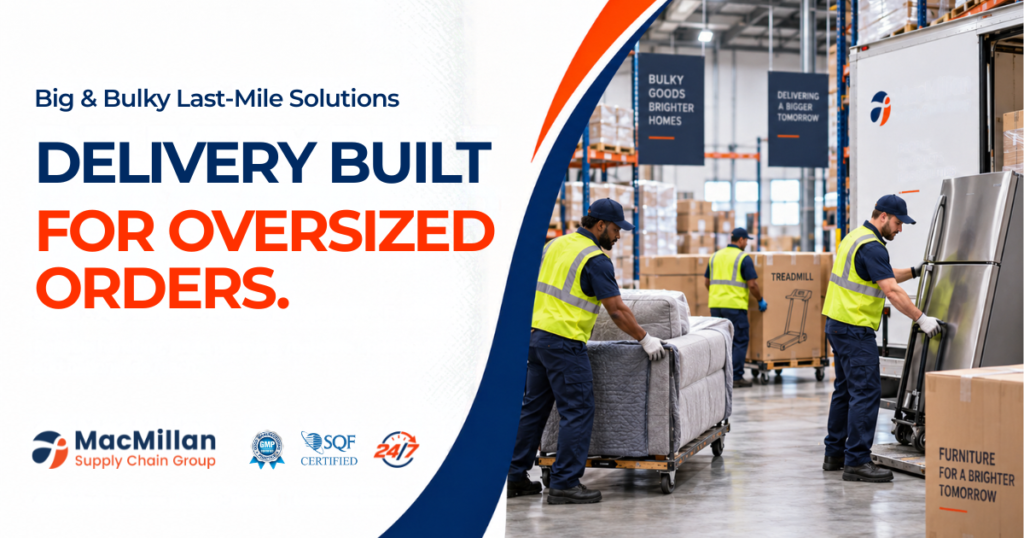
Hats off to you for always wanting to make life…
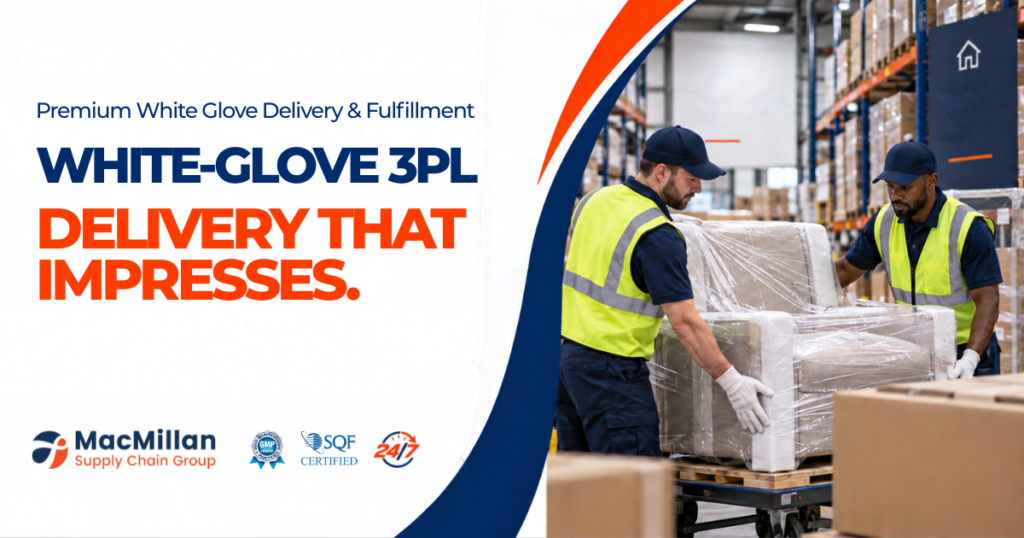
You’ve sent your product out for delivery, they’ve received it,…
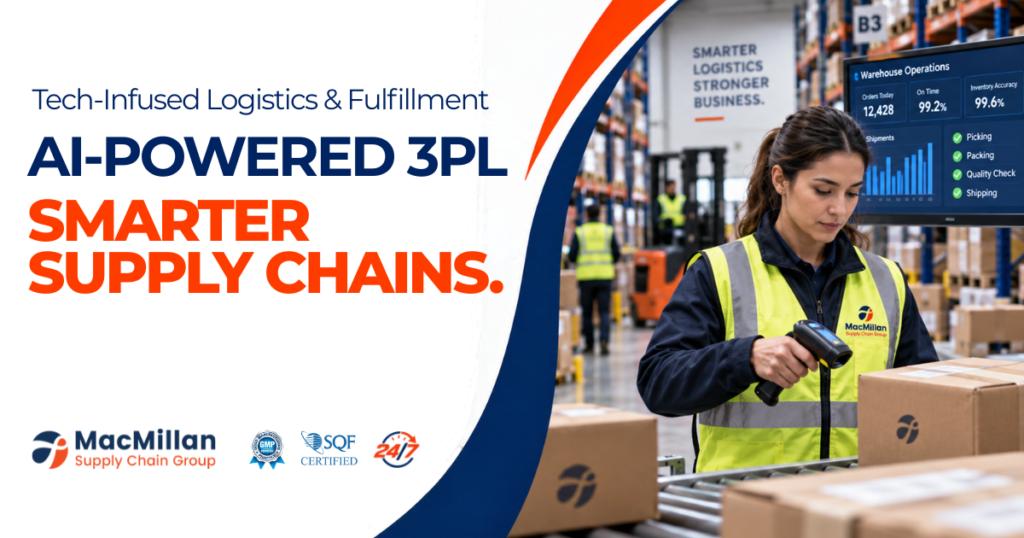
In the fast-evolving landscape of global trade and e-commerce, supply…
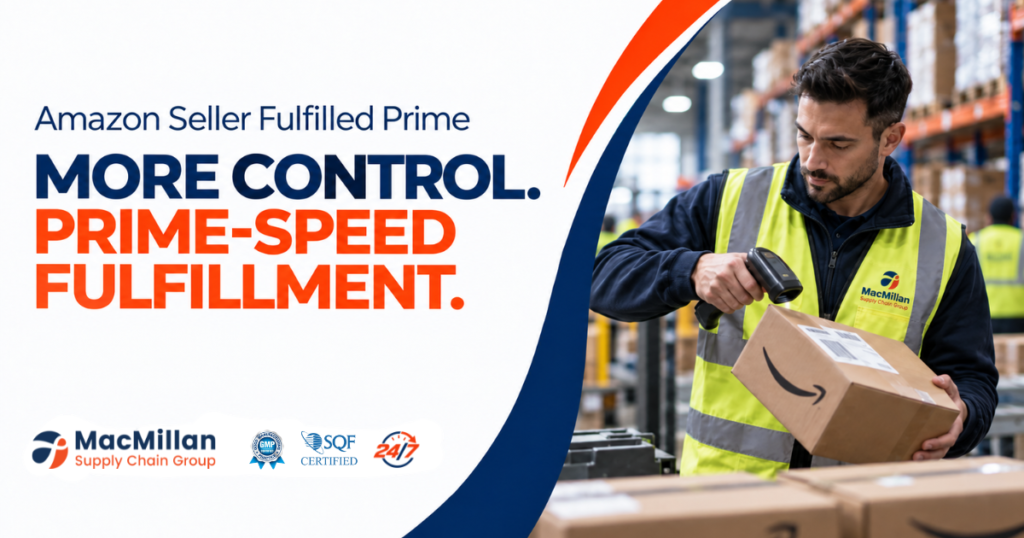
Following its success with Prime delivery and becoming the business…
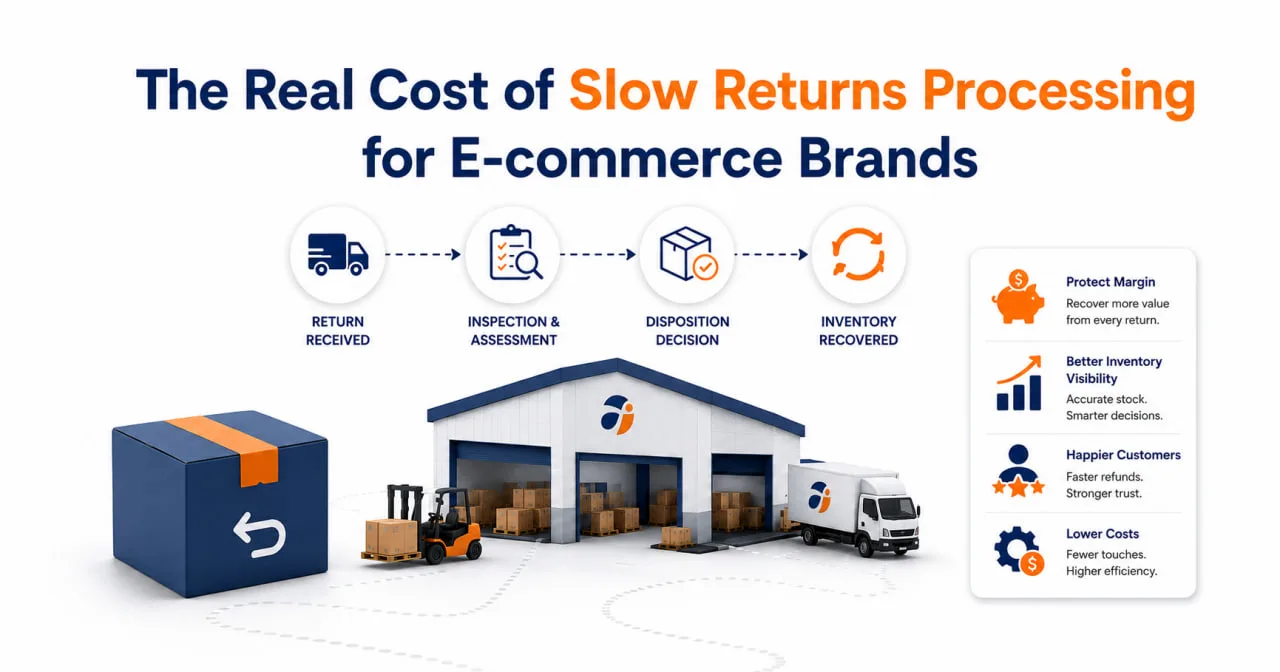
For e-commerce brands, returns are not just a customer service issue. They affect inventory recovery, margin, cash flow, warehouse efficiency, and customer trust. When returns move too slowly, sellable stock stays stuck, refunds take longer, operational costs rise, and products can lose value before they ever make it back into inventory.
As e-commerce brands grow, reverse logistics becomes harder to manage with manual steps, weak visibility, and disconnected workflows. Brands that process returns well tend to recover value faster, keep inventory more accurate, and create a better post-purchase experience.
A slow return costs more than it looks.
At first, it may seem like a minor delay. A product comes back, sits for a while, gets inspected later, and eventually moves through the system. But every extra day adds friction. Inventory stays unavailable. refund timing stretches out. Customer service teams deal with more questions. Warehouse space gets tied up. And in some cases, the product loses its best chance to be resold quickly.
That is why returns processing deserves more attention than it often gets.
For many e-commerce brands, reverse logistics still sits in the background. Outbound fulfillment gets the focus because it is visible, urgent, and directly tied to sales. Returns are often treated as something to clean up later. But once order volumes grow, that approach starts becoming expensive.
Returns matter more now because brands are operating with tighter margins, faster customer expectations, and more pressure to keep inventory moving.
A return is no longer just a completed sale reversed. It is part of the full commerce cycle. If the process is slow, the cost shows up in several places at once:
For growing brands, this becomes even more important because there is less room for hidden inefficiency. One slow returns process can create problems across inventory planning, customer support, and cash flow at the same time.
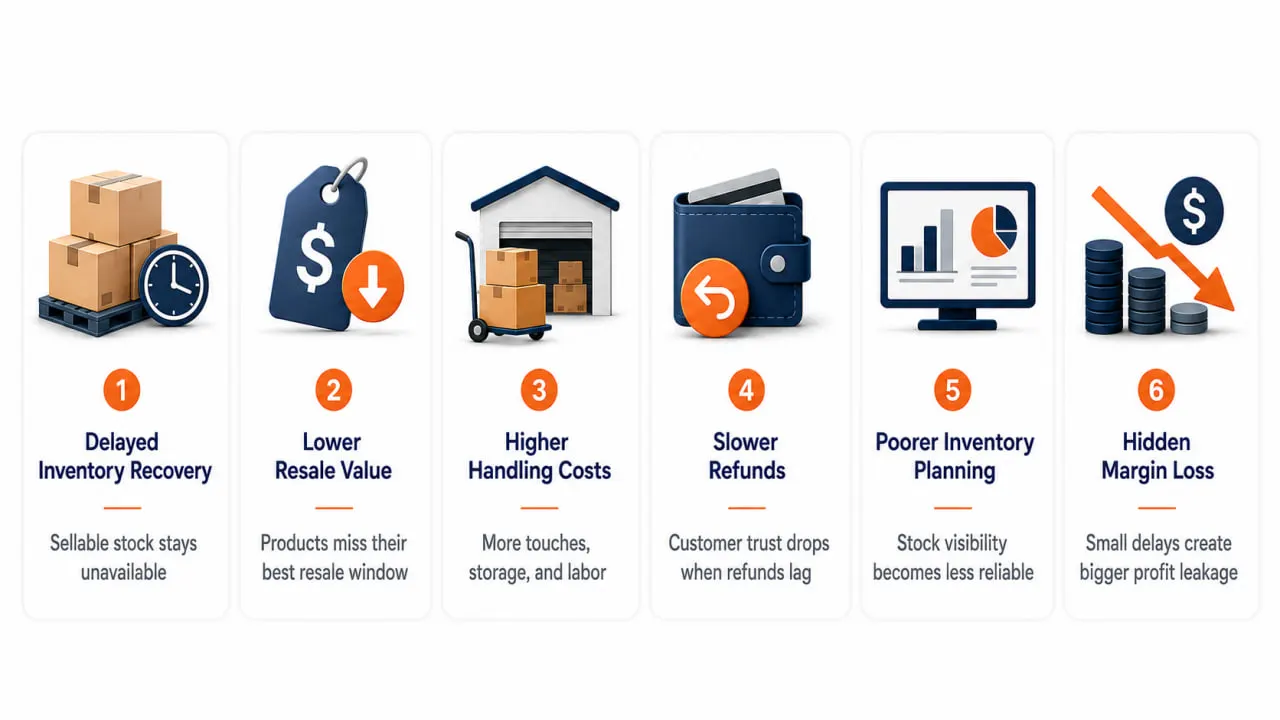
When returned goods sit too long before being inspected or restocked, sellable inventory stays unavailable.
That can make stock levels look tighter than they really are. Teams may reorder too early, expedite inventory unnecessarily, or miss sales opportunities because products that could have been resold are still sitting in a returns area.
Time matters in returns.
If a product is seasonal, trend-sensitive, promotional, or tied to a fast-moving cycle, a slow return can reduce how much value the brand can recover. What could have gone back into inventory at full price may end up discounted, cleared out, or written off.
Returns that sit too long create extra work.
The longer a returned product stays in the system without a clear next step, the more likely it is to be touched multiple times, moved around, manually checked again, or stored in the wrong place. That adds labor cost, warehouse congestion, and operational drag without adding value.
Customers do not separate returns from the rest of your brand experience.
If a return feels slow, unclear, or frustrating, trust drops quickly. Even when the original purchase experience was good, the return process can shape how the customer remembers the brand.
Slow refunds, unclear return status, or long inspection times often lead to more support tickets and lower confidence in ordering again.
When returns are not processed quickly, inventory data becomes less reliable.
Teams may not know what is actually back, what is still being inspected, what can be resold, or what should be removed from usable stock. That weakens forecasting, replenishment, merchandising, and purchasing decisions.
One of the biggest problems with slow returns is that the full cost is not always obvious.
Brands may see return shipping costs, but miss the deeper margin loss caused by:
That is why slow returns are not just an operations problem. They are a profitability problem.
A returns workflow is usually too slow when these issues keep showing up:
If those patterns are common, the issue is usually not returns volume alone. It is the process behind it.
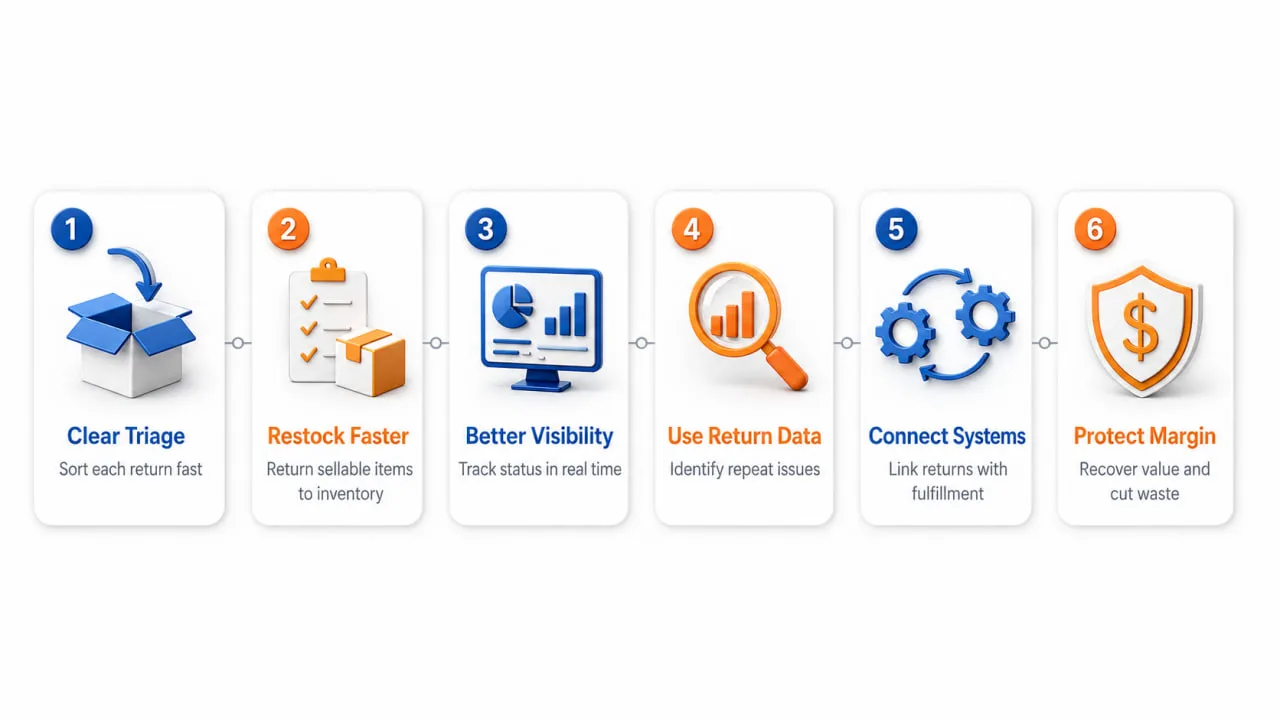
Every return should move into a defined path quickly.
That means deciding early whether the item should be:
When returns do not have a clear route, they sit longer than they should.
The faster a sellable product gets back into inventory, the more value the brand can recover.
That means reducing the gap between receipt, inspection, decision, and restock. Even a small improvement here can make a meaningful difference in both margin and stock availability.
Brands need to know what is happening inside the returns process, not just that a return exists.
Good visibility includes:
Without that visibility, returns become hard to improve.
A good returns process should not only move product. It should also reveal patterns.
If certain SKUs come back more often, certain channels create more return issues, or certain packaging choices increase damage, that information should feed back into better decision-making.
Returns data can help reduce future returns, not just process current ones.
Returns should not sit outside the main fulfillment system.
They affect inventory, customer service, forecasting, warehouse space, and product recovery. When reverse logistics is disconnected from the rest of operations, delays and blind spots grow.
A stronger process connects returns with inventory updates, product status, and reporting so teams can act faster.
The goal is not simply to process returns faster for the sake of speed.
The real goal is to:
When brands start viewing returns this way, reverse logistics becomes a performance lever instead of just a cost center.
Growing brands often feel the pain of slow returns more than large enterprises with bigger buffers.
A delayed return can affect:
As order volumes increase, what once felt manageable can quickly become messy. A process that worked at a smaller scale often starts breaking once returns volume rises or channel complexity increases.
That is usually the point where brands realize they need more structure, better visibility, and faster decision-making around reverse logistics.
This is an area where the right fulfillment partner can make a real difference.
MacMillan supports e-commerce operations with structured returns workflows, inventory visibility, and processes designed to move sellable inventory back into stock faster. For brands that are struggling with slow reverse logistics, that kind of operational structure can help reduce friction and improve control.
It is not about making returns disappear. It is about making them less costly, less chaotic, and easier to manage as the business grows.
Slow returns processing affects more than refunds.
It slows inventory recovery, increases handling costs, weakens visibility, lowers resale value, and creates unnecessary pressure across the business. For e-commerce brands, returns need to be treated as part of operational performance, not just post-sale cleanup.
The brands that handle returns well usually do three things better: