The Future is Hands-Free: How Touchless Planning is Rewriting Supply Chain Rules
Imagine a world where your supply chain runs like a self-driving car—anticipating bumps, adjusting routes in real time, and freeing your team to focus on the big picture. That’s the promise of touchless planning, and it’s not science fiction. This AI-powered approach is helping companies cut costs, boost accuracy, and outmaneuver competitors. Let’s unpack why this isn’t just another tech trend—it’s the new playbook for supply chain success.
Why Touchless Planning Isn’t Just a Buzzword
Supply chains today face a perfect storm: skyrocketing customer expectations, volatile markets, and razor-thin margins. Enter touchless planning—the secret weapon turning logistics teams from firefighters into strategists. By letting AI handle the grunt work of forecasting and adjustments, companies like yours are discovering something revolutionary: automation doesn’t replace people, it makes them superheroes.
At MacMillan Supply Chain, we’ve seen how this shift works. One client reduced stockouts by 40% while trimming excess inventory. Another slashed planning cycle time from weeks to days. The common thread? They stopped drowning in spreadsheets and started steering their business.
How Touchless Planning Actually Works (No Jargon, We Promise)
Think of touchless planning as your always-on supply chain co-pilot. Here’s what makes it tick:
AI that learns as it goes: Unlike rigid old systems, these tools adapt to your unique business rhythms—seasonal spikes, supplier quirks, even weather patterns.
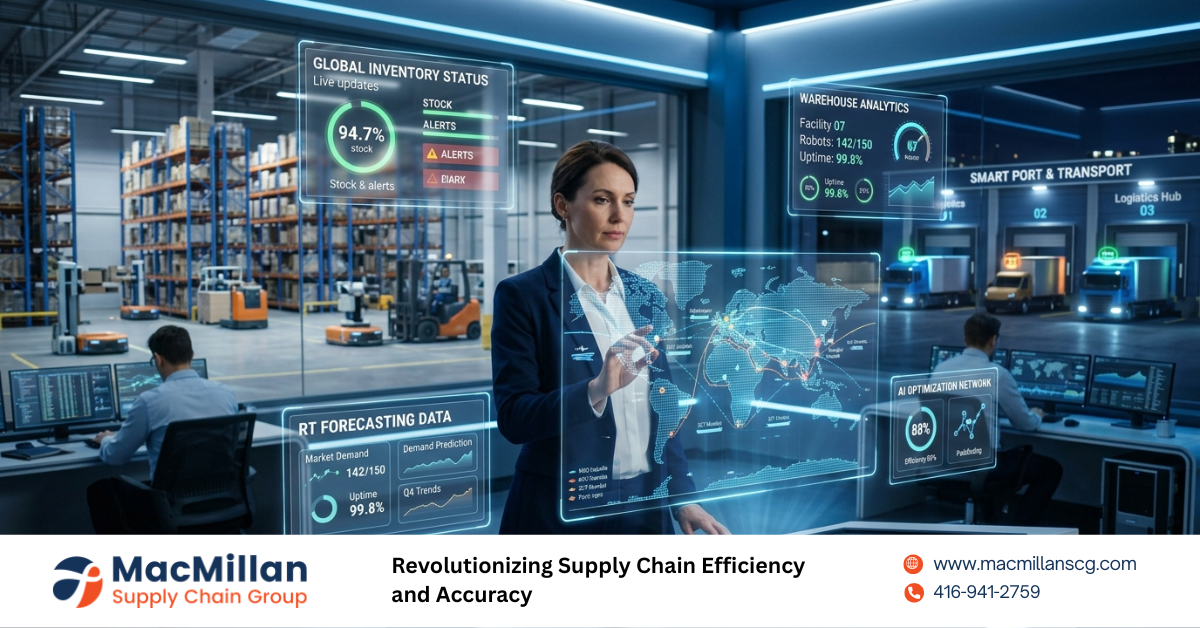
Real-time crystal ball: By crunching live data from sales, warehouses, and global markets, it spots trends humans might miss until it’s too late.
Transparency you can trust: Goodbye “black box” anxiety. Modern systems explain their logic, so your team understands why AI suggests moving inventory or adjusting orders.
The magic happens when these elements work together. Picture this: Your system spots a port strike in Asia, checks alternative suppliers, recalculates delivery timelines, and updates your production schedule—all before your coffee gets cold.
Why Your Competitors Are Racing to Adopt This
The numbers tell a compelling story:
- Companies using touchless planning see up to 70% fewer manual interventions—that’s thousands of hours freed for strategic work
- Forecasting errors drop by 30-50%, meaning fewer “oh no” moments when inventory doesn’t match demand
- 15-25% lower carrying costs as warehouses stop hoarding “just in case” stock
- But the real win? Your team stops being data entry clerks and becomes business doctors—diagnosing issues, spotting opportunities, and keeping customers glued to your brand.
Making the Shift Without the Headaches
Let’s be real: Asking planners to trust AI with their baby (your supply chain) takes finesse. Here’s how to nail the transition:
1. Start with a “Why” Workshop
Gather your team and ask: “What drains your time most?” Map how AI could tackle those pain points first. Success breeds confidence.
2. Run a Pilot That Can’t Fail
Pick a single product line or region. Set clear metrics: “Reduce stockouts here by 20% in 3 months.” Small wins build big believers.
3. Become AI Translators
MacMillan’s approach includes training your planners to “speak AI”—understanding how to tweak algorithms and interpret insights without needing a data science degree.
4. Celebrate the Human Wins
When your procurement lead uses freed-up time to negotiate better supplier terms? Shout it from the rooftops. Show how AI elevates roles instead of replacing them.
Bumps in the Road (And How to Smooth Them)
Every transformation has its hurdles. Here’s how we help clients clear them:
“What If the AI Gets It Wrong?”
We build safety nets:
- Hybrid models where AI suggests and humans approve (at first)
- Clear override protocols everyone understands
- Monthly “lessons learned” reviews to improve the system
Data Headaches
That old saying “garbage in, gospel out” still applies. We partner with you to:
- Clean up legacy data (yes, even those messy Excel files from 2018)
- Set up automated quality checks
- Create simple dashboards that show data health at a glance
Change-Resistant Cultures
We’ve found that showing > telling works best. One client ran a “Human vs. AI” forecasting contest. When the machine beat veteran planners by 12%? Skepticism melted fast.
Your Next Move: Where to Start
Ready to dip your toes in touchless waters? Try this:
- Map your pain points: Where do delays cost you the most?
- Audit your data: What’s usable? What needs TLC?
- Book a discovery call: MacMillan’s team will show you real-world examples from your industry.
Why This Isn’t Just Another Tech Upgrade
Touchless planning isn’t about replacing your team—it’s about giving them superpowers. Imagine:
- Your planners spotting emerging trends instead of fighting fires
- Your CFO smiling at reduced waste
- Your customers staying loyal because you always have what they need
That’s the future MacMillan helps build. And it starts with a simple conversation.
Let’s Start the Clock
Every day you wait is a day competitors gain ground. Reach out today to:
- See touchless planning in action (no sales pitch—just real demos)
- Get a free data health check
- Explore phased rollouts that fit your pace
“We thought AI would complicate things. Instead, it simplified our entire operation.”
— MacMillan Client, Automotive Parts Manufacturer
MacMillan Supply Chain is your partner in navigating the complexities of touchless planning implementation. Reach out to us to begin your journey towards a more efficient, automated supply chain.