
Mastering Black Friday Shipping: Strategies for E-commerce Success
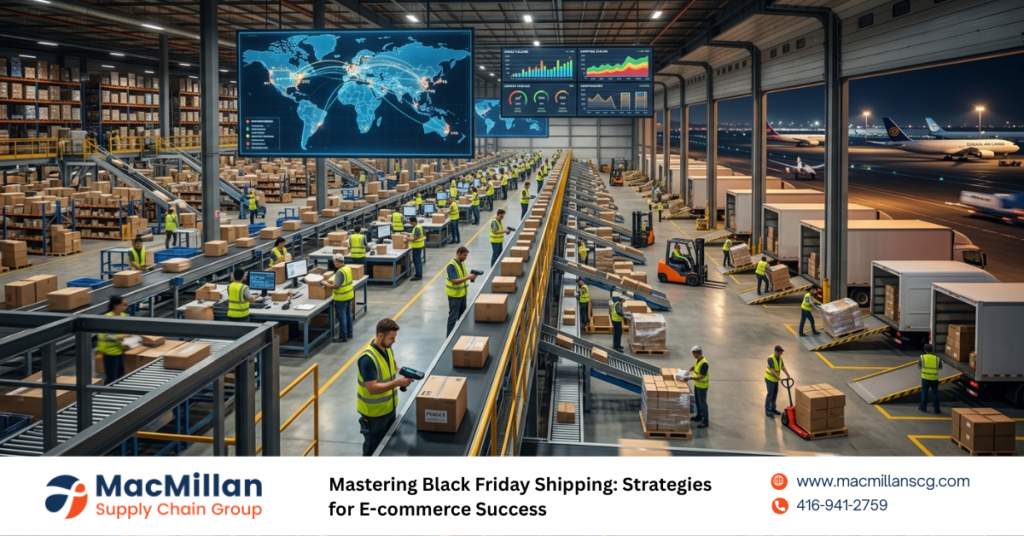
A Quick Summary and Overview Black Friday presents significant challenges for e-commerce businesses, with shipping being a critical factor in customer satisfaction and overall success. This comprehensive guide explores essential strategies for mastering Black Friday shipping, from early planning and effective communication to optimizing free shipping offers and managing international orders. We’ll delve into common challenges faced during this peak period and provide actionable solutions to ensure smooth operations. By implementing these expert tips from MacMillan Supply Chain Group, businesses can enhance their shipping processes, reduce costs, and deliver an exceptional customer experience during the busiest shopping season of the year. An Introduction As the holiday shopping season approaches, e-commerce businesses brace for the surge in orders that Black Friday brings. This annual shopping event has become a global phenomenon, putting immense pressure on supply chains and shipping operations. The ability to efficiently manage increased order volumes while maintaining customer satisfaction is crucial for success during this period. However, the challenges are numerous: from inventory management and warehouse capacity to carrier limitations and customer expectations for fast, free shipping. This guide aims to equip e-commerce businesses with the knowledge and strategies needed to navigate the complexities of Black Friday shipping. By focusing on key areas such as strategic planning, customer communication, and logistics optimization, businesses can turn potential shipping nightmares into opportunities for growth and customer loyalty. Strategic Planning for Black Friday Shipping Effective Black Friday shipping starts with meticulous planning months in advance. Begin by analyzing data from previous years to forecast demand accurately. This information is crucial for inventory management, warehouse staffing, and carrier capacity planning. Consider implementing advanced inventory management systems that can handle sudden spikes in demand and prevent stockouts. Next, assess your current shipping processes and identify potential bottlenecks. This may involve upgrading warehouse technology, optimizing pick-and-pack procedures, or reconfiguring your warehouse layout for maximum efficiency. Consider partnering with multiple carriers 3PL logistics solutions and supply chain expertise to ensure flexibility and redundancy in your shipping options. Develop contingency plans for common issues such as carrier delays, inventory shortages, or website crashes. Having these plans in place will allow you to respond quickly and minimize disruptions to your operations. Finally, consider offering early Black Friday deals to spread out the shipping load over a longer period. This can help manage peak volumes and reduce the strain on your shipping operations. By starting your promotions earlier, you can also capture sales from customers who prefer to shop ahead of the main rush. Remember, thorough planning is the foundation of successful Black Friday shipping. It allows you to anticipate challenges, allocate resources effectively, and maintain control over your operations during this critical period. Effective Customer Communication Strategies Clear and proactive communication with customers is essential for managing expectations and maintaining satisfaction during the Black Friday rush. Start by prominently displaying shipping deadlines on your website and in marketing materials. This helps customers make informed decisions about their purchases and reduces inquiries about delivery times. Implement a robust order tracking system that provides real-time updates to customers. This transparency can significantly reduce customer service inquiries and improve overall satisfaction. Consider using SMS or email notifications to keep customers informed about their order status, from processing to delivery. Be upfront about potential delays or shipping limitations. If certain items have longer processing times or if international shipping is restricted, communicate this clearly before the purchase is made. This honesty builds trust and can prevent disappointment later. Create a comprehensive FAQ section on your website addressing common Black Friday shipping questions. This resource can alleviate pressure on your customer service team and provide instant answers to customer queries. In case of unexpected delays or issues, have a communication plan in place to quickly inform affected customers. Personalized messages explaining the situation and offering solutions or compensation can turn a potentially negative experience into a positive one. Remember, effective communication not only keeps customers informed but also builds trust and loyalty, even in the face of challenges. Optimizing Free Shipping Strategies Free shipping is a powerful incentive for Black Friday shoppers, but it needs to be implemented strategically to maintain profitability. Start by analyzing your profit margins and shipping costs to determine a minimum order value that makes free shipping economically viable. This threshold should encourage customers to increase their cart value while ensuring you’re not losing money on small orders. Consider offering tiered free shipping options. For example, standard free shipping for orders over a certain amount, and expedited free shipping for higher-value purchases. This can incentivize customers to spend more while also managing your shipping costs. Implement limited-time free shipping promotions during specific hours or for certain product categories. This can create urgency and drive sales during slower periods of the Black Friday rush. For items that are too costly to ship for free, consider offering free in-store pickup or local delivery options. This can satisfy customer expectations for free shipping while reducing your overall shipping costs. Use dynamic shipping rules in your e-commerce platform to automatically apply free shipping based on order value, customer location, or product type. This ensures consistency and reduces the need for manual intervention during the busy period. Remember, while free shipping can be a powerful tool for driving sales, it’s important to balance this offer with your overall profitability goals. Carefully designed free shipping strategies can boost conversions without eroding your margins. Managing International Shipping Challenges Expanding your Black Friday sales internationally can open up new revenue streams, but it also presents unique challenges. Start by researching customs regulations and shipping restrictions for your target countries. This knowledge is crucial for avoiding delays and ensuring compliance. Partner with experienced international shipping carriers or freight forwarders who specialize in cross-border e-commerce. These experts can navigate complex customs procedures and offer reliable delivery options. Implement a clear and transparent international shipping policy on your website. Include information about potential customs fees, delivery timeframes, and any restrictions on certain products.
Trump’s Tariffs Impact on Shipping: Rates, Routes, and Supply Chain Strategies
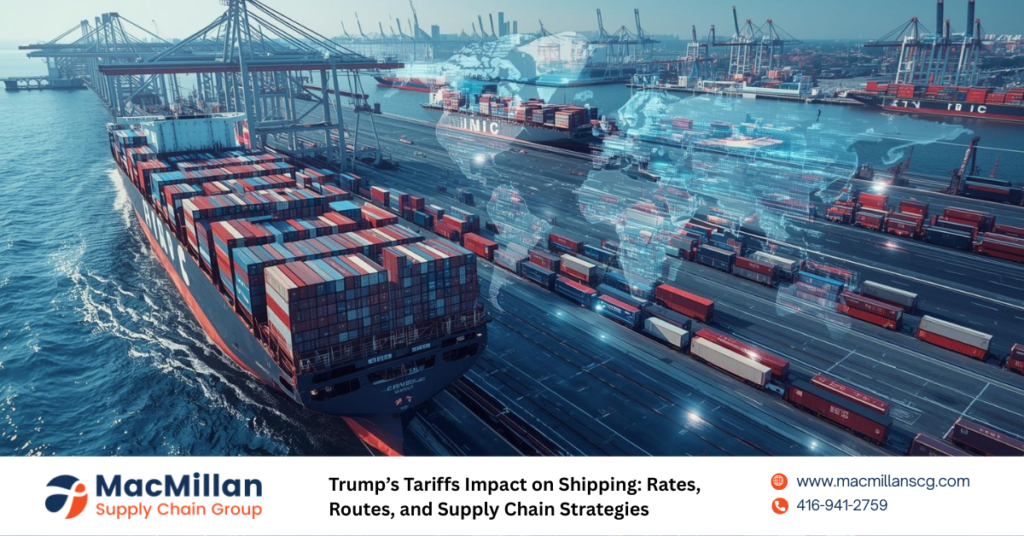
A Quick Summary and Overview The worldwide shipping industry is expected to change as a result of Donald Trump’s planned tariffs, which include a 60% tax on Chinese goods and a 10% tax on all U.S. imports. These regulations will probably result in temporary increases in shipping costs, change well known trade routes, and force companies to reconsider their supply chain plans. To effectively reduce costs and interruptions, businesses must prioritize supply chain diversification and implement flexible logistics solutions. The effects of these tariffs on the shipping sector are explored in this article, which also provides professional advice from MacMillan Supply Chain Group on how companies may effectively handle these difficulties. An Introduction The dynamics of global commerce and their effects on the shipping sector are receiving more attention as a result of Donald Trump’s possible return to the presidency. considerable hikes are proposed by his strong tariff measures, which will have a considerable impact on shipping rates and redraw established trade routes. These shifts force companies to reconsider their global supply chains in ways that go beyond simple statistics. Businesses must negotiate a terrain full of opportunities and difficulties, from changing sourcing tactics to getting ready for possible trade battles. Supply chain professionals who want to reduce risks and take advantage of new trends must comprehend these dynamics. This article explores the various ways that Trump’s tariffs have affected the shipping sector and offers insightful advice from MacMillan Supply Chain Group on how companies may adjust and prosper in this changing environment. Trump’s tariffs Increases and Frontloading Trump’s proposal to impose a sweeping 10% tariff on all U.S. imports and a staggering 60% on Chinese products has immediate consequences for international logistics. Anticipating these measures, importers are likely to frontload shipments, accelerating imports to circumvent impending duties. This rush can temporarily boost shipping volumes but will concurrently strain logistics networks, leading to congestion at ports and potential delays in customs processes. A brief spike in demand for shipping services is caused by the frontloading phenomenon, which may raise prices for all means of transportation. Significant price increases may be incurred by ocean freight in particular as businesses rush to shift goods prior to the imposition of tariffs. Port infrastructure may be overloaded by this unexpected surge in goods, leading to bottlenecks and longer lead times. This offers businesses opportunities as well as obstacles. Savvy businesses may use this time to strengthen their relationships with logistics suppliers and negotiate advantageous shipping contracts, even though rising shipping costs and possible delays are worries. Businesses can build up a buffer against future volatility by securing capacity and rates ahead of time. MacMillan Supply Chain Group advises clients to carefully analyze their import strategies, considering factors such as inventory carrying costs, storage capacity, and demand forecasts. By optimizing the balance between frontloading and just in time inventory management, companies can navigate this tumultuous period more effectively. Impact on Shipping Costs and Trade Routes The increased tariffs echo through shipping rates, creating upward pressure as logistics providers recalibrate their costs. This ripple effect extends beyond direct China U.S. routes, influencing global shipping dynamics. Consequently, importers may explore alternate supply chains or source from locales less burdened by Trump’s tariffs. These changes affect global commerce routes in addition to cost structures. In order to perhaps lessen the effects of Trump’s tariffs, we might see an increase in transshipment activities, where commodities are routed through intermediary nations. This might increase the need for services in areas that were previously underutilized, changing the preferences of shipping lanes and port usage trends. For example, when businesses diversify away from China, traffic to Southeast Asian nations may increase. Similarly, nearshoring trends may pick up speed, increasing transportation of commodities headed for the United States to places like Mexico and Central America. Both importers and shipping businesses have opportunities and challenges as a result of these changes. Volumes on some routes might decline, but on others, they might rise at an unparalleled rate. It takes a sophisticated understanding of both new business opportunities and logistics understanding to navigate this complex environment. MacMillan Supply Chain Group leverages its global network and market intelligence to help clients identify optimal routing strategies, balancing cost considerations with reliability and speed. By staying ahead of these shifting trade patterns, businesses can position themselves advantageously in the evolving global trade landscape. Supply Chain Disruptions and Diversification The anticipated Trump’s tariffs underscore the importance of diversifying supply chains. Relying heavily on any single region, particularly China, could expose businesses to undue risk, making strategic diversification paramount. By spreading sourcing across multiple countries, companies can buffer against localized disruptions and tariff-induced price hikes. This approach not only shields against immediate impacts but also fosters resilience, allowing businesses to adapt swiftly to future regulatory or market changes. However, diversification is not without challenges. It requires careful evaluation of new suppliers, understanding different regulatory environments, and potentially navigating unfamiliar logistics landscapes. Key considerations for effective supply chain diversification include: Identifying alternative sourcing locations with stable political environments and robust infrastructure Evaluating the entire cost of landing, taking into account possible customs, transportation, and compliance costs Assessing the scalability, quality standards, and capabilities of suppliers Taking into account the effects on lead times and inventory control techniques By offering thorough market assessments, supplier vetting services, and efficient logistics solutions catered to various sourcing strategies, MacMillan Supply Chain Group helps clients navigate this challenging process. Businesses may execute successful diversification strategies that strike a balance between risk reduction and operational effectiveness thanks to our worldwide experience. Supply chain professionals must diligently analyze global trends, prioritize flexibility, and continuously optimize logistics networks to stay competitive in this dynamic environment. Infrastructure Investments Although Trump’s administration recommends significant infrastructure spending, with a focus on improving ports, highways, and railroads, the real advantages are yet uncertain. By lowering transit times and expenses, improved logistics infrastructure might simplify supply chains and possibly offset certain tariff impacts. The scope and schedule of these projects are unclear,
Revolutionize Your E-commerce with Top 3PL Fulfillment
Summary and Overview In today’s competitive e-commerce landscape, partnering with a top 3PL provider like MacMillan Supply Chain is crucial for success. The advantages of 3PL services, typical e-commerce logistics problems, and how MacMillan’s creative solutions can revolutionise your business are all covered in this article. Discover how our customised strategy may help your business achieve greater success, from cost reductions to advanced technology integration. Introduction Businesses are under more pressure to streamline their logistical operations as e-commerce develops. Third-Party Logistics (3PL) companies have changed the game by providing all-inclusive solutions that boost productivity, cut expenses, and improve client satisfaction. Leading this change with cutting-edge 3PL services catered to the particular needs of e-commerce companies is MacMillan Supply Chain. We’ll explore the advantages of 3PL in this article and show you how MacMillan’s expertise may help you overcome typical logistics problems and support the growth of your business. The Power of 3PL in E-commerce In the dynamic realm of online shopping, efficient logistics has the power to make or destroy a business. By optimizing processes and improving client experiences, third-party logistics (3PL) companies such as MacMillan Supply Chain give businesses a competitive edge. By leveraging our expertise, businesses can focus on core competencies while we handle the complexities of warehousing, inventory management, and order fulfillment. Saving money is one of the primary advantages of working with a 3PL. Our economies of scale enable us to bargain with carriers for lower prices, which lowers our customers shipping expenses. Businesses can also improve cash flow and financial flexibility by outsourcing logistics operations, which allows them to turn fixed costs into variable expenses. Scalability is yet another important benefit. Without requiring large capital expenditures, MacMillan Supply Chain can readily modify operations to satisfy rising demand as your company expands. This adaptability guarantees that your company stays open to and responsive to changes in the market by facilitating swift entry into new markets and smooth management of seasonal variations. Advanced Technology in 3PL In today’s digital age, technology plays a pivotal role in logistics efficiency. MacMillan Supply Chain invests heavily in cutting edge technology to provide our clients with a competitive advantage. Our advanced Warehouse Management System (WMS) offers real time visibility into inventory levels, order status, and shipping information, enabling data driven decision making and proactive problem solving. We also utilize automation and artificial intelligence to optimize warehouse operations. From robotic picking systems to AI powered demand forecasting, these technologies enhance accuracy, speed, and efficiency in order fulfillment. This not only reduces errors but also significantly improves order processing times, leading to faster deliveries and increased customer satisfaction. Additionally, our integrated solutions easily connect with your e-commerce platforms, guaranteeing error free data flow and removing the need for manual data entry. Better inventory control and more precise demand planning are made possible by this connection, which offers an in depth overview of your supply chain. Comprehensive 3PL Services MacMillan Supply Chain offers a wide range of services designed to meet the diverse needs of e-commerce businesses. Our inventory management solutions ensure optimal stock levels, reducing the risk of stockouts or overstocking. We employ sophisticated forecasting tools to predict demand fluctuations, helping you maintain the right balance of inventory. We design our order fulfillment services with accuracy and speed in mind. We precisely oversee every step of the fulfillment process, from pick and pack to custom kitting. Faster shipping times are made possible by our well-located warehouses, which increases client loyalty and pleasure. We also excel in returns management, a critical aspect of e-commerce operations. Through effective processing and restocking, our simplified returns procedure not only enhances the customer experience but also aids in recovering value from returned goods. We additionally offer value-added services like product customisation and customized packaging. With the help of these services, you can create unique unboxing experiences that elevate your brand and differentiate you from rivals. Overcoming E-commerce Logistics Challenges Numerous logistical issues that e-commerce companies frequently encounter may hinder their expansion and financial success. Growing consumer demands for fast, free delivery have raised serious concerns about rising transportation costs. It can be difficult to manage inventory across several channels, which could result in inefficiencies and stockouts. Another difficulty is seasonal variations in demand, which force companies to swiftly scale up or down operations. Inadequate preparation and resources may result in overspending on inventory or delays in fulfillment. Furthermore, for a lot of e-commerce companies, last-mile delivery is still a major problem.Ensuring timely and cost-effective delivery to the end customer is crucial for satisfaction but can be logistically challenging and expensive. Our Solutions: MacMillan Supply Chain Approach At MacMillan Supply Chain, we’ve developed comprehensive solutions to address these common e-commerce logistics challenges: Cost Optimization: Our vast network and carrier relationships allow us to secure competitive shipping rates, helping you manage costs without compromising service quality. We also implement efficient picking and packing strategies to reduce labor costs and improve throughput. Advanced Inventory Management: Our state of the art WMS provides real-time visibility across all channels, ensuring accurate inventory tracking and preventing stockouts. We employ predictive analytics to optimize stock levels and improve demand forecasting. Scalable Operations: Our flexible infrastructure allows for rapid scaling to meet seasonal demands. We can quickly allocate additional resources during peak periods, ensuring consistent service levels year round. Optimized Last-Mile Delivery: To maximize last mile delivery, we make use of our wide carrier network and local fulfillment facilities. We lower transit costs and times by placing merchandise strategically closer to end users. Technology Integration: By offering a consolidated perspective of operations and facilitating data driven decision making, our systems easily connect with your e-commerce platforms. Tailored Solutions: We recognize that each business is different. Our team collaborates directly with you to provide solutions that are specifically designed to meet both your goals and challenges. Working with MacMillan Supply Chain gives you access to our extensive logistics network, state-of-the-art technologies, and decades of experience. We do more than just address your immediate
Unlocking Efficiency: The Role of Logistics Data Standards and Integration

Introduction The logistics industry is synonymous with constant movement and complexity, requiring precision across its multifaceted operations. In light of increasing volumes of digitized data, the need for standardized data formats and seamless integration of digital tools has become more pronounced than ever. By adhering to industry-wide standards, logistics can boost collaboration, reduce errors, and streamline operations, ultimately leading to cost savings and environmental benefits. However, achieving these improvements necessitates overcoming significant challenges and fostering a collaborative spirit among stakeholders. The Call for Logistics Data Standards At this crucial point, uniform data standards have become essential rather than optional in the logistics sector. At the forefront, groups such as the Digital Container Shipping Association and the International Air Transport Association are actively developing these standards. But there are many challenges in the way of widespread acceptance. Many businesses are hesitant to adopt new standards because they have invested heavily in proprietary systems and formats. Because of this hesitancy, the supply chain fractures and data silos persist, making it difficult to collaborate and communicate effectively. In addition to impeding efficiency, a lack of standardization raises the possibility of mistakes and misunderstandings. Moreover, the lack of uniform standards makes it difficult to leverage advanced technologies such as artificial intelligence and machine learning effectively. These technologies thrive on large, consistent datasets, something that’s hard to achieve without industry-wide standards. The goal of promoting data standards is to lay the groundwork for future developments and increase operational efficiency. The logistics sector may open the door to more advanced analytics, automation, and predictive modeling by creating a common language for data. The Need for Effective Integration The increasing use of digital tools by logistics companies to handle various parts of their operations necessitates efficient integration to address the resulting system complexity. From warehouse management systems to transportation management software, and from customer relationship management tools to finance systems, the contemporary logistics environment is defined by a wide range of software solutions, each addressing specific requirements. Without proper integration, these disparate systems can create more problems than they solve. Data silos emerge, leading to duplicated efforts, inconsistent information, and a lack of real-time visibility across operations. This fragmentation can result in missed opportunities, inefficient resource allocation, and suboptimal decision-making. Effective integration, on the other hand, can eliminate redundant tasks, minimize errors, and significantly enhance service efficiency. By creating a unified system that enables seamless data flow across tools and departments, logistics companies can achieve a holistic view of their operations. This integrated approach enables real-time tracking, better forecasting, and more agile responses to market changes. Furthermore, integration sets the stage for advanced analytics and business intelligence. When data from various sources is consolidated and standardized, it becomes possible to uncover deeper insights, identify trends, and make data-driven decisions that can transform the business. Learning from Success: Case Studies Even though implementing data standards and achieving seamless integration involve considerable obstacles, there are encouraging success stories that show the way forward. These case studies offer important insights into implementation tactics and illustrate the observable advantages of standardization and integration. The carrier API integration offered by WebCargo is one noteworthy example. WebCargo has transformed the freight forwarder booking process by standardizing the sharing of air cargo pricing and capacity data. Faster quotation creation, real-time booking capabilities, and greater accuracy in pricing and capacity information are the results of this integration. Both carriers and forwarders have benefited from the more effective, transparent air freight market that has emerged. Another success story comes from project44’s deployment of electronic bills of lading for less-than-truckload (LTL) shipments. By digitizing this crucial document, project44 has significantly reduced manual errors in billing processes, enhanced invoicing precision, and streamlined pickup and delivery tasks. The adoption of eBOLs has not only improved operational efficiency but also contributed to substantial cost savings and improved customer satisfaction. These examples showcase how successful data standardization and integration can accelerate transformative progress within the industry. They highlight the importance of collaboration between different stakeholders and the need for a clear vision of the benefits that can be achieved. The Industry-Wide Collaborative Push Overcoming the inertia of slow adoption requires bold leadership and a compelling business case. The logistics industry stands at a crossroads where the potential benefits of standardization and integration are clear, but the path to widespread adoption remains challenging. Industry players must cooperate to develop a cohesive framework that maximizes the utility of data standards. This collaboration should extend beyond individual companies to include industry associations, technology providers, and regulatory bodies. By working together, the industry can address common challenges, share best practices, and create standards that are truly universal and beneficial for all. In addition to guaranteeing greater efficiency, fostering a collaborative ecosystem will stimulate innovation. New services, better customer experiences, and more sustainable operations are made possible when data can move freely and securely throughout the supply chain. A long-term perspective that considers the revolutionary possibilities of standardized, interconnected systems rather than just short-term expenses is necessary for leadership in this field. Businesses can establish themselves as thought leaders and obtain a competitive advantage in the increasingly digital logistics market by taking the initiative to embrace and promote industry standards. Common Problems and Our Solutions Challenges in Adoption Challenges in Adoption: Resistance to Change: Many organizations remain hesitant to overhaul established systems in favor of new standards. Lack of Investment: Embracing new technologies and standards requires significant upfront investment, which can be a barrier for smaller enterprises. Technological Disparities: Variances in technological capabilities among stakeholders complicate integration efforts across the board. Data Security Concerns: The increased sharing of data raises questions about security and confidentiality. Complexity of Implementation: Integrating new standards into existing systems can be a complex and time-consuming process. MacMillan Supply Chain Solutions By providing comprehensive solutions that are suited to the demands of modern logistics, MacMillan Supply Chain takes an inventive approach to overcoming these obstacles: Seamless Integration Services: By avoiding operational disruptions, our cutting-edge platform guarantees the seamless integration of various digital tools into a
What Energy Chokepoints Like Hormuz Mean for Modern Supply Chain Risk
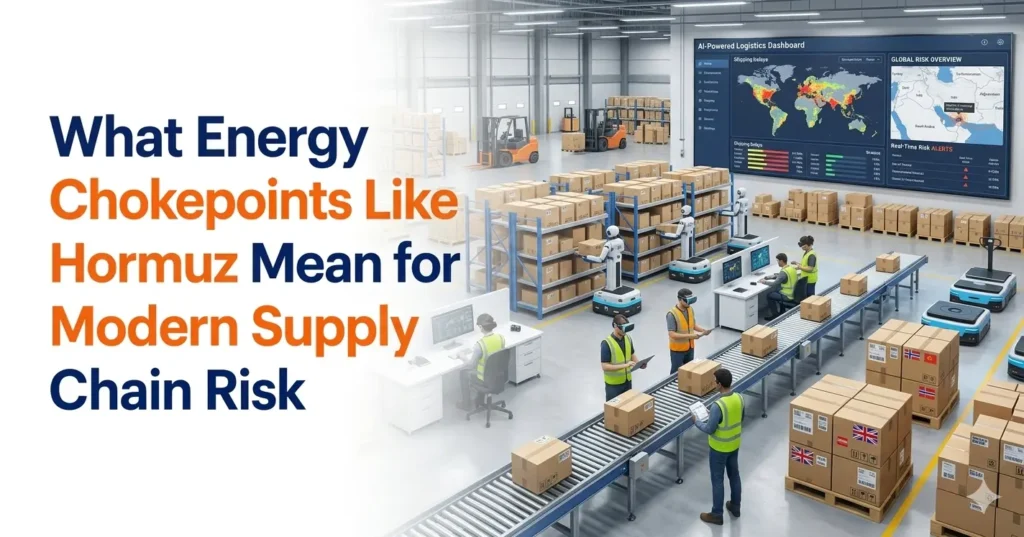
A Quick Summary and Overview Energy chokepoints like the Strait of Hormuz matter far beyond oil markets. They affect freight costs, transit reliability, sourcing decisions, packaging inputs, inventory planning, and broader supply chain resilience. For supply chain leaders, the real issue is simple: disruption at a single energy chokepoint can quickly affect transportation costs, manufacturing inputs, supplier lead times, and service levels. Even when the disruption is far from your warehouse or customers, the operational impact can still show up across procurement, replenishment, and logistics planning. Introduction Most supply chain disruptions do not begin inside the warehouse. They begin upstream through fuel markets, input materials, shipping lanes, and trade routes. That is why energy chokepoints matter so much. They are not only energy stories. They are logistics stories, procurement stories, inventory stories, and service-level stories. The Strait of Hormuz is one of the clearest examples. It remains one of the most important energy transit routes in the world, which means any disruption there can create ripple effects across transportation costs, industrial inputs, lead times, and sourcing strategy. For brands, this kind of disruption is rarely felt in just one place. A rise in fuel cost can affect freight budgets. Pressure on petrochemical inputs can affect packaging or raw materials. Delays upstream can create stock risk downstream. That is what makes energy chokepoints so important to modern supply chain planning. What Is an Energy Chokepoint? An energy chokepoint is a narrow route or passage that large volumes of oil, gas, or related products must move through to reach global markets. These routes matter because they concentrate risk. If trade through one of them is delayed, restricted, or made more expensive, the effects can spread quickly through: fuel costs ocean shipping economics industrial input prices supplier production schedules lead times inventory decisions In other words, one narrow route can influence much wider parts of the supply chain than many brands initially expect. Why Hormuz Is Such a Big Supply Chain Story The Strait of Hormuz matters because of both scale and concentration. A large share of global oil and LNG flows through it, especially into Asian markets. That makes it more than a regional issue. It becomes a global operating risk because many supply chains are exposed to energy both directly and indirectly. Some businesses feel that exposure through transportation. Others feel it through packaging materials, plastics, chemicals, manufacturing inputs, or supplier costs. Even companies that do not buy oil directly can still experience the impact through cost inflation, reduced predictability, or supplier disruption. That is why Hormuz is not just an energy headline. It is a supply chain pressure point. 6 Ways Energy Chokepoints Increase Supply Chain Risk 1. Fuel and transportation costs rise quickly When a major energy route is disrupted, transport costs can move fast. Higher oil and gas prices affect linehaul, drayage, parcel movement, air cargo economics, and broader carrier pricing. They can also pressure last-mile delivery costs and distribution budgets. For supply chain teams, this means freight planning becomes harder and cost assumptions can change faster than expected. 2. Lead times become less reliable A chokepoint problem is not only about price. It is also about predictability. When energy markets tighten, carriers and suppliers often adjust schedules, capacity planning, and routing assumptions. Even businesses not shipping through the affected region can feel the effects through slower replenishment and changed operating rhythms. That makes planning more difficult, especially for brands already managing leaner inventories or tighter fulfillment windows. 3. Packaging and production inputs come under pressure Many brands think of energy disruption only in terms of fuel. In reality, the impact often reaches much deeper into materials and manufacturing. Feedstocks tied to petrochemicals can become more exposed during disruptions like this. That matters for products linked to plastics, packaging, chemicals, resins, and a broad range of industrial and consumer goods inputs. So even if transport keeps moving, production cost and material availability can still come under pressure. 4. Sourcing concentration gets exposed One of the clearest lessons from energy chokepoint disruption is that not all supply chains are affected equally. The biggest problems tend to show up where sourcing is concentrated, alternatives are limited, or upstream exposure is not fully understood. A business that depends too heavily on one region, one supplier cluster, or one raw material source is usually more vulnerable when conditions tighten. This is where hidden dependency becomes visible very quickly. 5. Inventory strategy becomes more important When upstream risk rises, inventory discipline matters more. Stronger inventory visibility, better safety stock logic, and faster replenishment decision-making can help brands absorb volatility more effectively. Companies that understand what they have, what is in transit, and what is exposed can usually respond faster than companies operating with weaker visibility. This is also where operational resilience becomes practical, not theoretical. 6. Customer service and retail performance can suffer Upstream disruption eventually shows up downstream. If transport costs jump, packaging inputs tighten, or replenishment slows, brands can face missed delivery windows, lower service levels, stockouts, and margin pressure at the same time. That is why energy chokepoint risk is not just a macro issue. It can directly affect order performance, retailer execution, and customer experience. What Brands Should Learn From Hormuz The biggest lesson is not that every brand should react to every global event. It is that supply chains need enough flexibility to withstand upstream shocks. The Hormuz example highlights three especially important principles: dependency matters visibility matters buffer capacity matters The same disruption can affect different businesses in very different ways depending on their sourcing model, input exposure, planning discipline, and inventory strategy. That is why resilience should not be treated as a broad concept only discussed at a strategic level. It needs to show up in day-to-day operating decisions. 6 Practical Ways to Reduce Exposure to Energy Chokepoint Risk 1. Review upstream input dependency Look beyond finished goods suppliers. Understand whether key materials, packaging inputs, feedstocks, or components rely on regions exposed to energy route
B2C Order Fulfillment: Boost Efficiency & Speed with MacMillan
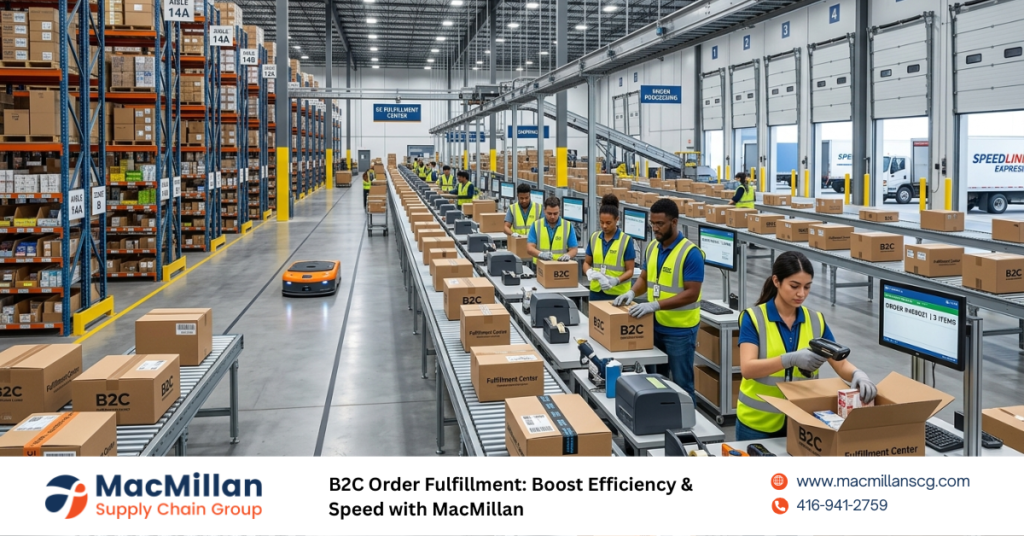
Quick Summary and Overview B2C order fulfillment is a crucial component of the retail and e-commerce sectors, involving inventory management, order processing, and the shipping of products directly to consumers. With rising customer expectations for faster delivery and accuracy, businesses must optimize their fulfillment processes. By leveraging automation, efficient inventory management, and possibly outsourcing to experienced providers like MacMillan Supply Chain, businesses can enhance their order fulfillment capabilities. Introduction In today’s fast-paced e-commerce environment, prompt and precise B2C order fulfillment is key to customer satisfaction. Consumers demand seamless experiences, which hinge on the efficiency of order processing and delivery. As the market competition intensifies, businesses must adopt technologies and practices that ensure swift and accurate fulfillment. MacMillan Supply Chain, a leader in logistics solutions, offers insights and services that can revolutionize your order fulfillment operations, ensuring you meet and exceed customer expectations while optimizing costs. Inventory Management’s Crucial Role in Fulfillment Effective inventory management is the backbone of successful B2C order fulfillment. With accurate inventory tracking using SKUs or bar codes, businesses can ensure that they have the right items available when needed. This minimizes stockouts and overstock situations, maintaining a balance that supports operational efficiency and cost-effectiveness. Advanced inventory systems also facilitate real-time data visibility, enabling better decision-making. MacMillan Supply Chain offers tailored inventory solutions that streamline these processes, ensuring that your products are always optimally positioned to meet demand. The Impact of Automation on Fulfillment Efficiency Automation in B2C order fulfillment enhances speed and reduces human error, providing a significant competitive edge. Automated systems can handle repetitive tasks such as order picking and packing, thus freeing up human resources for more strategic activities. Implementing technologies like automated storage and retrieval systems (AS/RS) within warehouses can drastically cut down processing times. MacMillan Supply Chain assists clients in integrating these cutting-edge automation technologies into their operations, leading to improved efficiency and scalability in handling high order volumes. Outsourcing Fulfillment: A Strategic Advantage For many businesses, particularly as they scale, outsourcing B2C order fulfillment to third-party logistics providers can offer numerous benefits. Outsourcing allows businesses to leverage the expertise and infrastructures of providers like MacMillan Supply Chain, thereby focusing on core business activities like product development and marketing. A strategic partnership with a logistics firm ensures access to state-of-the-art resources and logistics networks, leading to optimized delivery schedules and increased customer satisfaction. MacMillan’s bespoke solutions are crafted to align with your business needs, ensuring seamless and cost-effective fulfillment operations. Common Problems in B2C Order Fulfillment and Our Solutions Delays in Order Processing: Symptoms manifest as prolonged wait times between order placement and shipment, often due to inefficient processes or technology bottlenecks. Our Solution: We implement streamlined workflows and technology integrations that enhance processing speeds, effectively reducing turnaround time. Errors in Picking and Packing: Missteps here include incorrect item selection or packaging, which can lead to customer dissatisfaction and increased returns. Our Solution: MacMillan utilizes advanced picking and packing systems, supported by rigorous training protocols that uphold precision and quality. High Operational Costs: This stems from inefficient logistics strategies and a lack of economies of scale. Our Solution: Our outsourcing solutions optimize logistics operations, leveraging our scale and expertise to drive down costs. Inadequate Inventory Management: Poor inventory practices lead to stockouts or surpluses, both detrimental to cost management and service quality. Our Solution: Implementing robust inventory systems, we ensure accurate demand forecasting and optimal stock levels. By addressing these common pitfalls with MacMillan’s expert methodologies and technology, your business can refine its fulfillment processes, enhancing both efficiency and customer satisfaction. Avoiding Common Fulfillment Pitfalls To avoid these common fulfillment issues, consider partnering with experts like MacMillan Supply Chain. We offer comprehensive assessments of your current operations and develop strategic plans tailored to your needs. By integrating advanced technologies and leaning on our extensive logistics network, you can avoid costly errors and inefficiencies. Take proactive steps towards optimization—get in touch with MacMillan for a consultation and elevate your fulfillment processes to new heights. FAQS What is B2C order fulfillment? B2C order fulfillment is the process of managing inventory, processing orders, and delivering products directly to individual consumers. Why is inventory management crucial in B2C order fulfillment? Inventory management is essential in B2C order fulfillment because it helps businesses maintain accurate stock levels, prevent stockouts, and avoid overstock situations. Efficient inventory tracking ensures products are available when customers place orders, leading to faster fulfillment, improved customer satisfaction, and reduced operational costs. Real-time inventory visibility also supports better forecasting and decision-making. How does automation benefit B2C order fulfillment? Automation improves B2C order fulfillment by increasing processing speed, reducing human errors, and streamlining repetitive tasks such as picking, packing, labeling, and inventory updates. Automated systems help businesses handle higher order volumes more efficiently while improving accuracy and reducing fulfillment delays. This leads to better customer experiences and enhanced operational scalability. What are the advantages of outsourcing fulfillment to MacMillan Supply Chain? Outsourcing fulfillment to MacMillan Supply Chain allows businesses to access professional logistics expertise, advanced fulfillment technologies, and established distribution networks without investing heavily in their own infrastructure. This helps reduce operational costs, improve delivery efficiency, increase order accuracy, and free up internal resources so businesses can focus on growth, marketing, and product development. How can businesses avoid common fulfillment issues? Businesses can avoid common fulfillment issues by implementing accurate inventory management systems, using automation technologies, optimizing warehouse workflows, and establishing strong quality control processes for picking and packing. Partnering with experienced logistics providers like MacMillan Supply Chain can also help businesses reduce errors, improve processing speed, and maintain consistent fulfillment performance. What distinguishes B2C from B2B fulfillment? B2C fulfillment focuses on processing and shipping individual customer orders directly to consumers, often requiring faster delivery speeds, smaller package sizes, and higher order volumes. In contrast, B2B fulfillment typically involves bulk shipments to retailers, wholesalers, or distributors with more complex logistics requirements and scheduled delivery arrangements. B2C fulfillment places a stronger emphasis on customer experience and delivery convenience. Can
Mastering Amazon FBA Packaging: A Comprehensive Guide for Sellers
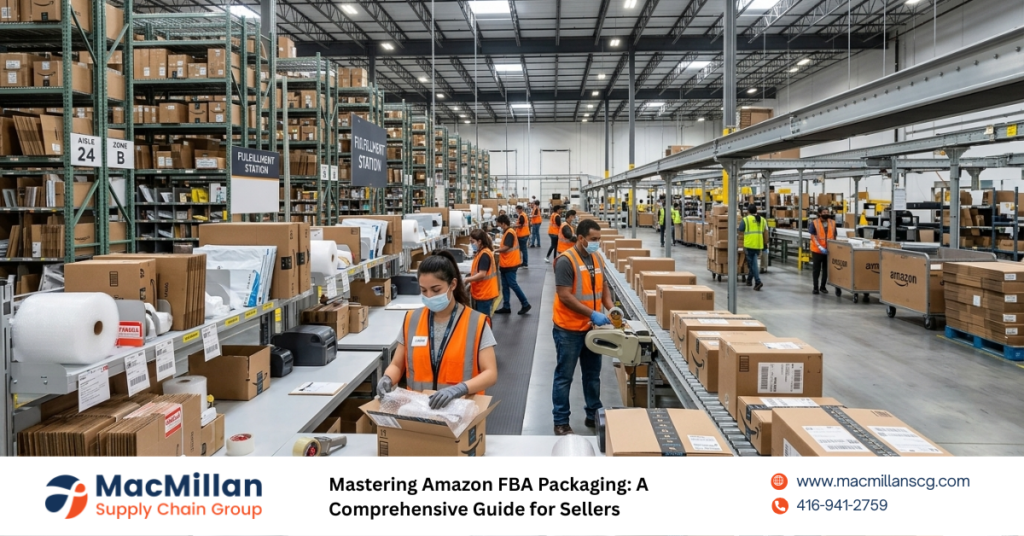
A quick summary and overview Amazon FBA (Fulfillment by Amazon) sellers must navigate complex packaging requirements to ensure smooth operations and avoid costly mistakes. This comprehensive guide delves into the essential aspects of Amazon FBA packaging, including size restrictions, approved materials, labeling requirements, and best practices for fragile items. By understanding and implementing these guidelines, sellers can streamline their fulfillment process, reduce fees, and enhance customer satisfaction. MacMillan Supply Chain Group offers expert solutions to help sellers overcome common packaging challenges and optimize their Amazon FBA strategy, ensuring compliance and efficiency in today’s competitive e-commerce landscape. An introduction As an Amazon FBA seller, mastering the intricacies of packaging requirements is crucial for success in the highly competitive e-commerce marketplace. Proper packaging not only ensures that your products reach customers in pristine condition but also plays a vital role in maintaining compliance with Amazon’s strict guidelines. Failure to adhere to these requirements can result in additional fees, shipment rejections, and potential account suspension. This guide aims to provide a comprehensive overview of Amazon FBA packaging requirements, offering valuable insights and practical tips to help sellers navigate this complex aspect of their business. By partnering with MacMillan Supply Chain Group, sellers can leverage expert knowledge and tailored solutions to overcome packaging challenges and optimize their fulfillment processes for maximum efficiency and profitability. Understanding Amazon FBA Packaging Dimensions and Weight Restrictions Amazon FBA has specific size and weight limitations for packages to ensure efficient handling and storage within their fulfillment centers. Understanding these restrictions is crucial for sellers to avoid additional fees and potential shipment rejections. Standard-size packages: Maximum weight: 20 lbs (9 kg) Longest side: 18 inches (45.72 cm) Median side: 14 inches (35.56 cm) Shortest side: 8 inches (20.32 cm) Dimensional weight: 12 lbs (5.4 kg) or less Oversize packages: Maximum weight: 150 lbs (68 kg) Longest side: 108 inches (274.32 cm) Girth (2x width + 2x height): 165 inches (419.1 cm) It’s important to note that packages exceeding these dimensions or weights may incur additional handling fees or be subject to Amazon’s specialized handling services. Sellers should always strive to package their products efficiently, using appropriately sized boxes or poly bags to minimize wasted space and reduce shipping costs. MacMillan Supply Chain Group can assist sellers in optimizing their packaging strategies to meet Amazon’s requirements while maximizing cost-efficiency. By leveraging our expertise in logistics and supply chain management, sellers can ensure their products are packaged correctly for FBA, avoiding unnecessary fees and delays in the fulfillment process. Approved Packaging Materials for Amazon FBA Selecting the right packaging materials is crucial for protecting your products during transit and complying with Amazon FBA guidelines. Here’s an overview of approved materials: Boxes: Use sturdy, corrugated cardboard boxes that can withstand the rigors of shipping and handling. Poly bags: For smaller items, clear polyethylene bags are acceptable. Ensure they’re at least 1.5 mil thick and include suffocation warnings if required. Bubble wrap: An excellent choice for cushioning fragile items. Use it to wrap individual products or as void fill. Air pillows: These inflatable plastic cushions are lightweight and effective for filling empty spaces in boxes. Kraft paper: A versatile option for wrapping products or crumpling as void fill. Stretch wrap: Ideal for bundling multiple items together or securing items within a box. Prohibited materials include: Packing peanuts Shredded paper Styrofoam Crinkle paper It’s essential to avoid these materials as they can interfere with Amazon’s automated sorting systems and lead to shipment rejections. MacMillan Supply Chain Group can help you source approved packaging materials and develop custom packaging solutions that meet Amazon’s requirements while ensuring product protection. Our expertise in sustainable packaging options can also help you reduce your environmental impact and appeal to eco-conscious consumers. Essential Labeling Requirements for Amazon FBA Packaging Proper labeling is critical for successful Amazon FBA fulfillment. Accurate and compliant labels ensure efficient processing, storage, and shipping of your products. Here are the key labeling requirements: FNSKU (Fulfillment Network Stock Keeping Unit) labels: These unique barcodes must be applied to each product or its packaging. They’re essential for inventory tracking within Amazon’s fulfillment centers. Shipping labels: Every box or pallet shipped to Amazon must have a shipping label with the correct destination information and tracking barcode. Expiration date labels: Required for products with a limited shelf life, such as food or cosmetics. Suffocation warning labels: Mandatory for poly bags with openings of 5 inches or larger. Set or bundle labels: For products sold as sets, clearly indicate that items should not be separated. Fragile item labels: Use these to ensure proper handling of delicate products. Transparency codes: If enrolled in Amazon’s Transparency program, apply these unique codes to combat counterfeiting. Ensure all labels are clearly visible, scannable, and securely attached to avoid processing delays or rejections. MacMillan Supply Chain Group offers comprehensive labeling services, including the printing and application of all required Amazon FBA labels. Our advanced labeling systems and quality control processes ensure accuracy and compliance, reducing the risk of costly errors and streamlining your FBA operations. Best Practices for Packaging Fragile or Unique Items Packaging fragile or unique items for Amazon FBA requires extra care and attention to detail. Follow these best practices to ensure your products arrive safely and meet Amazon’s standards: Individual wrapping: Wrap each fragile item separately using bubble wrap or foam sheets. This provides an extra layer of protection against impacts and vibrations during transit. Double-boxing: For extremely delicate items, use the box-in-box method. Place the wrapped item in a smaller box with cushioning, then place that box inside a larger one with additional padding. Void fill: Use approved materials like air pillows or kraft paper to fill empty spaces in the box, preventing items from shifting during transport. Cushioning corners: Pay special attention to corners and edges, as these are most susceptible to damage. Use corner protectors or extra padding in these areas. Proper sealing: Use strong packing tape to secure all box openings. For added security, consider using reinforced
3PL Solutions Revolution: Transforming Supply Chains with MacMillan Expertise
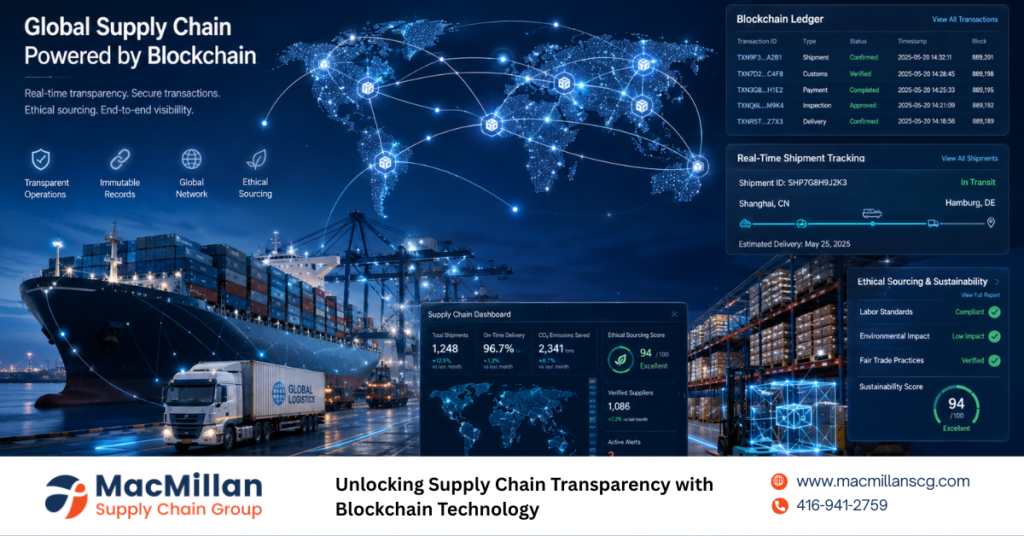
A Quick Summary and Overview Third-party logistics (3PL) is reshaping the supply chain landscape, offering businesses unprecedented flexibility and efficiency. This article delves into the transformative power of 3PL solutions, highlighting how MacMillan Supply Chain Group is at the forefront of this revolution. We’ll explore the benefits of partnering with a 3PL provider, common challenges in implementation, and how MacMillan’s expertise can help businesses overcome these hurdles. From cost reduction to improved customer satisfaction, learn how 3PL can be your secret weapon in today’s competitive market. Discover why more companies are turning to MacMillan for innovative, tailored logistics solutions. An Introduction In today’s fast-paced business environment, efficient supply chain management is no longer a luxury—it’s a necessity. As companies strive to meet ever-increasing customer demands while keeping costs in check, third-party logistics (3PL) has emerged as a game-changing solution. But what exactly is 3PL, and how can it benefit your business? At its core, 3PL involves outsourcing logistics and distribution activities to specialized providers. This allows companies to focus on their core competencies while leveraging the expertise and resources of logistics professionals. As a leader in the field, MacMillan Supply Chain Group has been at the forefront of this revolution, helping businesses of all sizes optimize their supply chains and gain a competitive edge. In this comprehensive guide, we’ll explore the ins and outs of 3PL, its benefits, challenges, and how MacMillan’s innovative 3PL solutions can transform your logistics operations. Understanding 3PL: More Than Just Outsourcing Third-party logistics is often misunderstood as simple outsourcing, but it’s much more than that. 3PL providers like MacMillan Supply Chain Group offer a comprehensive suite of services that can encompass your entire supply chain. These services typically include: Warehousing and Distribution: Strategic storage and efficient movement of goods. Transportation Management: Optimizing routes and modes of transport for cost-effectiveness. Inventory Management: Real-time tracking and demand forecasting. Order Fulfillment: Picking, packing, and shipping orders directly to customers. Reverse Logistics: Managing returns and exchanges efficiently. What sets 3PL apart is the level of integration and customization available. Unlike traditional logistics outsourcing, 3PL providers become strategic partners, aligning their services with your business goals. This partnership allows for: Scalability: Easily adjust to market demands without significant capital investment. Technology Integration: Access to advanced logistics software and analytics. Continuous Improvement: Ongoing optimization based on data-driven insights. MacMillan Supply Chain Group takes this partnership approach to heart, working closely with clients to develop tailored 3PL solutions that address their unique challenges and opportunities. By understanding your business inside and out, we can provide 3PL services that not only meet your current needs but also support your long-term growth strategies. The Benefits of 3PL: Why Businesses Are Making the Switch The adoption of 3PL solutions is on the rise, and for good reason. Businesses partnering with providers like MacMillan Supply Chain Group are reaping significant benefits: Cost Reduction: By leveraging economies of scale and expertise, 3PLs can often provide logistics services at a lower cost than in-house operations. Improved Efficiency: Specialized knowledge and advanced technologies lead to streamlined processes and faster turnaround times. Enhanced Focus on Core Competencies: Outsourcing logistics allows businesses to concentrate on product development, marketing, and customer service. Global Reach: 3PLs often have international networks, facilitating easier expansion into new markets. Flexibility and Scalability: Easily adjust to seasonal fluctuations or rapid growth without major investments. Risk Mitigation: 3PLs stay updated on regulations and industry best practices, reducing compliance risks. Access to Advanced Technology: Benefit from state-of-the-art logistics software without the need for large IT investments. Improved Customer Satisfaction: Faster, more accurate order fulfillment leads to happier customers. MacMillan Supply Chain Group has helped numerous clients achieve these benefits and more. For instance, one e-commerce client saw a 30% reduction in shipping costs and a 25% improvement in order accuracy within six months of partnering with us. By tailoring our services to each client’s unique needs, we ensure that the benefits of 3PL are maximized for every business we work with. Overcoming 3PL Implementation Challenges While the benefits of 3PL are clear, the transition isn’t always smooth sailing. Common challenges include: Integration Issues: Aligning existing systems with the 3PL provider’s technology can be complex. Loss of Control: Some businesses fear losing oversight of their logistics operations. Cultural Misalignment: Differences in company culture can lead to communication breakdowns. Data Security Concerns: Sharing sensitive information with a third party can raise security questions. Performance Measurement: Establishing clear KPIs and monitoring mechanisms is crucial but often overlooked. Initial Cost Concerns: The upfront investment in transitioning to 3PL can be daunting for some businesses. MacMillan Supply Chain Group has developed strategies to address these challenges head-on: We offer seamless system integration, with dedicated IT support to ensure smooth data flow. Our transparent reporting and communication protocols keep clients informed and in control. We prioritize cultural alignment, adapting our approach to match each client’s values and work style. Robust data security measures, including encryption and regular audits, protect client information. We work with clients to establish clear, measurable KPIs and provide regular performance reviews. Our flexible pricing models and ROI projections help businesses understand the long-term value of 3PL investment. By proactively addressing these common hurdles, MacMillan ensures a smooth transition to 3PL, allowing clients to quickly start reaping the benefits of optimized logistics. The Future of 3PL: Trends Shaping Logistics The 3PL industry is constantly evolving, driven by technological advancements and changing market demands. Key trends to watch include: Artificial Intelligence and Machine Learning: Predictive analytics for demand forecasting and route optimization. Internet of Things (IoT): Real-time tracking and monitoring of goods throughout the supply chain. Blockchain Technology: Enhanced transparency and security in supply chain transactions. Robotics and Automation: Increased efficiency in warehousing and fulfillment operations. Sustainable Logistics: Growing focus on eco-friendly transportation and packaging solutions. Last-Mile Innovation: New delivery methods, including drones and autonomous vehicles. Omnichannel Fulfillment: Seamless integration of online and offline retail channels. MacMillan Supply Chain Group is at the forefront of these trends, continuously investing in new technologies and methodologies. We’re not just keeping pace with change; we’re driving innovation in the industry. Our recent initiatives include: Implementing AI-driven demand forecasting, reducing inventory costs for
Streamline Your Supplement Business with MacMillan Supply Chain’s Fulfillment Services
A quick summary and overviewMacMillan Supply Chain Group offers comprehensive supplement fulfillment services designed to streamline operations for dietary supplement brands. Our expertise encompasses regulatory compliance, inventory management, and e-commerce integration, ensuring your products reach customers quickly and accurately. With custom packaging solutions and state-of-the-art technology, we help elevate your brand and enhance customer satisfaction. Our focus on speed, accuracy, and quality sets us apart in the logistics industry, providing you with a competitive edge. Partner with MacMillan Supply Chain to optimize your fulfillment process, reduce costs, and drive growth in the dynamic supplement market. An introduction In the fast-paced world of dietary supplements, efficient fulfillment processes are crucial for success. The unique challenges of handling supplements, including expiration dates and strict regulatory requirements, demand specialized expertise and precision. MacMillan Supply Chain Group stands at the forefront of supplement fulfillment services, offering tailored solutions that ensure timely delivery while maintaining the highest standards of quality and compliance. Our services cater to a diverse range of businesses, from small startups to established brands, providing seamless integration with e-commerce platforms and exceptional customer support. Whether you need custom packaging, inventory management, or rapid shipping solutions, MacMillan Supply Chain is your trusted partner in navigating the complex landscape of supplement logistics. Let’s explore how our services can transform your fulfillment operations and drive your business forward. Fulfillment Services: Understanding Supplement Supplement fulfillment services encompass a range of specialized processes designed to handle the unique requirements of dietary supplements. These services include receiving, storing, processing, and shipping products while adhering to strict quality control measures and regulatory standards. At MacMillan Supply Chain, we understand the critical nature of supplement fulfillment and have developed robust systems to ensure product integrity throughout the supply chain. Key components of our supplement fulfillment services include: Inventory Management: We employ advanced tracking systems to monitor stock levels, expiration dates, and batch numbers, preventing stockouts and minimizing waste. Order Processing: Our automated systems ensure swift and accurate order fulfillment, reducing errors and improving customer satisfaction. Regulatory Compliance: We maintain strict adherence to FDA regulations and Current Good Manufacturing Practice (cGMP) standards, safeguarding your business from potential legal issues. Quality Control: Our stringent quality assurance processes ensure that only the highest quality products reach your customers. Customized Packaging: We offer bespoke packaging solutions that enhance your brand identity and protect your products during transit. By partnering with MacMillan Supply Chain, you gain access to our expertise in these critical areas, allowing you to focus on growing your supplement business while we handle the intricacies of fulfillment. The Importance of Speed and Accuracy in Supplement Shipping In the supplement industry, speed and accuracy in shipping are not just conveniences – they’re necessities. The time-sensitive nature of dietary supplements, with their expiration dates and potential for degradation, makes efficient shipping crucial for maintaining product efficacy and customer satisfaction. MacMillan Supply Chain prioritizes speed and accuracy in several ways: Advanced Inventory Management: Our real-time tracking systems ensure that products are always available and shipped promptly. Streamlined Order Processing: Automated systems minimize human error and expedite order fulfillment. Strategic Warehouse Locations: We position inventory strategically to reduce shipping times across various regions. Multiple Shipping Options: We offer various shipping methods to meet different customer needs and preferences. Quality Control Measures: Rigorous checks at every stage of the fulfillment process ensure accuracy and prevent errors. The benefits of fast and accurate shipping extend beyond customer satisfaction. They also contribute to: Reduced returns and complaints Increased customer loyalty and repeat purchases Enhanced brand reputation Lower operational costs due to fewer errors and returns By partnering with MacMillan Supply Chain, you leverage our expertise in rapid, precise shipping, giving your supplement business a competitive edge in a crowded market. Custom Packaging and E-Commerce Integration Solutions In the supplement industry, standing out from the competition is crucial. MacMillan Supply Chain offers custom packaging solutions that not only protect your products but also elevate your brand identity. Our e-commerce integration capabilities further streamline your operations, creating a seamless experience for both you and your customers. Custom Packaging Benefits: Brand Recognition: Unique packaging designs help your products stand out on shelves and in unboxing videos. Product Protection: Tailored packaging ensures your supplements arrive in perfect condition. Customer Experience: Thoughtful packaging enhances the unboxing experience, fostering customer loyalty. Sustainability: We offer eco-friendly packaging options to align with environmentally conscious consumers. E-Commerce Integration Solutions: Platform Compatibility: Our systems integrate seamlessly with popular e-commerce platforms like Shopify, WooCommerce, and Magento. Real-Time Inventory Updates: Synchronize your online store with our warehouse inventory for accurate stock levels. Automated Order Processing: Orders from your e-commerce platform are automatically sent to our fulfillment center for quick processing. Customer Tracking: Provide your customers with real-time shipping updates directly from your website. By combining custom packaging with robust e-commerce integration, MacMillan Supply Chain helps you create a cohesive brand experience from online purchase to product delivery, enhancing customer satisfaction and driving repeat business. Regulatory Compliance and Quality Assurance in Supplement Fulfillment Navigating the complex regulatory landscape of the supplement industry can be challenging. MacMillan Supply Chain excels in ensuring that your fulfillment processes meet all necessary compliance standards while maintaining the highest quality assurance measures. Regulatory Compliance: FDA Regulations: We stay up-to-date with all FDA guidelines for dietary supplements, including labeling requirements and Good Manufacturing Practices (GMP). Documentation: Our systems maintain detailed records for traceability and regulatory audits. Allergen Control: We implement strict protocols to prevent cross-contamination of allergens. International Compliance: For businesses shipping globally, we ensure adherence to international regulatory standards. Quality Assurance Measures: Batch Testing: Regular quality checks on incoming and outgoing products ensure consistency and potency. Temperature Control: Climate-controlled storage facilities maintain product integrity. Expiration Date Management: Our inventory system tracks expiration dates to prevent the shipment of expired products. Staff Training: Ongoing education for our team ensures they’re knowledgeable about supplement handling best practices. By partnering with MacMillan Supply Chain, you gain peace of mind knowing that your supplement fulfillment processes are not only efficient but also compliant with all relevant regulations. This attention to detail protects your brand reputation and builds trust with your customers, setting
Micro-Fulfillment Centers: Faster Deliveries, Happier Customers, and Smarter Supply Chains
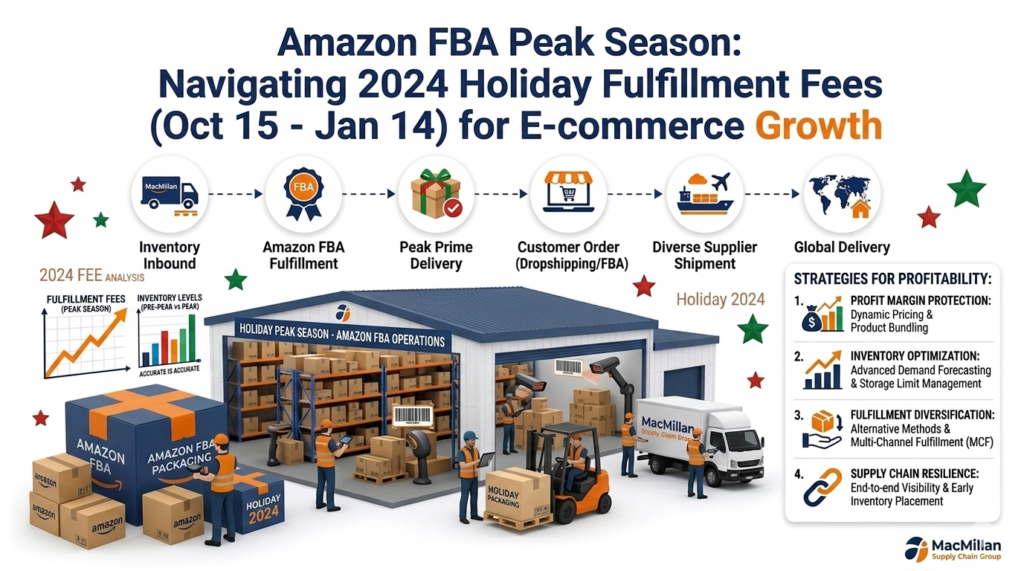
Introduction: Why Speed is the New Currency Let’s face it: we’ve all abandoned an online cart because delivery took “5-7 business days.” In today’s I-want-it-now world, customer experience isn’t just about quality products—it’s about lightning-fast fulfillment. Enter micro-fulfillment centers, the unsung heroes helping retailers turn “Where’s my order?” angst into “Wow, that was quick!” loyalty. By blending urban convenience with automation smarts, MFCs aren’t just solving last-mile headaches—they’re rewriting the rules of retail. Location, Location, Automation: The MFC Trifecta Why cities? Simple math: the closer your stockpile of products is to customers, the faster they get their hands on them. MFCs thrive in urban jungles, often hiding in plain sight—inside malls, under parking garages, or even repurposed retail spaces. This isn’t just about saving on gas; it’s about offering game-changers like: Curbside pickup in under an hour Same-day delivery without the sky-high fees BOPIS (Buy Online, Pickup In-Store) that actually works Forget cross-country trucking—this is hyperlocal logistics on steroids. Robots, Software, and the Art of Speedy Packing Picture this: robotic arms plucking items off shelves, conveyor belts whisking orders to packing stations, and AI predicting what you’ll buy next week. That’s the automation backbone of MFCs. These tech tools aren’t just flashy gadgets—they’re precision instruments that: Cut human error (no more mismatched socks in your jeans order) Process 200+ orders/hour (while your barista makes your latte) Adapt to holiday rushes without breaking a sweat It’s like having a 24/7 warehouse crew that never calls in sick. The Cost-Saving Playbook: How MFCs Boost Your Bottom Line Sure, speed wows customers—but let’s talk money. MFCs are the ultimate frugal innovators: Slash last-mile costs by up to 50% (goodbye, $10 delivery fees!) Dodge zoning red tape with compact, modular setups Repurpose dead retail space (RIP, empty department stores) Those savings? Reinvest them in loyalty programs, sharper pricing, or finally launching that eco-friendly packaging you’ve been eyeing. Customer Delight 101: Turn “Meh” into “More, Please!” Here’s a secret: customers don’t just want fast delivery—they crave reliability. When you promise “by 7 PM” and deliver at 6:58 PM, you’re not just moving a product; you’re building trust. MFCs let small retailers punch above their weight, offering: Same-day delivery that rivals retail giants Fewer “out of stock” heartbreaks (thanks to real-time inventory tracking) Personalized pickup options (because nobody wants to wait for a porch pirate) Happy customers = repeat buyers = your CFO doing a victory lap. MFC Growing Pains (and How to Dodge Them) MFCs aren’t all rainbows and robots. Common hiccups include: Sticker shock from automation costs Tech tantrums during system integrations Inventory Tetris in cramped spaces MacMillan Supply Chain’s Fix-It Kit: Budget Whisperers: We’ll help you navigate ROI—no MBA required. Tech Therapy: Our engineers make automation play nice with your existing systems. Stockpile Science: AI-driven tools predict restocks before you hit “empty.” Location Scouts: We pinpoint MFC spots using heatmaps, traffic data, and coffee shop density (kidding… mostly). Your Action Plan: From “Maybe” to “Let’s Go!” Thinking about MFCs but overwhelmed? Start here: Audit your pain points: Are slow deliveries hurting conversions? Crunch the numbers: How much could you save by cutting last-mile costs? Partner up: Firms like MacMillan handle the heavy lifting so you can focus on customers. Ready to Out-Deliver the Competition? Tap into MacMillan’s 15+ years of supply chain wizardry. Let’s design an MFC strategy that turns your logistics into a profit engine—not a cost sink. Final Thought: In the race for customer loyalty, micro-fulfillment centers aren’t just a nice-to-have—they’re your secret weapon. And with partners like MacMillan, you’ll spend less time untangling supply chain knots and more time celebrating those 5-star “lightning fast delivery” reviews FAQS What is a micro-fulfillment center? A micro-fulfillment center is a compact facility that stores inventory near consumers to expedite order delivery. Where are micro-fulfillment centers typically located? They are strategically positioned in urban areas, often within or next to retail stores to minimize product travel distance. How do micro-fulfillment centers improve delivery times? By housing inventory closer to end-users, MFCs shorten the delivery window significantly. What role does automation play in micro-fulfillment centers? Automation technologies like robots and software streamline the fulfillment process, enhancing speed and accuracy. Can micro-fulfillment centers benefit small retailers? Absolutely. Small retailers gain competitive delivery speeds typically associated with larger entities. How often do micro-fulfillment centers need to be restocked? Typically, MFCs require restocking every 1 to 2 days due to their limited storage capacity. Can micro-fulfillment centers be integrated with existing retail infrastructure? Yes, they can be seamlessly incorporated into existing operations to offer enhanced omnichannel solutions. What are the key benefits of using micro-fulfillment centers? They include faster delivery times, lower logistics costs, improved customer satisfaction, and increased agility in supply chain management.