
Why Omnichannel Fulfillment Breaks Down When Inventory Visibility Is Weak
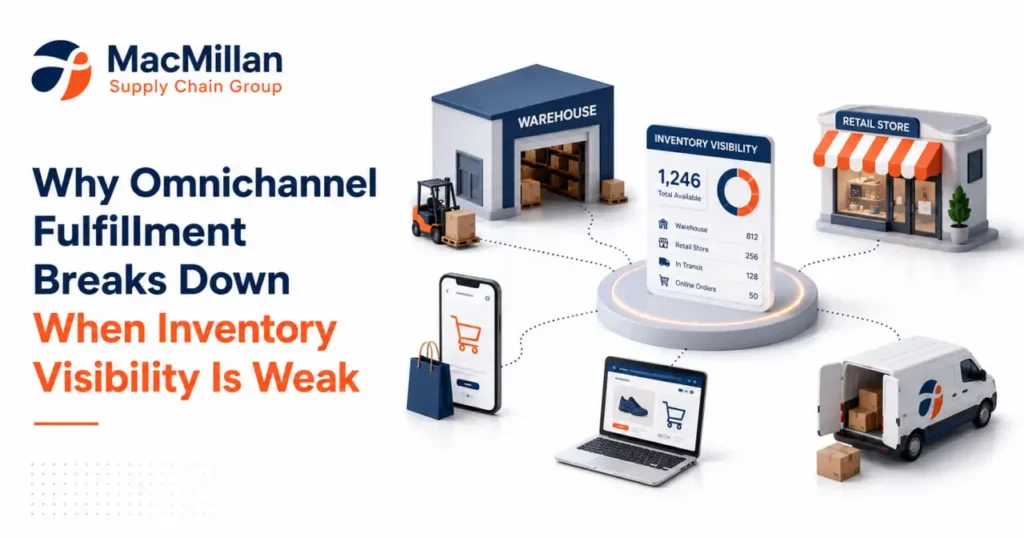
A Quick Summary and Overview Omnichannel fulfillment only works when inventory data is accurate, current, and shared across channels. When visibility is weak, brands struggle with stockouts, overselling, delayed replenishment, poor order routing, and inconsistent customer experiences across retail, ecommerce, and marketplace channels. Recent industry coverage keeps pointing to the same issue: unified commerce depends on real-time inventory visibility, not disconnected systems or delayed updates. For MacMillan, this is a highly relevant topic. The company already positions itself around Mantis-powered WMS visibility, real-time order and shipment tracking, scan-verified fulfillment, KPI-led reporting, retail-ready warehousing, and integrated warehousing, transportation, ecommerce fulfillment, and value-added services for FMCG brands. Introduction Omnichannel fulfillment sounds simple on the surface. A customer orders through one channel, inventory is picked from the best location, and the product arrives on time. But behind that experience is a much more demanding operational reality. Brands have to keep inventory aligned across retail, ecommerce, marketplaces, promotions, and replenishment flows all at once. That is where many operations start to break down. The problem is often not channel count alone. It is weak inventory visibility. When teams cannot see what is actually available, where it is located, what is allocated, and what should move next, omnichannel fulfillment becomes reactive, error-prone, and expensive. Current omnichannel and inventory visibility coverage consistently emphasizes real-time inventory as a core requirement for modern fulfillment because delayed or fragmented data undermines everything that follows. MacMillan’s service model fits this conversation well because its site already emphasizes visibility, synchronization, accurate inventory control, real-time data, and retailer-ready execution for fast-moving consumer goods. Why Inventory Visibility Matters More Than Ever Omnichannel fulfillment is getting harder because brands are serving more channels without gaining more margin for mistakes. Retailers expect tighter execution. Ecommerce customers expect fast delivery and accurate stock information. Internal teams need cleaner data to support launches, promotions, and replenishment decisions. Recent industry reporting points to the same pressure points: ship-from-store complexity, BOPIS and hybrid fulfillment demands, faster delivery expectations, and the need for real-time inventory data across networks. Shopify’s 2026 logistics coverage says inventory visibility is one of the defining omnichannel supply chain challenges this year. Microsoft’s inventory visibility documentation also frames real-time, cross-source on-hand tracking as a core requirement for modern commerce operations. For FMCG brands, that matters even more because demand moves quickly, promotions create spikes, and poor inventory decisions can affect both shelf availability and digital conversion. What Inventory Visibility Really Means Inventory visibility is not just knowing how much stock you have in total. In an omnichannel environment, brands need to know: what is available now what is allocated what is in transit what is committed to retail what is reserved for ecommerce what is at risk of delay or exception which location can fulfill the order most effectively Without that level of visibility, omnichannel fulfillment becomes guesswork. Microsoft’s Inventory Visibility service describes the need for real-time change postings and visibility tracking across all inventory data sources and channels. Radial makes a similar point, noting that real-time visibility is what enables retailers to deliver true omnichannel customer experiences. MacMillan’s site aligns closely with this need through its emphasis on WMS-powered visibility, real-time updates, inventory access, tracking, and data-driven KPI reporting. 6 Reasons Omnichannel Fulfillment Breaks Down When Visibility Is Weak 1. Stock data becomes inconsistent across channels One of the first issues is simple but damaging: different systems show different inventory positions. That leads to overselling, missed replenishment, and confusion between retail, ecommerce, and operations teams. When channels are not drawing from synchronized inventory data, brands start making decisions based on partial truth. Industry sources increasingly describe disconnected systems and delayed inventory updates as a central cause of omnichannel friction. Shopify highlights this as part of the broader unified-commerce challenge, while Microsoft’s documentation is built around solving this exact issue through shared visibility across sources. 2. Order routing decisions get worse If inventory visibility is weak, brands cannot reliably decide where to fulfill from. That causes inefficient routing, slower delivery, higher transportation cost, and more manual intervention. Teams may ship from the wrong node, split orders unnecessarily, or delay fulfillment while they verify what stock is actually available. MacMillan’s positioning around synchronized platforms, real-time visibility, and integrated transportation helps address this kind of execution gap. The company also highlights national coverage, milestone tracking, and route-aware transportation support. 3. Retail and ecommerce start competing for the same stock This is one of the biggest hidden problems in omnichannel operations. When visibility is weak, inventory meant for store replenishment may be consumed by ecommerce orders, or digital channels may show stock that is effectively unavailable because it is already committed elsewhere. That creates internal conflict and poor service on both sides. Impact Analytics’ 2026 omnichannel inventory management guide emphasizes that accurate, real-time visibility is essential for balancing inventory across channels with confidence. 4. Promotions and launches create operational chaos Promotions expose weak inventory visibility very quickly. A campaign can drive demand across multiple channels at once, but if inventory is not tracked accurately by location and status, brands struggle to allocate stock correctly, avoid stockouts, and support rapid replenishment. That leads to missed sales, poor customer experience, and pressure on warehouse teams. MacMillan’s services speak directly to this challenge. The site highlights support for fluctuating promotional volumes, seasonal peaks, launch readiness, rapid replenishment, and retail-specific preparation. 5. Accuracy and compliance problems multiply Weak visibility does not stay an inventory problem for long. It becomes a fulfillment problem, then a compliance problem. If teams do not have clear, current inventory data, they are more likely to mis-pick, substitute incorrectly, delay outbound orders, or create retailer issues tied to missing inventory, late delivery, or poor prep. MacMillan’s site repeatedly connects visibility with scan-verified fulfillment, ASN support, retailer-ready execution, and performance reporting. 6. Customer experience becomes inconsistent When inventory visibility is weak, customers see the symptoms even if they never see the system problem. They experience: inaccurate stock availability delayed shipments
AI-Enabled Touchless Planning: Revolutionizing Supply Chain Efficiency and Accuracy
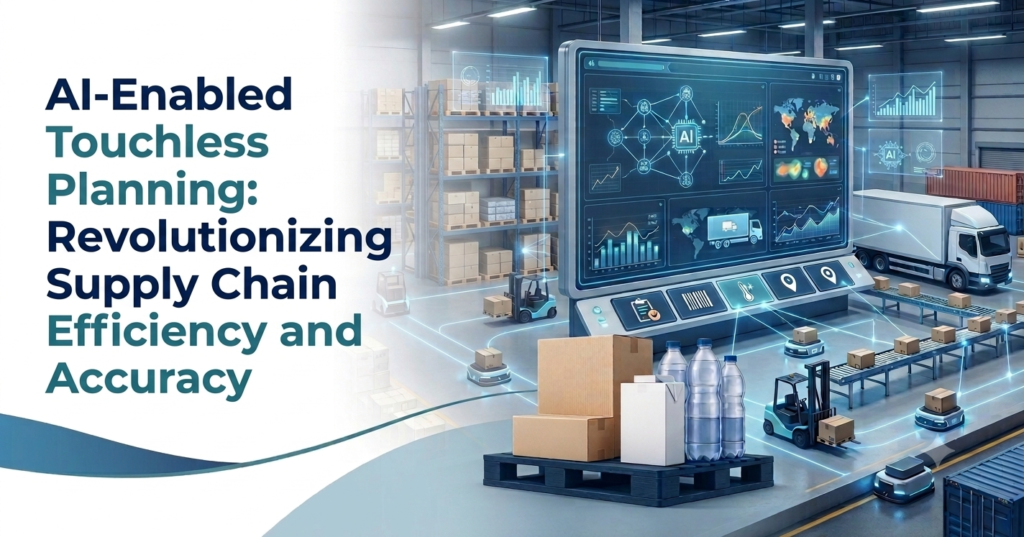
The Future is Hands-Free: How Touchless Planning is Rewriting Supply Chain Rules Imagine a world where your supply chain runs like a self-driving car—anticipating bumps, adjusting routes in real time, and freeing your team to focus on the big picture. That’s the promise of touchless planning, and it’s not science fiction. This AI-powered approach is helping companies cut costs, boost accuracy, and outmaneuver competitors. Let’s unpack why this isn’t just another tech trend—it’s the new playbook for supply chain success. Why Touchless Planning Isn’t Just a Buzzword Supply chains today face a perfect storm: skyrocketing customer expectations, volatile markets, and razor-thin margins. Enter touchless planning—the secret weapon turning logistics teams from firefighters into strategists. By letting AI handle the grunt work of forecasting and adjustments, companies like yours are discovering something revolutionary: automation doesn’t replace people, it makes them superheroes. At MacMillan Supply Chain, we’ve seen how this shift works. One client reduced stockouts by 40% while trimming excess inventory. Another slashed planning cycle time from weeks to days. The common thread? They stopped drowning in spreadsheets and started steering their business. How Touchless Planning Actually Works (No Jargon, We Promise) Think of touchless planning as your always-on supply chain co-pilot. Here’s what makes it tick: AI that learns as it goes: Unlike rigid old systems, these tools adapt to your unique business rhythms—seasonal spikes, supplier quirks, even weather patterns. Real-time crystal ball: By crunching live data from sales, warehouses, and global markets, it spots trends humans might miss until it’s too late. Transparency you can trust: Goodbye “black box” anxiety. Modern systems explain their logic, so your team understands why AI suggests moving inventory or adjusting orders. The magic happens when these elements work together. Picture this: Your system spots a port strike in Asia, checks alternative suppliers, recalculates delivery timelines, and updates your production schedule—all before your coffee gets cold. Why Your Competitors Are Racing to Adopt This The numbers tell a compelling story: Companies using touchless planning see up to 70% fewer manual interventions—that’s thousands of hours freed for strategic work Forecasting errors drop by 30-50%, meaning fewer “oh no” moments when inventory doesn’t match demand 15-25% lower carrying costs as warehouses stop hoarding “just in case” stock But the real win? Your team stops being data entry clerks and becomes business doctors—diagnosing issues, spotting opportunities, and keeping customers glued to your brand. Making the Shift Without the Headaches Let’s be real: Asking planners to trust AI with their baby (your supply chain) takes finesse. Here’s how to nail the transition: 1. Start with a “Why” Workshop Gather your team and ask: “What drains your time most?” Map how AI could tackle those pain points first. Success breeds confidence. 2. Run a Pilot That Can’t Fail Pick a single product line or region. Set clear metrics: “Reduce stockouts here by 20% in 3 months.” Small wins build big believers. 3. Become AI Translators MacMillan’s approach includes training your planners to “speak AI”—understanding how to tweak algorithms and interpret insights without needing a data science degree. 4. Celebrate the Human Wins When your procurement lead uses freed-up time to negotiate better supplier terms? Shout it from the rooftops. Show how AI elevates roles instead of replacing them. Bumps in the Road (And How to Smooth Them) Every transformation has its hurdles. Here’s how we help clients clear them: “What If the AI Gets It Wrong?” We build safety nets: Hybrid models where AI suggests and humans approve (at first) Clear override protocols everyone understands Monthly “lessons learned” reviews to improve the system Data Headaches That old saying “garbage in, gospel out” still applies. We partner with you to: Clean up legacy data (yes, even those messy Excel files from 2018) Set up automated quality checks Create simple dashboards that show data health at a glance Change-Resistant Cultures We’ve found that showing > telling works best. One client ran a “Human vs. AI” forecasting contest. When the machine beat veteran planners by 12%? Skepticism melted fast. Your Next Move: Where to Start Ready to dip your toes in touchless waters? Try this: Map your pain points: Where do delays cost you the most? Audit your data: What’s usable? What needs TLC? Book a discovery call: MacMillan’s team will show you real-world examples from your industry. Why This Isn’t Just Another Tech Upgrade Touchless planning isn’t about replacing your team—it’s about giving them superpowers. Imagine: Your planners spotting emerging trends instead of fighting fires Your CFO smiling at reduced waste Your customers staying loyal because you always have what they need That’s the future MacMillan helps build. And it starts with a simple conversation. Let’s Start the Clock Every day you wait is a day competitors gain ground. Reach out today to: See touchless planning in action (no sales pitch—just real demos) Get a free data health check Explore phased rollouts that fit your pace “We thought AI would complicate things. Instead, it simplified our entire operation.” — MacMillan Client, Automotive Parts Manufacturer MacMillan Supply Chain is your partner in navigating the complexities of touchless planning implementation. Reach out to us to begin your journey towards a more efficient, automated supply chain. Frequently Asked Questions What is Touchless Planning? Touchless planning is an AI-driven approach to supply chain planning that minimizes human intervention by automating processes such as demand forecasting and inventory management. The use of machine learning algorithms ensures high accuracy and efficiency. How Does Touchless Planning Improve Forecasting Accuracy? Touchless planning improves forecasting accuracy by using AI and real-time data to identify trends, predict demand changes, and automatically adjust plans faster than manual methods. What Are the Primary Benefits of Touchless Planning? The main benefits include reduced manual work, faster planning cycles, improved forecasting accuracy, lower inventory costs, fewer stockouts, and better operational efficiency. How Is Trust Built in Touchless Planning Systems? Trust is built through transparent AI recommendations, human oversight, clear approval processes, and continuous system performance reviews. Can Touchless Planning Be Integrated with Existing Systems?
Revolutionizing Last-Mile Delivery with Drones and Autonomous Technologies
Quick Summary Picture this: You’re waiting for a package, tapping your foot impatiently. In today’s fast-paced world, the final stretch of delivery the last mile is where logistics either shines or stumbles. Enter drones zipping through skies, droids rolling down sidewalks, and self-driving vans quietly navigating neighborhoods. These aren’t sci-fi fantasies; they’re real innovations reshaping how goods reach your doorstep. Beyond speed and cost savings, they’re transforming customer expectations and even helping the planet breathe a little easier. Introduction Let’s face it: The last mile is the make-or-break moment in delivery. It’s where delays frustrate customers and costs pile up. But as online shopping skyrockets, the pressure to deliver faster, cheaper, and greener has sparked a tech revolution. Autonomous vehicles, drones, and droids are stepping into the spotlight, promising to tackle age-old logistics headaches with precision. Think fewer missed deliveries, happier customers, and a lighter carbon footprint. Autonomous Delivery: Not Just a Gimmick Imagine a drone dropping off your morning coffee or a droid delivering groceries while you’re stuck in a meeting. These aren’t quirky experiments anymore. Companies like Amazon and Nuro are already testing autonomous vehicles that dodge traffic, slash delivery times, and cut fuel use. For instance, Amazon’s Prime Air drones can zip packages under five pounds to doorsteps in under an hour, while Nuro’s pint-sized robo-vans handle local grocery runs. The best part? These innovations aren’t just fast they’re eco friendly. Fewer gas guzzling trucks idling in traffic means cleaner air and quieter streets. It’s a win win for businesses racing to meet customer demands and communities tired of delivery gridlock. Slashing Costs Without Cutting Corners Here’s a staggering fact: Over half of delivery expenses come from the last mile. But automation is flipping the script. Smart route optimization tools act like GPS wizards, finding the quickest paths while dodging traffic jams. Predictive analytics? They’re like crystal balls for logistics, spotting potential delays before they happen. Take a bakery delivering fresh croissants: Real-time tracking ensures they’re warm when they arrive, and automated routing means fewer wrong turns. The result? Lower fuel bills, fewer overtime hours, and customers who actually look forward to delivery updates. Roadblocks: Rules and Trust Issues Of course, innovation doesn’t come easy. Safety concerns and red tape loom large. How do you convince regulators that a drone won’t crash into a tree? Or reassure customers that a driverless van won’t mix up their address? The answer lies in collaboration. Governments need clear safety frameworks, while companies must demystify the tech for the public. Think interactive demos, transparent safety data, and maybe even cute droid mascots to win hearts. After all, trust is the real fuel for adoption. Happy Customers = Loyal Customers What’s cooler than tracking your pizza delivery like a Uber ride? Autonomous tech turns delivery into a seamless experience. Smart lockers let you grab packages at 2 AM, while live maps eliminate “Where’s my order?” anxiety. Say you’re stuck at work: A droid can drop your laptop charger at your doorstep, or a locker holds it securely until you’re free. This isn’t just convenience it’s empowerment. And when customers feel in control, they stick around. Challenges? We’ve Got Solutions Let’s be real: Upgrading to autonomous delivery isn’t a plug and play fix. Legacy systems, budget constraints, and tech hiccups can trip up even the savviest teams. Here’s How We Help: At MacMillan Supply Chain, we’re your co pilots in this transition. Our experts decode regulations, integrate tech without disrupting workflows, and tailor strategies to your goals. From optimizing routes to training your team, we turn hurdles into stepping stones. Ready to Leap Into the Future? Start by auditing your current delivery process. Where are the delays? The cost sinks? Partner with a team that’s done this before like ours. Your Next Move: Reach out to MacMillan Supply Chain today. Let’s brainstorm over coffee (delivered by humans, we promise!) and map out a plan that puts you ahead of the curve. The future of delivery isn’t coming it’s here. Let’s grab it together. By maintaining a focus on overcoming current challenges through strategic collaboration and innovation, businesses can capitalize on the numerous benefits autonomous delivery technologies offer. Partner with MacMillan Supply Chain to lead your business into this promising future. Frequently Asked Questions What are the primary technologies transforming last-mile delivery? The foremost technologies include drones, droids, and autonomous delivery vehicles. These innovations enhance delivery speed and efficiency while reducing costs. How do drones benefit last-mile delivery? Drones bypass road traffic, offer rapid delivery times, ensure precision, and contribute to a reduced carbon footprint, making them pivotal in last-mile innovations. What challenges do these technologies face in mainstream adoption? Main challenges include regulatory barriers, public acceptance, and ensuring technology meets safety and privacy standards. How can companies reduce costs through automation in last-mile delivery? By implementing route optimization, real-time tracking, and predictive analytics, companies can minimize travel times, lower fuel consumption, and reduce overall operational costs What improvements in customer experience do these technologies offer? Customers benefit from real-time order tracking, accurate ETAs, and smart parcel lockers, offering transparency, convenience, and flexible delivery options. Which companies are pioneering autonomous last-mile delivery? Leading companies include Amazon, Starship Technologies, and Nuro, which drive innovation and adoption of autonomous delivery solutions. Is the market for autonomous last-mile delivery growing? Yes, the market is expected to grow significantly, driven by the expansion of e-commerce and the increasing demand for efficient delivery solutions.
Canada’s Supply Chain Reconfiguration: Risks, Opportunities & 3PL Solutions
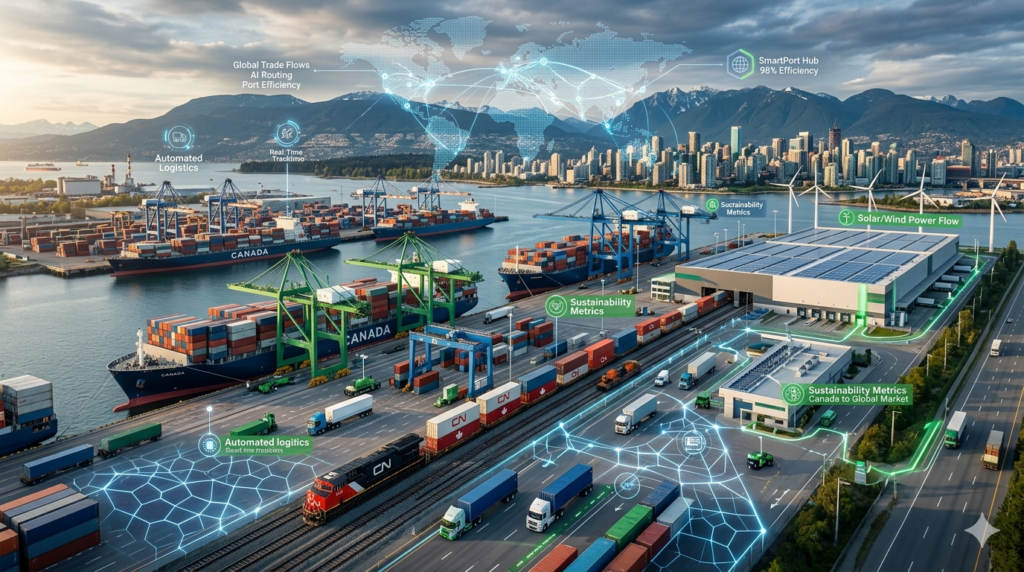
The global supply chain landscape is in the midst of a major shake-up, shaped by geopolitical realignments, tech innovations, and evolving consumer expectations. For Canada, this shift isn’t just a hurdle it’s a chance to rethink strategies and stay ahead in the global game. To keep its edge, Canada needs policies that balance competitiveness with adaptability. As a trusted partner in 3PL logistics solutions, MacMillan Supply Chain Group is all about equipping businesses with scalable, secure supply chain solutions in Canada to tackle these changes head-on. Threats to Canada’s Supply Chain Geopolitical Tensions and Trade Uncertainty Trade isn’t what it used to be. With U.S.-China rivalries, Brexit fallout, and shifting alliances, global trade is fracturing and Canada’s supply chain trends are feeling the heat. The country’s deep ties to international markets leave it exposed to tariffs, trade barriers, and sudden export rules, which could drive up costs for businesses and shoppers alike. Supply Chain Disruptions and Logistics Bottlenecks If the pandemic taught us anything, it’s that supply chains are fragile. Shipping delays, material shortages, and skyrocketing freight costs became the norm, and today’s logistics headaches think climate disasters and cyberattacks keep the pressure on Canada’s supply chain resilience. That’s where MacMillan SCG steps in. Their tech savvy, agile logistics solutions help businesses dodge disruptions through proactive planning and flexible tactics. Over-Reliance on Foreign Suppliers Canada’s heavy dependence on imported essentials like pharmaceuticals, semiconductors, and energy puts it at risk of shortages and price swings. To counter this, businesses need to lean into nearshoring and boosting homegrown manufacturing. With MacMillan SCG’s knack for supply chain optimization, companies can pivot to smarter sourcing and build stronger safeguards. Opportunities for Canada in the New Supply Chain Landscape Strengthening North American Supply Chains Regional trade deals like the Canada-United States-Mexico Agreement (CUSMA) are a golden ticket for Canada. By tightening bonds with the U.S. and Mexico, Canada can shore up supply chain security and cut ties with far flung suppliers. MacMillan SCG’s cross border logistics solutions make trade smoother and faster, helping businesses capitalize on this North American synergy. Embracing Technological Advancements Supply chains are being revolutionized by technology, and Canada cannot afford to fall behind. Transparency, efficiency, and risk management are revolutionized by technologies like automation, blockchain, and artificial intelligence. Canada’s industries can maintain their competitiveness by focusing more on smart infrastructure and digital logistics solutions. MacMillan SCG uses state of the art supply chain technology to provide real time information and optimize operations. Expanding Domestic Manufacturing and Reshoring Not only is it patriotic, but bringing production home is also sensible. By supporting innovation and R&D, Canada can ignite a manufacturing boom in industries like pharmaceutical, aerospace, and automotive. This goal might become a reality with government incentives, strengthening supply chain resilience and promoting economic growth. The distribution and warehousing solutions offered by MacMillan SCG are essential to creating strong domestic networks. Sustainable and Green Supply Chains Green isn’t just a trend it’s the future. Canada’s rich resources and ESG commitment position it as a leader in eco friendly logistics. From renewable energy to circular economies and carbon neutral transport, the country can set the standard. MacMillan SCG walks the talk, embedding sustainability into its logistics playbook by slashing emissions and optimizing routes. Policy Options for Canada Strengthening Trade Diversification Canada needs to cast a wider net. Deepening ties with the EU (via CETA), Asia Pacific (through CPTPP), and African markets can cushion the blow of over relying on any single partner. Enhancing Domestic Supply Chain Infrastructure Investing in ports, transport networks, and digital platforms will keep Canada in the global trade race. Priority should go to easing bottlenecks and boosting agility. MacMillan SCG’s advanced 3PL solutions help businesses tackle infrastructure gaps and keep goods moving. Incentivizing Innovation and R&D Grants and tax advantages are crucial for smart manufacturing, AI-driven supply networks, and digital trade tools. Promoting industry university partnerships could accelerate technological advancements. Boosting the Development of the Workforce Canada’s secret weapon is its highly skilled workforce. The labor market will be prepared for the future by policies that place a high priority on training in modern manufacturing, data analytics, and logistics. MacMillan SCG makes talent investments, developing experts who know the ins and outs of contemporary supply chains. Conclusion: For Canada, the reorganization of global supply networks represents a turning point. Canada can become a global leader in robust and effective supply chains by making strategic investments in 3PL logistics solutions, regional trade, sustainability, and infrastructure, despite hurdles including supply disruptions, geopolitical concerns, and foreign dependency. Businesses can successfully negotiate these obstacles and create supply chains that are prepared for the future, fostering stability and long term growth, with the help of MacMillan Supply Chain Group’s experience in 3PL solutions.
Real-Time Supply Chain Visibility: Why Customers Demand It & How Macmillan SCG Delivers
In today’s hyperconnected world, customers no longer settle for vague delivery windows or generic tracking updates. Every link in the supply chain is affected by their demands for accuracy, transparency, and control. Businesses now need to use cutting edge solutions to transform visibility into a competitive advantage rather than merely keeping up. At Macmillan Supply Chain Group (SCG), we’ve built our Canadian logistics solutions around this reality, empowering brands to meet modern demands with agility and confidence. The Rise of Real-Time Expectations in Supply Chains The digital age has rewired consumer behavior. Thanks to giants like Amazon, next-day delivery and minute-by-minute tracking are now baseline expectations. But this urgency doesn’t stop at the consumer level as it cascades through every tier of the supply chain. Retailers, manufacturers, and distributors all require instant insights to optimize operations, reduce costs, and maintain trust. Consider this: 45% of supply chain executives identify real-time inventory visibility as a critical challenge, yet only 31% of companies actively use live data to inform decisions. This gap highlights a pressing need for solutions that bridge the divide between legacy systems and modern expectations. Why Real Time Data Matters Now More Than Ever Customer Trust Hinges on Transparency When a customer orders a product, they’re not just buying an item they’re investing in a promise. Real-time tracking transforms this promise into a tangible experience. For instance, Macmillan SCG’s AI-driven platform provides clients with live updates on shipments, from warehouse dispatch to final delivery. This level of detail minimizes “Where’s my order?” inquiries and builds loyalty by aligning every stakeholder brands, suppliers, and end consumers on a single source of truth. Operational Agility in Disruptive Times Rapid pivots are necessary due to shifting demand, port congestion, and geopolitical issues. Businesses using real-time data relocated shipments in a matter of hours during the 2024 Red Sea shipping crisis, saving rivals weeks of delays. With over 3,000 committed drivers and 45 cross-docking points, Macmillan’s network is built for such agility. Predictive analytics is used to anticipate problems and dynamically recalculate routes. Sustainability Through Smarter Decisions Efficiency is more important than speed when it comes to real-time visibility. Businesses can decrease waste and lower their carbon footprint by keeping an eye on inventory levels, transportation routes, and fuel consumption. These findings are integrated into Macmillan’s Net Zero Journey initiative, which helps clients avoid idle miles and optimize load planning, thus bringing revenue and environmental responsibility into direct alignment. How Macmillan SCG Delivers Real-Time Visibility Precision in Warehousing: Beyond Storage to Strategic Insight Our GMP certified warehouses across Toronto aren’t just storage hubs; they’re data goldmines. With 250,000+ square feet of racked and bulk space, we deploy IoT sensors and Warehouse Management Systems (WMS) to track inventory levels down to the SKU. This granularity enables: Same day fulfillment with 99.4% pick accuracy, reducing costly errors. -Predictive restocking alerts that sync with supplier portals, preventing stockouts. -Climate-controlled monitoring for sensitive goods, ensuring compliance and quality. Last-Mile Mastery: Turning Delivery into a Differentiator Efficiency is crucial because last mile logistics account for 53% of overall shipping expenses. Macmillan’s devoted fleet analyzes traffic patterns, weather information, and delivery windows in real time using AI powered routing software. This implies: – 90% of Canadian FSAs (Forward Sortation Areas) serviced next-day. – Dynamic ETAs shared with customers via SMS or app notifications. – Reduced “failed delivery” attempts through geofencing and recipient communication tools. Seamless Integration: Making Data Work for You Data silos are frequently produced by legacy systems’ inability to connect with modern platforms. By providing plug and play connectivity with popular e-commerce systems like Shopify and WooCommerce, our Mantis WMS removes these obstacles. Clients gain during migration from: – Zero downtime through parallel system testing. – Automated data synchronization across sales channels. – Custom dashboards that unify inventory, shipping, and demand forecasts into a single view. Overcoming Visibility Challenges with Tailored Solutions Challenge 1: Fragmented Data Across Multiple Systems Many companies use different systems for logistics, CRM, and inventory management. These streams are combined by Macmillan’s API-driven technology, which provides a single analytics hub. For instance, after matching production schedules with real-time sales data, a cosmetics firm that used our solution cut overstock by 22%. Challenge 2: Balancing Speed and Cost Hasty shipments can reduce profit margins. Our lane density optimization technology allows shared truckloads without sacrificing speed by grouping deliveries by region. One customer kept their promise of same-day delivery while reducing last-mile expenses by 18%. Challenge 3: Ensuring Data Accuracy Outdated spreadsheets and manual entries invite errors. By automating data capture through barcode scanners and IoT devices, we’ve achieved near-zero inventory shrinkage, a critical advantage for high-value industries like pharmaceuticals. The Future of Visibility: AI, Sustainability, and Beyond The importance of machine learning in predictive analytics is constantly changing. The R&D team at Macmillan is testing AI models that can: Forecast demand spikes by utilizing weather and social media trends. Carriers tariffs are automatically negotiated based on capacity and current fuel prices. To support ESG compliance, create carbon reports for each shipment. Conclusion: Visibility as Your Strategic Partner In a landscape where delays are costly and trust is fragile, real-time data isn’t optional it’s the backbone of resilient supply chains. Macmillan SCG combines Canadian logistics expertise with global-scale technology, ensuring our clients aren’t just reacting to changes but anticipating them. Whether you’re streamlining e-commerce fulfillment or navigating cross-border complexities, we’re here to transform visibility from a challenge into your greatest asset. Explore the Macmillan Advantage today where every byte of data fuels smarter decisions and every delivery strengthens customer loyalty.
How Trump’s 2025 Tariffs Disrupt Electronics Supply Chains & Strategic Solutions
The global supply chain has always been a delicate dance of logistics, trade agreements, and geopolitical strategy.But when the U.S. government announced a 25% tariff on semiconductor imports in February 2025 a move that directly impacts electronics manufacturers, distributors, and end consumers the entire industry held its breath. For businesses relying on electronic components, from circuit boards to advanced AI chips, this decision isn’t just a headline it’s a seismic shift in how they’ll source materials, manage costs, and deliver products. Let’s break down what these tariffs mean for the supply chain and how companies can adapt without sacrificing efficiency or customer satisfaction. Understanding the Tariffs: A Quick Overview The Trump administration’s latest tariffs target semiconductors, automobiles, and pharmaceuticals, with semiconductor imports facing a 25% duty. While framed as a push for domestic manufacturing and national security, the policy has sparked concerns about rising consumer prices, strained international trade relationships, and potential violations of the Information Technology Agreement (ITA-1), which mandates zero tariffs on semiconductors among participating nations. The immediate effect? Companies like Apple, NVIDIA, and Tesla which depend heavily on Asian-made chips are grappling with higher production costs. Analysts predict these expenses will trickle down to consumers, inflating prices for everything from smartphones to electric vehicles. But the ripple effects go far beyond individual products. The Domino Effect on Electronic Component Supply Chains 1. Cost Surges and Margin Pressures Semiconductors are the lifeblood of modern electronics, and over 60% of advanced chips are manufactured in Taiwan, South Korea, and China. With tariffs adding a 25% premium to these imports, U.S. tech giants face a tough choice: absorb the costs (and shrink profits) or pass them on to consumers. Either way, the strain is palpable. For example, TSMC the world’s largest semiconductor foundry plans to raise prices for its cutting-edge sub-7nm chips by 15% to offset tariff related expenses. This hike will cascade through the supply chain, affecting PCB manufacturers, data center operators, and even automotive companies that rely on these components for AI-driven systems. 2. Supply Chain Realignments To mitigate risks, businesses are reevaluating their sourcing strategies. Some are exploring suppliers in tariff-free regions like India, while others are investing in domestic production. However, reshoring manufacturing isn’t a quick fix. As Ashok Chandak of the Indian Electronics and Semiconductor Association (IESA) notes, “Shifting supply chains is a complex, years long process”. Mid-sized businesses that lack the means to quickly pivot find this uncertainty especially difficult. Production schedules may be disrupted by component shipment delays or abrupt price changes, which could result in inventory shortages or unmet sales goals. 3. Compliance and Trade Agreement Conflicts The tariffs risk violating the ITA-1, a treaty signed by the U.S. and 82 other nations to eliminate duties on IT products. If challenged, the policy could ignite legal battles or retaliatory tariffs, further destabilizing global trade. For companies operating across borders, this adds another layer of complexity to compliance and logistics planning. Navigating the Chaos: Strategies for Supply Chain Resilience 1. Diversify Your Supplier Network Relying on a single region for components is riskier than ever. Consider partnering with suppliers in multiple countries, including those with free-trade agreements with the U.S., such as Mexico or Canada. Macmillan SCG’s cross-border logistics expertise, including 45 strategically located cross-dock facilities and a dedicated fleet of 3,000 drivers, can help streamline this transition by ensuring seamless customs clearance and reduced transit times. 2. Leverage AI-Driven Logistics Advanced analytics and machine learning are no longer optional tools they’re critical for navigating tariff-induced disruptions. Macmillan SCG’s AI-powered platform predicts delays, optimizes delivery routes, and provides real-time inventory visibility, enabling businesses to adjust procurement strategies proactively. For instance, if tariffs delay shipments from Taiwan, the system can automatically reroute orders through alternative suppliers while maintaining cost efficiency. 3. Optimize Inventory Management Just-in-time (JIT) inventory models save costs but leave little room for error. With tariffs causing unpredictability, companies are adopting “just-in-case” strategies, stockpiling critical components to buffer against shortages. Macmillan’s scalable warehousing solutions including 250,000 square feet of GMP-certified space allow businesses to store excess inventory securely while maintaining 99.4% pick accuracy for fast fulfillment. 4. Collaborate with a 3PL Partner Third-party logistics providers (3PLs) like Macmillan SCG offer more than storage and shipping they act as strategic allies in risk mitigation. From tariff classification assistance to duty drawback programs, a skilled 3PL can identify cost-saving opportunities within the new trade landscape. For example, by consolidating shipments or utilizing bonded warehouses, businesses can defer duty payments until goods are ready for market, improving cash flow. The Macmillan SCG Advantage: Turning Challenges into Opportunities At Macmillan SCG, we understand that tariffs aren’t just a policy issue they’re a daily operational hurdle. Here’s how we’re helping clients stay agile: Same-Day Fulfillment: Our AI integrated WMS ensures orders ship within hours, minimizing the impact of delayed component arrivals on your delivery promises. Customized Solutions: We customize our services to meet your risk tolerance and future objectives, whether you require shared space to cut expenses or dedicated warehousing for goods that may be sensitive to tariffs. End To End Visibility: Monitor shipments in real time throughout our nationwide network, and use predictive analytics to identify possible delays before they become serious. Looking Ahead: Adaptation Is the New Normal The semiconductor tariffs are a stark reminder that global supply chains are inherently fragile. Yet, with disruption comes opportunity to innovate, collaborate, and build systems that withstand political and economic shocks. By partnering with a logistics provider that combines cutting edge technology with deep industry expertise, businesses can transform this challenge into a competitive edge. As you navigate the complexities of tariff-driven disruption, remember: resilience isn’t about predicting the future. It’s about creating a supply chain that’s flexible enough to thrive no matter what headlines come next. Need assistance making your supply chain future-proof? The team of professionals at Macmillan SCG is here to help you with cost minimization, supplier diversification, and tariff compliance. To arrange a consultation, get in touch with
Women Revolutionizing Canada’s Supply Chain Industry | 2025 Insights
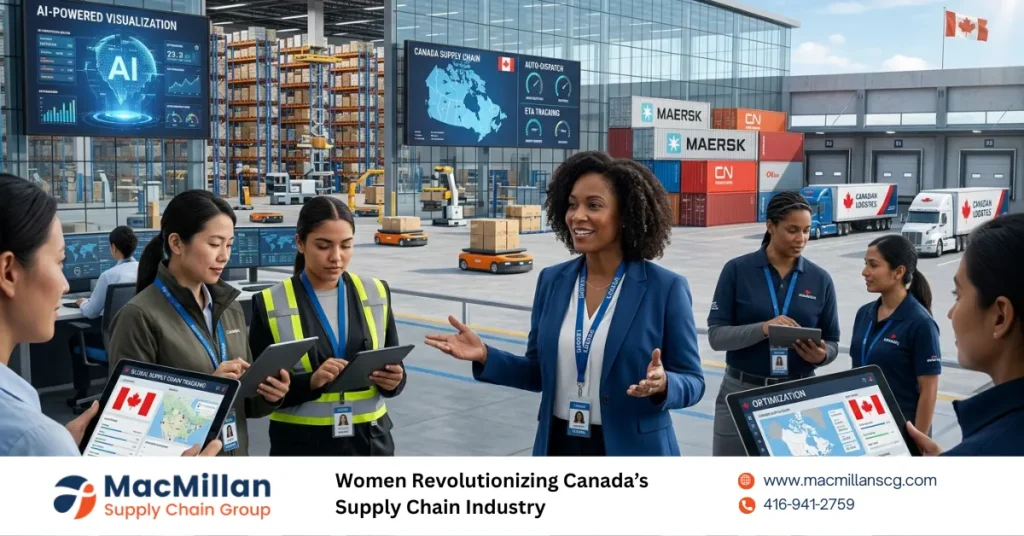
Women Leading the Charge in Canada’s Supply Chain Revolution As International Women’s Day approaches, the logistics and supply chain sector stands at a pivotal moment. Women now constitute 41% of the global supply chain workforce and hold 26% of C-suite roles a historic high that reflects their growing influence in reshaping how goods move, businesses operate, and communities thrive.In Canada, where effective supply chains account for more than 60% of trade, female executives are spearheading advancements in cross-border logistics, sustainable last-mile delivery, and warehouse automation. This blog highlights their accomplishments, looks at persistent challenges, and investigates how the industry could speed up the transition to gender parity. The New Faces of Supply Chain Leadership From Trailblazers to Transformational Executives The once male-dominated logistics landscape is being redefined by women who combine technical expertise with collaborative leadership. Take Carol Tomé, CEO of UPS, who revolutionized the company’s 115-year-old operations by prioritizing customer-centric strategies and diversifying leadership teams (now 57% female at senior levels). Under her guidance, UPS achieved a 15% reduction in carbon intensity while expanding same-day delivery networks a testament to how inclusive leadership drives both profitability and sustainability. Using AI-driven demand forecasting, Kathryn Wengel (EVP at Johnson & Johnson) revolutionized global supply chains in healthcare logistics during the pandemic, guaranteeing the continuous delivery of vital drugs while slashing operational costs by 22%. These stories reflect larger trends: 52% of women in supply chain roles now hold advanced degrees in STEM fields Teams led by women report 21% higher profitability than industry averages Female-led sustainability initiatives reduce waste by 18% more than male-led projects Meet the incredible women of Macmillan, who are leaders, innovators, and change-makers, shaping the future and transforming the supply chain industry. Led transportation and logistics strategies to optimize supply chain efficiency, ensuring cost-effective operations, on-time deliveries, and seamless coordination. The Business Imperative for Gender Diversity Why Inclusive Teams Outperform Diversity isn’t just ethical it’s economical. Research reveals three key advantages of gender-balanced supply chains: 1. Innovation Through Cognitive Diversity Mixed teams solve complex problems 30% faster by combining analytical rigor (often stronger in women engineers) with systems thinking. Ivanka Janssen (CSCO at Philips), for instance, credits advancements in AI-driven warehouse robotics that reduced processing times by 40% to her female-dominated R&D team. 2. Resilience in Crisis Management During the 2024 port strikes, companies with gender diverse leadership recovered 50% quicker by leveraging women’s strengths in stakeholder collaboration. Sheri Hinish, IBM’s Supply Chain Futurist, notes: “Women excel at building cross-functional coalitions a survival skill in today’s volatile trade environment”. 3. Customer-Centric Supply Chains Given that 85% of consumer purchases are made by women, female supply chain executives are better able to predict changes in the market. Jennifer Han increased on-time deliveries to 98.7% at Unilever by redesigning North American distribution networks using sentiment analysis from focus groups aimed at women. Persistent Barriers and How to Break Them The Glass Warehouse Ceiling Despite progress, systemic hurdles remain: Mid-Career Attrition: 57% of women leave logistics roles between ages 30-45 due to inflexible schedules Pay Gaps: Female supply chain managers earn $0.87 for every male dollar Representation Gaps: Only 21% of VP-level roles are held by women Solutions Gaining Momentum Forward-thinking companies are deploying four strategies: A. Hybrid Work Models Flexible scheduling (e.g., remote inventory analytics, job-sharing for dispatchers) reduced attrition by 33% at Fortune 500 retailers. B. Mentorship Ecosystems Programs like MIT’s Women in Supply Chain Initiative pair emerging talent with executives like Sarah Bonnaud (Estée Lauder), whose mentees achieve promotions 2.5x faster than industry norms. C. Skills-Based Advancement Tools like Gartner’s Career Pathfinder help women visualize growth from warehouse roles to leadership a tactic that boosted female promotions by 41% at pharmaceutical giants. D. Parental Support Systems Progressive policies like phased parental returns and on-site childcare at distribution hubs increased retention of working mothers by 28%. Voices Shaping Canada’s Logistics Future Leaders to Watch Tiffany Soots, Principal Business Architect at First Call Logistics, reflects: “A decade ago, women were siloed in customer service roles. Today, we’re redefining freight management through data science—I’ve seen female-led teams reduce carrier costs by 19% using predictive algorithms”. Meanwhile, Lauren Lepley (Group Supply Chain Director at Morrisons) slashed food waste by 15% using AI-powered demand planning proving that female leaders drive both efficiency and sustainability. Building an Equitable Future Action Steps for Companies Audit Promotion Practices: Adopt blind resume screenings to counteract unconscious bias. Invest in STEM Partnerships: Sponsor scholarships for women pursuing logistics analytics degrees. Amplify Role Models: Highlight leaders like Carol Tomé in recruitment campaigns to attract diverse talent. Reward Inclusive Leadership: Tie 20% of executive bonuses to gender parity metrics. This International Women’s Day, Let’s Deliver Equality The future of the supply chain industry depends on maximizing the potential of women. From sustainability directors creating carbon-neutral warehouses to AI engineers streamlining delivery routes, female talent is not only contributing but taking the lead. According to Katie Date, the founder of the MIT Initiative, “When women thrive, supply chains survive”. To every woman in logistics: Your vision is transforming this industry. Let’s keep breaking barriers = one shipment, one innovation, and one leadership role at a time.
Canada’s 2025 Transportation Infrastructure
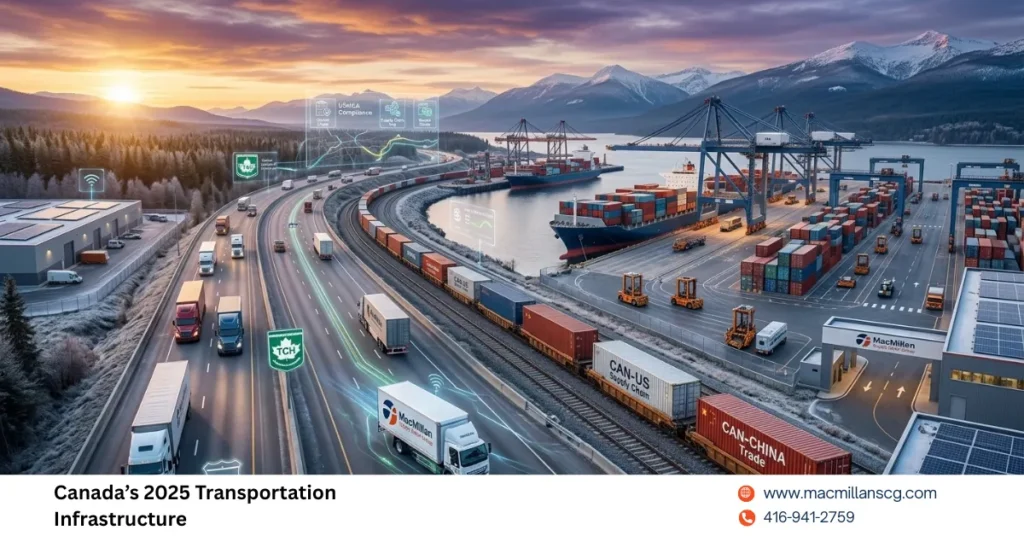
As Canada’s supply chains brace for another transformative year, the interplay of aging infrastructure, climate pressures, and technological innovation is reshaping how goods move across the nation. With 90% of Canadians living within 100 miles of the U.S. border and cross-border trade accounting for over $1 trillion annually, the stakes for modernizing transportation networks have never been higher. It is not only strategically important for logistics leaders like Macmillan Supply Chain Group (SCG) to comprehend these dynamics, but it is also necessary to maintain the momentum of Canada’s economy. This blog explores the key issues and possibilities that will shape 2025 and how innovative companies are leveraging infrastructural barriers to gain a competitive edge. The State of Canada’s Transportation Network: Pressures and Pain Points Aging Infrastructure Meets Modern Demands Canada’s transportation infrastructure, which was developed for 20th-century demands, is struggling to handle 21st-century demands. A 7,800-kilometer lifeline for interprovincial trade, the Trans-Canada Highway frequently experiences bottlenecks in Northern Ontario, where single lane sections such as Highway 17 close to Nipigon run the risk of being closed for several days due to severe weather or accidents. Supply chains are affected by these disruptions: 15-20% longer lead times for perishable goods during peak disruption periods $2.3 million/hour in lost productivity during major highway shutdowns Meanwhile, urban last mile delivery faces its own crunch. As e-commerce grows 12% annually, final-mile costs now consume 53% of total shipping expenses a figure exacerbated by Toronto’s 38% increase in delivery vehicle traffic since 2022. Four Strategic Challenges Reshaping 2025 Logistics 1. Trade Tensions and Tariff Turbulence The 2025 U.S.-Canada tariff standoff with 25% duties on key imports has forced 68% of manufacturers to reshore operations. While this boosts domestic production, it pressures logistics networks to absorb redirected freight volumes. Companies now prioritize: Nearshoring distribution hubs: Macmillan SCG’s 45 cross dock locations enable rapid inventory repositioning AI-driven customs compliance: Real-time tariff calculators integrated with WMS systems 2. Labor Gaps in Critical Roles Despite 2025’s projected 8% sector growth, 42,000 supply chain roles remain unfilled nationally. The mining boom driving 18 critical mineral projects worth $20B in BC alone competes for heavy machinery operators and safety coordinators. Forwarders counter this through: Upskilling partnerships: Macmillan’s certified forklift operator programs Automation investments: Robotics handling 30% of Toronto warehouse pick-pack tasks 3. Climate Resilience Imperatives Transport Canada’s 2024-25 plan mandates emissions cuts of 40% by 2030 for federally regulated transport. This pressures fleets to adopt: Electric last-mile vehicles: 20% of Macmillan’s urban delivery vans now EV Weather-adaptive routing: AI models predicting Northern Ontario road conditions 72hrs ahead 4. First Nations Infrastructure Equity The Lac-Mégantic Rail Bypass and 18 new Indigenous led port projects highlight growing emphasis on reconciliation through infrastructure. Partners like Macmillan SCG leverage: Community centric warehousing: Shared GMP spaces in Treaty 9 territories Cultural competency training: 80% of frontline staff trained in Indigenous protocols Three High-Impact Opportunities for 2025 1. Government Funding Catalysts The $30B Canada Public Transit Fund isn’t just about commuters it’s a supply chain game changer. Strategic alignments include: Multimodal hubs: Co-locating warehouses near new LRT terminals (e.g., Toronto’s Finch West line) Cold chain expansions: Leveraging transit refrigerated storage for pharmaceutical deliveries 2. AI-Optimized Networks Macmillan’s AI logistics platform exemplifies next gen efficiency: Dynamic rerouting: Avoiding 73% of weather related delays in 2024 Predictive stockpiling: Machine learning forecasting demand spikes with 94% accuracy 3. Micro-Fulfillment Evolution With 60% of consumers expecting same-day delivery, companies are: Hyperlocal warehousing: Macmillan’s 250,000 sq. ft Toronto facilities enable <4hr fulfillment Autonomous middle mile: Testing self driving trucks on Alberta’s twinned Trans Canada sections Building Resilience Through Technology and Partnership Case Study: Port Hawkesbury’s Blueprint A recent $900K investment in Nova Scotia’s Strait Area Transit showcases how rural logistics can thrive through: Accessible fleets: 16-passenger buses doubling as goods transporters Multi-use pathways: Macmillan’s e-cargo bikes using new active transit routes for emission free deliveries Transport Canada’s High-Frequency Rail (HFR) The Québec-Toronto HFR project will reshape Eastern Canada’s logistics by: Freeing 22% of highway freight capacity via modal shift Enabling just in time manufacturing through precise schedule reliability Macmillan SCG’s 2025 Infrastructure Playbook Solutions Addressing Today’s Challenges: GMP Certified Agile Warehousing Shared/dedicated spaces with 99.4% pick accuracy for tariff-driven inventory swings Climate controlled zones for critical minerals storage AI-Driven Last Mile Mastery Driver fleet utilizing real time traffic/weather data Urban consolidation centers cutting final mile costs by 18% Cross Border Expertise Automated customs brokerage via Mantis WMS integrations Buffalo-Toronto corridor optimizations avoiding 2025 tariff pinch points The Road Ahead: Collaborating for a Connected Canada As Transport Canada advances its National Supply Chain Strategy, industry leaders must align with public investments while innovating privately. For Macmillan SCG, this means: Piloting hydrogen trucks on Alberta’s upgraded Trans-Canada routes Co-developing apprenticeship programs with First Nations communities Expanding EV infrastructure to 50% of urban depots by 2026 FAQS How are tariffs impacting Canadian supply chains in 2025? The 25% U.S. tariffs have forced manufacturers to reshore operations. Companies mitigate this by nearshoring distribution hubs and using AI-driven customs tools to optimize cross-border compliance. What technologies are critical for overcoming infrastructure challenges? AI-powered logistics systems, real-time tracking tools, automated warehouse systems, and predictive analytics are the most critical technologies. These tools help reduce delays, optimize delivery routes, improve inventory control, and manage disruptions caused by weather, traffic, or infrastructure bottlenecks. How can businesses address labor shortages in logistics? Businesses can reduce labor shortages by combining automation with workforce development. Robotics in warehouses, AI-assisted operations, and autonomous systems help reduce dependency on manual labor. At the same time, training programs, upskilling initiatives, and partnerships with educational institutions help build a stronger skilled workforce. What role does climate policy play in transportation? Climate policy drives the shift toward low-emission and sustainable transport systems. It encourages companies to adopt electric vehicles, cleaner fuels, and energy-efficient logistics models. It also pushes organizations to improve resilience against climate risks like extreme weather and to meet emissions reduction targets. How is Indigenous infrastructure equity improving supply chains? Indigenous infrastructure equity improves supply
Post-Trump Trade Policies: Key Changes for Canadian Businesses | MacMillan Supply Chain
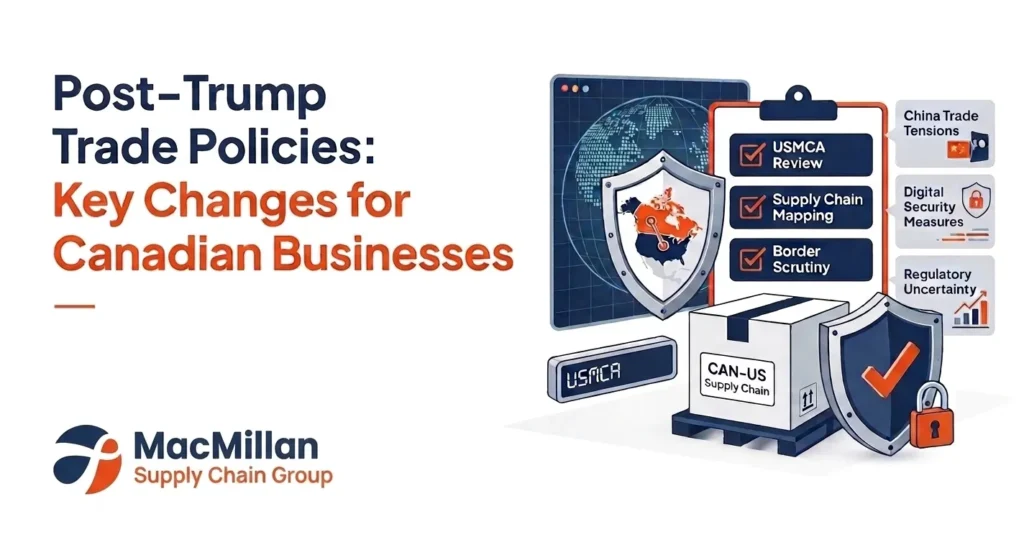
A Quick Summary and Overview The trade policies of the post-Trump era have instigated profound shifts in the relationship between Canada and the United States. There is now a much sharper focus on domestic manufacturing and national security. All of this raises serious questions about the future of cross-border supply chains and eventually even the very concept of free trade. The next major test for all of this is the USMCA (United States-Mexico-Canada Agreement) review in 2026. Even without any potential confounding issues that could arise between now and then, that review is already shaping up in my mind as a major possible inflection point in this relationship. Introduction Every day, nearly $2 billion in goods and services flow between the United States and Canada, making this one of the largest bilateral economic relationships in the world. But in recent years, trade policies have changed—varying by the week or by the day—creating uncertainty for companies on both sides of the border. For Canadian businesses, the switch in trade rules presents opportunities even as it poses challenges. What precisely has transformed in the trade environment, and what should your company be poised for? The evolution from a production-based economy to today’s—well, what exactly is today? And what will tomorrow be? Between heightened national security concerns, the forthcoming review of the new NAFTA (the USMCA), and our ongoing trade dispute with China, the trade landscape is shifting beneath our feet. For companies managing cross-border supply chains, these tectonic changes require not just attention but strategic adaptation. In this article, we’ll break down the key policy changes, explore their real world impact on Canadian businesses, and share practical strategies to navigate this new trade environment successfully. Understanding Post-Trump Trade Policies The current U.S. administration has maintained and expanded many trade approaches from the previous administration while adding new dimensions. At the core of post Trump trade policies is an emphasis on creating a production based economy that prioritizes North American manufacturing over imports from overseas markets. This shift manifests in several key ways that directly affect Canadian businesses: First, there’s a strong focus on reviewing and potentially renegotiating existing trade agreements. The USMCA (which replaced NAFTA) faces a mandated review in 2026, creating uncertainty about future trade terms. U.S. trade officials are already preparing for this review, examining how the agreement impacts American workers and industries. Second, trade decisions are now closely linked to national security considerations. This is especially noticeable in the technology sector, where cybersecurity and data privacy concerns have an impact on legislation. The impacts of the ongoing TikTok ban show how security issues can upend established supply chains and business models. Third, there’s increased enforcement of trade rules, with stricter monitoring of compliance across borders. Canadian exporters face more scrutiny regarding rules of origin, labor standards, and environmental practices. For businesses operating cross border supply chains, these policy shifts require careful monitoring and strategic planning. Companies that previously relied on predictable trade flows must now prepare for potential disruptions and compliance challenges. Working with experienced logistics partners like MacMillan Supply Chain Group can help businesses stay ahead of these changes and adapt their supply chain strategies accordingly. The Evolution of Canada-US Trade Relations The relationship between Canada and the U.S. has always been complex, balancing economic interdependence with national interests. Recent post-Trump trade policies have added new dimensions to this dynamic, requiring a fresh Canadian trade strategy. Historically, Canada has been America’s largest trading partner, with deeply integrated supply chains across numerous industries. However, this relationship has faced significant tests in recent years: The renegotiation of NAFTA into the USMCA brought stricter rules of origin requirements, particularly in the automotive sector. Canadian manufacturers now need to ensure higher North American content percentages to qualify for duty free treatment. This shift aligns with the production-based economy focus that continues to drive U.S. trade policy. Buy American provisions have expanded, creating challenges for Canadian companies selling to U.S. government entities. These policies prioritize U.S.-made products for government procurement, potentially limiting opportunities for Canadian exporters. Tariff threats remain a concern, with aluminum and steel sectors experiencing periodic uncertainty. Though many Section 232 tariffs have been resolved, the precedent creates ongoing risk for cross-border trade. Digital trade has emerged as a new frontier, with data security measures becoming increasingly important. Canadian businesses handling U.S. customer data must navigate evolving privacy regulations and security requirements. Despite these challenges, opportunities exist. The shared focus on reducing dependence on Chinese manufacturing has created openings for Canadian suppliers. Additionally, collaborative approaches to clean energy and critical minerals development present growth potential for Canadian exporters. For businesses navigating these changes, understanding the nuances of Canada-US trade relations is essential. MacMillan Supply Chain Group helps clients leverage these evolving dynamics by optimizing cross-border logistics and ensuring compliance with changing regulations. USMCA Review What It Means for Businesses The USMCA review scheduled for 2026 represents a pivotal moment for businesses operating across North American borders. This mandatory assessment could maintain the status quo or trigger significant changes to the agreement that governs nearly $1.5 trillion in annual trade. Key aspects of the USMCA review that businesses should monitor include: Labor provisions enforcement will likely intensify. The agreement’s labor chapter includes unprecedented protections for workers, and U.S. officials have already used the Rapid Response Labor Mechanism to investigate facilities in Mexico. Canadian businesses with operations or suppliers in Mexico should evaluate labor compliance proactively. Automotive rules of origin requirements could tighten further. The current 75% North American content threshold for duty free treatment might increase, pushing more manufacturing back to the continent. Supply chain mapping becomes essential to understand exposure to potential changes. Digital trade rules may evolve as technology advances. The USMCA was the first U.S. trade agreement with comprehensive digital trade provisions, but rapid technological change could necessitate updates to address emerging issues like AI and data security measures. Environmental standards enforcement will likely increase, with greater scrutiny of compliance across borders. Companies should document their environmental practices
How AI and Automation Are Changing FMCG Fulfillment in Canada
A Quick Summary and Overview AI and automation are changing FMCG fulfillment in Canada by helping brands improve inventory accuracy, forecast demand more effectively, reduce manual errors, speed up warehouse workflows, and respond faster to changing retail and consumer demand. Current industry coverage consistently highlights robotics, predictive analytics, dynamic routing, and smarter warehouse software as major fulfillment trends shaping 2025 and beyond. For MacMillan, this topic fits naturally. MacMillan already positions itself around data-driven visibility, WMS-powered control, AI-powered route optimization, real-time tracking, retailer-ready warehousing, and KPI-led fulfillment performance across Canada. Introduction FMCG fulfillment has always been a speed game, but now it is also a data game. Brands are expected to keep shelves full, support promotions, avoid stockouts, reduce waste, and deliver accurately across retail, ecommerce, and marketplace channels at the same time. That is exactly why AI and automation are becoming more important in Canadian fulfillment. They help operations move from reactive decisions to faster, more informed, more scalable execution. Current warehouse trend coverage points to AI-driven analytics, robotics, predictive maintenance, and workflow optimization as key shifts in modern fulfillment operations. For FMCG brands, this matters because even small delays or inaccuracies can quickly affect service levels, margins, and retailer relationships. MacMillan’s own positioning reflects this reality through its focus on inventory visibility, scan-verified fulfillment, real-time tracking, and retail-ready execution. Why This Topic Matters More Now AI and automation are not just future-facing topics anymore. They are becoming practical tools for brands trying to manage volatility, labor pressure, fulfillment speed, and inventory complexity. Recent reporting shows retailers and supply chain teams using AI to predict stockouts, improve inventory availability, and make faster replenishment decisions based on real-time demand signals. At the warehouse level, 2026 trend coverage points to several major shifts: greater use of robotics for repetitive movement and retrieval AI-powered demand and inventory planning dynamic routing and workflow optimization automated data capture for accuracy and visibility scalable systems that adapt to changing order volumes That combination is especially relevant in FMCG, where product velocity is high and the cost of delay is immediate. What AI and Automation Mean in FMCG Fulfillment In practical terms, AI and automation in fulfillment usually refer to systems that help operations make better decisions and complete repetitive tasks faster. That can include: AI-assisted demand forecasting warehouse management systems that optimize slotting and replenishment automated storage and retrieval systems AGVs or AMRs that move goods through facilities scan-based inventory control predictive alerts for delays, stockouts, or equipment issues route optimization and real-time delivery tracking The point is not to remove people from the operation. The real value is usually in helping teams work with more accuracy, more visibility, and less wasted motion. 6 Ways AI and Automation Are Changing FMCG Fulfillment in Canada 1. Better demand forecasting and replenishment AI helps fulfillment operations move beyond static planning. Recent reporting shows AI being used to analyze lead times, current inventory, and consumer demand so teams can identify likely shortages earlier and make faster replenishment decisions. For FMCG brands, that can mean: fewer stockouts during demand spikes better seasonal planning less excess inventory more confidence in replenishment timing MacMillan’s broader service positioning supports this approach through WMS-backed visibility, data-driven insights, and fulfillment systems designed to help brands reduce errors and improve inventory control. 2. Faster and more accurate warehouse operations Warehouse automation is becoming more common because it helps increase throughput while reducing manual handling errors. Current warehouse trend coverage highlights AS/RS systems, AGVs, and robotics as important tools for improving storage, retrieval, and order processing efficiency. For FMCG, that matters because fast-moving products need: quicker inbound processing faster pick-pack execution better inventory movement fewer errors in high-volume environments MacMillan already emphasizes scan-verified fulfillment, high inventory accuracy, rapid dock-to-stock execution, and operational precision in its service messaging. 3. Real-time visibility across inventory and orders AI is only as useful as the visibility around it. Modern fulfillment systems increasingly use real-time data to help teams understand what is in stock, what is moving, what is delayed, and where intervention is needed. Exotec’s 2025 trend coverage specifically points to AI systems that track SKU behavior, reassign product locations, and optimize workflows in real time. MacMillan’s site aligns strongly with this value proposition. It highlights real-time order status, live tracking, milestone updates, digital PODs, KPI reporting, and inventory visibility through its WMS-backed platform. 4. Smarter routing and transportation planning AI is not limited to the warehouse. It also improves transportation by optimizing routes, reducing delays, and increasing delivery predictability. MacMillan’s food and beverage page specifically highlights AI-powered route optimization and real-time delivery tracking, while its transportation services emphasize milestone visibility and retailer-precision execution. For FMCG brands, smarter transportation matters because: retailer delivery windows are strict replenishment timing affects shelf availability delays can increase spoilage, stockouts, or compliance risk last-mile visibility improves operational response 5. Lower manual error and stronger compliance execution Automation often improves performance by reducing repetitive manual steps that create fulfillment mistakes. Scan-based workflows, automated reconciliation, barcode support, and system-driven validation all help improve order accuracy and inventory reliability. MacMillan’s promises and service pages directly reference barcode and RFID support, real-time APIs, EDI and ASN support, and automated QC workflows. That is especially important in FMCG, where errors can lead to: retailer chargebacks delivery rejections inaccurate stock levels mis-picks during peak periods slower recall response where lot control matters 6. More scalable peak-season and launch execution Automation helps operations scale without relying only on manual expansion. Current warehouse trend coverage notes that robotics and workflow automation are increasingly valued because they support flexibility, speed, and operational resilience as demand changes. MacMillan’s own positioning mirrors this need. The company states that it tech-scales for promotions, seasonal spikes, and new product launches, and that its facilities support rapid pick-pack, labeling, shipping, and retail-ready prep for high-volume periods. What AI Still Cannot Replace Even with more automation, strong fulfillment still depends on execution, oversight, and responsiveness. AI can improve forecasting, routing, and workflow decisions, but FMCG brands still need: