3PL Warehousing and Distribution
3PL providers offer outsourcing logistics and supply chain services, enabling…
3PL providers offer outsourcing logistics and supply chain services, enabling…
Choosing the right FMCG 3PL in Canada means finding…
From independent entrepreneurs to thriving startups, small businesses in the…
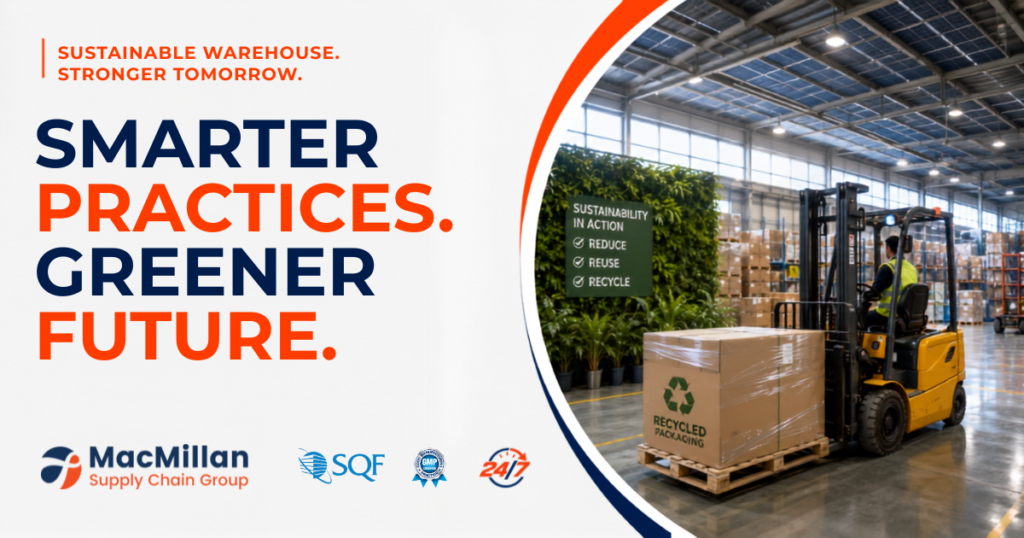
Sustainability and a greener future are crucial in 3pl warehousing…
Reverse logistics is a critical component of modern supply chains, focusing on the movement of goods from customers back to sellers or manufacturers. This process encompasses returns, repairs, refurbishments, and recycling, playing a crucial role in customer satisfaction and operational efficiency. By implementing effective reverse logistics strategies, businesses can reduce costs, improve sustainability, and enhance their brand reputation. This article explores the importance of reverse logistics, its key components, and how partnering with experts like MacMillan Supply Chain Group can help organizations optimize their reverse logistics operations for maximum benefit.
In today’s competitive business landscape, managing the forward flow of goods is only half the battle. The other half lies in efficiently handling the backward flow – a process known as reverse logistics. From product returns and repairs to refurbishment and recycling, reverse logistics encompasses a wide range of activities that can significantly impact a company’s bottom line and customer satisfaction levels.
As consumer expectations for seamless returns and environmentally responsible practices continue to rise, businesses must adapt by implementing robust reverse logistics strategies. This article delves into the world of reverse logistics, exploring its importance, key components, and best practices. We’ll also discuss common challenges and how partnering with a third-party logistics provider like MacMillan Supply Chain Group can help your business navigate the complexities of reverse logistics to achieve greater efficiency, cost savings, and customer loyalty.
Reverse logistics refers to the process of moving goods from their final destination back through the supply chain for proper disposal, recycling, or reuse. This can include customer returns, product recalls, repairs, and end-of-life product management. While often overlooked, reverse logistics plays a crucial role in overall supply chain efficiency and customer satisfaction.
The importance of reverse logistics cannot be overstated in today’s business environment. With the rise of e-commerce and increasing consumer awareness about sustainability, companies must have robust systems in place to handle returns and manage product lifecycles effectively. Some key benefits of a well-implemented reverse logistics strategy include:
To maximize the benefits of reverse logistics, businesses should focus on implementing a comprehensive strategy that addresses several key components:
Implementing an effective reverse logistics strategy requires careful planning and execution. Here are some best practices to consider:
Technology plays a crucial role in optimizing reverse logistics operations. By leveraging advanced tools and systems, businesses can streamline processes, improve accuracy, and gain valuable insights. Some key technologies used in reverse logistics include:
While reverse logistics offers numerous benefits, it also presents several challenges that businesses must overcome. At MacMillan Supply Chain Group, we’ve developed solutions to address these common problems:
High Costs: Reverse logistics can be expensive due to additional transportation, handling, and processing requirements.
Our Solution: We optimize transportation routes, consolidate shipments, and implement efficient processing systems to minimize costs. Our economies of scale allow us to offer cost-effective solutions to our clients.
Complex Returns Processing: Managing returns from multiple channels and locations can be complicated and time-consuming.
Our Solution: We’ve developed standardized, scalable processes for handling returns across various channels. Our advanced technology solutions streamline the returns process, reducing complexity and processing time.
Limited Visibility: Lack of visibility into the reverse supply chain can lead to inefficiencies and missed opportunities for value recovery.
Our Solution: We provide real-time tracking and reporting capabilities, giving our clients full visibility into their reverse logistics operations. This transparency enables data-driven decision-making and continuous improvement.
Quality Control Issues: Ensuring the quality of repaired or refurbished products can be challenging.
Our Solution: We implement rigorous quality control processes and leverage advanced technologies like AI and AR to maintain consistent product quality standards.
Environmental Concerns: Improper disposal of returned products can have negative environmental impacts.
Our Solution: We prioritize sustainability in our reverse logistics operations, implementing recycling programs and exploring opportunities for product reuse and refurbishment.
Inventory Management: Balancing inventory levels with return volumes can be difficult.
Our Solution: Our advanced analytics capabilities help predict return patterns and optimize inventory management, reducing carrying costs and minimizing waste.
Customer Service Challenges: Poor communication during the returns process can lead to customer dissatisfaction.
Our Solution: We provide transparent, timely communication throughout the returns process, enhancing the customer experience and building brand loyalty.
Fraud Prevention: Identifying and preventing return fraud can be complex.
Our Solution: We utilize advanced data analytics and AI to detect patterns indicative of fraudulent returns, protecting our clients’ interests while maintaining a positive customer experience.
At MacMillan Supply Chain Group, we understand that each business has unique reverse logistics challenges. That’s why we offer customized solutions tailored to meet your specific needs, ensuring that your reverse logistics operations are as efficient and effective as possible.
To avoid common reverse logistics problems and implement effective solutions, consider the following steps:
While these steps can help you improve your reverse logistics operations, implementing them effectively can be challenging without specialized knowledge and resources. That’s where MacMillan Supply Chain Group comes in. Our team of experts has years of experience in optimizing reverse logistics for businesses across various industries.
By partnering with MacMillan Supply Chain Group, you can benefit from our cutting-edge technology, extensive network, and proven processes to transform your reverse logistics operations. We’ll work closely with you to develop a tailored solution that addresses your unique challenges and helps you achieve your business goals.
Ready to take your reverse logistics to the next level? Contact MacMillan Supply Chain Group today for a consultation and discover how we can help you improve efficiency, reduce costs, and enhance customer satisfaction through optimized reverse logistics.
Reverse logistics refers to the process of managing the backward flow of goods from customers to sellers or manufacturers. This includes handling returns, repairs, refurbishments, and recycling of products.
MacMillan Solution: We offer comprehensive reverse logistics services, managing every aspect of the process to ensure efficiency and cost-effectiveness.
Reverse logistics enhances customer satisfaction by making returns, exchanges, and refunds fast and hassle-free. A streamlined return process builds trust, encourages repeat purchases, and improves the overall shopping experience. Businesses that offer transparent return policies and quick processing are more likely to retain loyal customers and receive positive reviews.
Common reverse logistics challenges include managing return costs, tracking returned inventory, processing items efficiently, preventing fraud, and maintaining product quality. Without a well-defined returns process and the right technology, businesses may face delays, increased operational expenses, and reduced customer satisfaction.
Technology improves reverse logistics by automating return requests, tracking shipments in real time, managing inventory updates, and providing valuable data insights. Warehouse Management Systems (WMS), barcode scanning, RFID, and analytics help businesses process returns faster, reduce errors, and optimize inventory recovery.
Sustainability is a key benefit of reverse logistics. Returned products can often be repaired, refurbished, recycled, or resold instead of being discarded. This reduces landfill waste, lowers environmental impact, and helps businesses recover product value while supporting corporate sustainability goals and meeting growing consumer expectations for eco-friendly practices.
A third-party logistics (3PL) provider simplifies reverse logistics by managing returns, inspections, inventory processing, refurbishment, and restocking. With specialized expertise, advanced technology, and scalable fulfillment networks, a 3PL helps businesses reduce processing costs, improve turnaround times, and deliver a better customer experience while allowing internal teams to focus on core business growth.