
Tech-Infused 3PL’s: Navigating How AI is Transforming Supply Chains.
In the fast-evolving landscape of global trade and e-commerce, supply…


In the fast-evolving landscape of global trade and e-commerce, supply…

Following its success with Prime delivery and becoming the business…

In the fast-evolving landscape of global trade and e-commerce, supply…
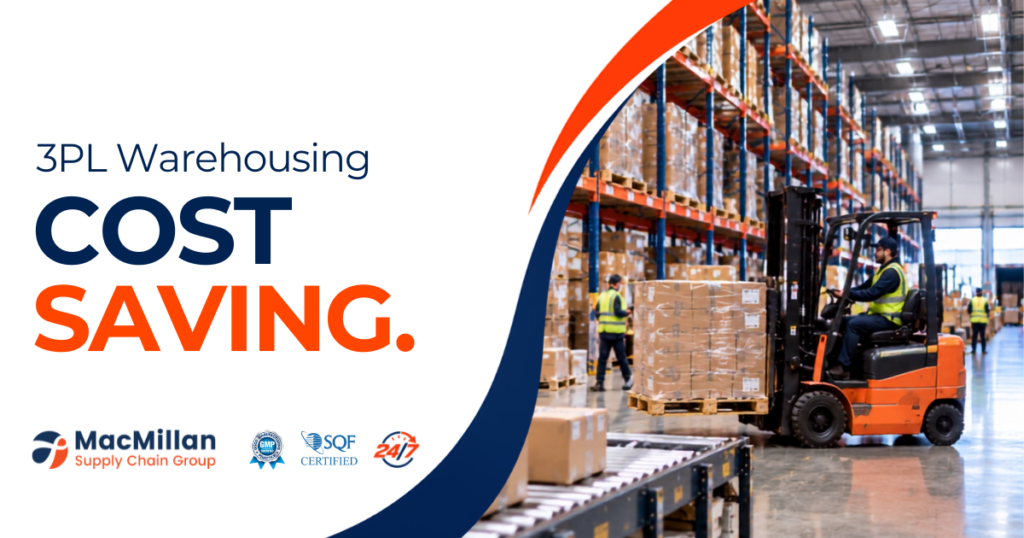
Partnering with a third-party logistics (3PL) provider like MacMillan Supply…
Former U.S. President Donald Trump announced Trump’s 50% steel tariffs, doubling the previous 25% rate — a move that has rocked North American supply chains. Numerous industries are deeply concerned about this sharp rise, which is justified by Section 232 measures as necessary for national security. There are currently significant obstacles facing Canada’s steel industry, which exports steel products worth billions of dollars to the United States each year.
These tariffs cause a complicated web of supply chain issues for companies that operate across the Canada-U.S. border. Consumer prices could rise and economic growth could be slowed by higher material costs, possible shortages, and logistical issues. Strategic supply chain management is more important than ever as Canadian manufacturers and their American consumers scramble to adapt.
Trade tensions between the US and its trading partners, including Canada, have significantly increased as a result of Trump’s 50% steel tariffs. The Trade Expansion Act’s Section 232 measures, which give the US the authority to defend domestic industries considered essential to national security, are the basis for these tariffs.
International partners and trade experts have criticized the national security rationale. Many contend that this line of thinking expands the meaning of security concerns to encompass economic protectionism. By raising the price of imported steel considerably, the policy seeks to support domestic steel producers in the United States.
These tariffs present immediate difficulties for Canadian companies:
Businesses have limited time to modify their supply chains or look for alternate sourcing options due to the implementation timeline. The economy as a whole is impacted by this abrupt change, which forces businesses to either absorb increased costs or pass them on to customers.
The steel sector in Canada is at the forefront of this trade conflict. Canadian steel producers, a significant supplier to American markets, could suffer catastrophic repercussions. According to industry analysts, if these tariffs are maintained over time, domestic steel producers may lose billions of dollars in revenue.
A double challenge confronts Canadian manufacturers who depend on steel inputs, in addition to the steel producers themselves. As Canadian producers adjust to lost U.S. market share, domestic steel buyers may see price increases. In the meantime, possible retaliatory tariffs increase the costs for manufacturers who import specialty steel from the United States.
Among the issues facing the manufacturing sector are:
Because they frequently lack the resources to swiftly change their supply chains or absorb large cost increases, small and medium-sized manufacturers face especially difficult obstacles. Some businesses are already delaying plans for expansion and reevaluating their cross-border business strategies, according to industry associations.
Trump’s 50% steel tariffs are putting immediate pressure on the construction sector. Steel accounts for a sizeable portion of material costs in both residential and commercial construction projects. According to industry experts, steel-intensive projects may see construction costs rise by 15% to 20%, making Canada’s housing affordability crisis worse.
For Canada’s construction industry, which is already struck by high material costs and a lack of workers, the timing couldn’t be worse. Builders report:
In a similar vein, the automotive industry has particular difficulties. Vehicle manufacturing depends on components that cross borders several times due to integrated supply chains that span both nations. This carefully calibrated system could be upset by the tariffs, which could result in:
Tinplate packaging is one frequently disregarded area that is experiencing major disruption. This specialty steel product is necessary for many consumer goods, including beverage containers and food canning. Packaging manufacturers must deal with significant cost increases as a result of the tariffs, which will eventually affect consumers.
Within months of going into effect, the 50% tariff could raise the cost of canned food by 8–12%, according to the Can Manufacturers Institute. Lower-income households that depend on reasonably priced canned goods would be disproportionately affected by this price inflation.
In addition to food, consumers can anticipate price increases in a variety of categories:
At a time when many households are already experiencing financial strain, these price increases add to concerns about consumer price inflation in general. Economists caution that the tariffs might act as a regressive tax, burdening the most vulnerable.
Businesses on both sides of the border face many operational difficulties as a result of Trump’s 50% steel tariffs. These issues go beyond straightforward price hikes to include serious supply chain interruptions.
Planning becomes nearly impossible due to the uncertainty surrounding the policy’s implementation. Companies struggle to decide whether to pass costs on to customers, seek alternative suppliers, or lock in current prices — all while facing delayed investment decisions and a wait-and-see mentality.
Beyond steel, the global supply chain faces ripple effects as manufacturers shift their sourcing strategies, causing potential shortages of other materials and components.
Legal complications further muddy the waters. With disputes progressing through the WTO and domestic courts, businesses must prepare for outcomes ranging from tariff reductions to retaliatory measures.
Fourth, simple substitution isn’t always feasible due to the specialized nature of many steel products. Regardless of cost, industries that demand particular steel grades or specifications might not have any other practical choices.
Finally, the cost of compliance is greatly increased by the administrative burden of handling these new tariffs. Businesses must invest in supply chain visibility, customs documentation, and trade expertise to avoid costly mistakes in this new environment.
We at MacMillan Supply Chain Group are aware of the intricate difficulties brought about by Trump’s 50% steel tariffs. Despite these disruptions, our all-encompassing strategy assists companies in preserving operational continuity. We’re helping our clients through these uncertain times in the following ways:
To lessen the effects of tariffs, we assist companies in putting advanced inventory strategies into practice. We can identify the ideal safety stock levels to protect against price volatility and supply interruptions by examining usage trends and lead times. For businesses wishing to secure inventory before tariffs are implemented, our network of warehouses across Canada offers flexible storage options.
We have created customized inventory management programs that strike a balance between carrying costs and tariff exposure for manufacturers who rely on steel inputs. This strategy lessens the financial impact of increased material costs while preventing production disruptions.
We can find alternate sourcing options for impacted materials thanks to our wide network of suppliers. We assist customers in assessing domestic steel manufacturers who might provide competitive substitutes for imported goods. We use our international contacts to locate suppliers of specialized steel grades from nations with lower tariff rates.
In order to ensure that substitute materials satisfy quality standards and legal requirements, MacMillan’s procurement specialists collaborate with clients to qualify new suppliers. Even in the face of disruptions to traditional supply chains, this proactive approach assists businesses in maintaining production continuity.
It takes specific knowledge to navigate the complicated world of tariffs. Our trade compliance staff remains up to date on all facets of Section 232 regulations and possible exemptions. In order to guarantee accurate tariff assessment and, when necessary, spot possible exclusion requests, we assist clients in correctly classifying their products.
We offer thorough customs documentation services to companies involved in cross-border trade in order to avoid expensive delays and compliance problems. Despite the shifting regulatory landscape, our experience helps businesses avoid unforeseen fees and guarantee seamless border crossings.
As supply chains adjust to the new tariff reality, transportation requirements often change dramatically. MacMillan’s logistics specialists redesign distribution networks to accommodate new sourcing patterns and inventory positions. We leverage our carrier relationships to secure capacity and competitive rates even as shipping patterns evolve.
We provide expedited services for shipments with a tight deadline in order to avoid production halts in the event of material shortages. As they adjust to the new trade environment, our multi-modal capabilities enable clients to strike a balance between speed and cost considerations.
Information is even more valuable during uncertain times. Real-time visibility into inventory positions, shipments in transit, and material costs is made possible by our sophisticated tracking and analytics platforms. Proactive decision-making and quick reaction to shifting circumstances are made possible by these insights.
We assist customers in putting scenario planning tools into practice that simulate different tariff outcomes and create backup plans for every scenario. This proactive strategy turns uncertainty into a controllable business variable rather than a threat.
A strategic approach to supply chain management is necessary to navigate the complexities of Trump’s 50% steel tariffs. Here’s how your company can put effective solutions into place and steer clear of expensive disruptions:
1.Implement inventory strategies that balance risk and cost
2.Restructure your supply chain to reduce tariff exposure
3.Handle customs regulations and compliance issues
4.Transportation networks should be optimized to accommodate shifting supply patterns
5.Give people the visibility they need to make confident decisions
Avoid allowing tariff uncertainty to interfere with your company’s operations. To find out how our tailored solutions can assist your business in maintaining continuity in the face of trade challenges, get in touch with MacMillan Supply Chain Group right now. Our professionals are prepared to assess your unique circumstances and create plans that meet the demands of your supply chain and industry.
To arrange a consultation with our trade and logistics specialists, contact us by phone at (416)-941-2759 or online. By working together, we can create a supply chain that is more resilient to the trade difficulties of today and the uncertainties of the future.
Follow us on LinkedIn for real-time tariff updates
Trump's 50% steel tariffs are import taxes that double the previous 25% rate on steel entering the United States. These tariffs apply to various steel products and are implemented under Section 232 measures of the Trade Expansion Act, which allows trade restrictions for national security reasons. The policy aims to protect domestic steel producers in the U.S. but creates significant challenges for international trade partners, including Canada.
The 50% tariff significantly increases the cost of exporting steel to the U.S., which is one of Canada’s largest steel markets. Canadian steel producers may see reduced demand from U.S. buyers, potential loss of contracts, and pressure to find alternative markets. Smaller producers may face more financial strain, while larger companies may adjust by raising prices or seeking supply chain alternatives.
Exemptions are sometimes available depending on the type of steel and the country’s trade agreements. For instance, certain critical products, specialty steels, or steel for defense and infrastructure may be excluded, but broad categories of steel exports are subject to the tariff. Canada can also negotiate with the U.S. for specific exclusions, though these are limited.
Higher steel prices from tariffs generally increase construction costs, especially for projects relying heavily on structural steel, pipelines, and reinforced concrete. Developers and contractors may face higher material bills, which could slow down some projects or be passed on to consumers.
Retaliatory tariffs are taxes imposed by a country on imports from another country in response to tariffs or trade barriers. Canada has previously used retaliatory tariffs in trade disputes and could implement them against U.S. goods to pressure a reversal or negotiation, targeting sectors important to the U.S. economy, such as agriculture, steel, or consumer goods.