
Transportation & Logistics
Cross-Docking & Transloading Services for Faster Freight Flow
Cross-docking and transloading services designed to reduce storage time, speed up distribution, and keep freight moving between inbound and outbound transportation. MacMillan SCG helps FMCG, retail, CPG, and consumer goods brands improve product movement through connected warehousing and distribution, transportation logistics, and technology integrations.
Service Overview
Move freight from inbound to outbound with less storage, less handling, and better control.
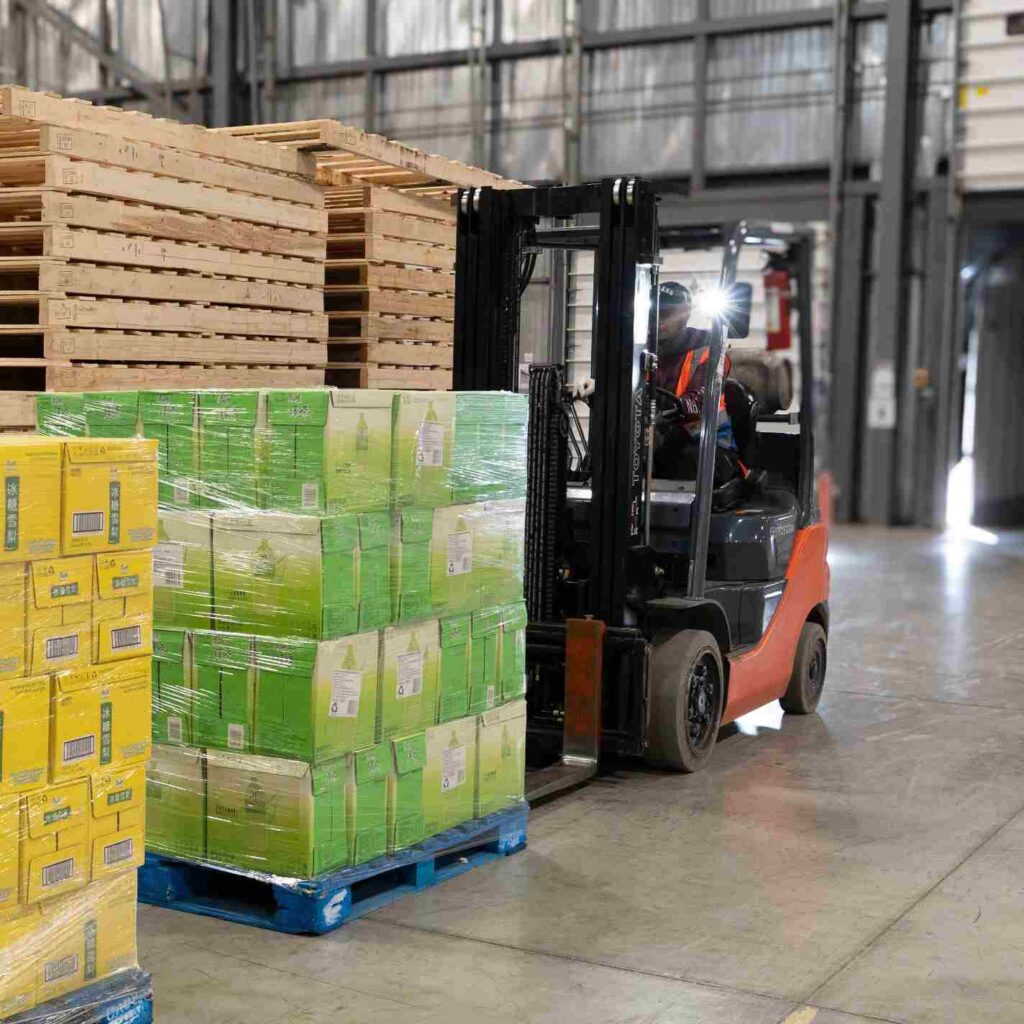
Our cross-docking and transloading services help businesses transfer products quickly between containers, trailers, pallets, and outbound shipments. Instead of holding inventory longer than necessary, freight is received, sorted, consolidated, reconfigured, and prepared for distribution with speed and accuracy. For stronger supply chain flow, this service can also connect with value-added services, e-commerce order fulfillment, and contract logistics solutions.
- Cross-docking support for retail replenishment, FMCG, CPG, and wholesale freight
- Transloading between containers, trailers, pallets, and outbound transportation
- Shipment sorting, consolidation, pallet transfer, and distribution preparation
- Designed to reduce storage time, improve freight velocity, and speed up delivery
Key Features & Benefits
Fast cross-docking and transloading support that improves movement across your supply chain.
MacMillan SCG helps reduce bottlenecks with coordinated receiving, sorting, transfer, consolidation, and outbound preparation for time-sensitive freight.
How It Works
Freight is prepared for fast dispatch with better organization, routing alignment, and delivery readiness.
Every step is designed to reduce storage time, improve freight flow, and move products efficiently from receiving to outbound distribution.




Ready to Speed Up Your Freight Movement?
Partner with MacMillan SCG for cross-docking and transloading services designed to reduce storage time, improve freight velocity, and strengthen distribution performance. Explore our transportation logistics services or request a custom cross-docking quote for your business.
Frequently Asked Questions
Cross-Docking & Transloading FAQ
Cross-docking is a logistics process where inbound freight is received, sorted, and moved quickly to outbound transportation with minimal storage time. It helps improve speed, reduce handling, and support faster distribution.
Transloading involves transferring goods between containers, trailers, pallets, or transport modes so freight can continue moving through the supply chain more efficiently.
These services are useful for FMCG brands, CPG companies, retailers, importers, wholesalers, and businesses that need faster freight movement, retail replenishment, regional distribution, or high-volume shipment flow.
Yes. Cross-docking and transloading can be connected with warehouse distribution services, transportation coordination, retail value-added services, order fulfillment solutions, and complete 3PL logistics services to support faster inbound-to-outbound product flow.