
3PL Risk Management: Building Resilient Supply Chains
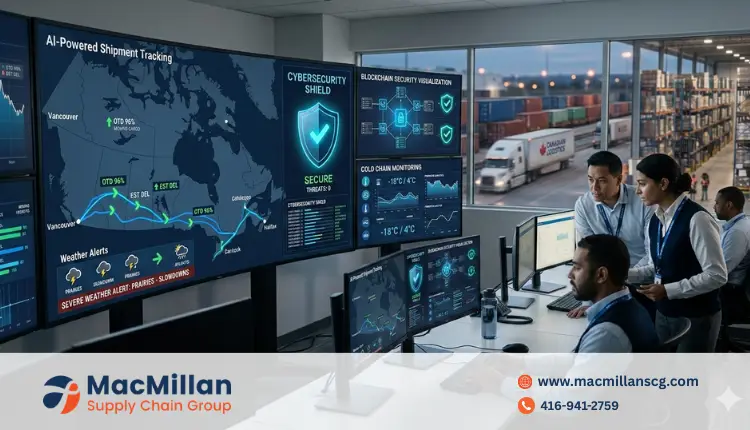
Businesses approaches to supply chain management were drastically altered by the COVID-19 pandemic. Resilience and adaptability must now be given top priority in a system that was previously primarily built for efficiency. This change has increased the importance of effective risk management for businesses that depend on third-party logistics (3PL) providers. We at MacMillan Supply Chain Group have seen directly how supply chain disruptions in Canada can affect companies of all sizes. The difficulties are numerous and frequently unforeseen, ranging from labor shortages to extreme weather events, from border closures to cybersecurity threats. For this reason, we have created thorough 3PL risk management plans that assist our clients in surviving disruptions and using them to their advantage. Let’s examine how contemporary 3PL risk management practices are constructing more robust supply chains for Canadian companies and adjusting to post-pandemic realities. Comprehending the New Risk Environment in Canadian Logistics In recent years, supply chains’ risk environment has significantly grown. Traditional issues like inventory control and delays in transit are still significant, but new problems have surfaced that call for creative answers. Changing Threat Trends Disruptions to the Canadian supply chain can now take many different forms. Cross-border shipping can be seriously delayed by border restrictions between the USA and Canada. Transportation networks are frequently impacted by extreme weather events, such as floods in British Columbia and ice storms in Quebec. Meanwhile, since 2019, the number of cybersecurity threats aimed at logistics systems has grown by more than 300%, with ransomware attacks having the ability to completely stop operations. The Interconnected Nature of Modern Risks The interconnectedness of today’s challenges is what makes them especially challenging. Transportation compliance problems could result from a cybersecurity breach. Failures in cold-chain management could be brought on by a weather event. During peak seasons, e-commerce fulfillment capabilities may be impacted by labor shortages. According to our Director of Operations, “the post-pandemic logistics environment requires thinking about risk in layers.” “Having a single backup plan is no longer sufficient; you need comprehensive strategies that address multiple potential failure points at the same time.” Working with 3PL partners who comprehend global supply chain dynamics and the particular difficulties of conducting business in Canada’s varied geographic and regulatory environment is essential for Canadian companies. Diversification and strategic sourcing are now crucial elements of successful 3PL risk management. Technology-Driven Solutions for 3PL Risk Management and Supply Chain Resilience Modern logistics technology is now essential to 3PL risk management success. To improve supply chain resilience for our clients, MacMillan Supply Chain Group makes use of a number of important technologies. AI-Powered Visibility in 3PL Risk Management Your whole logistics network is visible in real time thanks to our AI-powered supply chain platforms. This technology anticipates possible disruptions before they affect your operations, in addition to tracking shipments. By analyzing weather patterns, traffic data, border crossing times, and historical performance metrics, our systems can recommend proactive adjustments to routing and scheduling. For instance, our AI system automatically detected shipments that were at risk and recommended alternate routes when severe weather threatened deliveries throughout Ontario last winter, preventing delays for 94% of the impacted orders.This level of predictive control strengthens overall 3PL risk management capabilities. Blockchain for Enhanced Security and Transparency Blockchain has been incorporated into logistics processes for goods that need rigorous chain-of-custody documentation. This is especially helpful for food supply chains and pharmaceutical logistics, where product authenticity and temperature control are crucial. Our Technology Director observes that “Blockchain provides an immutable record of every touchpoint in the supply chain.” “This improves security and streamlines compliance paperwork for international shipping between the United States and Canada.” By adopting these technologies, we assist customers in creating resilient supply chains in Canada’s distinct and difficult logistics landscape, guaranteeing business continuity even in the face of interruptions. Together, these technologies form a core pillar of advanced 3PL risk management. Strategic Sourcing and Relationship Management Beyond technology, strategic sourcing and relationship management techniques that act as organic barriers against interruptions are also essential components of effective 3PL risk management. Diversification as a Strategy for Risk Mitigation We learned a valuable lesson from the pandemic: relying too much on a single supplier or transportation route can lead to dangerous vulnerabilities. At MacMillan Supply Chain Group, we assist customers in putting 3PL risk management-driven diversification plans into action that strike a balance between resilience and efficiency. Maintaining connections with several carriers for every transportation lane and setting up warehouse capacity in various geographical areas are two examples of what this could entail. Creating options for LTL and TL shipping to handle different volumes. Making backup plans for different ports of entry for shipments coming from abroad. “Strategic sourcing isn’t just about finding the lowest price,” explains our Supply Chain Director. “It’s about creating a network that can adapt when disruptions occur.” Contractual Frameworks for 3PL Risk Management Contemporary innovations in contracts have emerged as crucial instruments for risk management. We collaborate with clients to create contracts that contain the following: – Explicit force majeure provisions that cover pandemic situations. Metrics of performance that encourage proactive risk management. Provisions for managing tariffs on international shipping. Frameworks for shared responsibility regarding cybersecurity threats. We assist clients in developing supply chains that continue to function even in the event of disruptions to individual components by fusing strategic diversification with strong contractual frameworks. For Canadian companies negotiating the challenging post-pandemic logistics environment, this strategy has proven especially helpful. This layered approach to contracts plays a central role in our overall 3PL risk management model. Industry-Specific Risk Management Approaches Supply chain issues vary by industry, necessitating customized 3PL risk management techniques. We at MacMillan Supply Chain Group have created specialized strategies for a number of important industries. Medicine and Healthcare Maintaining product integrity throughout the supply chain is a non-negotiable requirement for pharmaceutical logistics. Our approach to risk management consists of: Cold chain management systems that are redundant and have backup power sources. Temperature tracking with blockchain verification and real-time alerts. Expert contingency
Green Supply Chain Management Barriers in Canada
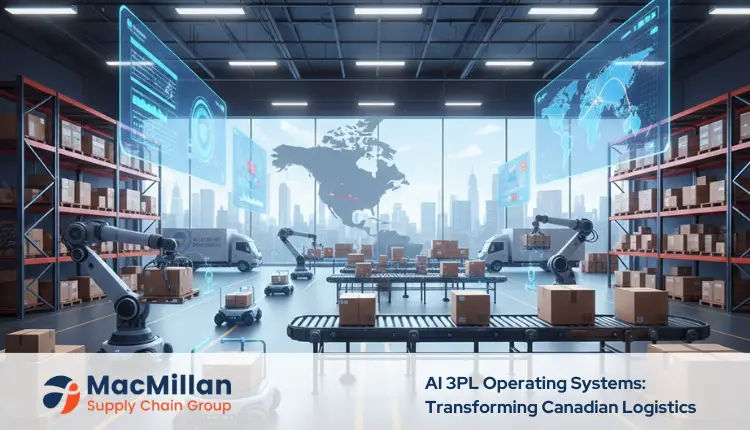
Green Supply Chain Management: Getting Past Implementation Obstacles in Canadian Logistics Canadian companies are under increasing pressure to convert their supply chains into sustainable, eco-friendly operations in the current environmentally conscious marketplace. Although 71% of Canadian CEOs believe stakeholder scrutiny of ESG performance will only increase and 53% of organizations plan to increase their focus on sustainable sourcing, green supply chain management barriers still stand in the way of successful GSCM adoption. Since we have firsthand experience with these challenges, we at Macmillan SCG have created strategic solutions to assist Canadian companies in overcoming the obstacles preventing a successful transition to sustainable logistics. The stakes have never been higher. With over 25% of global carbon dioxide emissions coming from logistics operations—a figure that could reach 40% by 2050 without significant intervention—the supply chain industry stands at a critical juncture. For Canadian logistics providers managing 3.1 million shipments annually across 90% of FSAs, like Macmillan SCG, addressing these implementation barriers isn’t just about compliance—it’s about competitive survival and environmental stewardship. Understanding Green Supply Chain Management Barriers Green supply chain management integrates environmental thinking into traditional supply chain operations, encompassing everything from material sourcing to end-of-life product management. Beyond just reducing waste, the idea encompasses water conservation, energy efficiency, greenhouse gas emission reduction, sustainable packaging, and green procurement methods. This shift is both a huge challenge and an unheard-of opportunity for Canadian logistics firms. According to research, businesses that use GSCM practices see impressive results, with an average 15% decrease in greenhouse gas emissions and a 12% decrease in overall energy use. While cutting distribution costs, best-in-class logistics companies report successful increases in service differentiation and distribution efficiency. Because of these observable advantages, sustainable logistics is now not only a business strategy but also an environmental necessity. However, the journey toward green supply chain implementation is complex. Studies find 20–25 different barriers in a variety of categories, ranging from technological limitations to financial constraints. For GSCM to be successfully adopted in the Canadian logistics environment, it is imperative to comprehend and methodically address these challenges. The Main Financial and Economic Obstacles to Implementation The biggest challenge for Canadian logistics companies is the high upfront cost of green technologies. Many businesses, especially SMEs, find the significant capital expenditure required to switch to electric vehicle fleets, renewable energy infrastructure, and sustainable packaging materials to be prohibitive. Additional financial strain is brought on by the lack of startup capital and the challenge of obtaining loan funds for environmental development projects. However, short-term thinking is frequently the cause of this perception of high costs. Through their Fuel Sense program, which saved 11.3 million gallons of jet fuel in 2023 alone, FedEx and other companies have shown the long-term value proposition. The secret is realizing that even though initial investments are high, they eventually generate positive financial returns through cost optimization, regulatory benefits, and efficiency gains. The lack of infrastructure and technology for GSCM implementation presents major obstacles for Canadian logistics companies. The absence of uniformity among green logistics technologies makes integration and decision-making more difficult. Many businesses suffer from antiquated IT systems that are unable to provide the tracking and data transparency needed for efficient, sustainable supply chain management. The problem of integration also affects supplier networks, where varying technological capacities lead to bottlenecks in sustainability projects from start to finish. Infrastructure deficiencies pose additional operational challenges for businesses operating throughout Canada’s vast territory, especially with regard to access to renewable energy sources and electric vehicle charging stations. Cultural and Organizational Opposition Organizational culture resistance to change is one of the most enduring obstacles. Conventional supply chain models have long placed a higher priority on speed and cost effectiveness than on environmental concerns, fostering deeply ingrained attitudes that thwart long-term change. These issues are made worse by staff members’ poor environmental awareness and the lack of commitment from upper management. According to research, 38% of Canadian logistics companies struggle with a labor shortage, which makes it challenging to fund the training initiatives required for GSCM implementation. Employees may perceive sustainability initiatives as extra responsibilities rather than as strategic opportunities in the absence of appropriate education and awareness campaigns. Complexities of Regulation and Compliance For Canadian logistics companies, the changing regulatory environment offers both opportunities and difficulties. Although government initiatives such as Bill S-211 require environmental reporting and supply chain transparency, the absence of standardized guidelines makes compliance requirements unclear. Businesses have to manage complicated regulations while making sure suppliers in international networks adhere to the same standards. Long-term investment viability is uncertain when federal and provincial governments lack consistent fiscal incentives and supportive policies. It is challenging for businesses to create thorough business cases for GSCM initiatives because of this regulatory ambiguity. Pressures from the Market and Competition Implementing GSCM is significantly hampered by market competition and unpredictability. Despite the fact that 86% of consumers worldwide expect businesses to address environmental issues, many consumers are still unwilling to pay more for sustainable services. As a result, businesses face a difficult situation where they have to absorb transition costs while keeping prices competitive. Implementation decisions are made more difficult in some market segments by a lack of end-user pressure and a lack of customer awareness regarding the advantages of GSCM. When the direct market demand for green services is still erratic, businesses find it difficult to defend their investments. Macmillan SCG’s Strategic Solutions to Green Supply Chain Management Barriers Overcoming Financial Green Supply Chain Management Barriers We at Macmillan SCG have created cutting-edge financial frameworks that solve cost issues and show a definite return on investment. Our strategy is centered on phased implementation tactics that provide immediate operational benefits while distributing capital expenditures over time. We assist clients in making the shift to sustainable operations without requiring significant upfront investments by utilizing our 250,000 square feet of GMP-certified warehouse space. Smaller businesses now have access to green technologies and infrastructure that would otherwise be prohibitively expensive thanks to our shared warehouse model. This cooperative strategy preserves the environmental advantages of
Top 5 3PL Companies in Canada: A Comprehensive Review
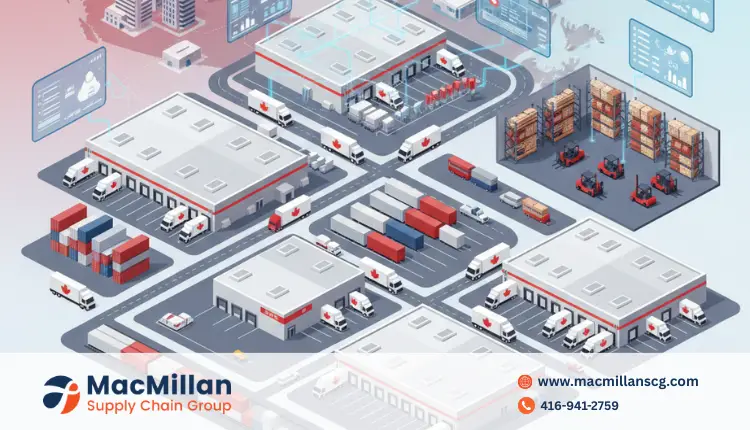
A Quick Summary and Overview When growing your business in Canada, choosing the right 3PL partner is crucial for success. The top 3PL companies in Canada offer comprehensive services including warehousing, e-commerce fulfillment, and cross-border shipping solutions. This guide examines the five leading third-party logistics providers based on service quality, technology integration, geographic reach, and customer satisfaction. Whether you’re an e-commerce startup or an established manufacturer, understanding these logistics powerhouses will help you make informed decisions to optimize your supply chain and deliver exceptional customer experiences. Introduction In today’s fast-paced business environment, efficient logistics management can make or break your company’s success. That’s where third-party logistics providers (3PLs) come in. These specialized companies handle the complex tasks of warehousing, transportation, and fulfillment, allowing businesses to focus on their core competencies. For Canadian businesses, especially those in e-commerce, finding the right 3PL partner is essential for managing the unique challenges of Canada’s vast geography, cross-border trade with the US, and growing consumer expectations for fast delivery. The best 3PL companies in Canada offer more than just storage and shipping – they provide end-to-end supply chain solutions that can transform your business operations. In this comprehensive review, we’ll examine the top five 3PL companies in Canada, analyzing their strengths, service offerings, and what makes them stand out in a competitive market. Whether you’re looking for a Toronto fulfillment center, cross-border logistics expertise, or sustainable shipping solutions, this guide will help you make an informed decision for your business needs. Understanding 3PL Services in Canada Third-party logistics providers have become essential partners for businesses of all sizes across Canada. But what exactly do these companies offer? At their core, 3PL companies in Canada provide outsourced logistics services that handle various aspects of your supply chain. The Canadian 3PL landscape has evolved significantly in recent years, driven by e-commerce growth and changing consumer expectations. Today’s top providers offer comprehensive services including: Warehousing in Canada Order Fulfillment Transportation Management Cross-Border Logistics Customs Clearance Services Reverse Logistics Value-Added Services What separates leading 3PLs from average providers is their technology integration. Modern 3PL companies leverage advanced warehouse management systems (WMS), transportation management systems (TMS), and real-time tracking capabilities to provide visibility and efficiency throughout the supply chain. For Canadian businesses, working with a specialized 3PL means gaining access to established shipping networks, volume discounts, and logistics expertise that would be difficult and costly to develop in-house. This partnership approach has made 3PL services increasingly popular among both startups and established enterprises looking to optimize their operations. Evaluation Criteria for Top 3PLs Selecting the right 3PL partner requires careful consideration of several key factors. Our comprehensive evaluation of the top 3PL companies in Canada is based on the following criteria: Geographic Coverage and Network Strength The best 3PL providers offer strategic warehouse locations near major population centers and transportation hubs. We assessed each company’s network of facilities, with special attention to Toronto fulfillment centers, Vancouver operations, and cross-border capabilities. Companies with multiple locations across Canada received higher ratings for their ability to provide faster delivery times to more customers. Technology Integration and Visibility In today’s digital economy, technology separates leading 3PLs from the competition. Our evaluation examined each provider’s technological capabilities, including: Service Diversity and Specialization The top 3PL companies in Canada offer comprehensive service portfolios while also demonstrating expertise in specific industries or logistics functions. We evaluated each provider’s capabilities in: Scalability and Flexibility Business needs change, especially for growing companies. The best 3PLs offer flexible solutions that can scale with your business, accommodating seasonal fluctuations and long-term growth without requiring new partnerships or significant disruption to operations. By applying these criteria consistently across our research, we’ve identified the five 3PL companies that truly stand out in the Canadian logistics landscape. Top 5 3PL Companies in Canada After thorough research and analysis, we’ve identified the five leading third-party logistics providers serving the Canadian market. Each offers unique strengths while maintaining excellence across core logistics functions. MacMillan Supply Chain Group MacMillan Supply Chain Group has established itself as a premier 3PL provider with exceptional warehousing in Canada and specialized e-commerce fulfillment services. Based in the Greater Toronto Area with additional facilities across Canada, MacMillan combines decades of logistics expertise with cutting-edge technology. Key Strengths: InterFulfillment With strategic Toronto fulfillment centers and Vancouver operations, InterFulfillment has built a reputation for excellence in e-commerce logistics. Their technology-first approach integrates seamlessly with major platforms like Shopify, Amazon, and WooCommerce. Key Strengths: Stallion Express Stallion Express has carved out a niche as a cross-border logistics specialist, offering streamlined shipping between Canada and the US. Their focus on affordable international shipping makes them particularly valuable for Canadian e-commerce businesses selling to American consumers. Key Strengths: Manitoulin Transport As one of Canada’s largest transportation providers, Manitoulin Transport offers comprehensive logistics services with particular strength in less-than-truckload (LTL) shipping across North America. Their extensive network makes them ideal for businesses shipping larger orders throughout Canada. Key Strengths: Day & Ross Rounding out our top five is Day & Ross, a well-established logistics provider with particular expertise in temperature-controlled shipping and dedicated fleet services. Their comprehensive approach to supply chain management makes them suitable for businesses with complex logistics requirements. Key Strengths: Each of these top 3PL companies in Canada offers distinct advantages, allowing businesses to select the provider that best aligns with their specific logistics needs and growth objectives. Common Problems with 3PL Services While partnering with a 3PL offers numerous benefits, businesses should be aware of potential challenges that can arise. Understanding these common problems can help you select the right provider and establish effective working relationships. Integration Difficulties Many businesses struggle with integrating their existing systems with their 3PL’s technology platform. This can lead to data inconsistencies, communication breakdowns, and fulfillment errors. Service Level Inconsistencies Quality control can become an issue, particularly during peak seasons when 3PLs handle increased volumes. This might manifest as slower processing times, packing errors, or shipping delays. Cost Transparency Challenges Some 3PL companies in Canada use complex
Top Supply Chain Companies in Canada: Who’s Leading the Market?
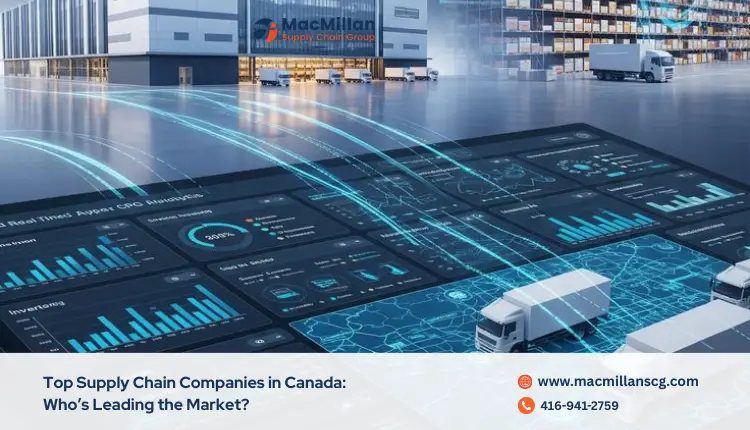
A Quick Summary and Overview Canada’s supply chain landscape is evolving rapidly with companies leveraging advanced technology and innovative solutions to meet growing logistics demands. The top supply chain companies in Canada are distinguished by their ability to provide comprehensive 3PL services, warehouse automation, and seamless cross-border logistics. These market leaders are transforming traditional supply chain operations through e-commerce fulfillment excellence, sustainability initiatives, and strategic transportation networks. With the Canadian logistics market expected to grow significantly in coming years, understanding who’s leading the industry and their competitive advantages offers valuable insights for businesses seeking reliable supply chain partners in an increasingly complex marketplace. The Evolving Canadian Supply Chain Landscape The Canadian supply chain sector represents a dynamic ecosystem where traditional logistics meets cutting-edge innovation. With Canada’s vast geography spanning nearly 10 million square kilometers and a population concentrated along the southern border, supply chain companies face unique challenges in connecting businesses with customers efficiently. The industry has transformed dramatically in recent years, driven by e-commerce growth, changing consumer expectations, and technological advancements. Top supply chain companies in Canada are distinguished by their ability to navigate these challenges while providing seamless logistics solutions. From warehouse automation to cross-border shipping expertise, these market leaders are reshaping how goods move throughout Canada and North America. Whether you’re a retailer looking for fulfillment services or a manufacturer needing transportation solutions, understanding who’s leading the Canadian supply chain market provides valuable insights into potential partnerships that can drive your business forward. Market Leaders: Top 3PL Providers in Canada The Canadian third-party logistics (3PL) landscape features a mix of global giants and homegrown specialists who have established themselves as market leaders through comprehensive service offerings and technological innovation. Metro Supply Chain Group stands as the largest Canadian-owned provider of third-party logistics services across the country. With operations expanding into the United States and United Kingdom, Metro has added nearly 1,000 team members in recent years, demonstrating significant growth. Their business philosophy of being “large enough to serve, small enough to care” resonates with clients seeking personalized service without sacrificing national coverage capabilities. MacMillan Supply Chain Group, headquartered in Brampton, has emerged as a leader in e-commerce fulfillment and warehouse automation. Their technology-first approach integrates seamlessly with major platforms like Shopify and Amazon, making them an ideal partner for businesses scaling their online operations. MacMillan’s implementation of advanced warehouse automation has enabled clients to increase throughput by 200-300% during peak periods while maintaining error rates below 0.1%. Canada Cartage/The GTI Group ranks among North America’s top logistics companies with approximately $824 million in annual revenue. Their expertise in temperature-controlled shipping and dedicated fleet services makes them particularly valuable for businesses with specialized transportation requirements. Their comprehensive approach to supply chain management addresses complex logistics challenges through customized solutions rather than one-size-fits-all offerings. Other notable players include Integrity Express Logistics, known for excellence in cross-border logistics between Canada and the United States, and Saddle Creek Logistics Services, which has developed particular strength in temperature-controlled logistics and pharmaceutical distribution. Technology Transformation in Canadian Supply Chains Technology has become the defining competitive advantage among top supply chain companies in Canada, with market leaders investing heavily in systems that enhance efficiency, visibility, and customer experience. Warehouse automation represents one of the most significant areas of technological advancement in the Canadian logistics sector. Leading 3PL providers have implemented sophisticated systems including conveyor networks, pick-to-light technology, and collaborative robots that dramatically increase throughput capacity. MacMillan Supply Chain Group’s automation solutions enable 200-300% increases in processing volume during peak periods without proportional increases in labor costs – a critical advantage in today’s challenging employment market. Predictive analytics has emerged as another crucial technology for managing seasonal demand fluctuations and optimizing inventory management. Advanced inventory systems provide real-time visibility across multiple warehouses, enabling proactive management of stock levels through dynamic reordering based on actual sales velocity rather than static thresholds. For seasonal items, specialized forecasting models account for historical performance, current market trends, and promotional calendars to prevent both stockouts and overstocks. E-commerce integration capabilities have become essential for 3PL providers serving omnichannel retailers. Technology-first approaches integrate seamlessly with major platforms like Shopify, Amazon, and WooCommerce, demonstrating the importance of API connectivity and platform interoperability. This integration capability allows retailers to maintain consistent inventory visibility and order management across multiple sales channels while leveraging specialized fulfillment capabilities. Real-time tracking and visibility systems have transformed customer expectations around shipment transparency. Leading logistics providers now offer sophisticated tracking solutions that provide minute-by-minute updates on shipment status, estimated delivery times, and potential delays. These systems not only enhance the customer experience but also enable proactive issue resolution before problems impact delivery performance. Cross-Border Excellence: Canada-US Logistics Cross-border logistics between Canada and the United States represents one of the most critical capabilities for top supply chain companies in Canada. With approximately 75% of Canadian exports destined for the US market, expertise in navigating the complexities of cross-border trade has become a defining characteristic of market leaders. Customs management capabilities distinguish the leading logistics providers in this space. Companies like Integrity Express Logistics have developed sophisticated systems for managing documentation requirements, duty calculations, and regulatory compliance across the Canada-US border. These systems streamline the customs clearance process, reducing delays and ensuring compliant movement of goods between the two countries. Transportation networks optimized for cross-border trade represent another key advantage of market leaders. Companies operating dedicated fleets or managing carrier networks have developed specialized expertise in route optimization, border crossing selection, and timing strategies that minimize delays and maximize efficiency. This expertise becomes particularly valuable during periods of border congestion or when moving time-sensitive shipments. Regulatory compliance expertise has become increasingly important as trade rules evolve and change. Leading logistics providers maintain dedicated teams focused on monitoring regulatory developments and ensuring client shipments meet all applicable requirements. This expertise extends beyond basic customs documentation to include product-specific regulations, security protocols, and specialized certification requirements. Technology integration across borders enables seamless visibility and control throughout the entire shipment lifecycle. Top supply chain companies have invested in
Smart Warehousing Technology: The Future of Logistics
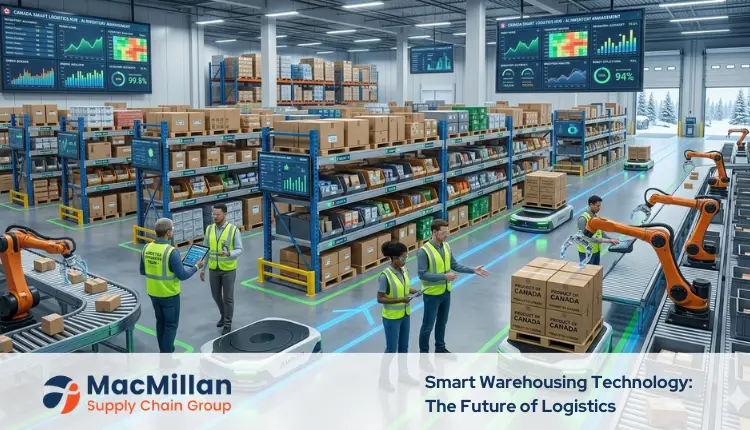
A Quick Summary and Overview Smart warehousing technology is revolutionizing the logistics industry through advanced automation, AI-powered systems, and IoT connectivity. This technology enables real-time inventory tracking, predictive analytics, and robotic fulfillment that significantly improve operational efficiency. With the global smart warehousing market projected to reach $80.44 billion by 2032, businesses across Canada are implementing these solutions to stay competitive. MacMillan Supply Chain Group offers cutting-edge smart warehousing solutions that help Canadian businesses optimize operations, reduce costs, and meet growing customer demands in an increasingly digital marketplace. The Smart Warehousing Revolution in Canadian Logistics The logistics industry is experiencing a fundamental shift. Gone are the days of clipboard-wielding workers manually tracking inventory and paper-based systems. Today’s warehouses are becoming intelligent hubs where robots, AI, and IoT sensors work together to create unprecedented efficiency. Smart warehousing technology represents the convergence of physical operations and digital capabilities. But what exactly makes a warehouse “smart”? It’s the integration of technologies like autonomous mobile robots, IoT-enabled logistics systems, and advanced warehouse management software that can predict needs before they arise. For Canadian businesses facing labor shortages, increasing customer expectations, and competitive pressures, smart warehousing isn’t just a fancy upgrade—it’s becoming essential for survival. At MacMillan Supply Chain Group, we’re helping companies across Canada embrace this technological revolution to stay ahead in an increasingly complex supply chain landscape. Core Technologies Driving Smart Warehouse Innovation The foundation of any smart warehouse is built on several key technologies working in harmony. Let’s explore the innovations that are transforming traditional warehouses into intelligent operations centers: Autonomous Mobile Robots (AMRs) Unlike their predecessors that required magnetic strips or predefined paths, today’s AMRs navigate warehouses independently using advanced sensors and mapping capabilities. These robots reduce walking time for employees by up to 40% and can operate 24/7 without breaks. At MacMillan, we’ve seen these robots increase picking efficiency by nearly 200% compared to traditional methods. IoT-Enabled Logistics Networks The Internet of Things (IoT) creates a network of connected devices throughout the warehouse. Temperature sensors monitor sensitive products, proximity detectors prevent collisions, and smart shelves track inventory in real-time. This connectivity provides unprecedented visibility into warehouse operations, allowing managers to make data-driven decisions instantly rather than waiting for end-of-day reports. AI and Machine Learning Systems Artificial intelligence serves as the brain of smart warehousing, analyzing patterns and making predictions that humans simply couldn’t process. These systems optimize inventory levels, predict maintenance needs before equipment fails, and continuously improve picking routes. Predictive analytics in warehousing has reduced stockouts by up to 30% for our clients while simultaneously decreasing excess inventory. Transforming Operations with Warehouse Automation Warehouse automation is changing every aspect of logistics operations, from receiving to shipping and everything in between. Here’s how automation is revolutionizing key warehouse processes: Automated Receiving and Putaway When shipments arrive, automated scanning systems immediately identify and log items without manual counting. Autonomous forklifts and conveyor systems then transport products to their optimal storage locations, determined by AI algorithms that consider factors like demand frequency and product relationships. This automation reduces receiving time by up to 60% while improving accuracy to nearly 99.9%. Robotic Order Fulfillment Perhaps the most visible form of warehouse automation is robotic order fulfillment. Collaborative robots work alongside human pickers or independently retrieve items from storage. These systems can process orders up to three times faster than manual methods while reducing error rates significantly. For e-commerce fulfillment in CA, this speed and accuracy directly translates to customer satisfaction and repeat business. Intelligent Sortation and Shipping At the shipping stage, automated sortation systems direct packages to the correct loading dock based on destination, carrier, and priority. Weight-checking stations verify package accuracy, while automated labeling systems ensure proper documentation. This end-to-end automation creates a seamless flow from order receipt to delivery, minimizing touchpoints and maximizing efficiency. Data Intelligence: The Brain Behind Smart Warehousing While robots and automation provide the muscle of smart warehousing, data intelligence supplies the brainpower. Advanced warehouse management systems collect, analyze, and act on information in ways that transform operations: Real-Time Inventory Visibility Smart warehousing eliminates the dreaded “where is it?” question that plagues traditional operations. RFID tracking solutions and connected scanners provide instant location data for every item in the warehouse. This real-time inventory visibility reduces search time by up to 80% and virtually eliminates lost inventory, a common problem that costs warehouses millions annually. Digital Twin Technology One of the most exciting developments in smart warehousing is digital twin technology—virtual replicas of physical warehouses that update in real-time. These digital models allow managers to visualize operations, test changes in a risk-free environment, and identify bottlenecks before they impact performance. At MacMillan, we’ve implemented digital twins that have improved space utilization by 25% and throughput by 30%. Predictive Analytics for Demand Forecasting Using historical data, market trends, and even weather patterns, predictive analytics helps warehouses anticipate demand fluctuations with remarkable accuracy. This foresight allows for proactive inventory management, labor scheduling, and resource allocation. Our clients using these systems have reduced carrying costs by 15-20% while improving order fulfillment rates. Canadian Logistics Innovations and Market Trends Canada’s unique geography, climate, and market conditions have driven specific innovations in smart warehousing technology: Adapting to Canadian Climate Challenges Smart warehousing in Canada must account for extreme temperature variations that can affect both equipment and inventory. IoT-enabled climate control systems maintain optimal conditions while minimizing energy usage. Cold-chain monitoring for pharmaceuticals and food products has become increasingly sophisticated, with sensors that track temperature variations down to 0.1°C and automatically alert managers to potential issues. Cross-Border Supply Chain Integration With approximately 75% of Canadian exports going to the United States, smart warehousing systems in Canada often focus on seamless cross-border integration. Advanced tracking and documentation systems ensure compliance with customs requirements while minimizing delays. These systems have reduced border-related delays by up to 40% for businesses implementing smart logistics solutions. Sustainable Supply Chain Initiatives Canadian warehousing trends show increasing emphasis on sustainability. Smart warehouses reduce environmental impact through optimized routing (reducing fuel consumption), energy-efficient
MacMillan Achieves SQFI Certification: Leading Global Food Safety Standards

A Quick Summary and Overview MacMillan Supply Chain Group has achieved the prestigious SQFI Certification, positioning the company at the forefront of global food safety standards in Canada. This certification demonstrates MacMillan’s commitment to maintaining rigorous food safety protocols throughout their temperature maintained facilities and logistics operations. By adhering to the GFSI Framework and implementing comprehensive HACCP programs, MacMillan now offers certified supply chain solutions that meet the highest industry standards. This achievement strengthens our position as a trusted partner for food manufacturers and retailers across North America, particularly in the Canadian food industry where safety compliance is paramount. Introduction Food safety has become a critical concern in today’s complex global supply chains. With consumers and regulators demanding greater transparency and accountability, logistics providers must demonstrate unwavering commitment to maintaining product integrity throughout the distribution process. MacMillan Supply Chain Group has risen to this challenge by achieving SQFI Certification—one of the most respected and comprehensive food safety certifications available worldwide. This milestone represents more than just compliance with regulations; it signals MacMillan’s dedication to excellence in the Canadian food logistics landscape. As a premier 3PL provider with specialized temperature maintained facilities throughout the Greater Toronto Area and beyond, MacMillan has integrated advanced food safety protocols into every aspect of their operations. This certification validates years of investment in infrastructure, training, and quality management systems designed specifically for the unique requirements of food handling and distribution. Understanding the Global Food Safety Standard SQFI (Safe Quality Food Institute) Certification represents one of the most comprehensive food safety management systems recognized worldwide. Operating under the GFSI Framework (Global Food Safety Initiative), this certification verifies that organizations maintain rigorous standards throughout their food handling operations. Unlike basic compliance programs, SQFI takes a risk-based approach that focuses on preventing food safety issues before they occur. The certification process evaluates everything from facility design and construction to operational methods and employee training. Companies must implement detailed HACCP (Hazard Analysis Critical Control Points) programs that identify potential risks and establish monitoring procedures for critical control points. Documentation requirements are extensive, ensuring complete traceability from receipt through storage and distribution. What makes SQFI particularly valuable is its global recognition. With over 12,000 certified facilities across 40 countries, this standard facilitates international trade by providing consistent benchmarks for food safety. For Canadian companies like MacMillan Supply Chain, this certification opens doors to partnerships with multinational food manufacturers and retailers who require GFSI-recognized certifications from their logistics providers. The Evolution of Food Safety Standards: SQF Edition 10 Food safety standards continue to evolve, and MacMillan’s certification coincides with the implementation of SQF Edition 10—the latest update to the SQF Code. This new edition represents a significant advancement in how food safety is assessed and managed throughout the supply chain. Key innovations in SQF Edition 10 include: Introduction of core clauses that represent fundamental requirements for preventing food safety failures Development of a risk-based maturity model that focuses on the severity of non-conformances rather than simple numerical scoring Enhanced requirements for food defense, food fraud mitigation, and environmental monitoring Greater emphasis on continuous improvement and management commitment These changes reflect the growing understanding that food safety isn’t just about passing audits—it’s about building organizational cultures that prioritize safety at every level. For MacMillan Supply Chain, achieving certification under this enhanced standard demonstrates their forward-thinking approach to food safety management. The certification process itself is rigorous, requiring extensive documentation, multiple stages of audits, and verification of corrective actions. By successfully navigating this process, MacMillan has proven their ability to maintain the highest standards of food safety throughout their Canadian supply chain solutions. Temperature-Controlled Facilities Designed for Food Safety At the heart of MacMillan’s food safety program are their state-of-the-art temperature-controlled facilities. These specialized warehouses maintain precise environmental conditions tailored to the specific requirements of different food products. From ambient storage to refrigerated and frozen environments, MacMillan’s infrastructure ensures product integrity throughout the storage period. Each facility incorporates advanced design elements specifically for food safety: Sealed dock doors with inflatable shelters to maintain temperature control during loading/unloading Segregated storage zones to prevent cross-contamination between different product types Specialized flooring systems that facilitate sanitation and prevent harborage points for pests Robust air handling systems with filtration to maintain air quality Redundant refrigeration systems with backup power to ensure temperature stability Beyond physical infrastructure, MacMillan has implemented comprehensive monitoring systems throughout their facilities. Temperature sensors continuously track environmental conditions, with automated alerts triggered by any deviations from established parameters. This real-time monitoring, combined with regular verification checks by trained personnel, ensures that temperature-sensitive products remain within safe ranges at all times. The company’s investment in these specialized facilities demonstrates their understanding that food safety begins with proper infrastructure. By creating environments specifically designed for food products, MacMillan provides their clients with confidence that their products will maintain safety and quality throughout the storage phase. Implementing HACCP Programs Across the Supply Chain MacMillan’s approach to food safety extends beyond facilities to encompass comprehensive HACCP programs throughout their operations. These programs systematically identify potential hazards and establish preventive measures to ensure food safety from receipt through storage and distribution. Key elements of MacMillan’s HACCP implementation include: Detailed hazard analysis for each product category handled Establishment of critical control points with specific monitoring procedures Clear corrective action protocols for addressing deviations Verification activities to confirm that the system is functioning as intended Extensive documentation to demonstrate ongoing compliance What distinguishes MacMillan’s approach is their integration of HACCP principles across the entire supply chain. Rather than treating food safety as a siloed responsibility, they’ve built interconnected systems that maintain product integrity at every touchpoint. This comprehensive approach aligns perfectly with the SQFI Certification requirements, which emphasize systemic food safety management rather than isolated compliance measures. The company has also invested heavily in staff training, ensuring that all personnel understand their roles in maintaining food safety. From warehouse associates to transportation providers, everyone receives specialized training on food handling best practices, allergen management, and sanitation procedures. This culture of
Competitive 3PL Pricing Strategy for Supply Chain Success
n today’s volatile supply chain landscape, competitive pricing isn’t just a marketing tool — it’s a strategic lever. For third-party logistics (3PL) providers, pricing decisions impact not only profit margins but also service quality, scalability, and customer retention. At MacMillan Supply Chain Group, we understand that transparent, data-informed pricing plays a key role in how businesses choose the right 3PL partner. The Role of Competitor Pricing in 3PL Strategy Third-party logistics is no longer a race to the bottom on cost. Companies are now evaluating: Total cost of ownership Speed-to-market capabilities Tech-enabled value (like real-time tracking) Specialized services (such as cold chain or white-glove delivery) While some competitors may lure customers with unsustainably low pricing, this often leads to service compromises or hidden fees. That’s why leading brands prefer pricing models that reflect value — not just cost. For broader context, check out this guide on total cost of ownership in logistics by Supply Chain Dive. Pricing Models in the Canadian 3PL Landscape There’s no one-size-fits-all approach to pricing. Common 3PL pricing strategies include: Transactional (per order/pallet) Volume-based discounts Tiered service packages Custom contract-based rates At MacMillan SCG, we customize our 3PL pricing to fit each client’s business goals, SKU mix, and required service levels. We also provide supply chain cost breakdowns to increase transparency and help clients optimize long-term. Analytics-Driven Pricing Decisions We use supply chain analytics to continuously refine our pricing models. Key metrics include: Cost per delivery zone Warehouse space utilization Accessorial cost trends OTIF performance vs. cost per shipment This ensures our clients receive cost-efficient services without compromising performance — especially in high-cost segments like last mile delivery or temperature-controlled logistics. How to Benchmark Your 3PL Pricing When evaluating a logistics partner, pricing should never be looked at in isolation. Ask: What’s included? Are accessorial charges broken out clearly? What’s the service-to-cost ratio? Are SLAs and performance benchmarks tied to pricing tiers? Can it scale? Will your costs stay efficient as your business grows? Want help benchmarking your logistics spend? Contact MacMillan SCG for a customized cost analysis. Final Thoughts Competitive pricing is powerful — but only when balanced with reliability, innovation, and transparency. At MacMillan SCG, our pricing isn’t just competitive — it’s aligned with your business success. Get in touch today to discuss pricing strategies that deliver both savings and service excellence.
E-commerce Fulfillment Process: Complete Guide for Retailers
A Quick Summary and Overview E-commerce fulfillment encompasses everything from inventory storage to order processing, picking, packing, shipping, and returns management. For Canadian online retailers, mastering these operations is crucial for business success. This guide breaks down the essential steps of e-commerce fulfillment, explores cutting-edge technologies transforming the industry, and provides actionable strategies to optimize your fulfillment process. Whether you’re handling fulfillment in-house or partnering with a 3PL provider, understanding these fundamentals will help you deliver exceptional customer experiences while managing costs effectively. Introduction In today’s fast-paced digital marketplace, e-commerce fulfillment has become the backbone of online retail success. When a customer clicks “buy now,” they set in motion a complex chain of events that determines whether their experience will be delightful or disappointing. With Canadian e-commerce sales projected to reach $92.7 billion in 2025, businesses that master fulfillment gain a significant competitive advantage. E-commerce fulfillment isn’t just about shipping packages—it’s about creating customer experiences that build loyalty and drive repeat business. Research shows that 73% of shoppers consider delivery speed a key factor in their purchasing decisions, while 69% are less likely to shop with a retailer again after a poor delivery experience. For Canadian businesses competing with global giants, optimizing the fulfillment process isn’t optional—it’s essential for survival and growth. This guide will walk you through each step of the e-commerce fulfillment journey, from receiving inventory to managing returns, with practical insights to help your business thrive in this competitive landscape. Understanding the E-commerce Fulfillment Process E-commerce fulfillment encompasses the complete journey of getting products from your warehouse to your customer’s doorstep. This process begins the moment a customer places an order and continues until they receive their package—and sometimes beyond, if returns are involved. For Canadian businesses, understanding each step in this process is crucial for building efficient operations. The fulfillment journey typically includes receiving inventory, warehousing, order processing, picking and packing, shipping, delivery, and returns management. Each stage requires careful planning and execution to ensure customer satisfaction. The importance of fulfillment can’t be overstated—it directly impacts your bottom line. Research shows that 38% of customers will abandon their cart if delivery takes longer than a week, while 45% are unlikely to shop with a retailer again after a late delivery. By optimizing your fulfillment process, you’re not just shipping products—you’re building customer relationships and strengthening your brand. Modern fulfillment has evolved beyond simple shipping. Today’s consumers expect fast delivery, accurate order fulfillment, and transparent tracking information. Meeting these expectations requires a combination of strategic planning, technology integration, and sometimes partnerships with specialized providers like 3PLs. For Canadian retailers looking to compete with larger players, mastering these elements is the key to standing out in a crowded marketplace. Technology Solutions for Modern Fulfillment The technology powering e-commerce fulfillment has transformed dramatically in recent years, creating opportunities for businesses of all sizes to operate more efficiently. Implementing the right tech stack can be the difference between struggling with manual processes and running a streamlined operation that delights customers. Inventory management software forms the foundation of effective fulfillment. These systems provide real-time visibility into stock levels, automatically trigger reorders when inventory runs low, and help prevent the costly mistake of overselling products. For Canadian businesses managing inventory across multiple locations or channels, these tools are invaluable for maintaining accuracy and preventing stockouts that frustrate customers. Warehouse management systems (WMS) take efficiency to the next level by optimizing how products are stored, picked, and packed. A good WMS can increase picking accuracy to over 99% while reducing labor costs by 15-20%. These systems map warehouse layouts, direct staff along optimal picking routes, and ensure inventory is stored in locations that minimize travel time during order fulfillment. Automated picking and packing technologies are revolutionizing fulfillment centers across Canada. From simple barcode scanners that reduce human error to sophisticated robotic systems that can pick hundreds of items per hour, automation helps businesses scale operations without proportionally increasing labor costs. Even small operations can benefit from semi-automated solutions that boost productivity while maintaining flexibility. The integration of these technologies creates a seamless flow of information from the moment a customer places an order to when it arrives at their door. This connectivity eliminates data silos, reduces manual entry errors, and provides valuable insights that help businesses continuously improve their fulfillment operations. Optimizing Shipping and Delivery Shipping represents one of the largest expenses in e-commerce fulfillment, but it also offers significant opportunities for optimization. Strategic approaches to shipping can reduce costs while improving customer satisfaction—a winning combination for any online retailer. Shipping cost optimization starts with understanding dimensional weight pricing, which most carriers use to calculate shipping rates. By using appropriately sized packaging and minimizing void fill, businesses can avoid paying to ship “air” and reduce costs by 10-15%. Canadian retailers should also consider negotiating rates with multiple carriers rather than relying on a single shipping partner, as this competition can lead to better pricing and service. Last-mile delivery optimization focuses on the final and most expensive leg of the shipping journey. Strategies include using regional carriers for certain areas, implementing zone skipping for high-volume destinations, and exploring alternative delivery options like pickup points. For urban Canadian markets, same-day delivery is becoming increasingly important, with 30% of shoppers willing to pay a premium for this service. Cross-border shipping to the US presents both challenges and opportunities for Canadian e-commerce businesses. While navigating customs requirements adds complexity, accessing the massive US market can significantly boost sales. Successful cross-border strategies include clear communication about duties and taxes, partnering with experienced carriers, and considering fulfillment centers on both sides of the border for faster delivery. B2C shipping in Canada has unique challenges, including vast geographic distances and relatively low population density outside major urban centers. Successful retailers address these challenges by strategically locating inventory, offering realistic delivery timeframes based on region, and providing transparent tracking information to set appropriate customer expectations. The 3PL Advantage for Canadian Retailers Many growing e-commerce businesses reach a point where
The Benefits of Value-Added Packaging in Your Supply Chain
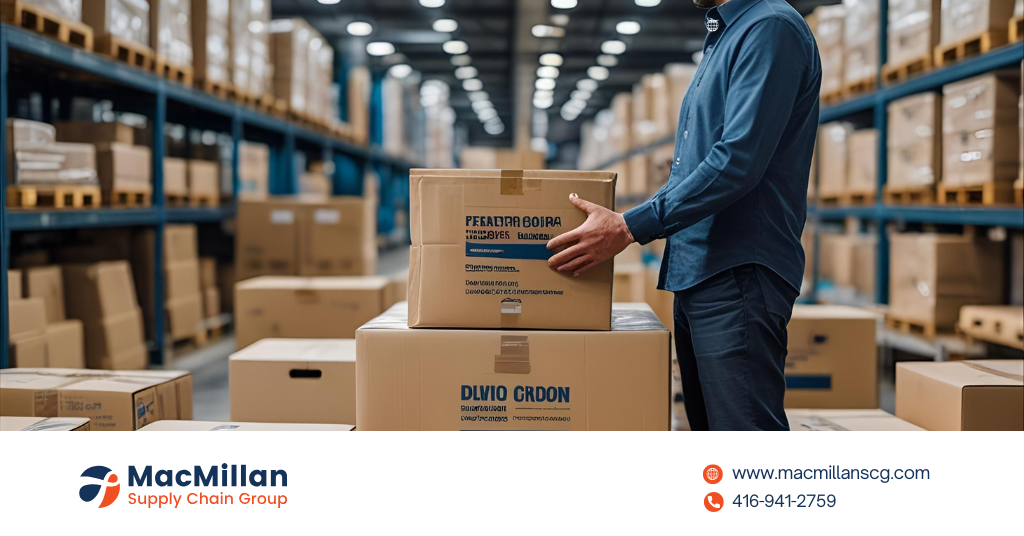
A quick summary and overview Value-added packaging goes beyond basic product protection to deliver strategic advantages throughout your supply chain. By incorporating specialized services like custom labeling, kitting, assembly, and sustainable materials, businesses can significantly improve operational efficiency while reducing costs. MacMillan Supply Chain Group offers comprehensive value-added packaging solutions that help Canadian companies enhance product presentation, meet compliance requirements, and achieve sustainability goals. Our expertise spans various industries, providing tailored packaging strategies that optimize your entire supply chain process. How Value-Added Packaging Transforms Your Supply Chain In today’s competitive marketplace, packaging is no longer just about protecting products during transit. Value-added packaging has emerged as a strategic tool that can dramatically improve your supply chain efficiency while delivering significant business advantages. But what exactly is value-added packaging, and how can it benefit your operations? Value-added packaging encompasses specialized services that enhance standard packaging processes. These include custom labeling, kitting, assembly, product customization, and implementing sustainable packaging solutions. At MacMillan Supply Chain Group, we’ve seen firsthand how these services help Canadian businesses streamline operations, reduce costs, and improve customer satisfaction. Whether you’re in retail, food and beverage, pharmaceuticals, or manufacturing, the right packaging strategy can be a game-changer for your business. Let’s explore how value-added packaging solutions in Canada can transform your supply chain from a cost center into a competitive advantage. Key Components of Value-Added Packaging Services Value-added packaging extends far beyond simply placing products in boxes. It’s a comprehensive approach that can include numerous specialized services tailored to your specific needs. Understanding these components helps you identify which solutions will deliver the greatest impact for your business. Custom Labeling and Branding Custom labeling ensures your products comply with Canadian packaging regulations while enhancing brand recognition. This includes bilingual labeling (essential for the Canadian market), barcode generation, and brand-consistent design elements. Our advanced printing capabilities allow for high-quality graphics that make your products stand out on shelves. Kitting and Assembly Kitting involves grouping related items together in a single package, while assembly focuses on putting product components together before shipment. These services save time and resources by consolidating operations. For example, retail promotions often require special kitting of multiple products, which we can handle efficiently within our facilities. Product Customization We can modify standard products to meet specific customer requirements. This might include adding accessories, creating special bundles, or adjusting packaging sizes for different markets. This flexibility allows you to respond quickly to changing consumer demands without maintaining excessive inventory. Sustainable Materials Selection Our team helps you select eco-friendly materials that align with your sustainability goals while meeting product protection requirements. From biodegradable fillers to recyclable containers, we source materials that reduce environmental impact without compromising on quality or protection. This approach supports circular economy packaging principles that increasingly matter to Canadian consumers. How Value-Added Packaging Drives Supply Chain Efficiency Implementing strategic packaging solutions creates ripple effects of efficiency throughout your entire supply chain. These improvements touch everything from warehouse operations to final delivery, creating measurable benefits at each stage. Streamlined Warehouse Operations Value-added packaging services consolidate multiple steps into a single process, reducing handling time and warehouse space requirements. By integrating packaging with other logistics functions, we eliminate redundant steps and minimize the risk of errors. Our contract packaging services can be performed within our facilities, freeing up your valuable warehouse space for core operations. Optimized Transportation Properly designed packaging maximizes container and truck utilization by optimizing product dimensions and weight. This means you can fit more products in each shipment, reducing transportation costs and carbon emissions. Our packaging engineers analyze your products to design solutions that minimize dimensional weight charges while ensuring adequate protection. Reduced Handling Damage Custom-designed packaging provides superior product protection, significantly reducing damage rates during transit. This means fewer returns, less waste, and higher customer satisfaction. For fragile or high-value items, we develop specialized protective solutions using appropriate materials and designs that prevent movement and absorb shock. Improved Inventory Management Value-added packaging facilitates better inventory control through clear labeling and organized kitting. When products arrive pre-packaged and ready for sale, you can implement just-in-time inventory strategies that reduce carrying costs. Our IoT-enabled packaging solutions can also provide real-time visibility into inventory levels and product location. Cost Benefits of Strategic Packaging Solutions While some businesses view packaging as simply a necessary expense, strategic value-added packaging actually delivers significant cost savings throughout your supply chain. Understanding these financial benefits helps justify investment in improved packaging solutions. Reduced Labor Costs By consolidating packaging operations with a specialized provider like MacMillan Supply Chain Group, you can significantly reduce labor costs associated with in-house packaging. Our efficient processes, specialized equipment, and experienced staff complete packaging tasks faster and with fewer errors than most in-house operations. This allows your team to focus on core business activities that drive growth. Lower Materials Expenses Our packaging expertise helps identify opportunities to reduce material usage without compromising protection. We can implement returnable packaging systems for regular shipments between fixed locations, dramatically cutting ongoing packaging expenses. Our volume purchasing power also means we secure better pricing on packaging materials than most individual companies can achieve. Decreased Transportation Expenses Optimized packaging reduces dimensional weight charges and allows more products per shipment. For example, properly designed packaging can sometimes reduce shipping costs by 15-25% by eliminating unnecessary space and weight. Our packaging engineers analyze your current solutions and recommend improvements that maximize transportation efficiency. Minimized Product Damage Well-designed packaging significantly reduces product damage during transit, cutting replacement costs and eliminating the administrative burden of processing returns. For products with high damage rates, the savings from improved packaging can be substantial – often paying for the packaging upgrade many times over. Sustainability Advantages of Modern Packaging Approaches Today’s consumers and businesses increasingly prioritize sustainability, making eco-friendly packaging solutions not just environmentally responsible but commercially advantageous. MacMillan Supply Chain Group helps you navigate the complex world of sustainable packaging to find solutions that work for your products, your customers, and the planet. Eco-Friendly Materials
The Rise of Logistics Companies in Canada and Their Impact | MacMillan Supply Chain Group
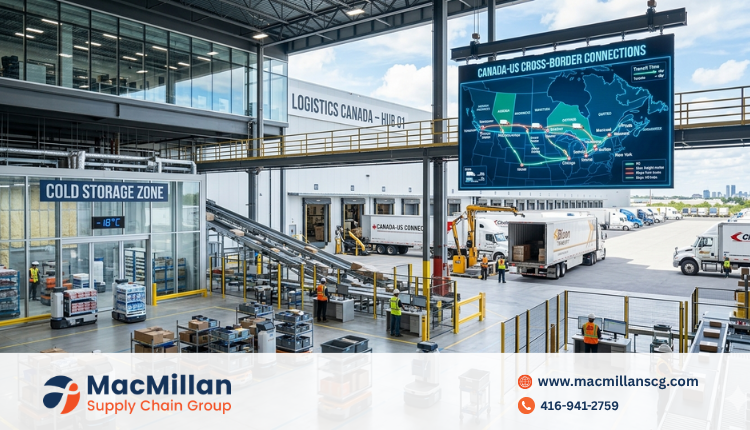
A Quick Summary and Overview The Canadian logistics industry is experiencing unprecedented growth, with the 3PL market projected to reach $25.12 billion by 2030. This expansion is driven by e-commerce growth, technological innovation, and increasing cross-border trade. MacMillan Supply Chain Group stands at the forefront of this evolution, offering cutting-edge warehouse automation, last-mile delivery solutions, and specialized services like cold chain logistics. As businesses navigate supply chain challenges, Canadian logistics companies continue to adapt and innovate, creating more efficient, sustainable, and resilient supply networks that connect Canada to global markets. The Rise of Logistics Companies in Canada and Their Impact The Canadian logistics landscape has transformed dramatically over the past decade. From traditional warehousing and transportation to sophisticated supply chain solutions powered by artificial intelligence and automation, logistics companies in Canada have evolved to meet changing consumer demands and business needs. With e-commerce sales growing at 13% annually and cross-border shipping to the US increasing steadily, the importance of efficient, reliable logistics services has never been greater. MacMillan Supply Chain Group has established itself as a leader in this dynamic environment, providing innovative third-party logistics (3PL) services that help businesses navigate complex supply chain challenges. Whether it’s implementing warehouse automation trends or developing specialized cold chain logistics in Canada, MacMillan’s comprehensive approach addresses the unique requirements of the Canadian market while facilitating seamless connections to global supply networks. This article explores how logistics companies are reshaping Canada’s economic landscape, the technologies driving this transformation, and the strategic advantages that companies like MacMillan Supply Chain Group bring to businesses operating in this rapidly evolving sector. The Evolution of Canadian Logistics: Market Trends and Growth Drivers The Canadian logistics industry has experienced remarkable growth, with the 3PL market valued at approximately $19.84 billion in 2023 and projected to reach $25.12 billion by 2030. This represents a compound annual growth rate of 4.83%, significantly outpacing overall economic growth. Several key factors are driving this expansion. E-commerce has fundamentally altered consumer expectations and supply chain requirements. With over 80% of Canadians now shopping online regularly, logistics companies have had to develop sophisticated e-commerce fulfillment strategies that enable rapid order processing and delivery. This shift has created unprecedented demand for warehouse space, particularly in urban centers like Toronto, Vancouver, and Montreal. Cross-border shipping to the US represents another major growth driver. The United States remains Canada’s largest trading partner, with approximately 75% of Canadian exports destined for American markets. This relationship has intensified the need for seamless cross-border logistics solutions that navigate customs requirements while maintaining competitive delivery timeframes. Geographic challenges unique to Canada have shaped the industry’s development. The country’s vast territory, combined with population concentration along the southern border, requires logistics networks that efficiently serve dense urban markets while maintaining connectivity to remote communities. This has led to specialized Western Canada transportation solutions and regional distribution strategies that account for seasonal variations and infrastructure limitations. Technology adoption has accelerated across the sector, with Canadian freight market growth closely tied to innovations in automation, tracking systems, and predictive analytics. Leading companies like MacMillan Supply Chain Group have invested heavily in these technologies, positioning themselves at the forefront of the digital logistics revolution. Technology Transformation: How Innovation is Reshaping Canadian Logistics Technological innovation has become the primary competitive differentiator among logistics companies in Canada. Warehouse automation trends have revolutionized fulfillment operations, with advanced systems including conveyor networks, pick-to-light technology, and collaborative robots dramatically increasing processing capacity while reducing error rates. MacMillan Supply Chain Group exemplifies this technological leadership through implementation of cutting-edge warehouse management systems that enable throughput increases of 200-300% during peak periods while maintaining error rates below 0.1%. This technological sophistication positions the company as an ideal partner for businesses scaling their e-commerce operations. Real-time visibility has become a standard expectation across the North American supply chain. Advanced tracking systems now provide minute-by-minute location updates, predictive delivery estimates, and exception alerts that enable proactive issue resolution. This transparency extends across all transportation modes, creating seamless visibility from manufacturer to end customer. Artificial intelligence and machine learning applications are transforming operational efficiency throughout Canadian distribution networks. These technologies enable dynamic route optimization, predictive maintenance scheduling, and automated inventory management that anticipates demand fluctuations before they impact service levels. The integration of Internet of Things (IoT) devices throughout the supply chain has created new possibilities for condition monitoring and quality assurance. This is particularly valuable in cold chain logistics in Canada, where temperature-sensitive pharmaceuticals and food products require continuous environmental monitoring to maintain product integrity. Data analytics capabilities have become essential for competitive logistics operations. Leading providers now employ sophisticated analytics platforms that identify optimization opportunities, predict potential disruptions, and quantify performance improvements across complex supply networks. This data-driven approach enables continuous improvement while providing valuable business intelligence to clients. Cross-Border Excellence: Navigating US-Canada Logistics Challenges Cross-border shipping to the US presents unique challenges and opportunities for Canadian logistics providers. With approximately $1.7 billion in goods crossing the border daily, efficient management of cross-border customs brokerage and transportation has become a critical capability for companies serving North American markets. MacMillan Supply Chain Group has developed specialized expertise in U.S.-Canada trade logistics, implementing systems that streamline documentation requirements, expedite customs clearance, and maintain compliance with evolving regulatory frameworks. This expertise is particularly valuable for Canadian businesses pursuing U.S. market expansion strategies without establishing their own American logistics infrastructure. The CUSMA/USMCA agreement has created new opportunities for integrated cross-border supply chains, with harmonized regulations facilitating smoother trade flows between Canada and the United States. Leading logistics providers have adapted their operations to capitalize on these opportunities while helping clients navigate the agreement’s specific requirements and documentation needs. Intermodal transportation solutions have become increasingly important for efficient cross-border shipping. By combining rail, truck, and sometimes maritime transportation modes, logistics companies can optimize costs and transit times while reducing environmental impact. This approach is particularly effective for shipments between major Canadian population centers and U.S. destinations. Border delays remain a significant challenge, with unpredictable processing times creating uncertainty