How Does a Supply Chain Firm Plan for High Demand?
With the right approach, supply chain planning can lower costs…
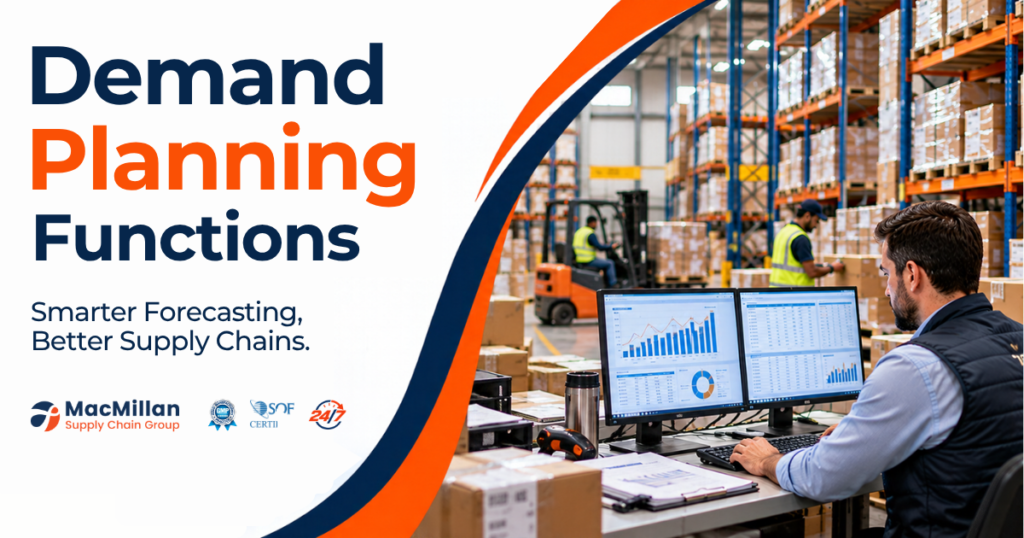
With the right approach, supply chain planning can lower costs…
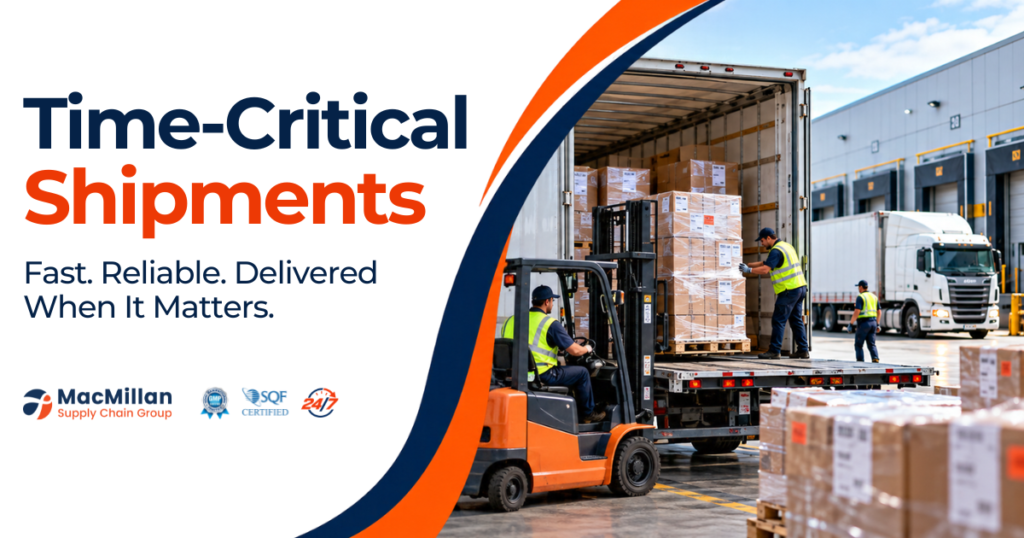
Time-critical shipments can be defined in many ways. Critical shipping…
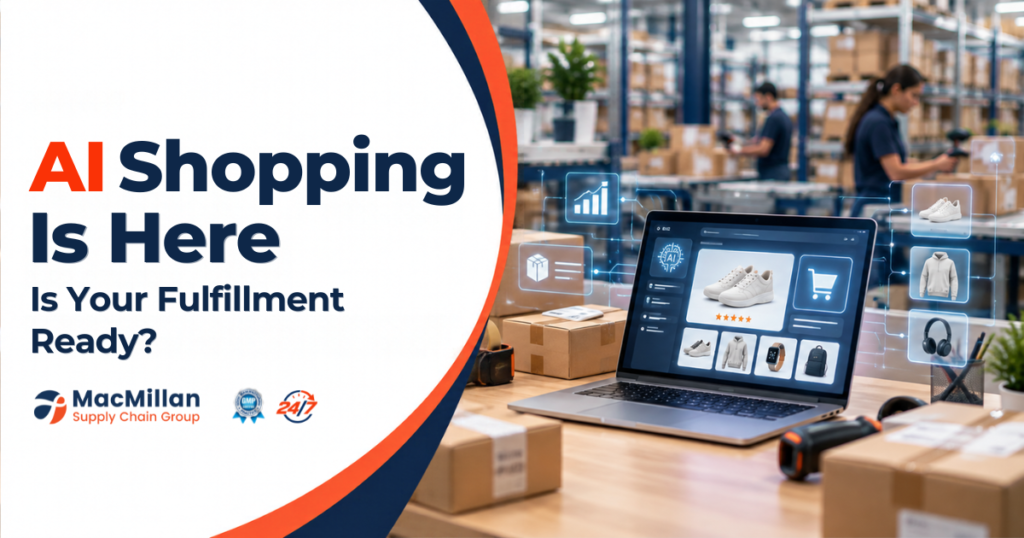
A shopper asks an AI assistant to find a fragrance-free…
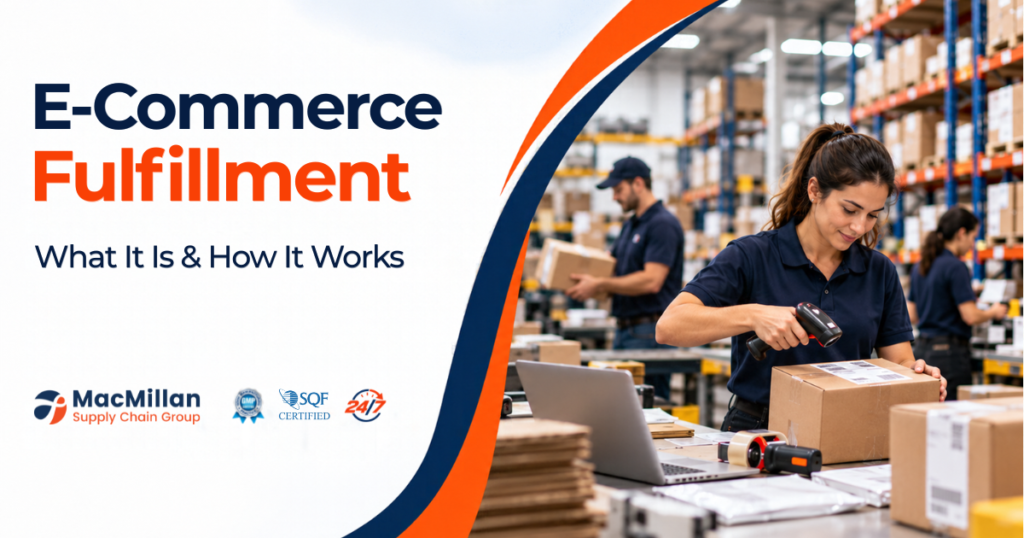
As an online store business owner, offering the best customer…
This comprehensive guide explores the crucial distinctions between fulfillment centers and warehouses in the e-commerce landscape. We’ll delve into how fulfillment centers, like those operated by MacMillan Supply Chain, can significantly enhance your logistics strategy. From efficient order processing to cost-effective storage solutions, learn why partnering with a specialized 3PL provider is essential for e-commerce success. Discover how MacMillan’s expertise in inventory management, shipping optimization, and scalable fulfillment services can drive your business growth, reduce operational costs, and elevate customer satisfaction in today’s competitive digital marketplace.
In the rapidly evolving world of e-commerce, understanding the nuances between fulfillment centers and traditional warehouses is crucial for businesses aiming to optimize their supply chain operations. While both play vital roles in logistics management, their functions and benefits differ significantly, especially when it comes to meeting the unique demands of online retail.
Fulfillment centers, the cornerstone of efficient e-commerce logistics, offer a dynamic approach to order processing and shipping. In contrast, warehouses primarily serve as storage facilities. This distinction is pivotal for businesses looking to streamline their operations, reduce costs, and enhance customer satisfaction.
In this article, we’ll explore how leveraging specialized fulfillment services, like those provided by MacMillan Supply Chain, can transform your e-commerce logistics. We’ll uncover the advantages of partnering with a 3PL expert and how it can position your business for scalable growth in the digital marketplace. Let’s dive into the world of modern logistics and discover how the right fulfillment strategy can become your competitive edge.
Fulfillment centers are the heartbeat of modern e-commerce logistics, serving as dynamic hubs that handle the entire process from receiving inventory to shipping products directly to customers. Unlike traditional warehouses, fulfillment centers are designed for rapid turnover, prioritizing speed and accuracy to meet the ever-growing demands of online shoppers.
At MacMillan Supply Chain, our fulfillment centers are strategically equipped to handle the complexities of e-commerce operations:
The key advantage of fulfillment centers lies in their ability to scale operations based on demand fluctuations. This flexibility is crucial for e-commerce businesses facing seasonal peaks or rapid growth. By leveraging MacMillan’s fulfillment services, businesses can focus on core activities like product development and marketing, while we handle the intricacies of order fulfillment.
Moreover, fulfillment centers offer the benefit of distributed inventory, allowing businesses to store products closer to their customers, thereby reducing shipping times and costs – a significant factor in enhancing customer satisfaction and loyalty.
While fulfillment centers are tailored for e-commerce, traditional warehouses play a distinct and vital role in the broader supply chain ecosystem. Warehouses primarily function as long-term storage facilities, designed to house large quantities of goods for extended periods. This fundamental difference shapes their operations and the services they provide.
While warehouses are essential for certain business models, they may not align with the fast-paced needs of e-commerce. The slower turnover and bulk storage focus can lead to higher inventory costs and longer processing times for individual orders.
At MacMillan Supply Chain, we recognize that some businesses may require a hybrid approach. Our services can integrate traditional warehousing with modern fulfillment strategies, offering a tailored solution that combines the benefits of both. This flexibility allows businesses to optimize their inventory management across different sales channels, ensuring efficiency in both bulk storage and individual order fulfillment.
While often confused, fulfillment centers and distribution centers serve distinct purposes in the logistics landscape. Understanding these differences is crucial for businesses to align their supply chain strategy with their operational needs.
Fulfillment Centers:
– Focus: Direct-to-consumer order processing
– Order Size: Typically handle small, individual orders
– Speed: Optimized for rapid order turnaround
– Technology: Utilize advanced order management systems
– Value-Added Services: Often offer kitting, personalization, and gift wrapping
Distribution Centers:
– Focus: Bulk shipments to retailers or other businesses
– Order Size: Handle large, wholesale orders
– Speed: Geared towards scheduled, bulk shipments
– Technology: Emphasis on inventory tracking and forecasting
– Value-Added Services: May include cross-docking and bulk breaking
MacMillan Supply Chain’s expertise lies in bridging these two models. Our fulfillment centers are equipped to handle the intricacies of e-commerce fulfillment while also offering the capabilities of a distribution center when needed. This dual functionality allows our clients to:
By understanding these distinctions, businesses can make informed decisions about their logistics strategy, ensuring they have the right support for their specific needs and growth plans.
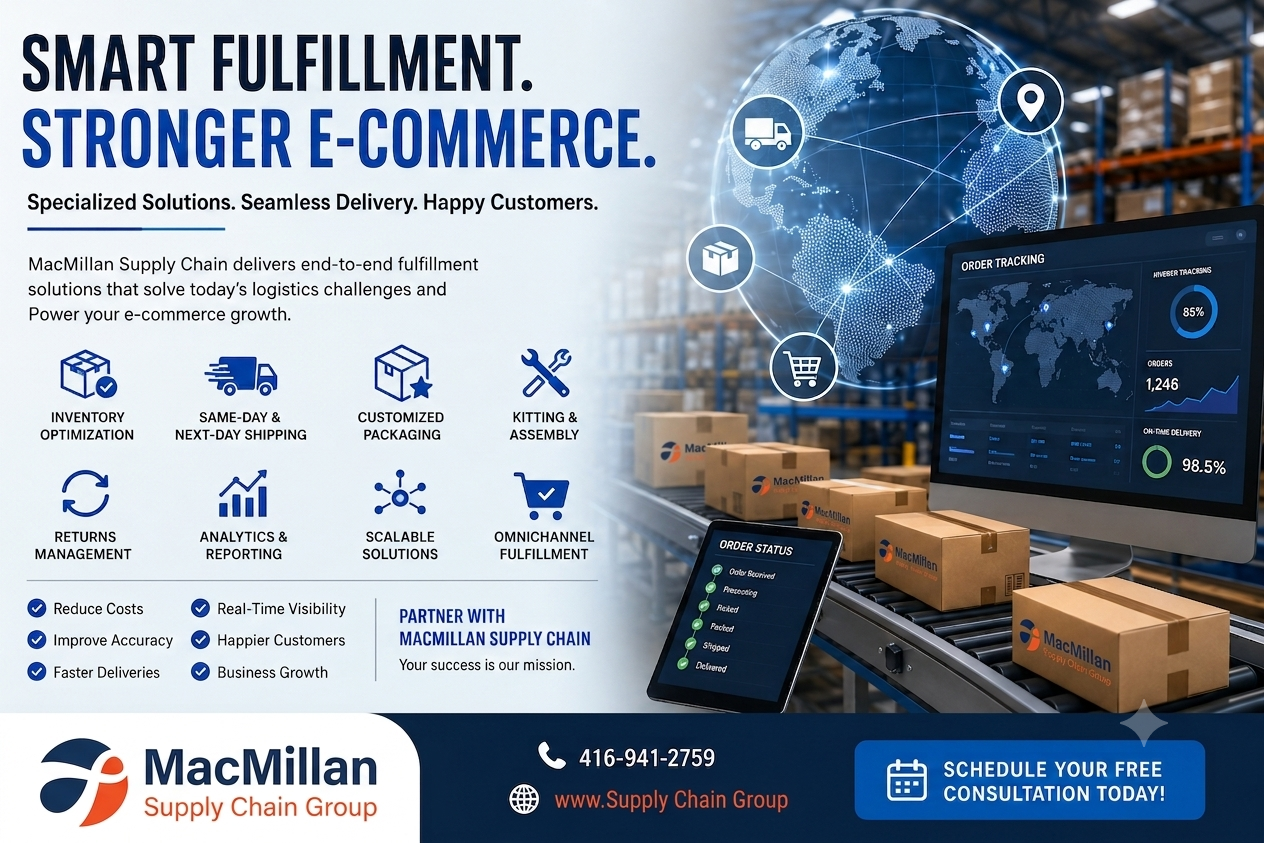
In the competitive e-commerce landscape, specialized fulfillment services can be a game-changer. MacMillan Supply Chain offers a suite of tailored services designed to elevate your e-commerce operations:
By leveraging these specialized services, e-commerce businesses can not only improve operational efficiency but also enhance customer experience. MacMillan’s expertise in these areas allows our clients to focus on core business activities while we handle the complexities of fulfillment, ensuring that every order is processed accurately and delivered promptly.
Despite the critical role of fulfillment and warehouse logistics in e-commerce success, businesses often encounter several challenges:
– Implement AI-driven forecasting to optimize stock levels.
– Real-time inventory tracking across multiple locations.
– Automated reorder points to prevent stockouts.
– Strategic warehouse locations to reduce transit times.
– Carrier optimization algorithms to select the most efficient shipping methods.
– Same-day and next-day shipping options for urgent orders.
– Warehouse layout optimization for efficient space utilization.
– Automated picking systems to reduce labor costs.
– Bulk shipping rates negotiated with carriers.
– Barcode scanning and RFID technology for precise order fulfillment.
– Quality control checks at multiple stages of the fulfillment process.
– Regular staff training on best practices.
– Flexible warehouse space allocation.
– On-demand labor resources for handling peak periods.
– Cloud-based systems that scale with business growth.
– Automated returns processing system.
– Quick refund and exchange options.
– Data analysis on return reasons for continuous improvement.
– API-driven integration with major e-commerce platforms.
– Custom integrations for unique business needs.
– Regular updates to ensure compatibility with evolving technologies.
– Real-time dashboards for order and inventory tracking.
– Customizable reports for business intelligence.
– Proactive alert systems for potential issues.
By implementing these solutions, MacMillan Supply Chain helps businesses overcome common logistics challenges, enabling them to focus on growth and customer satisfaction. Our approach not only solves immediate problems but also positions our clients for long-term success in the dynamic e-commerce landscape.
To navigate the complexities of e-commerce logistics and avoid common pitfalls, consider the following steps:
Don’t let logistics challenges hinder your e-commerce success. MacMillan Supply Chain offers comprehensive fulfillment solutions tailored to your unique needs. Our team of experts is ready to analyze your current operations and develop a strategy that optimizes your supply chain, reduces costs, and enhances customer satisfaction.
Take the first step towards transforming your e-commerce logistics. Contact MacMillan Supply Chain today for a free consultation. Let us show you how our advanced fulfillment services can drive your business growth and give you a competitive edge in the digital marketplace.
Cross-docking is a logistics strategy where inbound goods are transferred directly to outbound transportation with minimal storing time, enhancing supply chain efficiency by streamlining order fulfillment.
Cross-docking minimizes or eliminates storage by transferring products directly from inbound shipments to outbound transportation. In contrast, traditional warehousing stores inventory for days, weeks, or even months before distribution. This approach helps businesses reduce storage costs, speed up order fulfillment, and improve supply chain efficiency.
Cross-docking offers several advantages, including lower warehousing costs, reduced inventory holding, faster delivery times, and improved inventory accuracy. It also minimizes product handling, lowers the risk of damage, and enhances overall supply chain efficiency, making it an ideal solution for businesses focused on speed and cost savings.
Cross-docking offers several advantages, including lower warehousing costs, reduced inventory holding, faster delivery times, and improved inventory accuracy. It also minimizes product handling, lowers the risk of damage, and enhances overall supply chain efficiency, making it an ideal solution for businesses focused on speed and cost savings.
Industries that rely on fast inventory movement benefit the most from cross-docking. These include retail, e-commerce, grocery and food distribution, pharmaceuticals, automotive, consumer goods, and manufacturing. Cross-docking helps these industries reduce delivery times while improving operational efficiency and lowering logistics costs.
MacMillan Supply Chain provides customized cross-docking solutions designed to streamline your logistics operations. Their experienced team helps reduce storage costs, improve inventory flow, accelerate order fulfillment, and optimize transportation efficiency. By leveraging advanced supply chain technology and industry expertise, MacMillan ensures your products move quickly and accurately from suppliers to customers.